


Edwardian Display Cabinet Table
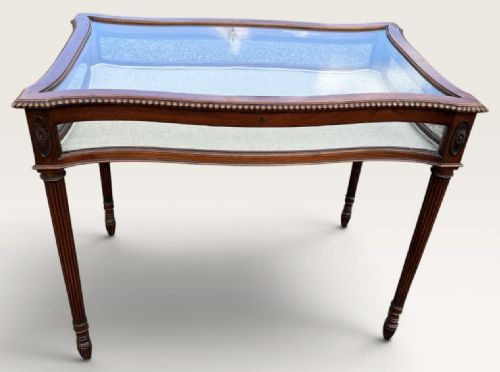
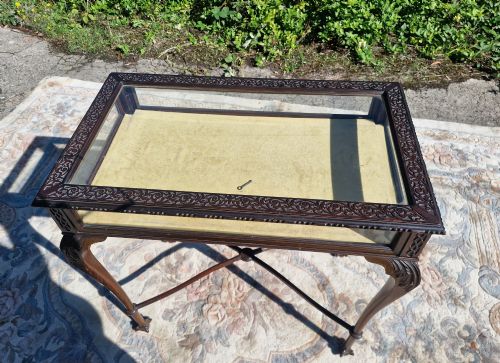
An edwardian display cabinet table combines a glazed vitrine top with a functional table frame designed to showcase precious personal items.
Edwardian Display Cabinet Table
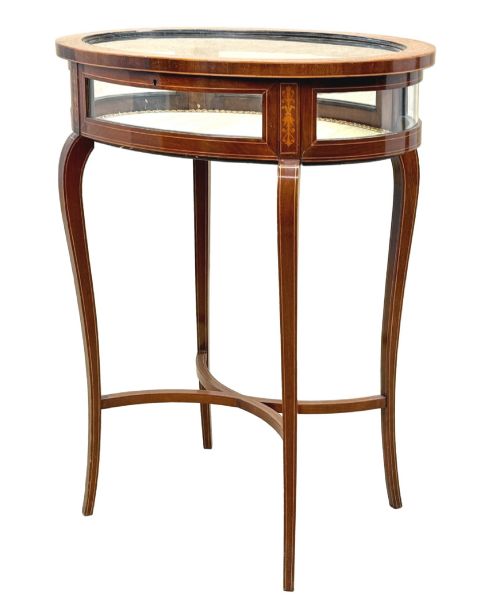
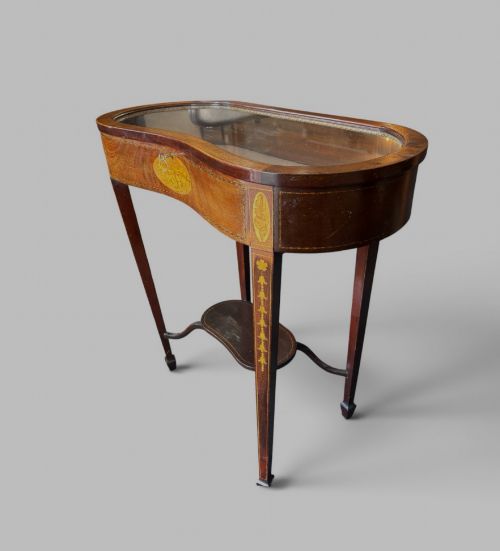
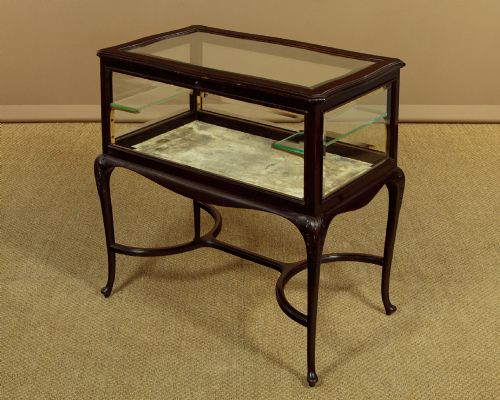
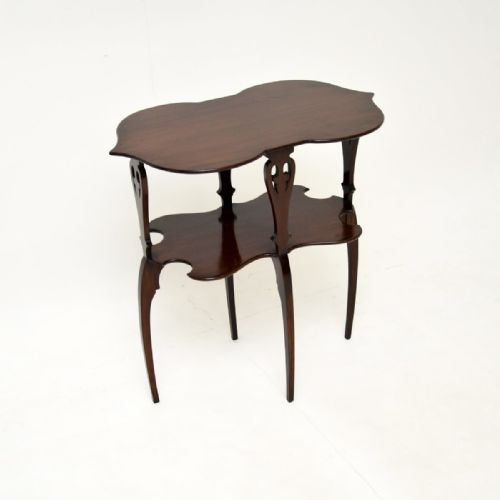
Buyers seeking an edwardian display cabinet table encounter pieces originating primarily from the Edwardian period and the late nineteenth century, alongside similar Victorian and early twentieth-century examples. These hybrid objects take various shapes, including serpentine, oval, kidney-shaped, octagonal, and rectangular forms.
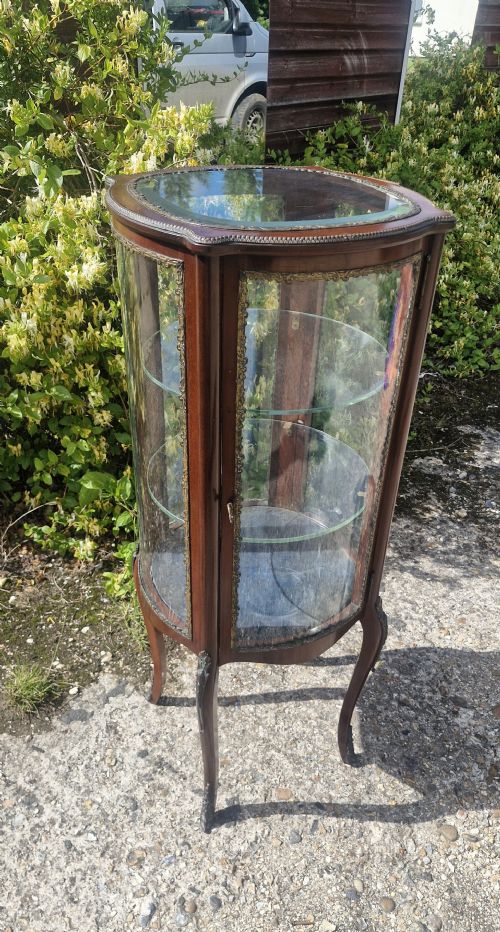
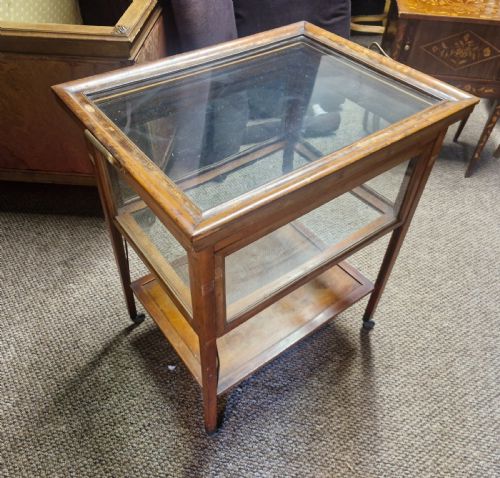
The primary function of these pieces is to present jewellery, curiosities, and collections beneath glass while serving as a functional item of occasional furniture. They appear on the market as standalone tables with glazed display wells, cabinet stands, and tabletop display cases.
Materials and construction methods
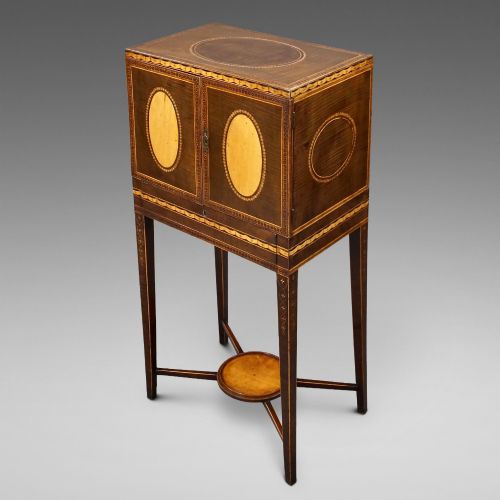
Makers constructed these tables predominantly using solid and veneered mahogany, frequently accented with satinwood, boxwood, and marquetry or inlaid details. Structural stability and decorative surface work rely on traditional cabinet-making techniques suited to fine hardwoods.
Glass panels create the display vitrines, secured within wooden frames and often supported by brass mounts, hinges, and internal velvet or fabric linings designed to cushion displayed objects.
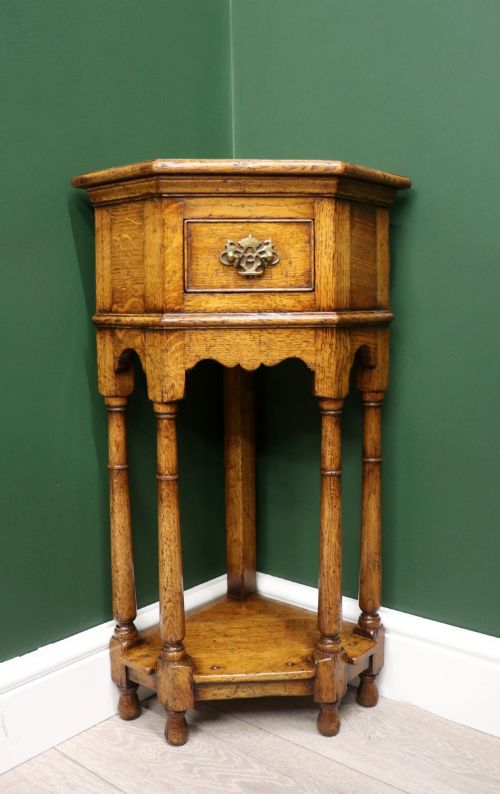
Listings feature mahogany, satinwood, and oak alongside glass and brass, spanning the Victorian and Edwardian eras.
Distinctions in craftsmanship and design
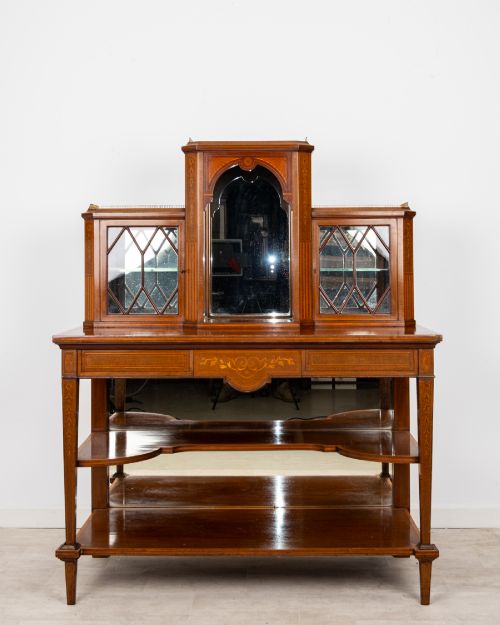
Quality in these tables is determined by the precision of the woodwork, the complexity of the wood selection such as figured mahogany or satinwood, and the finesse of any inlaid marquetry. Finer examples display harmonious proportions, sophisticated outline shapes like serpentine or kidney curves, and refined brass or gilt metal mounts.
The integrity of the glazed compartment, the inclusion of original fabric linings, and the smoothness of any opening mechanisms or hinged lids further separate standard production pieces from superior works.
Liberty and Co·Shoolbred of London·Edwards and Roberts
The Edwardian Display Cabinet Table Glossary
- Bijouterie table
- A glass-topped table specifically constructed for displaying small valuables, jewellery, and curiosities. These pieces feature a glazed compartment set into the table top.
- Vitrine
- A glass-fronted or glass-topped cabinet used for displaying fine objects and porcelain. The term derives from the French word for glass.
- Marquetry
- Decorative veneer work created by fitting together small pieces of different coloured wood, ivory, or shell to form pictorial or geometric patterns. This technique enhances the visual richness of tabletop surfaces.
- Satinwood
- A durable, hard timber with a natural golden sheen, commonly utilised for contrasting inlay work and banding on mahogany furniture during the Edwardian era.
- Serpentine
- A curved shape characterised by a convex centre flanked by concave curves, creating a flowing, undulating outline on table edges.
Edwardian Display Cabinet Table: Frequently Asked Questions
What is an edwardian display cabinet table used for?
These tables were originally created to hold and exhibit delicate personal belongings, collections, jewellery, and curiosities in drawing rooms and reception spaces.
The glass top allowed owners to view their treasured possessions safely without exposing them to dust or handling.
How do I distinguish an edwardian piece from a victorian one?
Edwardian examples generally feature lighter wood tones, more restrained inlay work, and often employ satinwood or boxwood stringing on mahogany frames.
Victorian predecessors tend to be heavier in construction, utilising darker timbers like rosewood or burr walnut with denser carved ornamentation.
Where should I place a display table in my home?
They function effectively as occasional tables, side tables, or centrepieces in living rooms, studies, or hallways where natural light can illuminate the glazed compartment.
Position them away from direct sunlight to protect any sensitive fabric linings or displayed items from fading.
What woods were commonly used for these tables?
Mahogany served as the primary structural timber for the vast majority of these display pieces, often enhanced with contrasting satinwood or harewood veneers.
Other materials recorded in the construction include oak, walnut, and rosewood, paired with brass hardware and glass.