



Edwardian Dining Cutlery
Edwardian dining cutlery brings formal table service to life with sterling silver, silver plate, steel blades, and mother of pearl handles.
Edwardian Dining Cutlery
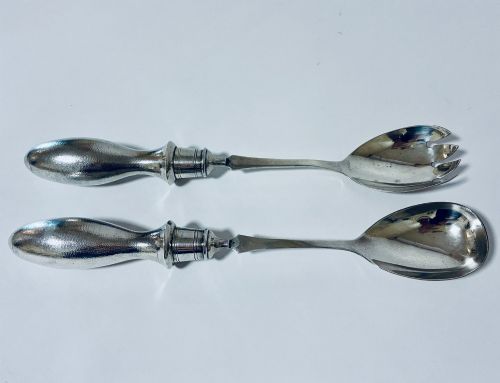
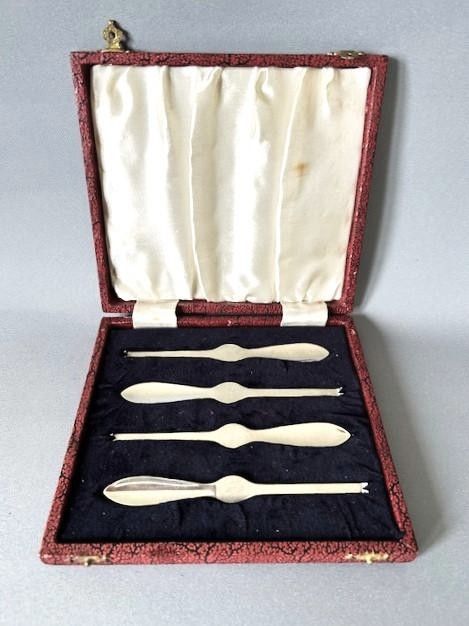
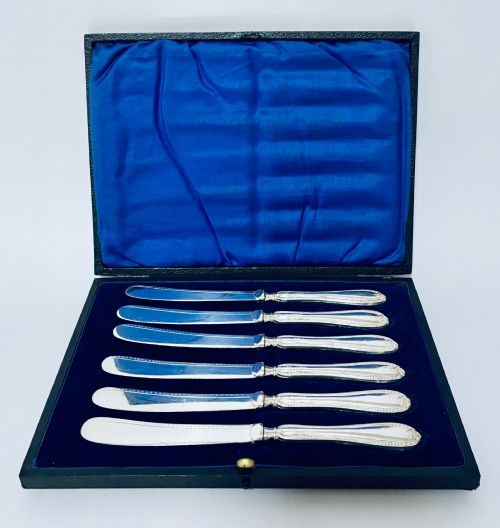
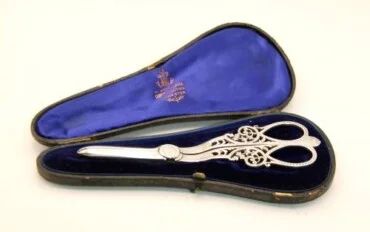
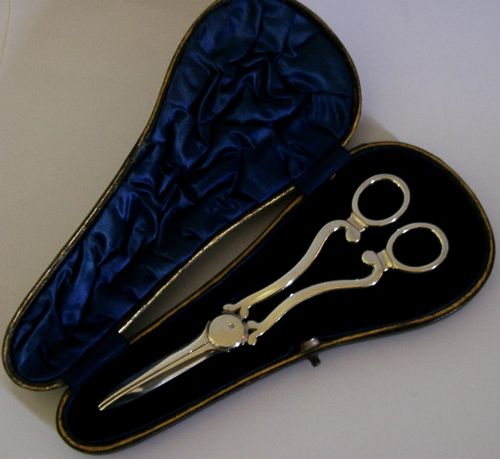
Edwardian dining cutlery encompasses specialised serving implements and cased sets designed for the formal dining table of the early twentieth century. These pieces reflect the elaborate dining habits of the period, ranging from fish servers and grape shears to knife rests and cheese scoops.
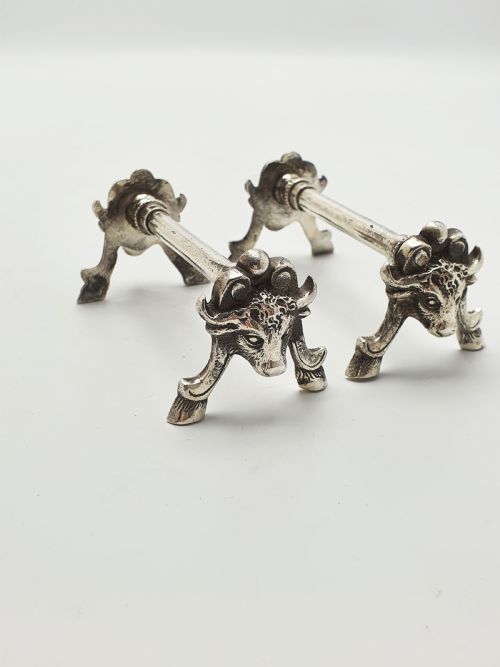
The most common examples encountered on this page include knife rests and fish cutlery sets, often housed in fitted cases. Materials span silver plate, sterling silver, steel, and mother of pearl, reflecting both practical utility and decorative elegance.
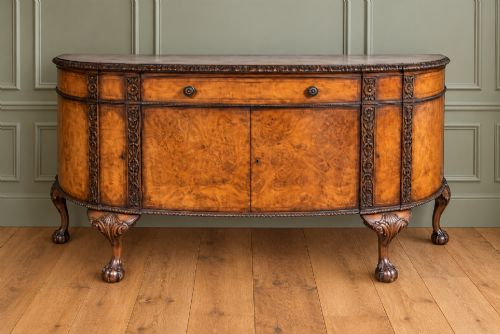
Items associated with this search also connect to wider dining room furnishings, including sideboards and plate buckets. The selection demonstrates the variety of tableware produced during the Edwardian era and surrounding decades.
Materials and Craftsmanship
Metalwork forms the backbone of these pieces, utilising both solid sterling silver and heavy gauge silver plate over a base metal. Steel blades provide the necessary cutting edge for knives, while silver and silver plate shape decorative servers, shears, and rests.
Organic materials such as mother of pearl and antler feature prominently in handles, shaped and riveted to metal shafts. Cut glass and cut crystal also appear in knife rests, demonstrating precision grinding and polishing techniques.
Edwardian Dining Cutlery Retail Price Guide 2026
Typical asking prices for edwardian dining cutlery among the pieces listed under this phrase on Sellingantiques today, from the lower quarter to the upper quarter. They describe what is for sale here now, not the wider market.
Listings show silver plate, sterling silver, mother of pearl, and cut glass utilised across knife rests, fish servers, and grape shears.
Assessing Quality and Manufacture
Quality reveals itself in the thickness of the silver plating and the weight of the metal gauge. Heavier pieces show greater substance in the hand, while finer knife rests display crisp casting detail in motifs such as lions or bull heads.
The integrity of fitted cases and the preservation of natural materials like mother of pearl and antler influence overall desirability. Complete cased sets with matching components command attention for their survival in original condition.
The Edwardian Dining Cutlery Glossary
- Silver Plate
- A thin layer of silver bonded to a base metal core. This technique allowed manufacturers to produce durable dining implements at a lower cost than solid silver.
- Mother of Pearl
- The iridescent inner layer of certain mollusc shells, carved into scales for knife handles. It provided a smooth, decorative grip prized in domestic cutlery.
- Knife Rest
- A small support placed on the table to keep carving or dining knives elevated between courses. They protect tablecloths from stains and wear.
- Fish Servers
- A matched knife and fork combination specifically shaped for serving fish. The wide blade assists in lifting delicate flesh cleanly.
- Stilton Scoop
- A long-handled utensil designed for scooping hard cheeses like Stilton. The half-cylinder blade penetrates the cheese cleanly without crumbling.
Edwardian Dining Cutlery: Frequently Asked Questions
What is included in a fish cutlery set?
A fish cutlery set typically comprises matching knives and forks designed specifically for the fish course at formal meals. The knives feature broad, flat blades with notched edges to separate bones.
These sets often appear in fitted wooden or leather cases, sometimes housing up to thirty-six pieces for large gatherings.
How do I use knife rests?
Knife rests sit beside each setting on the dining table to hold used knives between courses. This keeps the blades off the linen tablecloth and prevents staining.
They are commonly cast in silver plate or cut glass, taking forms from simple bars to sculptural animals.
What distinguishes Edwardian silver from Victorian pieces?
Edwardian silver tends to exhibit lighter, more restrained ornamentation influenced by neoclassical revivals, following the heavy and ornate styles of the late Victorian era. Maker marks and date letters stamped on the metal provide precise verification of the manufacturing year.
Specific assay office marks, such as the anchor for Birmingham, help pinpoint the origin of individual items.