
Edwardian Dining Carver
When you look for an edwardian dining carver, you are seeking a sturdy host's armchair designed to anchor the ends of a dining table with period authority.
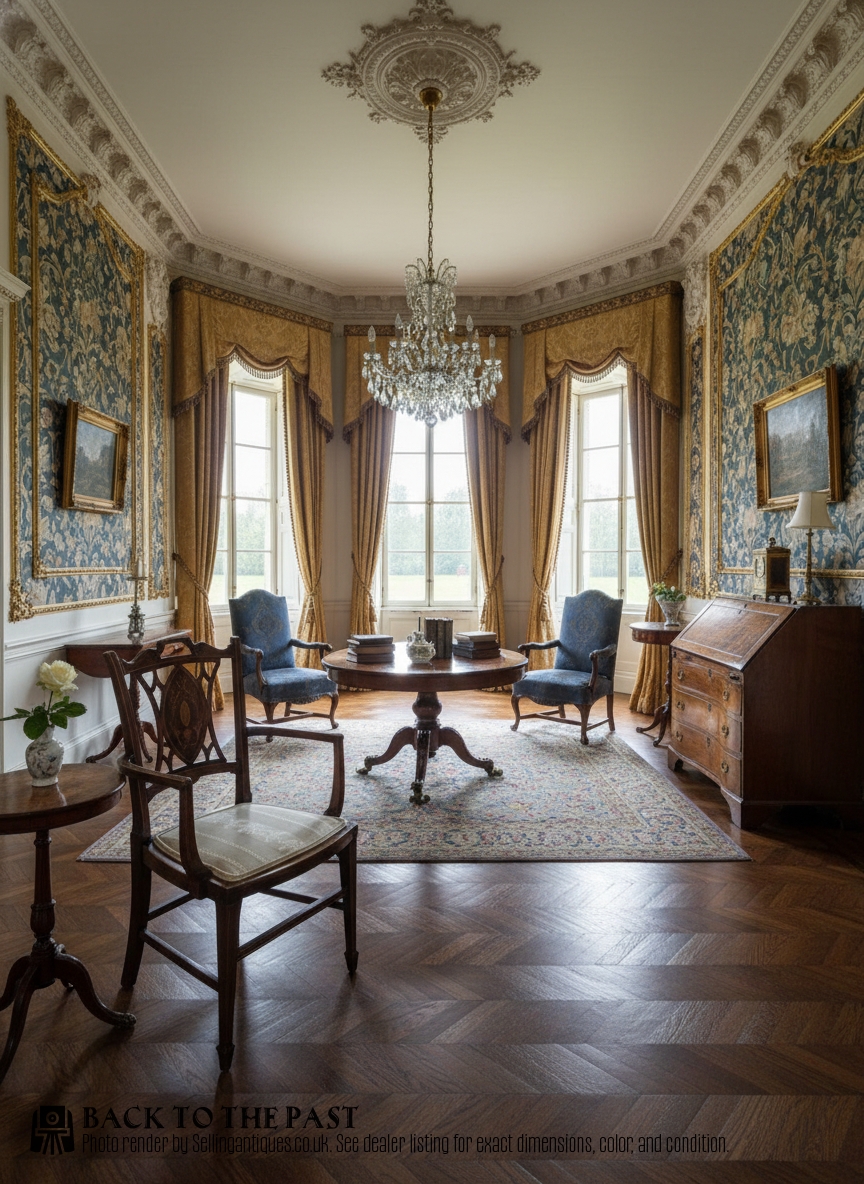
Edwardian Dining Carver
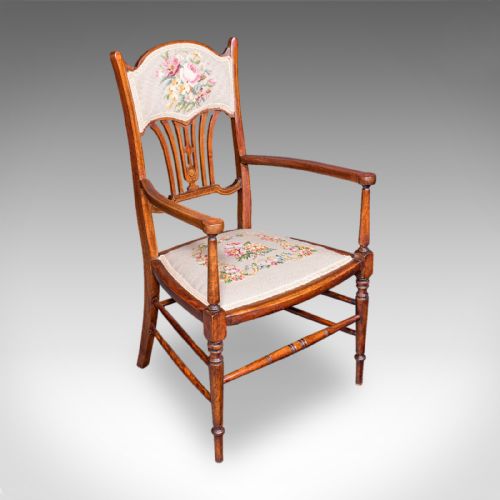
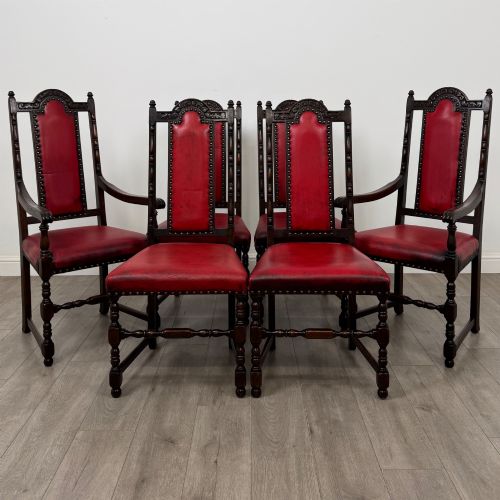
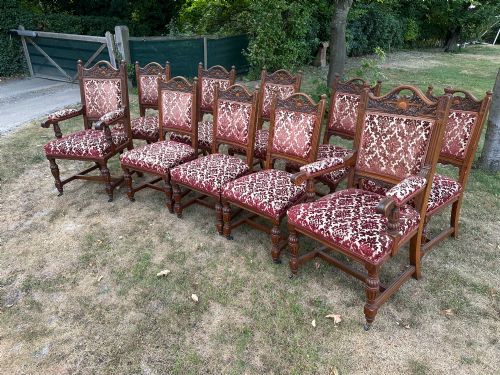
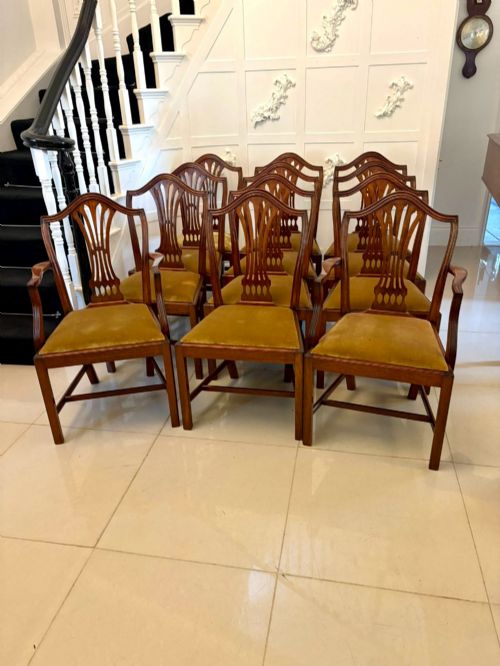
An edwardian dining carver is an armchair traditionally placed at the head of a dining table, featuring supportive armrests that distinguish it from standard dining chairs. The pieces found here span the Edwardian era alongside surrounding periods like the late Victorian and early twentieth century, reflecting a broad appetite for historical revival designs.
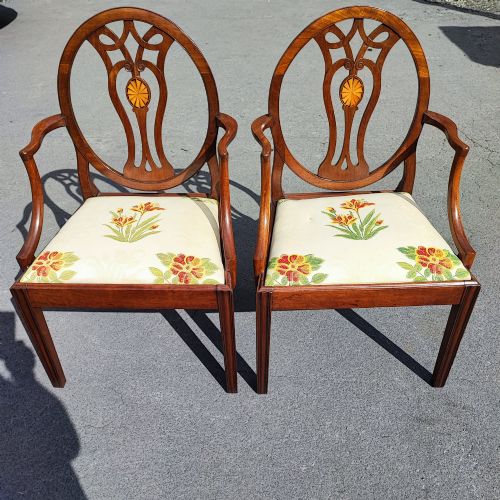
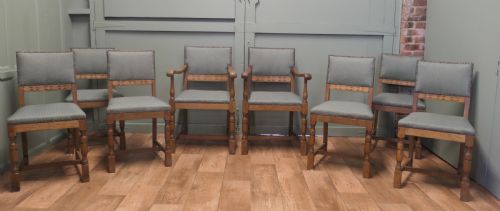
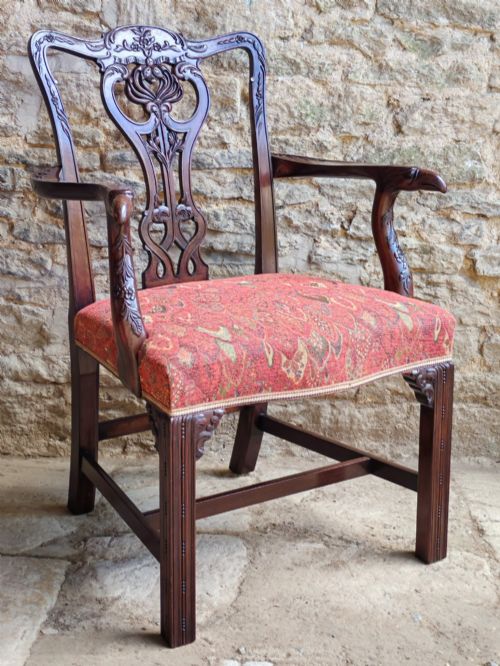
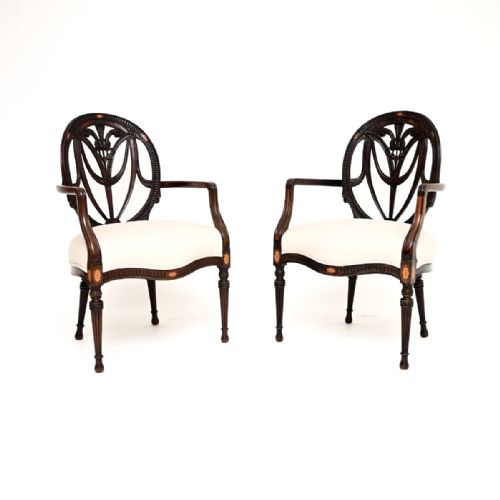
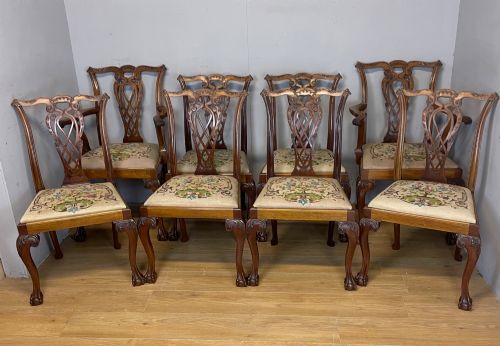
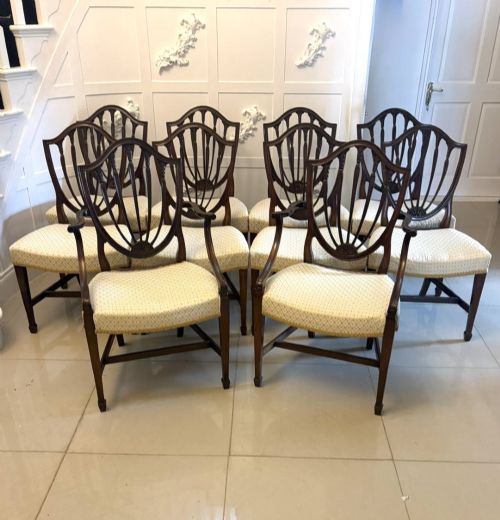
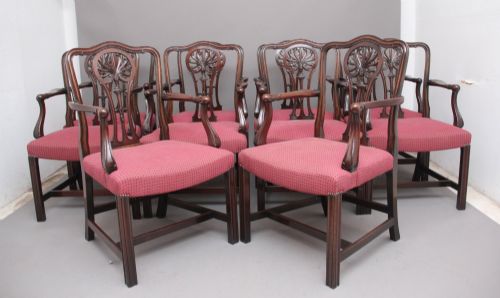
Most examples you will encounter are mahogany or oak, often created as part of a larger suite with matching side chairs. They frequently adopt recognisable historical motifs from earlier centuries, including Chippendale, Hepplewhite, and Sheraton revivals, as well as Arts and Crafts or Art Nouveau expressions.
How they were made
Carpenters constructed these armchairs predominantly from solid mahogany or oak, occasionally incorporating secondary timbers like beech or satinwood for structural elements and decorative stringing. Timber selection governed both the visual weight of the chair and its ability to withstand daily seated use at the dining table.
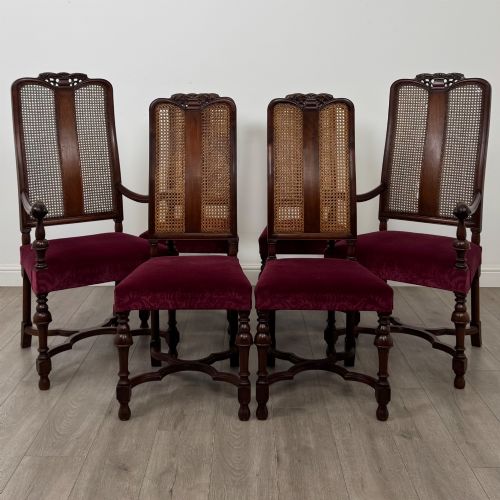
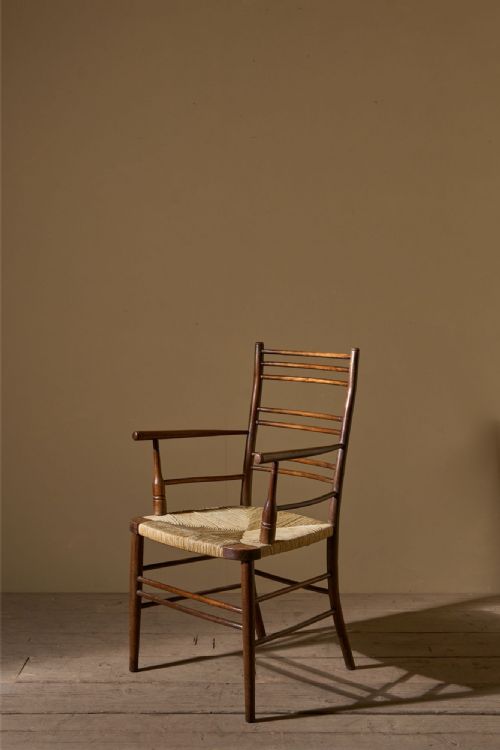
Upholstered versions relied on fabric, leather, or velvet drop-in or padded seats, sometimes secured with brass tacks or paired with woven rush. Wood carving, subtle inlay work, and curved splats or shield backs required skilled hand joinery rather than mass industrial assembly.
Recorded periods span the Edwardian era alongside Victorian and early twentieth-century revivals, encompassing dining chairs, armchairs, and salon seating.
What varies in quality
Quality rests heavily on the depth of the timber selection and the precision of the joinery in the arm supports and leg joints. Fine examples display crisp hand-carved details and careful matching of grain patterns across a set, whereas simpler workshop pieces rely on plain turned members and standard commercial construction.
The integrity of the original upholstery platform and the survival of distinct decorative elements, such as intricate satinwood inlay or well-defined splats, dictate how successfully a piece holds its historical character over time.
Howard and Sons·Warings·Maple and Co·Alfred Allen of Birmingham·Cowtan and Sons·Waring and Gillow
The Edwardian Dining Carver Glossary
- Carver
- An armchair designed to match a set of dining chairs, traditionally used by the host at the head of the table. These chairs feature supportive armrests integrated into the frame.
- Shield back
- A chair back shaped in the outline of a heraldic shield, popularised in the eighteenth century and revived during the Edwardian period. This design often incorporates pierced wooden splats.
- Splath
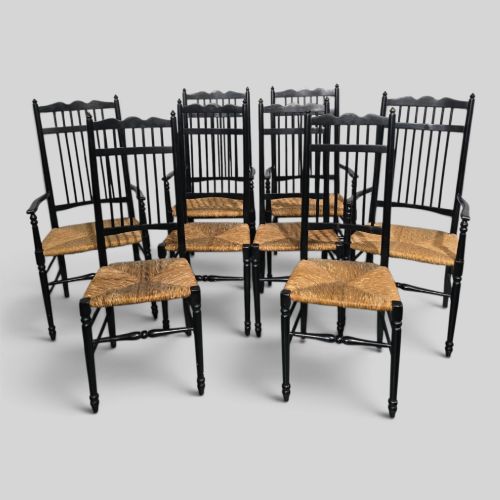
- A vertical strip of wood down the centre of a chair back connecting the seat to the top rail. In revival pieces, these take forms ranging from ladderback slats to carved urn motifs.
- Rush seat
- A seating surface woven from dried marsh rushes, commonly found on Arts and Crafts and country dining chairs. This technique provides a textured, resilient surface without upholstery stuffing.
Edwardian Dining Carver: Frequently Asked Questions
Are carvers sold individually or in sets?
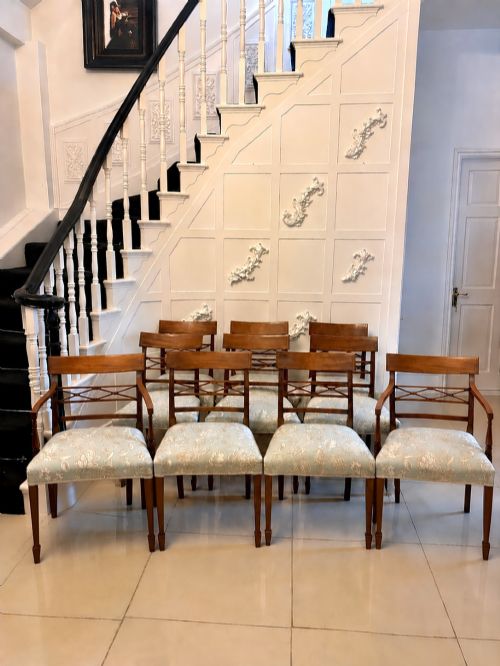
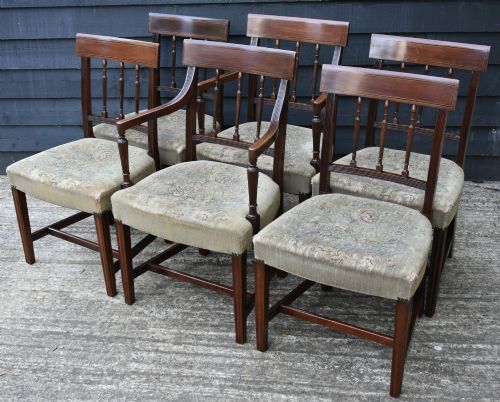
Most dining carvers appear either as pairs to flank a larger dining arrangement or as part of matched sets alongside side chairs. Buyers frequently acquire them to complete an existing set of chairs or to use as standalone desk seats.
Finding a single carver is common when looking for a statement armchair for a hallway or bedroom rather than a full dining suite.
How do I spot a revival style?
Revival pieces combine earlier historical silhouettes, such as the shield backs of Hepplewhite or the cabriole legs of Queen Anne, with the tighter timber grading typical of later workshops. Cabinetmakers of the period deliberately copied these classical proportions to satisfy contemporary demand for traditional dining furniture.
Examining the construction of the seat frame and the condition of the wood helps distinguish an early twentieth-century revival from an original eighteenth-century piece.
Can I mix carvers with different chairs?
Mixing a carver with different chairs depends on matching the primary timber, such as mahogany or oak, and ensuring the general height of the armrests clears the underside of your dining table. Many period dining sets naturally paired a pair of armchairs with six or eight side chairs.
Paying attention to the historical style, whether Arts and Crafts or Chippendale revival, keeps the overall room cohesive.
What materials were used for seats?
Dining carvers typically featured either solid wood seats, woven rush, or upholstered pads covered in leather, velvet, or fabric. Upholstered versions often utilised brass tacks to secure the material to the wooden frame.
Over the decades, many padded seats have been re-covered to suit modern interiors while retaining the underlying wooden structure.