

Edwardian Diamond Pearl Jewellery
Edwardian diamond pearl jewellery brings together the delicate platinum work and lustrous organic gems characteristic of the early twentieth century.
Edwardian Diamond Pearl Jewellery
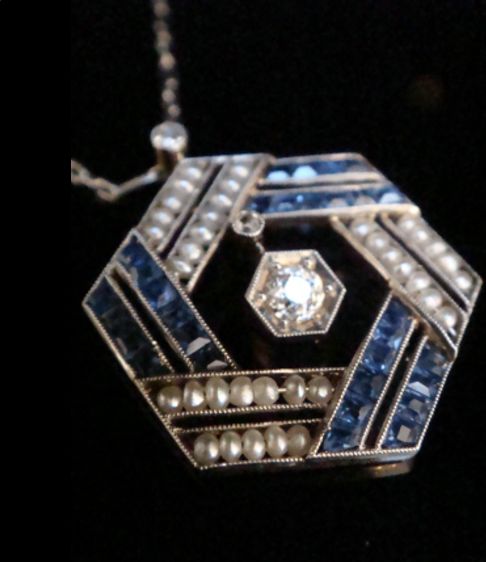
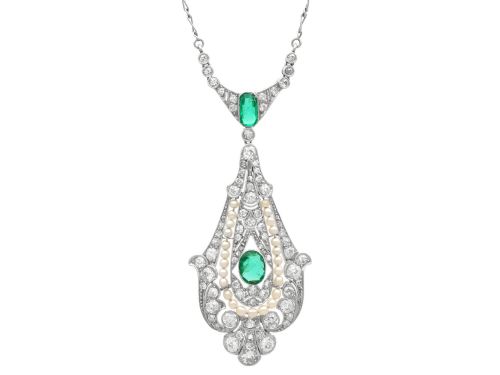
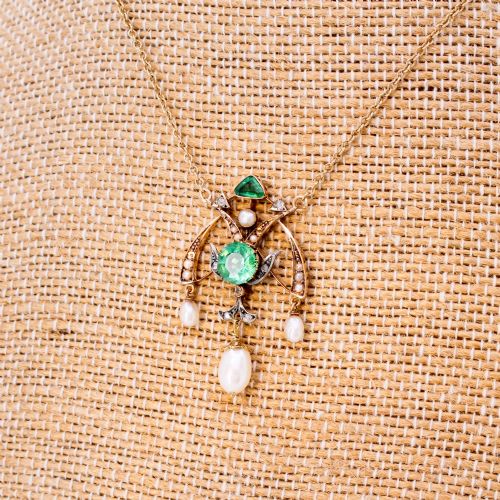
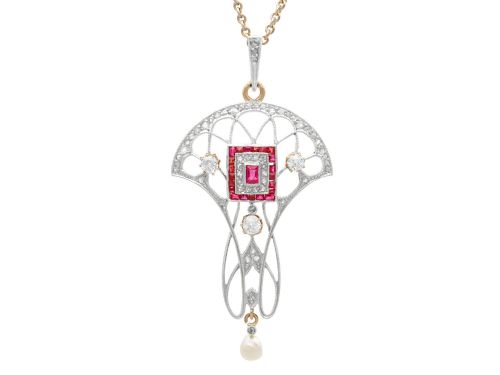
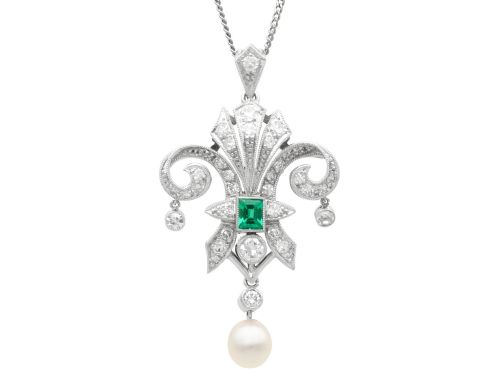
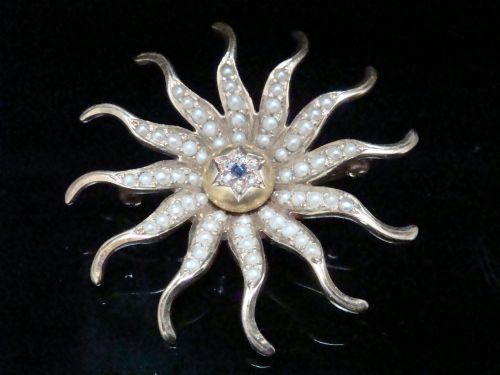
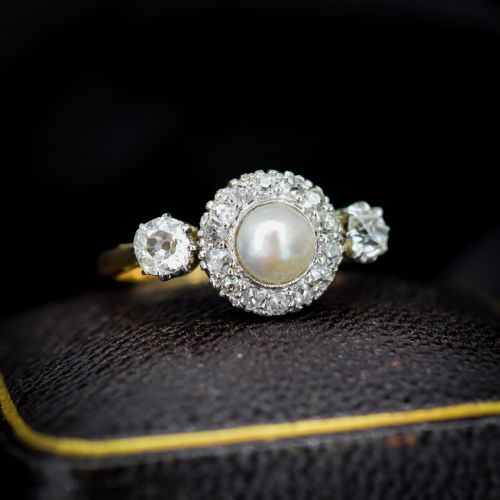
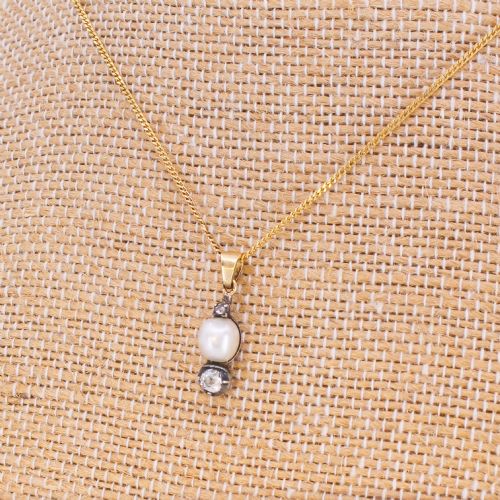
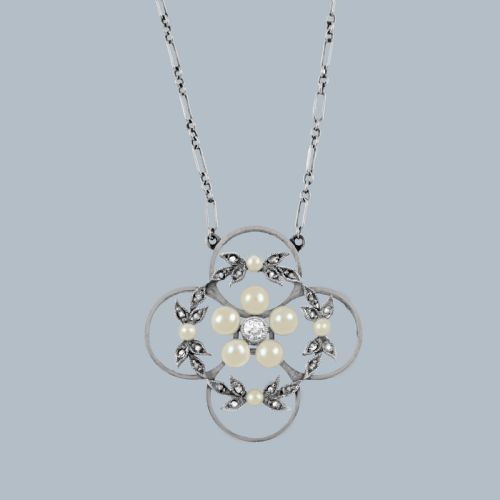
Edwardian diamond pearl jewellery encompasses rings, necklaces, pendants, and brooches created around the turn of the twentieth century. Pendants and cluster rings featuring old-cut diamonds alongside natural pearls form the bulk of the pieces met here.
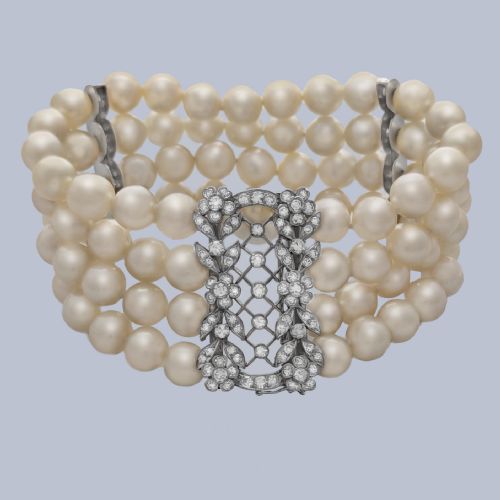
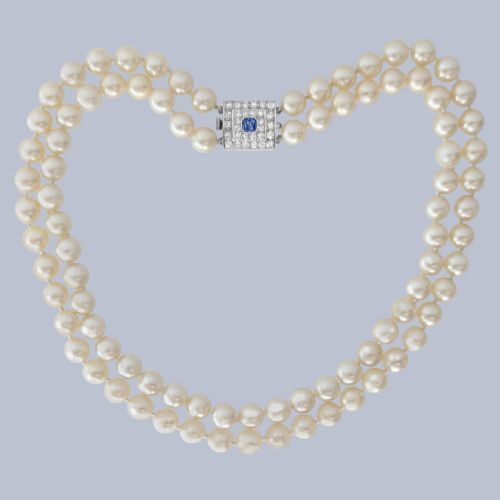
The aesthetic bridges late Victorian weight and the flowing curves of Art Nouveau, leaning heavily into lightness and intricate openwork. Items span from multi-strand pearl bracelets with diamond clasps to intricate drop earrings and bar brooches.
Materials and construction methods
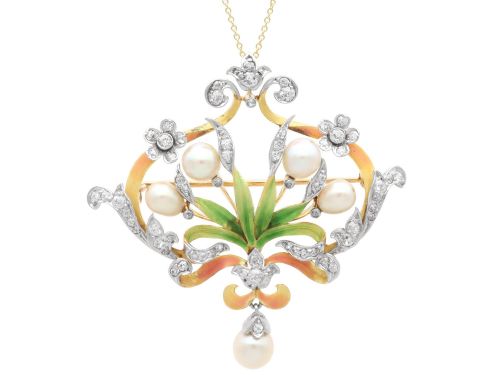
Platinum emerged as the dominant metal for mounting diamonds securely while maintaining minimal visible weight, often paired with yellow or white gold and silver foliate mounts. Old-cut and rose-cut diamonds are set alongside natural saltwater and freshwater pearls.
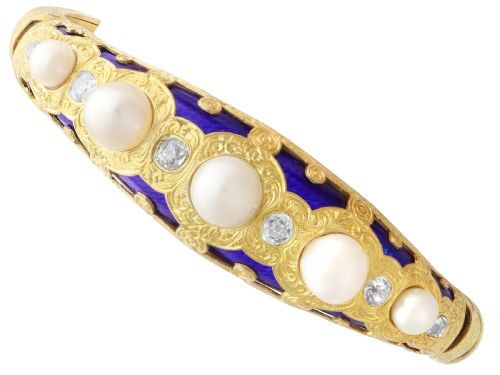
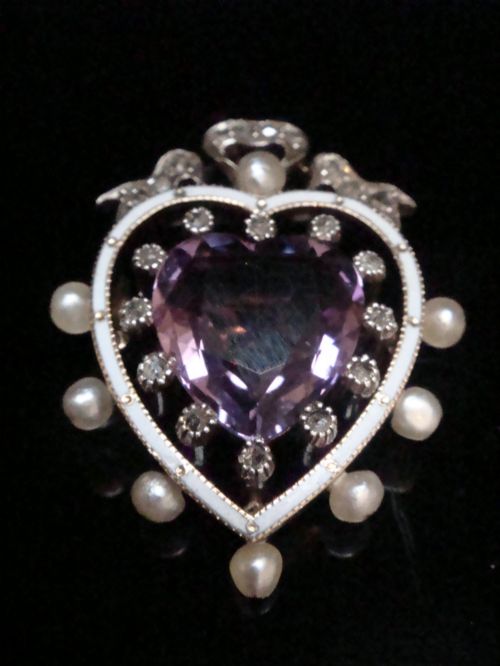
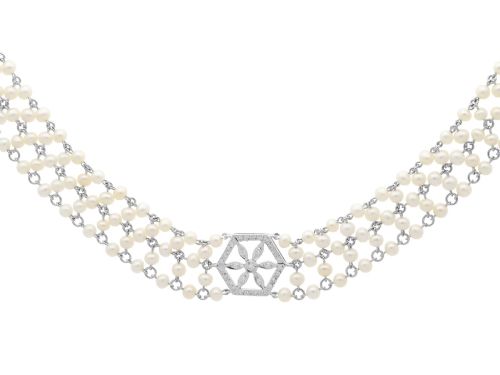
Craftsmen utilised guilloche enamel, delicate wirework, and cluster settings to build depth and contrast. Pearls were strung securely, sometimes complemented by seed pearls or blister pearls in multi-strand configurations.
Edwardian Diamond Pearl Jewellery Retail Price Guide 2026
Typical asking prices for edwardian diamond pearl jewellery among the pieces listed under this phrase on Sellingantiques today, from the lower quarter to the upper quarter. They describe what is for sale here now, not the wider market.
Listings feature pieces spanning from the Victorian era through the Edwardian period and into the Art Deco years, predominantly utilising diamond, pearl, and platinum.
Distinctions in quality
Quality rests upon the natural origin and matching of the pearls, alongside the cut and brilliance of the diamond work. Pieces featuring certified natural saltwater pearls set in platinum demonstrate superior craftsmanship compared to later or mixed-metal variants.
The finesse of the openwork metal mounts and the preservation of original enamel or clasp mechanisms elevate certain items above standard production. Balance in design and proportion distinguish the finest jewellers' output of the period.
The Edwardian Diamond Pearl Jewellery Glossary
- Old-cut diamond
- A hand-faceted diamond cut prior to the modern brilliant style, typically featuring a smaller table and a higher crown. These stones exhibit a softer, warmer scintillation under candlelight.
- Natural pearl
- A pearl formed organically within a mollusc without human intervention, unlike cultured variants. Natural saltwater examples are especially prized in antique pieces.
- Guilloche enamel
- A decorative technique where a precise geometric pattern is engraved into metal beneath a translucent enamel layer. This creates a lustrous, rippled colour effect.
- Platinum
- A dense, durable white metal that gained popularity during the Edwardian era. Its strength allowed jewellers to create remarkably fine, lace-like settings without risking stone loss.
- Rose-cut diamond
- A diamond cut with a flat base and a domed crown faceted into triangles. It offers a subtle, translucent glow rather than intense brilliance.
Edwardian Diamond Pearl Jewellery: Frequently Asked Questions
How do I care for Edwardian pearl jewellery?
Pearls are organic gems that require gentle handling and benefit from being stored away from hard metals. Wipe them clean with a soft cloth after wearing and avoid contact with cosmetics or perfumes.
Because many pieces are strung on older silk threads, periodic restringing ensures the security of multi-strand bracelets and necklaces during regular wear.
Are these pearls natural or cultured?
The pearls found in these Edwardian pieces are predominantly natural, originating from saltwater or freshwater molluscs before cultured pearls became commercially widespread in the 1920s. Certification often confirms their natural growth.
Lustre and surface characteristics help distinguish these historical organic gems from modern treated alternatives.
What metal is most common in Edwardian mounts?
Platinum became the defining metal of the Edwardian period, valued for its strength in supporting intricate diamond settings. Yellow gold and white gold also appear frequently, sometimes paired together in the same piece.
Silver was occasionally utilised for specific foliate mounts on early drop earrings and brooches.
How can I tell an Edwardian piece from a Victorian one?
Edwardian pieces generally favour lighter, airier platinum mountings and whiter colour palettes, moving away from the heavier gold and dark gemstones typical of mid-Victorian designs. Diamond and pearl clusters with delicate openwork platinum wire are classic markers of the Edwardian aesthetic.
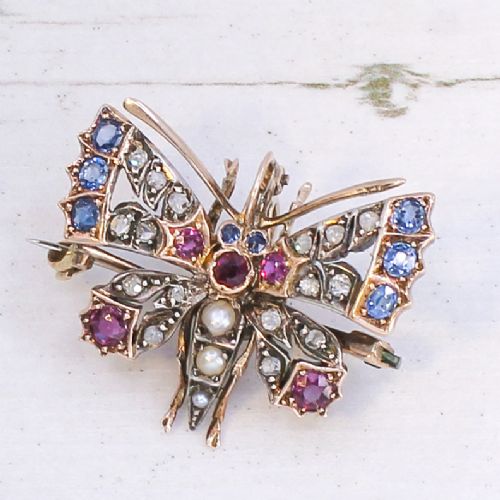
Victorian items tend to use lower-carat yellow gold or silver-topped gold, often displaying bolder or more symbolic motifs like serpents and butterflies.