



Vintage Pearl Wristlet
These vintage pearl wristlet pieces combine pearls with gold, silver, diamond, and marcasite across eras from the nineteenth century to the mid-twentieth.
Vintage Pearl Wristlet
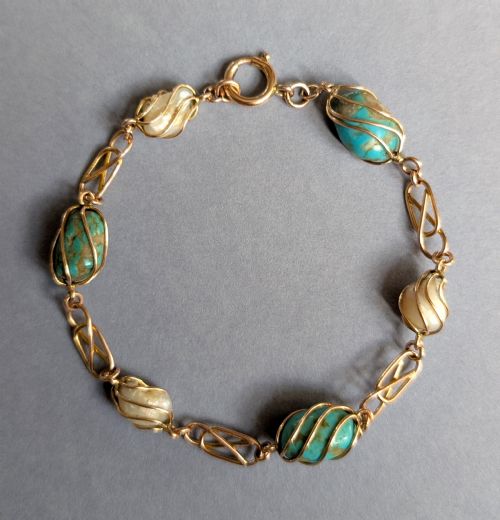
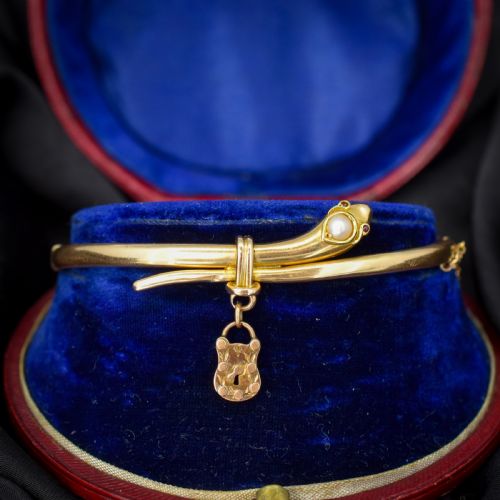
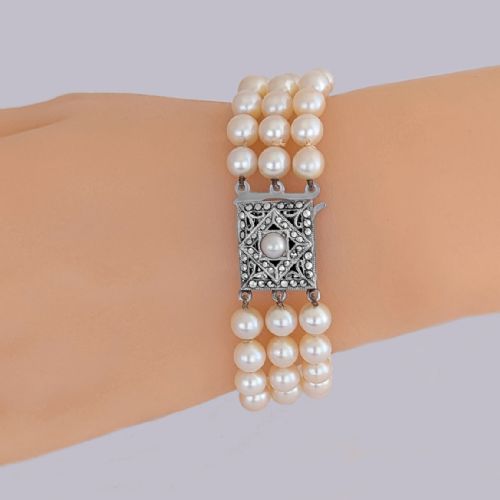
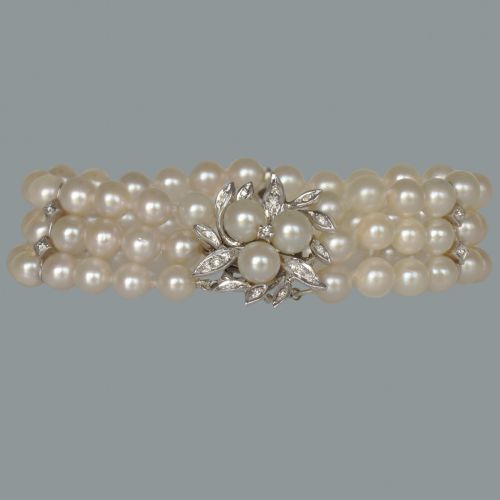
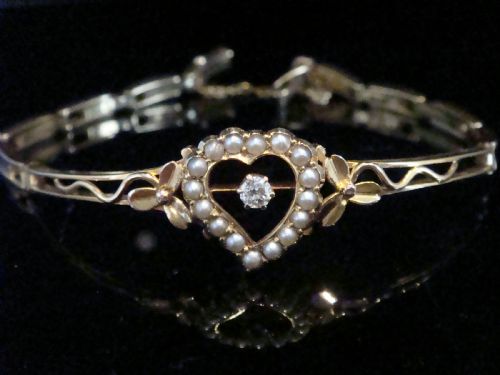
A vintage pearl wristlet encompasses delicate bracelets featuring pearls alongside seed pearls and cultured varieties set in gold and silver. Buyers seeking a vintage pearl wristlet will encounter forms ranging from Victorian serpent bangles and Edwardian diamond mountings to Art Deco silver links and mid-century triple strands.
The materials span nineteenth-century yellow and rose gold, sterling silver, and platinum alongside gemstones like turquoise, aquamarine, sapphire, and marcasite. Pieces arrive from periods including the Victorian era, the Edwardian years, and the 1920s to the 1950s.
Materials and construction
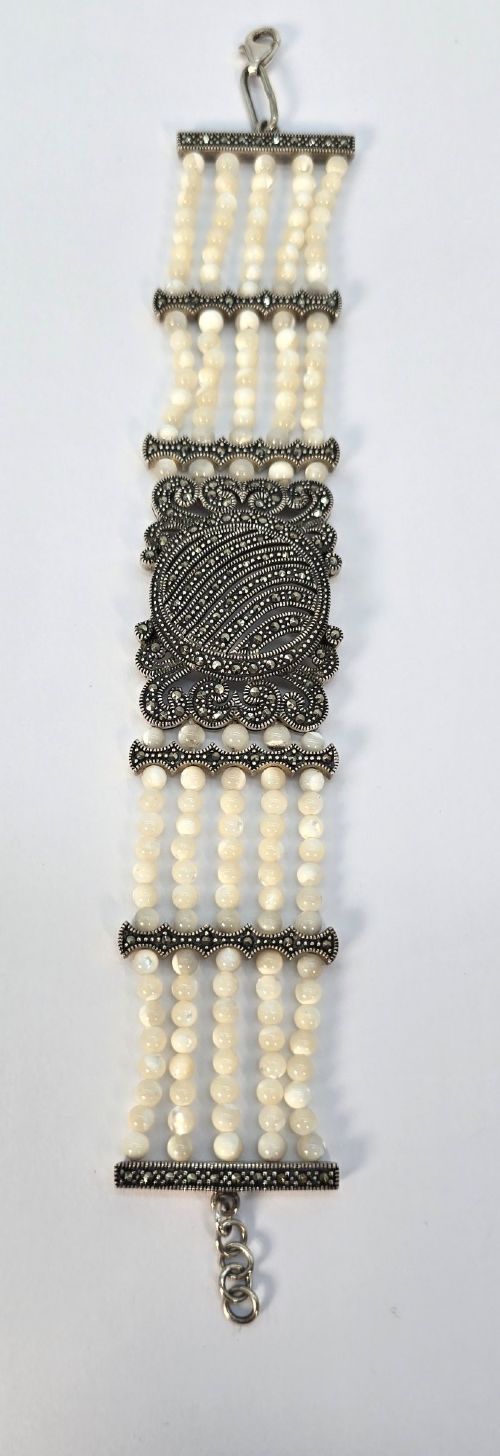
Goldsmiths utilised fifteen-carat and nine-carat rose and yellow gold alongside eighteen-carat gold and sterling silver to mount pearls, seed pearls, and mother of pearl. Gemstones such as diamonds, sapphires, aquamarines, and turquoise are integrated alongside marcasite crystals.
Construction techniques include multi-strand stringing secured by clasps in silver and gold, alongside solid hinged bangle formats depicting serpents or floral motifs.
Vintage Pearl Wristlet Retail Price Guide 2026
Typical asking prices for vintage pearl wristlet among the pieces listed under this phrase on Sellingantiques today, from the lower quarter to the upper quarter. They describe what is for sale here now, not the wider market.
Assessing quality and finish
Quality rests upon the selection of the pearls, whether cultured or seed pearls, and the proportional setting of accent stones like diamonds and sapphires. Finer examples display meticulous claw or bezel settings in higher-carat gold or detailed marcasite-set silver.
The integrity of the original boxes and the structural preservation of multi-strand arrangements or hinged bangle mechanisms distinguish exceptional examples from standard pieces.
The Vintage Pearl Wristlet Glossary
- Seed pearl
- Very small natural pearls traditionally used in intricate cluster and floral jewellery designs. They require delicate handling due to their diminutive size.
- Marcasite
- Small faceted pyrite stones polished and set in silver to imitate the sparkle of cut steel or diamonds. Popular during the Art Deco period.
- Cultured pearl
- Pearls formed with human assistance by inserting an irritant into an oyster or mollusc. They appear in mid-century multi-strand bracelets.
- Serpent bangle
- A flexible or rigid bracelet shaped like a snake, symbolising eternity in Victorian jewellery. They frequently incorporate pearl eyes or head details.
Vintage Pearl Wristlet: Frequently Asked Questions
How do I date a pearl bracelet?
Dating relies upon examining the metal purity marks, the gemstone cuts, and the overall manufacturing style. Victorian pieces often use fifteen-carat gold and serpent motifs, whereas mid-century examples feature cultured pearls with sterling silver clasps.
Clasp mechanisms and original presentation boxes also provide clear chronological markers for Edwardian and Art Deco designs.
Are seed pearls fragile?
Seed pearls are delicate because of their tiny size and historical mounting techniques. They require gentle care and should be kept away from harsh chemicals and ultrasonic cleaners.
Storing them flat prevents undue tension on the original stringing materials used within antique bracelets.
What is the difference between seed pearls and cultured pearls?
Seed pearls are exceptionally small natural saltwater pearls used extensively in Victorian and Edwardian cluster designs. Cultured pearls are grown with human intervention and became prominent by the mid-twentieth century.
Cultured pearls typically appear in uniform multi-strand configurations rather than tiny clustered arrangements.