



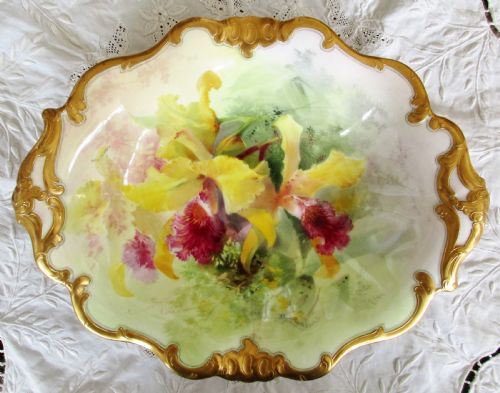
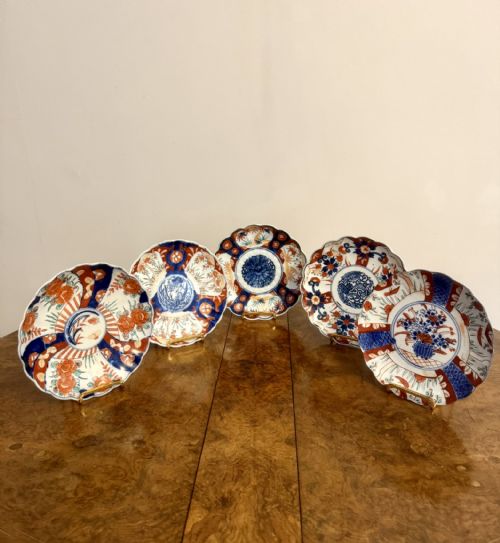
Edwardian Decorative Dish
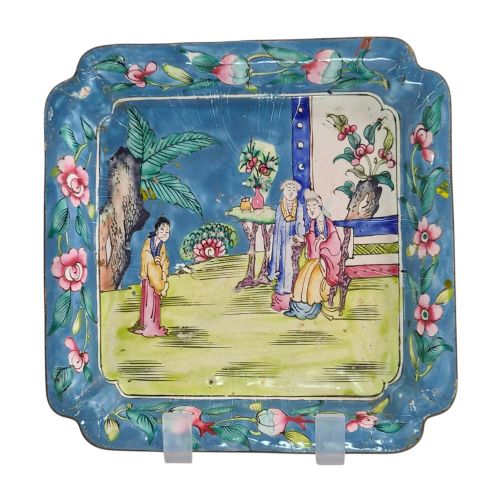
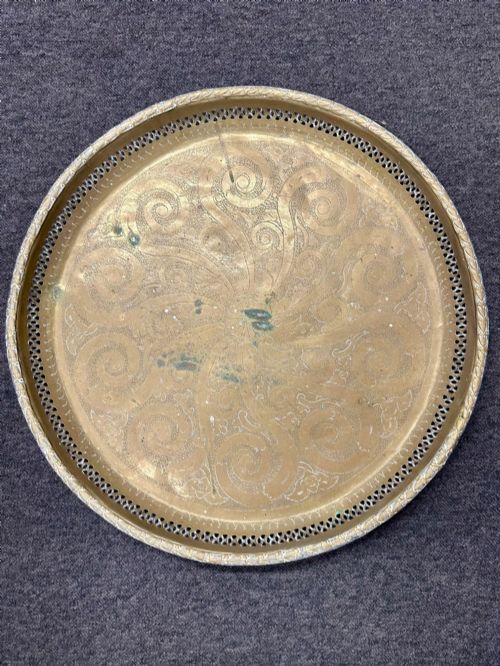
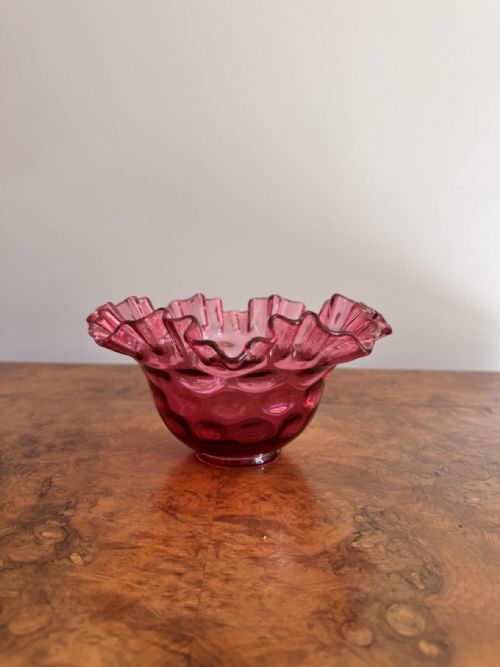
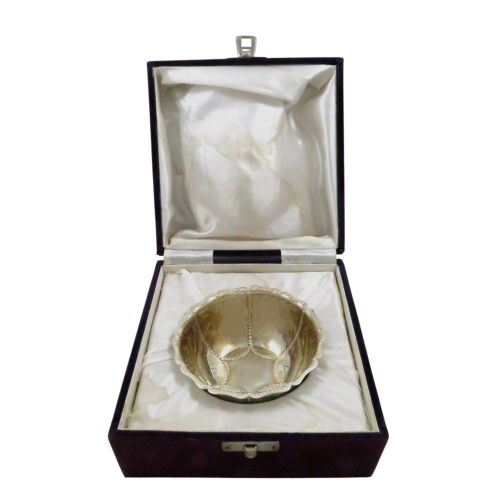
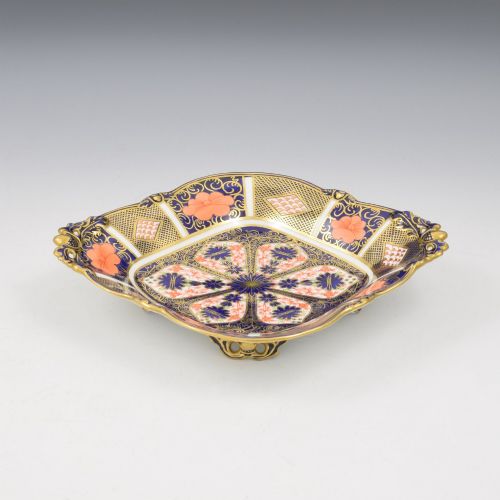
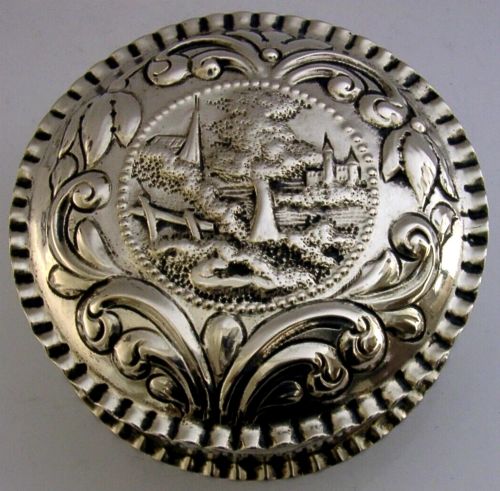
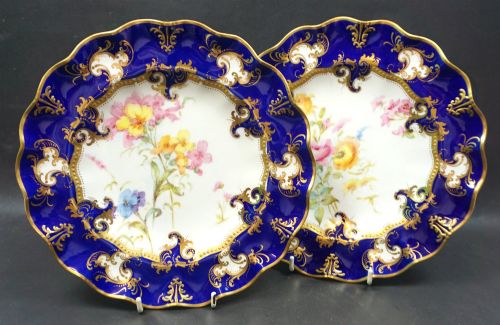
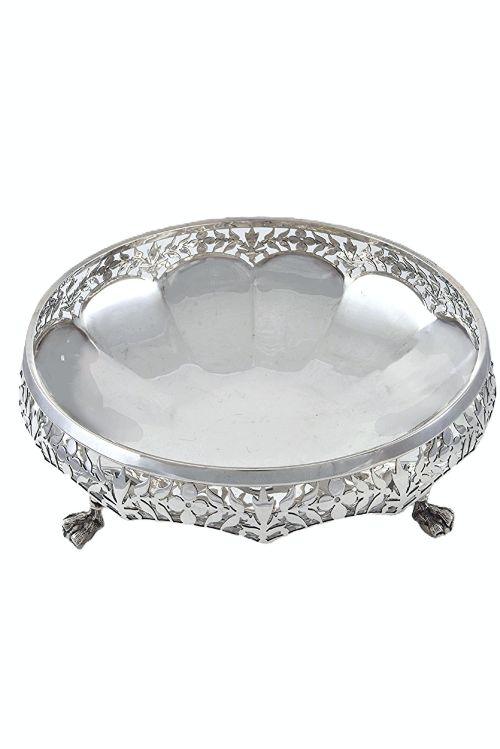
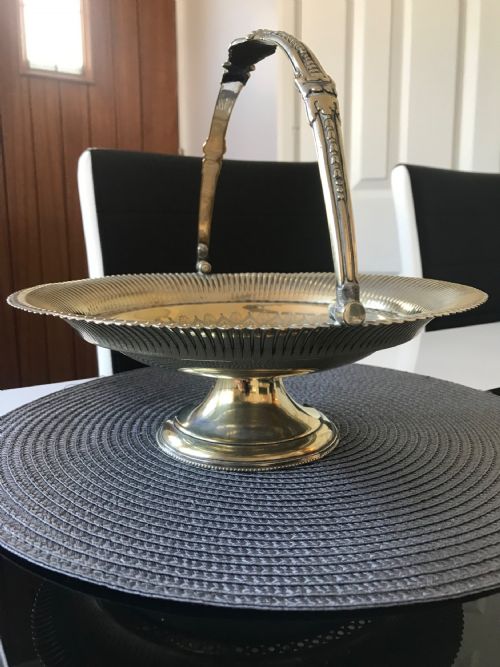
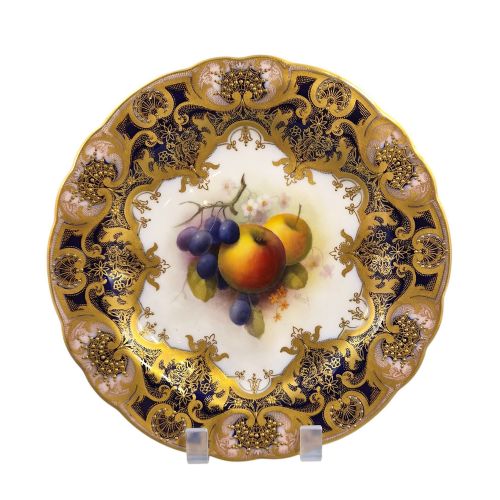
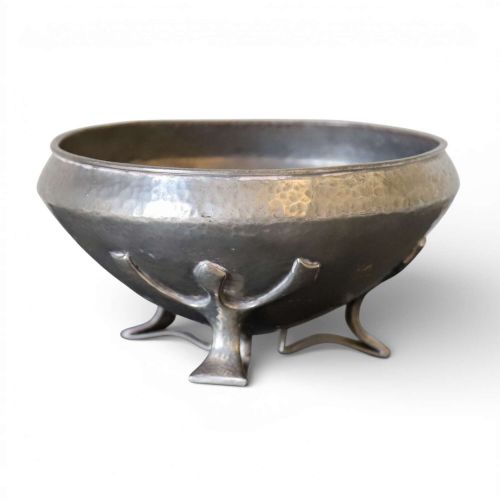
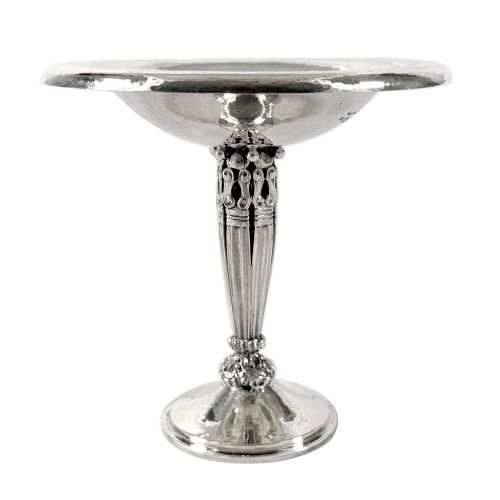
These pieces are an edwardian decorative dish, brought out to catch the eye on a table or cabinet.
Edwardian Decorative Dish
An edwardian decorative dish usually takes the form of a cabinet plate, serving dish, or small bowl intended for display rather than heavy domestic service.
Most examples encountered here date from the early decades of the twentieth century, with styles drawing upon Art Nouveau, Arts and Crafts, and traditional floral painting.
Makers ranged from large English porcelain potteries to independent metalworkers producing copper trays and pewter bowls.
How They Were Made
Pottery and porcelain items utilise hand-painted glazes, transfer printing, and rich gilding fired in kilns to achieve vibrant surface colour.
Metal vessels combine techniques like piercing, hammering, and engraving in brass, copper, and silver, often set with enamel cabochons.
Glass pieces rely on mould-blowing and deep cutting to catch the light across intricate geometric or floral patterns.
Edwardian Decorative Dish Retail Price Guide 2026
Typical asking prices for edwardian decorative dish among the pieces listed under this phrase on Sellingantiques today, from the lower quarter to the upper quarter. They describe what is for sale here now, not the wider market.
Listings feature porcelain, bone china, copper, brass, and silver from the Edwardian era alongside Arts and Crafts and Art Nouveau designs.
What Varies in Quality
Quality rests upon the skill of the hand-painting and the crispness of the casting or chasing on metalwork rather than mere weight.
Pricier items bear the signatures of notable artists or originate from esteemed workshops, showing finer detail in every brushstroke.
Royal Crown Derby·Royal Worcester·Liberty and Co·Wedgwood·Royal Doulton
The Edwardian Decorative Dish Glossary
- Cabinet plate
- A decorative plate intended for display in a cabinet or on a wall rather than for dining. These often feature elaborate hand-painted scenes.
- Lustre ware
- Pottery finished with a metallic glaze that creates an iridescent sheen. It reflects light in changing colours.
- Imari
- A style of Japanese porcelain featuring deep cobalt blue and iron red combined with gold. European potteries frequently copied these bold motifs.
- Tazza
- A shallow bowl or dish raised on a pedestal foot. It serves to elevate fruit or decorative items on a table.
Edwardian Decorative Dish: Frequently Asked Questions
What was an edwardian decorative dish used for?
These pieces served primarily as ornamental items in drawing rooms and dining parlours, displayed on sideboards or hung on walls.
They also held visiting cards, small fruits, or sweets when guests called.
How do I care for antique ceramic dishes?
Keep them out of direct sunlight to prevent fading on hand-painted enamel and gilt surfaces.
Wash them only by hand in lukewarm water without harsh detergents when cleaning becomes necessary.
How can I tell an Edwardian piece from a Victorian one?
Edwardian designs tend to favour lighter, airier pastel palettes and flowing Art Nouveau curves compared to heavy Victorian ornamentation.
Maker marks and registration numbers stamped on the base often pinpoint the exact year of manufacture.
Are metal dishes safe for food use?
Most antique copper, brass, and pewter dishes carry protective lacquers or historical tarnish that makes them unsuitable for serving acidic foods.
Treat them strictly as decorative cabinet pieces rather than functional tableware.