



Edwardian Cut Crystal Pitcher
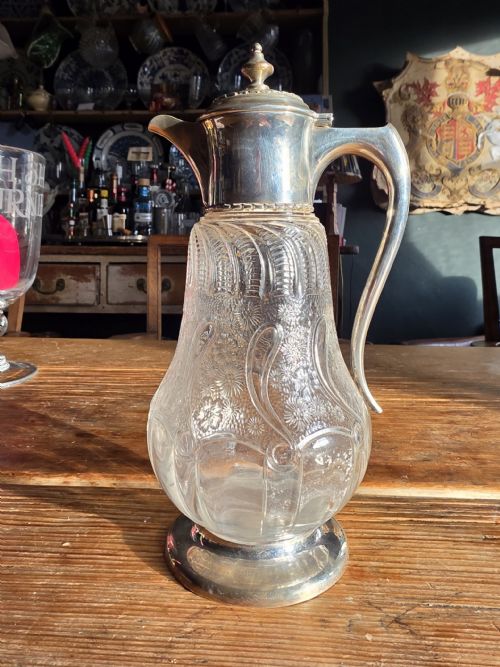
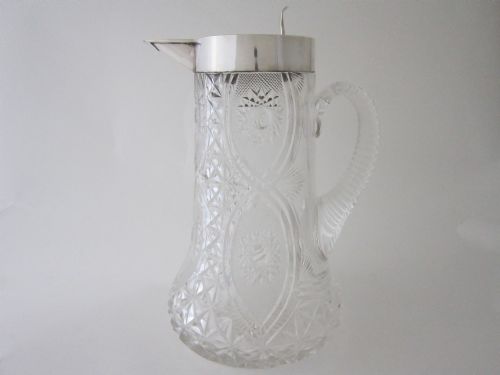
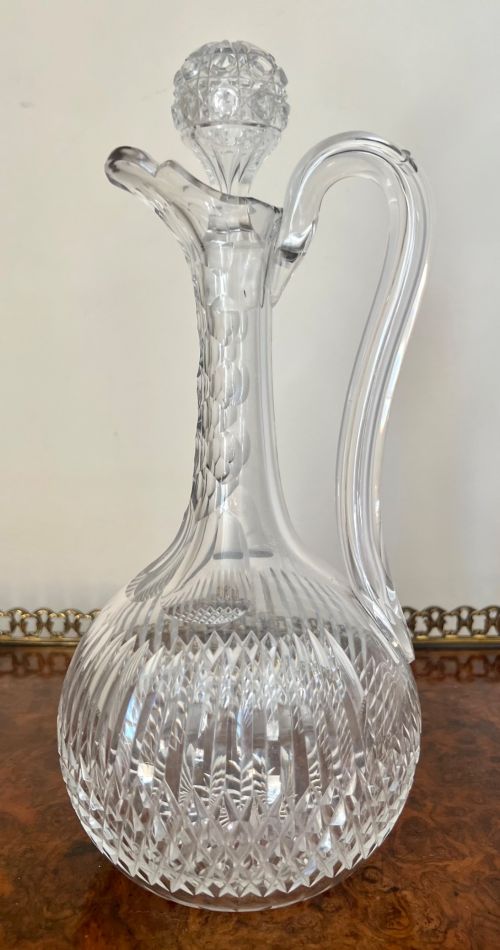
An edwardian cut crystal pitcher brings heavy refraction and polished metal mounts to the table, designed for serving wine or water with formal weight.
Edwardian Cut Crystal Pitcher
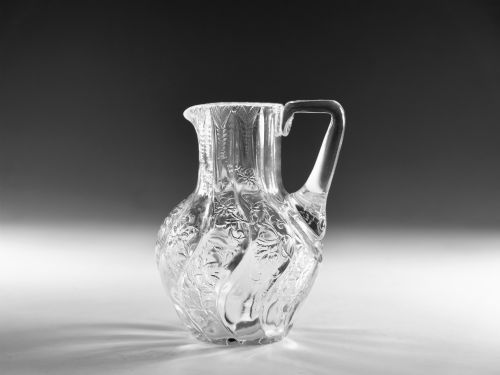
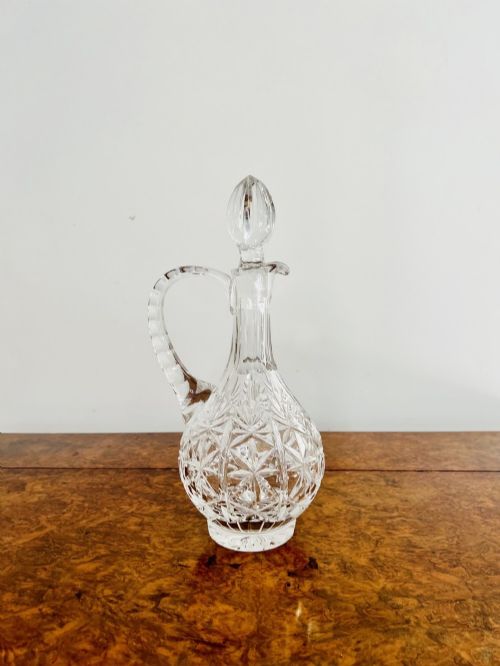
An edwardian cut crystal pitcher serves as a functional vessel for wine, claret, water or cocktails, combining heavy glass bodies with metal hardware. When you search for this phrase, you encounter forms that double as claret jugs, ewers, decanters and water pitchers spanning the Edwardian era, Victorian period and George V reign.
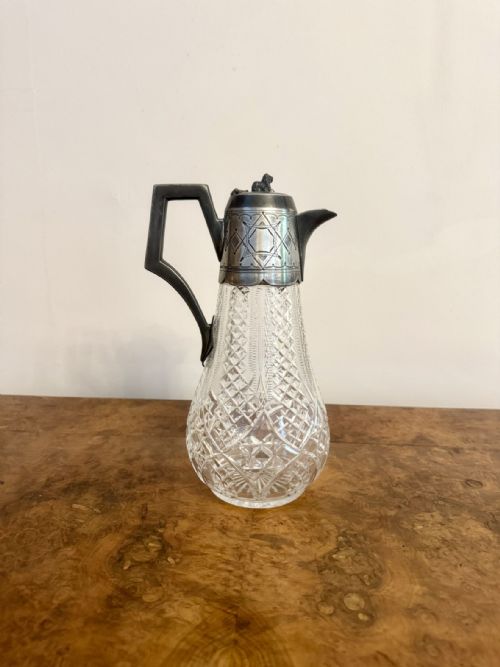
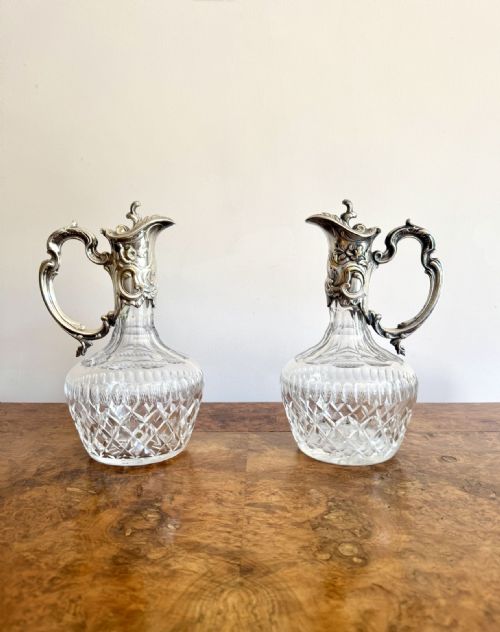
The most common versions on this page are Edwardian cut glass and crystal jugs fitted with silver plate or sterling silver mounts, often featuring hinged lids and integral handles. Pieces from this grouping range from straightforward serving jugs to elaborately wheel-engraved glassware services and silver-mounted cocktail pitchers.
What varies in quality
The distinction between standard vessels and finer examples rests on the depth and crispness of the glass cutting, alongside the weight and purity of the metal mounts. Sharp, clean facets on heavy lead crystal command more attention than shallow pressing or thin glass blanks.
The integration between the metal collar and the glass body also dictates overall refinement, where tight fitting silver work and well-balanced handles elevate the piece.
Object forms span claret jugs, ewers, carafes, and multi-piece drinking services.
William Comyns·Stevens and Williams·Webb Corbett·Gorham
The Edwardian Cut Crystal Pitcher Glossary
- Claret Jug
- A specialised pouring vessel designed specifically for serving red wine, typically fitted with a hinged metal cover and handle.
- Ewer
- A large jug with a wide-spouted mouth and a bulbous body, historically used for pouring water or wine at the table.
- Lead Crystal
- Glass manufactured with a high lead oxide content, providing increased weight, brilliance and softness for deep cutting.
- Rock Crystal
- A term used in period manufacturing to describe highly transparent, colourless quartz or high-clarity glass carved with intaglio motifs.
- Silver Plate
- A base metal substrate coated with a thin layer of silver, commonly utilised for the mounts, handles and lids of Edwardian jugs.
Edwardian Cut Crystal Pitcher: Frequently Asked Questions
How do I clean an edwardian cut crystal pitcher?
Wash the vessel by hand using warm water and a mild detergent, avoiding sudden temperature changes that can stress old lead crystal. A soft bottle brush helps clear narrow necks without scratching the interior cut facets.
Polish the silver or silver-plated mounts separately with a non-abrasive cloth, keeping polish away from the glass to preserve the clarity of the cut patterns.
Can I use these pitchers for serving drinks today?
These pieces function properly for serving water, wine or cocktails at the table, provided the interior shows no chemical hazing or staining from past contents. The sturdy lead crystal and secure metal mounts remain entirely practical for modern entertaining.
Take care when handling heavy crystal filled with liquid, as the combined weight can strain older joints if dropped or banged against hard surfaces.
How do I tell an Edwardian pitcher from a Victorian one?
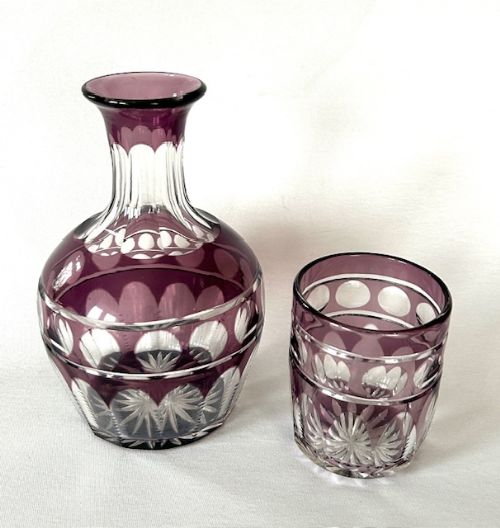
Edwardian examples often display cleaner, lighter proportions and crisper geometric cutting influenced by early twentieth-century tastes, whereas Victorian pieces frequently lean toward heavier, more ornate decoration with dense hobnail patterns or coloured glass bodies.
Examine any silver hallmarks for date letters, which provide definitive proof of the assay year and distinguish late nineteenth-century manufacture from Edwardian production.
What is the difference between a claret jug and a water pitcher?
Claret jugs are specifically proportioned for serving wine, featuring slender necks, secure hinged lids to retain aromas, and sophisticated silver or silver-plate mounts. Water pitchers generally present wider openings, larger overall capacities, and simpler, open-top spouts.
Many listings use these terms interchangeably, so examine the profile and lid mechanism to determine the original intended beverage.