



Crystal Glass Water Pitcher
A crystal glass water pitcher brings sparkling clarity to the table, uniting weight and brilliance in vessels shaped for daily hospitality.
Crystal Glass Water Pitcher
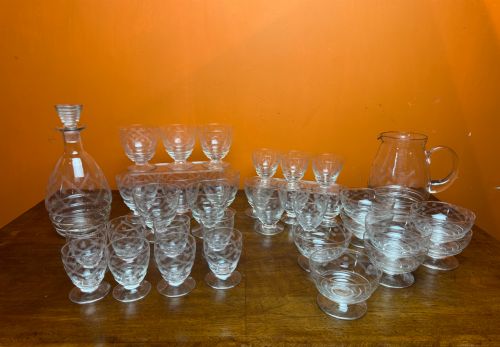
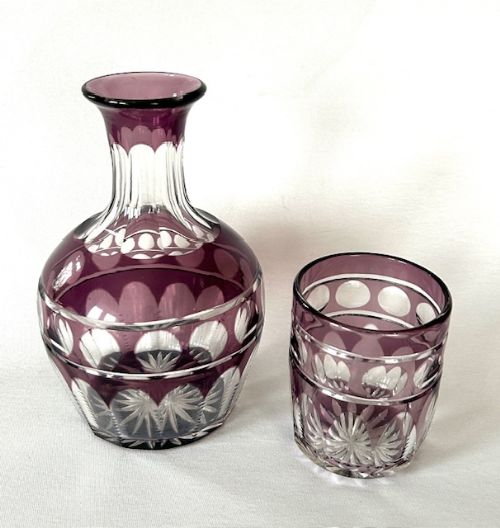
When you search for a crystal glass water pitcher, you encounter substantial serving vessels designed for the dining table, taking forms such as ewers, jugs, and carafes. The examples available span from the nineteenth century through the Edwardian period and into the Art Deco years.
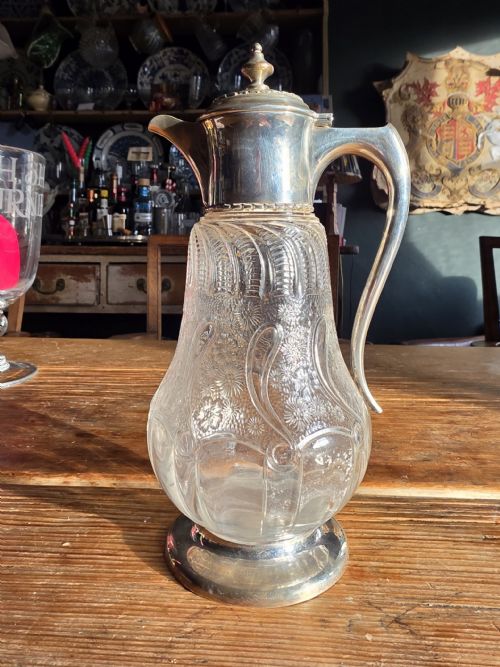
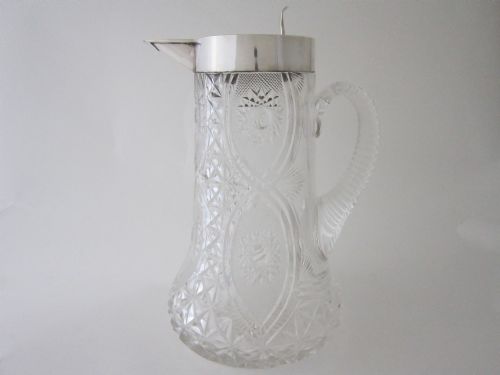
The most common versions on this page are heavy cut glass water jugs originating from the Victorian and Edwardian eras. These pieces often feature faceted bodies, star cuttings, and occasionally silver or silver-plated mounts.
Makers and origins range from English glasshouses in Stourbridge to continental workshops, employing methods from deep wheel cutting to delicate engraving.
How they were made
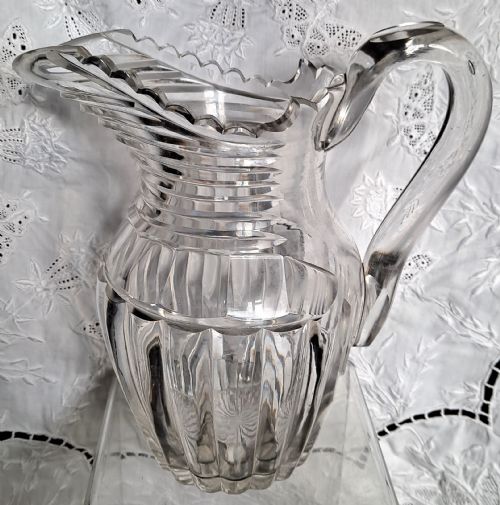
Makers utilised lead crystal and clear glass, blowing the molten metal into moulds or free-blowing the vessels before applying decorative techniques. Heavy cutting was executed on grinding wheels to create deep facets that catch the light.
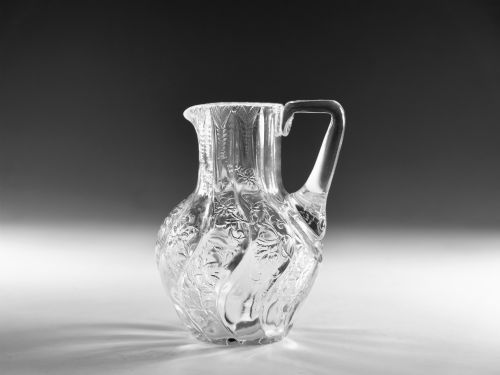
Engraving and intaglio work added refined surface detail, utilising hand-held wheels to carve motifs such as stars, vines, and dolphins into the glass body. Mounts in sterling silver or silver plate were then fitted securely to the rims and handles.
Some nineteenth-century jugs proudly display the flowers of the union alongside dolphins and grape vines, ensuring your table talk is botanical and marine.
What varies in quality
The clarity and weight of the crystal set the foundation for the vessel, alongside the crispness and depth of the wheel cutting. Superior pieces display sharply defined facets without wobble or distortion in the material.
Artistry in the engraving elevates certain items, showing skilled hand work rather than shallow mechanical etching. The integration of precious metal mounts, whether sterling silver or plated brass, indicates the original ambition of the piece.
William Comyns·Stevens and Williams·Webb Corbett·Richardsons Birmingham·Tiffany·Lobmeyr
The Crystal Glass Water Pitcher Glossary
- Cut glass
- Glass decorated by grinding facets and patterns into the surface using rotating wheels. This technique maximises the refractive quality of lead crystal.
- Ewer
- A large jug with a wide spout and a curved handle, traditionally used for holding and pouring water. Victorian examples frequently combine cut crystal with silver mounts.
- Intaglio
- A method of glass engraving where the design is carved into the surface rather than raised above it. It creates a smooth, cameo-like appearance on the vessel wall.
- Lead crystal
- Glass containing a high proportion of lead oxide, which increases the weight, brilliance, and resonance of the material. It allows for deeper and sharper cutting than standard glass.
- Latticinio
- A decorative glass technique incorporating fine white or coloured glass threads twisted within the clear material. It appears on select nineteenth-century champagne jugs.
Crystal Glass Water Pitcher: Frequently Asked Questions
How do I clean an antique crystal water pitcher?
Wash the vessel by hand in warm water using a mild detergent, avoiding sudden temperature changes that can stress the aged glass.
Dry the piece immediately with a lint-free cloth to prevent water spots on the cut facets and silver mounts.
Can I use these pitchers for serving daily water?
These robust vessels were designed for functional hospitality on the dining table and remain fully capable of holding cold beverages.
Take care when filling heavy lead crystal to protect the handle and the rim from sharp impacts.
How do I tell a Victorian cut glass jug from an Edwardian one?
Victorian jugs often display heavy, deeply cut geometric patterns combined with ornate etched foliage, reflecting mid to late nineteenth-century tastes.
Edwardian pieces tend to lean towards crisper, lighter cutting styles, frequently complemented by sterling silver mounts or silver-plated collars.