




Edwardian Crystal Wine Carafe
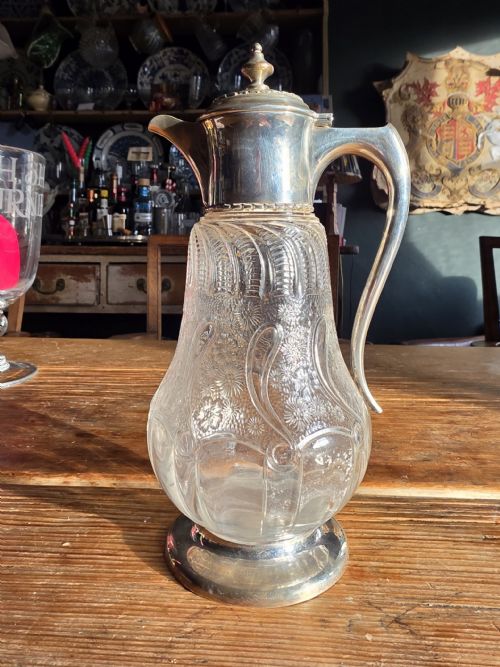
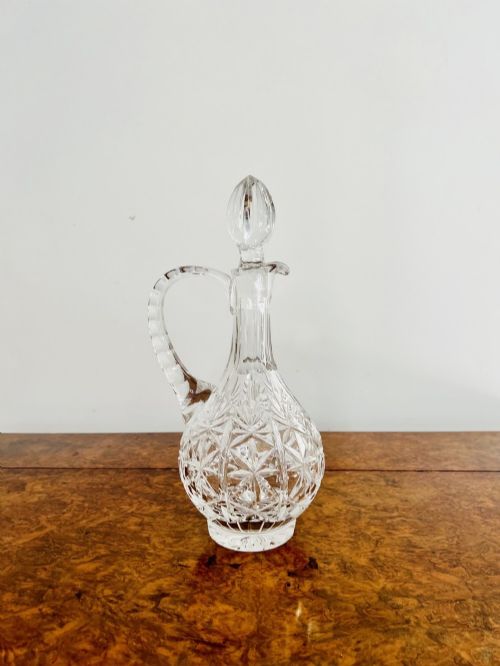
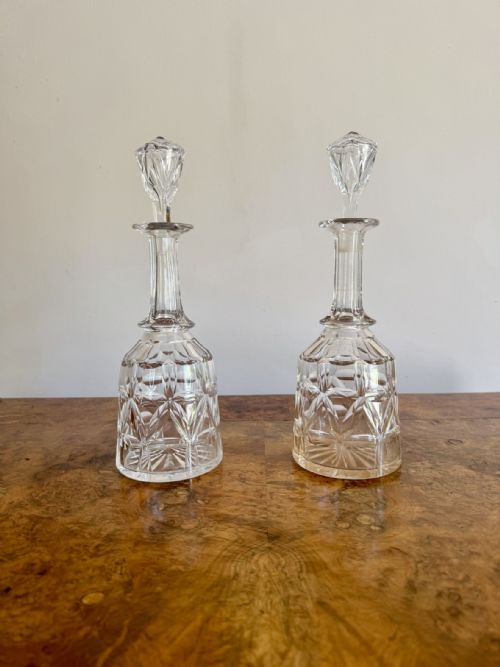
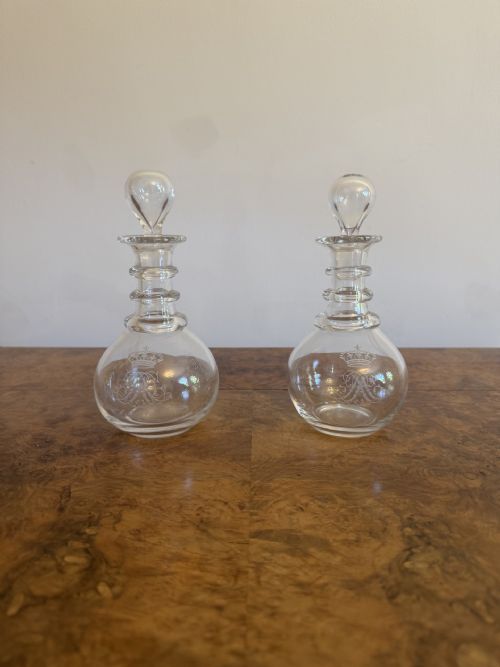
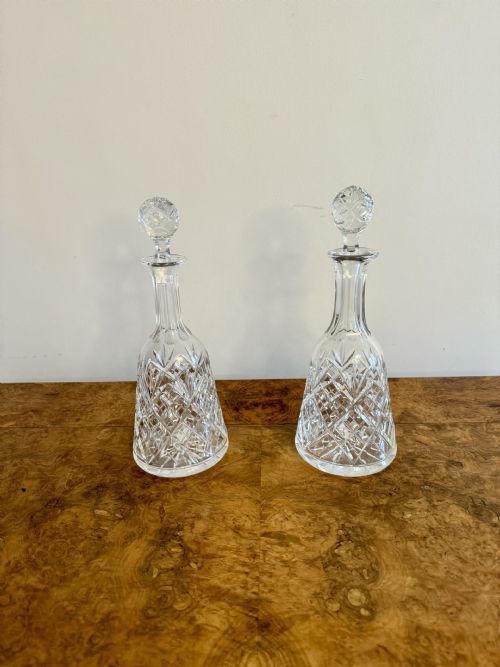
An edwardian crystal wine carafe brings heavy cut glass and bright silver mounts to the dining table, offering a solid period vessel for serving wine.
Edwardian Crystal Wine Carafe
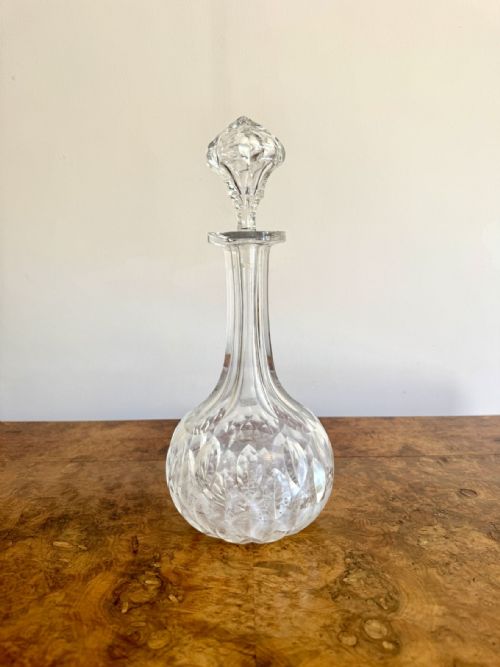
An edwardian crystal wine carafe encompasses functional glass vessels made for holding and pouring wine during the early twentieth century. The selections on this page lean heavily towards the Edwardian period, alongside related Victorian, Regency, and eighteenth-century examples.
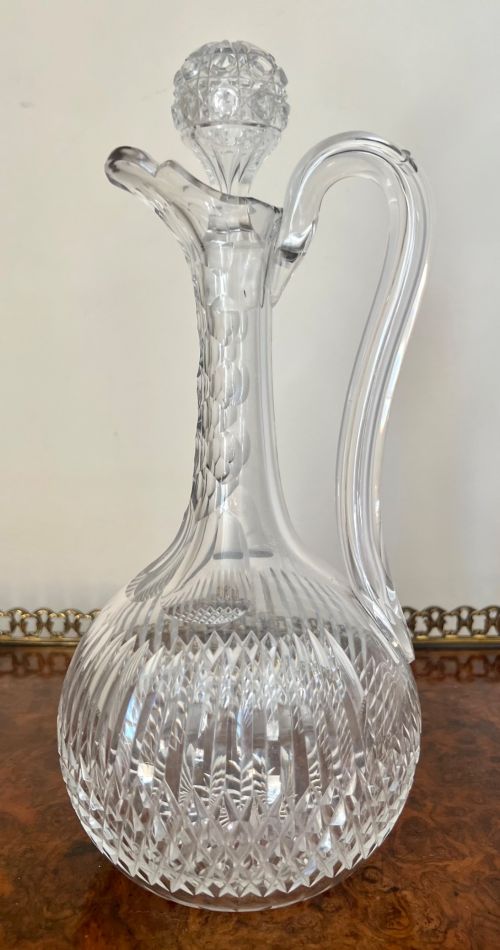
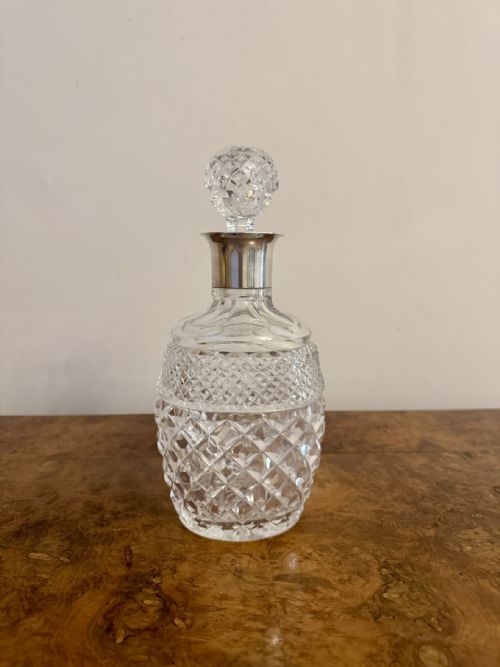
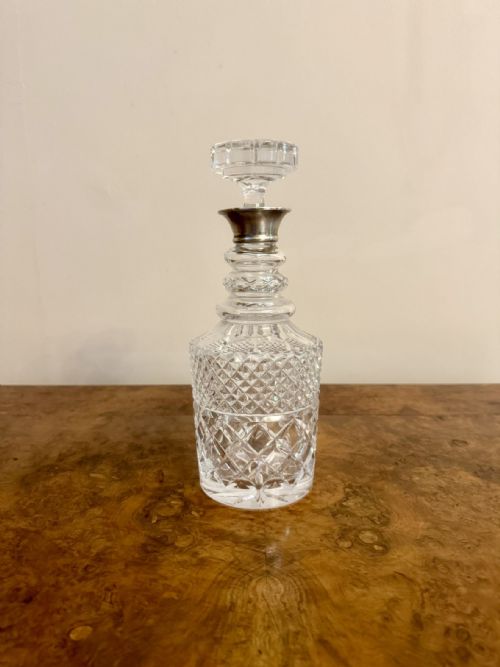
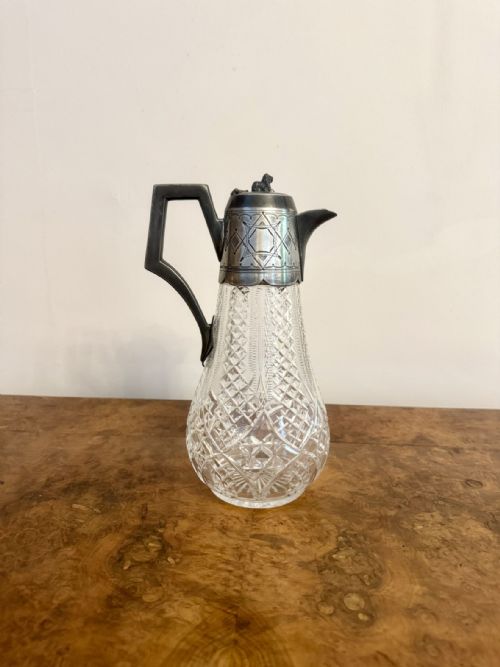
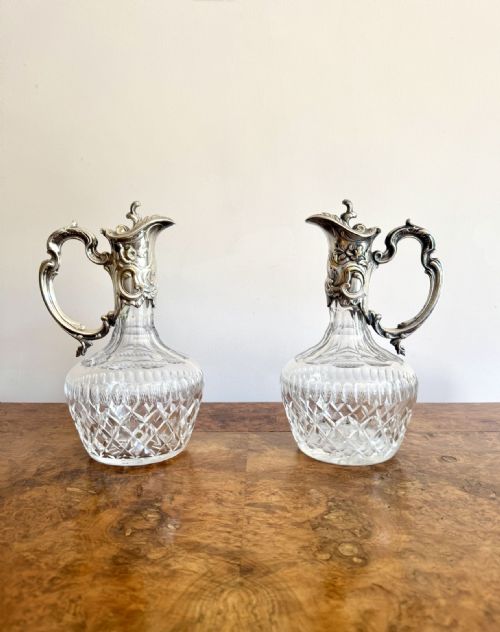
Buyers will encounter various forms, including claret jugs, bell-shaped decanters, ewers, and pitchers. Many pieces incorporate silver collars, silver plating, or sterling silver mounts fitted directly to the glass bodies.
Materials and construction
The primary bodies utilise lead crystal, cut glass, and plain glass, often shaped into bell profiles or tall ewers. These glass surfaces receive deep surface cutting and occasional engraved decoration.
Metal components provide structural contrast through silver, sterling silver, and silver plate. These metals form shaped collars, covers, and handles attached securely to the glass necks.
Some bell-shaped decanters wear their silver collars with a slight tilt, reminding everyone that hand-assembly left room for human character.
Distinctions in quality
The clarity and weight of the lead crystal separate standard vessels from finer examples. Superior pieces display crisp, deep cutting that catches the light cleanly.
The integration of the metal mount dictates overall refinement. Solid silver collars and heavy silver plating fitted flush to the glass represent the higher tier of production.
The Edwardian Crystal Wine Carafe Glossary
- Claret jug
- A specialised pouring vessel designed specifically for serving red wine. These often feature hinged metal covers and sturdy handles.
- Silver collar
- A band of silver fitted around the neck of a decanter or jug. This metal reinforcement provides a secure seating for a stopper or hinged lid.
- Lead crystal
- A heavy glass variety containing lead oxide, known for high refractive index and resonant ring when struck. It allows for deep, sharp facets.
- Ewer
- A large jug with a wide spout and curved handle. In this category, ewers combine cut glass bodies with decorative metal mounts.
Edwardian Crystal Wine Carafe: Frequently Asked Questions
How do I clean an old decanter?
Residue inside glass vessels requires gentle treatment using warm water and non-abrasive cleaning beads. Avoid harsh chemicals that might damage aged silver collars.
Allow the interior to dry completely by standing the vessel upside down on a soft cloth. Take care to protect any exterior silver plate from excessive moisture.
Are these decanters safe for modern wine?
Most glass containers from this era remain entirely suitable for holding and serving table wine. The materials used are robust enough for regular dining use.
Inspect the interior for any stubborn staining before pouring wine for guests. Hand washing preserves both the glass and the fitted metal mounts.
How do I identify an Edwardian piece?
Edwardian glassware often displays distinct stylistic traits typical of the early twentieth century. Look for specific combinations of deep cut glass and silver collars.
Cross-reference the form with documented periods listed in the inventory. Makers during this era favoured bell shapes and structured claret jugs.
What is the difference between a decanter and a claret jug?
Decanters generally feature fitted glass stoppers designed to seal the contents for storage. They rely on the glass body for pouring.
Claret jugs incorporate integrated handles and hinged metal covers with spouts. These are built for immediate pouring at the dining table.