
Edwardian Couch
When you search for an edwardian couch, you enter a world of refined salon seating, mahogany frames, and deep country house comfort.
Edwardian Couch
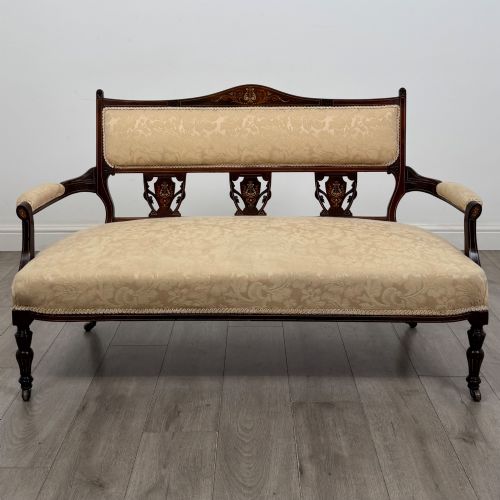
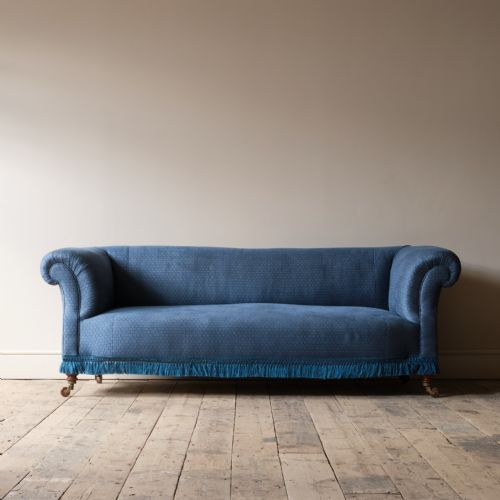
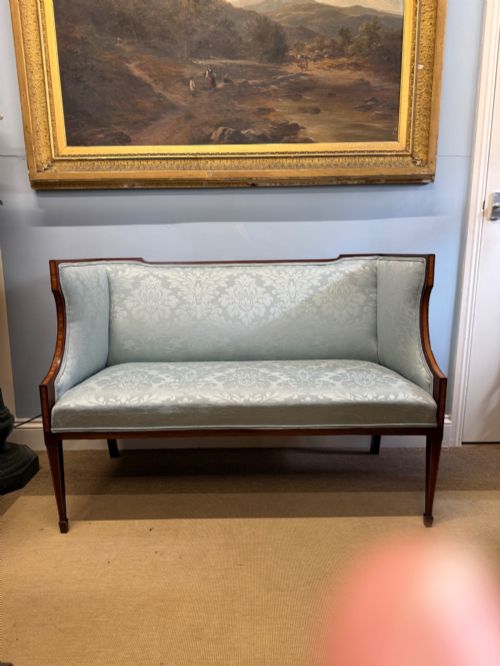
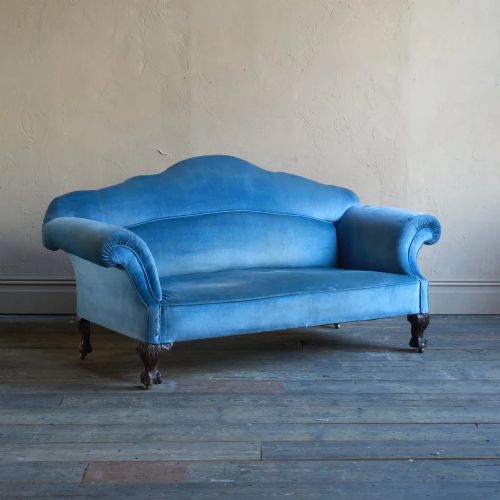
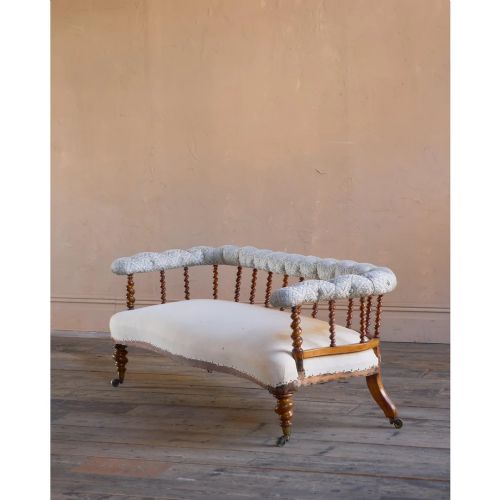
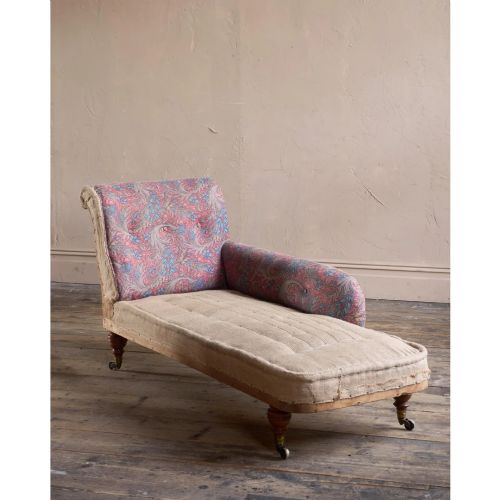
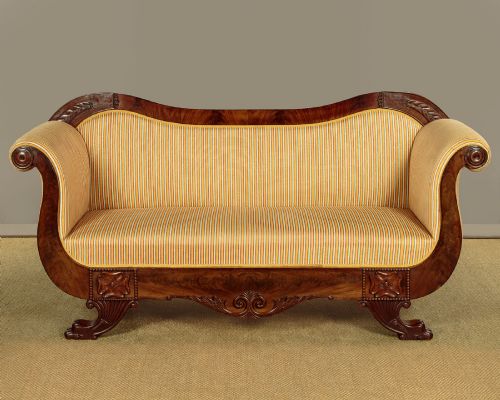
The edwardian couch covers a diverse array of seating forms, ranging from intimate inlaid salon settees in rosewood and mahogany to generous upholstered country house models. Many examples display influences of earlier periods, such as Chippendale and Sheraton revivals, alongside distinctive Edwardian Art Nouveau carved details.
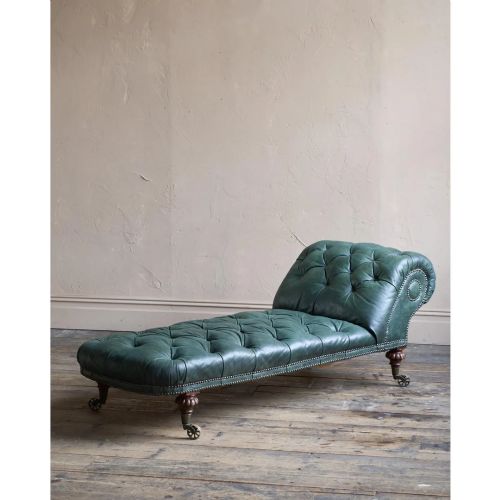
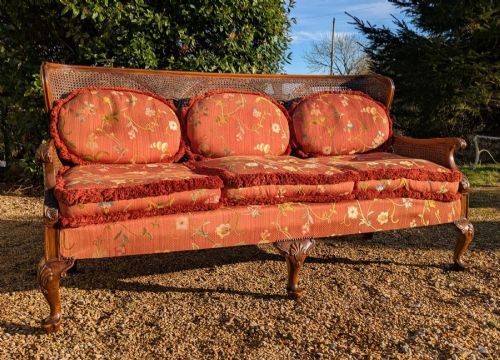
Buyers frequently encounter utilitarian medical pieces alongside domestic furniture, as the era produced specialised items like consultation couches and daybeds. Frameworks constructed from walnut, oak, and satinwood appear alongside canework bergere suites and deep-seated chesterfields.
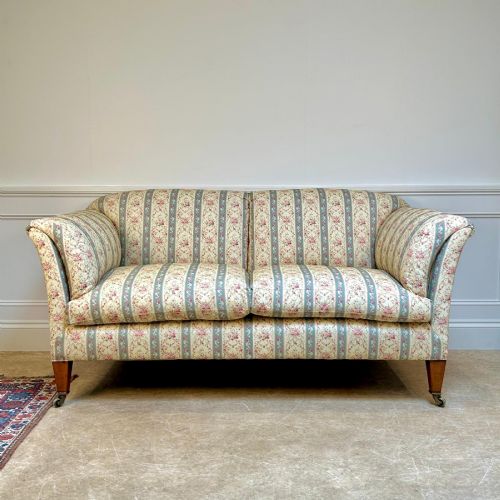
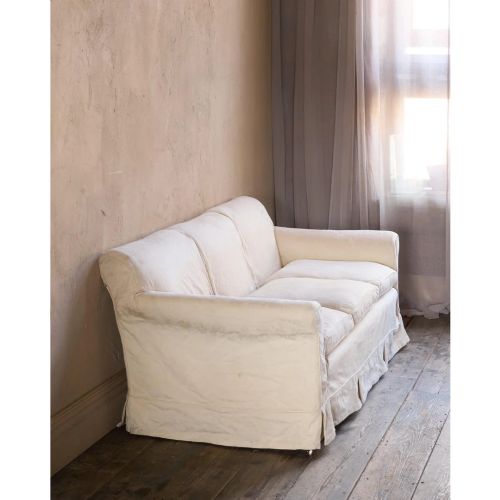
The scale spans from petite two-seater window seats and loveseats to large three-piece suites designed for expansive drawing rooms. This variety reflects the changing domestic requirements of the early twentieth century, balancing formal entertaining with relaxed comfort.
Materials and Construction
Frames rely heavily on timbers such as mahogany, walnut, rosewood, and oak, often enriched with marquetry inlays or delicate satinwood banding. Cabinetmakers utilised traditional joinery alongside steam-bent wooden elements to achieve curved backs and scroll ends.
Some Edwardian daybeds served double duty as doctor's consultation couches for patients who fainted in tightly laced corsets.
Assessing Quality
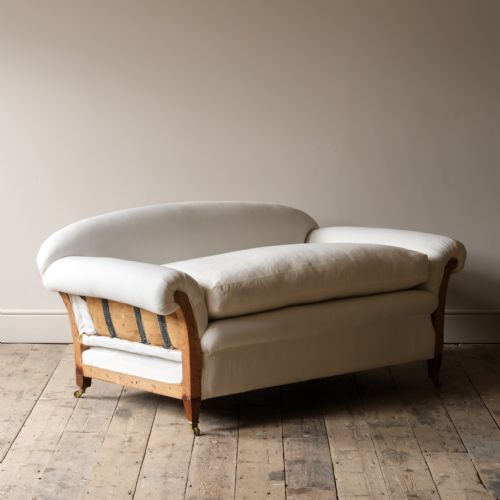
Quality rests significantly on the integrity of the timber frame, the crispness of any carved decoration or inlay, and the retention of original upholstery components. Superior pieces exhibit tight joinery, dense hardwoods, and finely detailed marquetry work rather than superficial surface ornamentation.
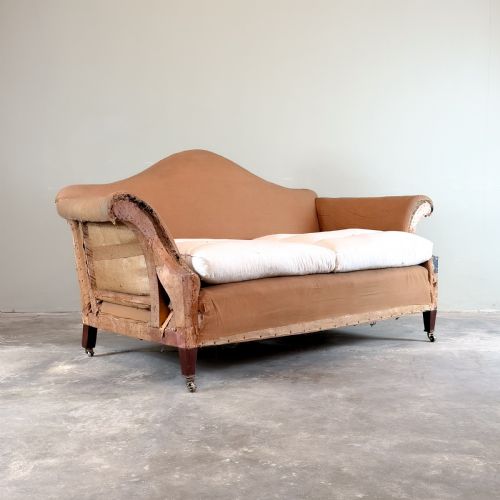
The internal construction dictates the longevity and comfort of the piece, particularly the hand-tied coil springs and traditional horsehair stuffing. Maker attribution also elevates certain items, as workshops known for rigorous craftsmanship command greater appreciation among collectors.
Howard & Sons·C. Hindley & Sons·Hampton & Sons·J. S. Kinsey
The Edwardian Couch Glossary
- Bergere
- A closed-arm armchair or sofa featuring woven cane panels on the back and sides. This French-inspired technique lightens the visual weight of heavy wooden frames.
- Chesterfield
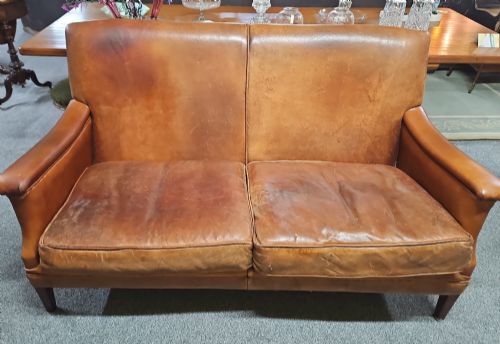
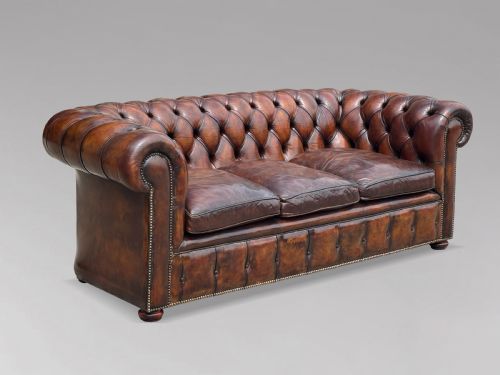
- A large, deeply buttoned upholstered sofa traditionally finished in leather. It is characterised by arms and back of the same height.
- Marquetry
- Decorative veneer work arranged in pictorial or geometric patterns using various coloured woods. Craftsmen applied this technique extensively to Edwardian salon furniture.
Edwardian Couch: Frequently Asked Questions
What defines an edwardian couch?
An edwardian couch is a piece of seating furniture produced roughly between the late nineteenth century and the outbreak of the First World War. These items bridge Victorian heaviness and lighter, revivalist styles.
They appear in forms ranging from formal inlaid mahogany salon settees to deep-seated country house Chesterfields and caned bergere daybeds.
How were these couches used originally?
These pieces served multiple functions in homes of the period, from formal entertaining in drawing rooms to private relaxation in bedrooms and studies. Some specialised variants functioned specifically as medical consultation couches.
Drawing room models provided comfortable seating for afternoon tea and social calls, while daybeds accommodated daytime resting.
How do I care for antique upholstery?
Preserving antique upholstery requires protecting natural materials like horsehair stuffing and delicate coverings such as brocade, velvet, or hand-dyed leather. Regular light dusting and avoiding direct sunlight prevent fading and fibre degradation.
Leather surfaces benefit from appropriate conditioning treatments to maintain suppleness without altering the original dye.
How can I distinguish Edwardian from Victorian styles?
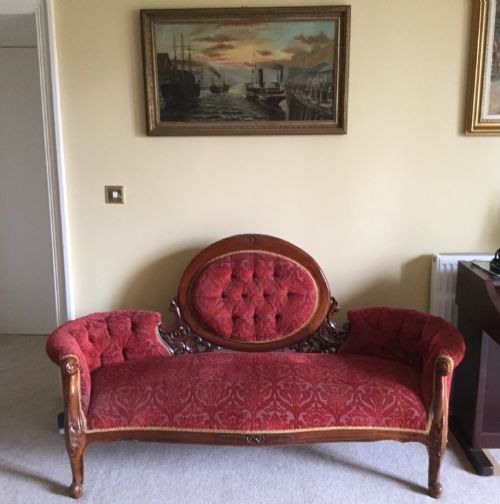
Victorian furniture typically employs heavier proportions, darker woods, and more exuberant, dense carvings. Edwardian design generally favours a lighter aesthetic, incorporating satinwood inlay, painted finishes, and brighter fabrics.
While both eras utilised revival styles like Chippendale, Edwardian interpretations tend to feel airier and less encumbered by heavy ornamentation.