
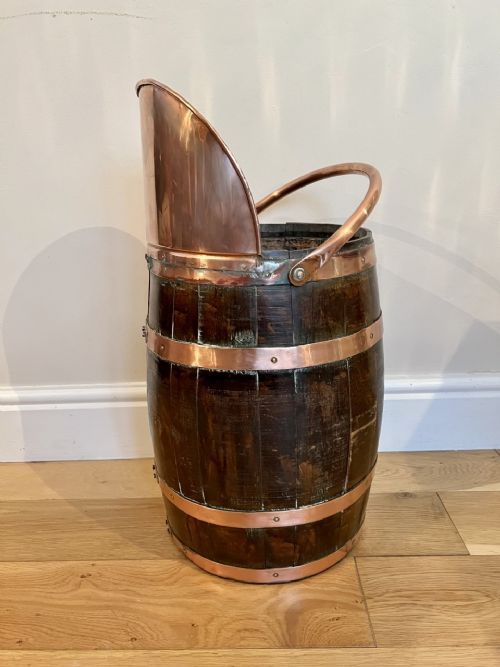


Edwardian Copper Scuttle
An Edwardian copper scuttle brings warmth and practical fireside utility to a hearth, combining sturdy metalwork with traditional domestic design.

Edwardian Copper Scuttle
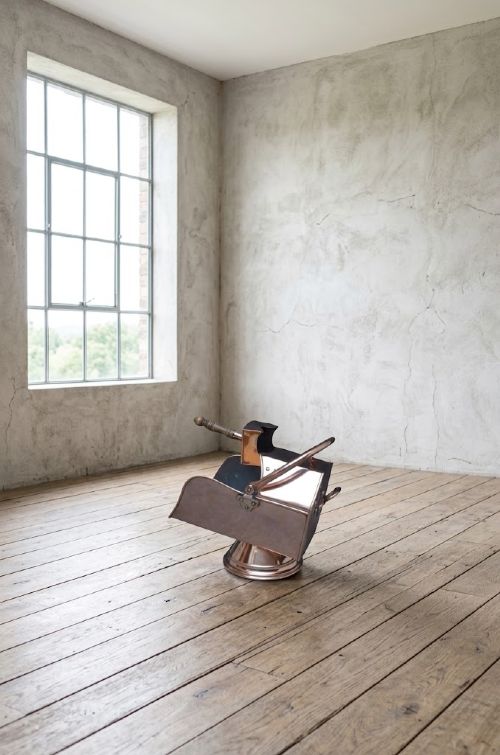
An edwardian copper scuttle serves as a functional fireside container designed to hold coal or logs for domestic heating. The examples appearing on this page span the late nineteenth century through to the early decades of the twentieth century, aligning with Victorian, Edwardian, Arts and Crafts, and Art Nouveau movements.
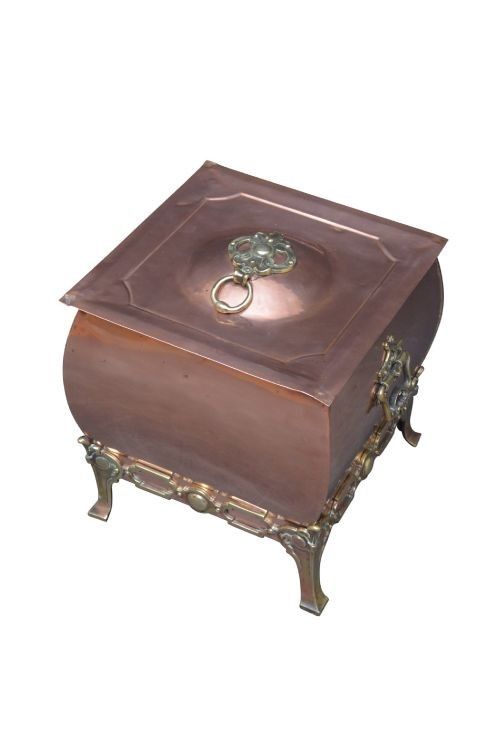
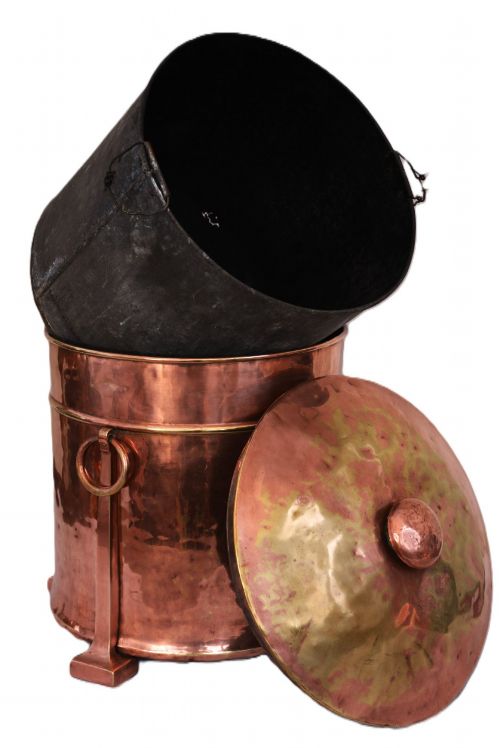
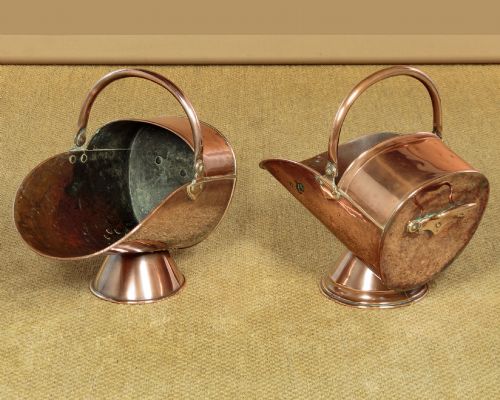
Buyers will most frequently encounter helmet shaped coal scuttles, cylindrical coal buckets, and box forms alongside occasional log bins and jardinières. These vessels frequently integrate brass handles, iron frames, and wooden elements such as oak trim or bounding.
While many pieces originate from the period around nineteen hundred, others date back to the late Victorian era or extend into the nineteen thirties. They function equally well today as fireside accessories or repurposed plant holders.
Materials and construction
Makers utilised sheet copper as the primary body material, often combining it with brass for handles, feet, and rims to create a pleasing tonal contrast. Wrought iron and standard iron appear in structural frames, hinged lids, and supporting brackets.
Surface decoration relied on hand techniques such as hammer beating, riveting, and embossing rather than heavy industrial stamping. Oak frames and wood detailing provide structural stability to specific bucket and box designs.
Edwardian Copper Scuttle Retail Price Guide 2026
Typical asking prices for edwardian copper scuttle among the pieces listed under this phrase on Sellingantiques today, from the lower quarter to the upper quarter. They describe what is for sale here now, not the wider market.
Some Edwardian coal boxes doubled as Gladstone bags in spirit, proving that Victorian hearthside storage could occasionally pack for a journey.
Factors of quality
The distinction between standard utility items and superior pieces rests on the weight of the copper sheet and the definition of the hand-beaten or embossed surface detail. Heavier gauge metal resists denting and maintains its structural integrity beside an active hearth.
Artisanal execution is evident in the neatness of the hand-riveting and the careful integration of brass mounts and iron handles. Finer examples display balanced proportions and secure joints that withstand regular lifting and tipping.
The Edwardian Copper Scuttle Glossary
- Helmet scuttle
- A fireside coal container featuring a flared mouth and a hinged handle, named for its superficial resemblance to a classical helmet.
- Arts and Crafts
- A design movement favouring hand craftsmanship, simple forms, and visible construction methods over mass-produced ornamentation.
- Art Nouveau
- A decorative style characterised by flowing, organic lines and stylised floral motifs drawn from the natural world.
- Purdonium
- A specific type of coal box or cabinet, often featuring a sloping front door and an internal metal liner for holding fuel.
Edwardian Copper Scuttle: Frequently Asked Questions
How were these scuttles used?
These vessels sat beside the fireplace to store coal or wood for daily refuelling of household grates. The user carried them by their brass or iron handles to replenish the fire as needed.
Many designs included hinged lids or angled openings to keep fuel contained and out of sight. Today, owners frequently repurpose them to hold logs or large houseplants.
How do I date an antique copper scuttle?
Dating relies on stylistic clues, construction methods, and materials associated with specific periods like the Victorian era or Arts and Crafts movement. Hammer-beaten surfaces and organic motifs often point toward the turn of the twentieth century.
Makers rarely signed these utilitarian pieces, so attribution depends on manufacturing techniques and hardware design.
Can I use an antique scuttle for real fires?
These metal containers are robust enough to hold logs or coal near a hearth in their traditional role. Buyers should check the interior for watertight integrity if intending to use them as plant holders.
Normal daily use will not harm sturdy copper and brass construction that has already survived a century of domestic service.