




Edwardian Classical Portrait
An edwardian classical portrait brings refined academic discipline and serene traditional form into a room.
Edwardian Classical Portrait
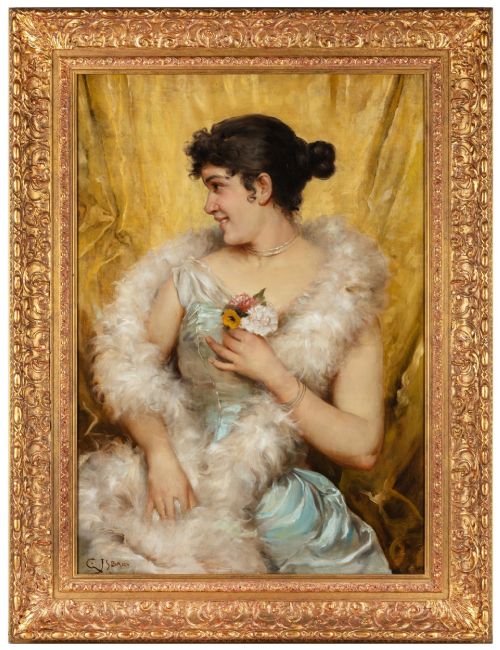
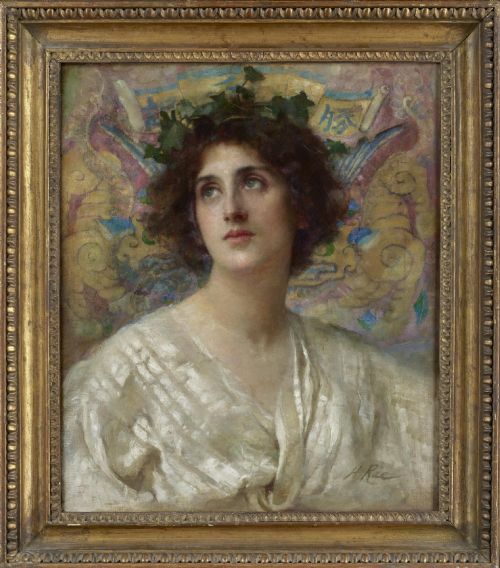
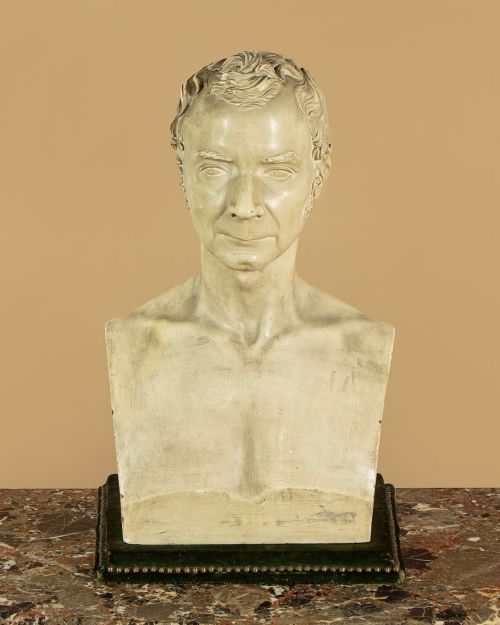
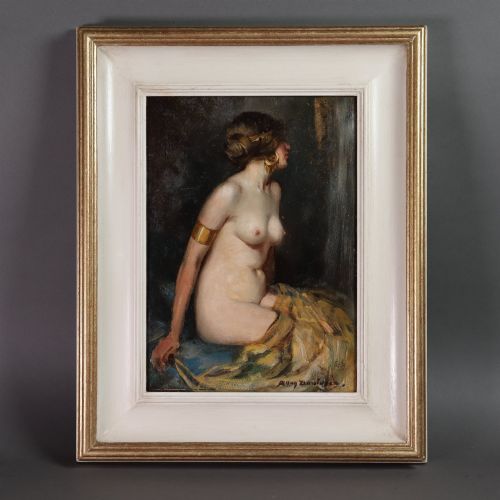
An edwardian classical portrait draws upon academic traditions, featuring oil paintings, detailed watercolours, and sculpted busts that recall antique forms. These pieces reflect the aesthetic preferences of the late nineteenth and early twentieth centuries, blending classical revival themes with portraiture.
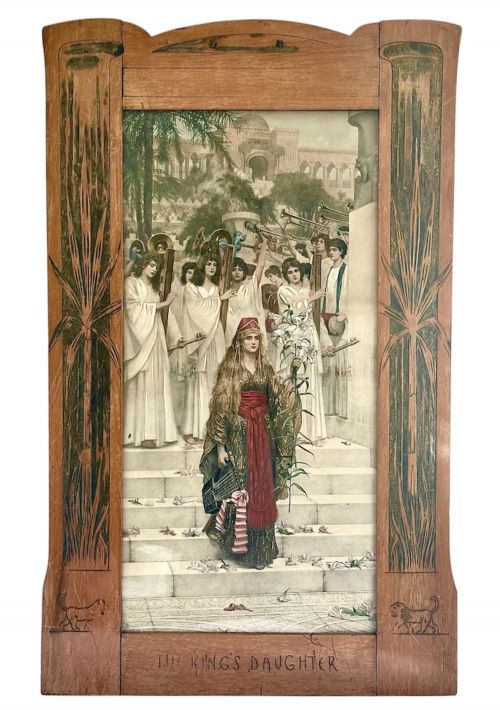
Buyers will encounter oil on canvas paintings alongside mixed media works and framed prints depicting figures in classical attire or idealised poses. Sculptural representations in marble, bronze, alabaster, plaster, and terracotta frequently appear alongside shell cameos set in gold jewellery.
The selection spans works originating from the Victorian era through to the nineteen-thirties, though the core of the offering centres around the Edwardian period and nineteen-hundreds. Portraits range from intimate miniatures and cameos to large-scale oil paintings and substantial portrait busts.
Materials and execution
Painters relied on oil on canvas, oil on board, and watercolour applied with academic precision, while printmakers utilised photogravure and crystoleum techniques. Frames often incorporated giltwood featuring egg and dart or beaded moulding details.
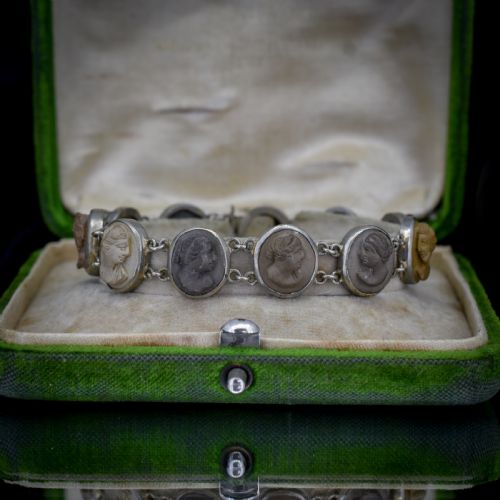
Sculptors carved marble, alabaster, and lava to create portrait busts and cameos, while others cast works in bronze, brass, or moulded plaster and terracotta. Jewellery makers mounted carved shell cameos into nine-carat and fifteen-carat gold settings or silver mounts.
Listings feature works spanning the nineteenth and twentieth centuries, executed in oil, watercolour, marble, bronze, alabaster, plaster, and carved shell.
Assessing quality in portraits and sculpture
The standard of a painted edwardian classical portrait rests on the finesse of the brushwork and the anatomical accuracy of the sitter. Finer works capture subtle facial expressions and drapery folds with deliberate skill.
Sculptural quality depends on the crispness of the carving in stone or the precision of the casting in metal and plaster. Surface patination on bronzes and the clarity of detail in carved cameos distinguish superior pieces.
Herbert Gustave Schmaltz·Allan Douglas Davidson·Giuseppe Moretti·William Edward Frost·Arthur Hacker
The Edwardian Classical Portrait Glossary
- Crystoleum
- A historical method of applying hand-colouring to a convex glass-mounted photograph. This technique produced a layered, luminous image popular during the Victorian and Edwardian periods.
- Photogravure
- A printmaking process that produces photographic images from an etched copper plate. It offers a tonal richness and depth akin to original continuous-tone photographs.
- Cameo
- A gem, shell, or stone carved in relief to display a raised subject against a contrasting background. Classical subjects and portrait profiles are typical motifs.
- Terracotta
- Fired clay used for sculptural works, often left unglazed to show the natural reddish-brown earthenware body. It allows for expressive modelling by the artist.
- Alabaster
- A fine-grained mineral stone used for carving portrait busts and decorative objects. Its translucent quality gives sculpted surfaces a soft, luminous appearance.
Edwardian Classical Portrait: Frequently Asked Questions
What defines an edwardian classical portrait?
These pieces combine traditional portraiture with classical motifs, drawing inspiration from antique sculpture and academic realism. They include oil paintings, watercolours, and carved busts produced around the early twentieth century.
Subjects often feature idealised figures, historical personages, or sitters rendered in classical dress, reflecting the enduring academic tastes of the period.
How should I display a portrait bust?
Portrait busts carved from marble, alabaster, or cast in bronze require a stable, level surface capable of supporting their weight. Placing them on a solid column, sideboard, or sturdy table allows the sculpture to be viewed from multiple angles.
Keep these pieces away from direct sunlight and excessive temperature fluctuations to protect materials like plaster, alabaster, and painted surfaces.
What is a shell cameo?
A shell cameo is carved from the layered outer shell of specific molluscs, usually depicting a profile portrait in high relief against a darker background. These carvings were frequently mounted into brooches, bracelets, earrings, and rings during the Victorian and Edwardian eras.
Jewellery of this type showcases miniature sculptural skill, often drawing on classical mythology or historical portraiture for inspiration.
How do I distinguish between periods?
Dating relies on stylistic markers, framing techniques, and the materials used in the construction of the artwork or object. Victorian pieces often lean towards heavy ornamentation, whereas Edwardian and later works frequently exhibit a lighter, neoclassical restraint.
Signatures, dates, and inscriptions on the reverse of canvases or bases of busts also provide direct evidence of the period of creation.