


Edwardian Cigarette Case
An edwardian cigarette case is a pocket accessory for tobacco, combining precious metal and fine design to hold smokes in style.
Edwardian Cigarette Case
An edwardian cigarette case represents a portable container designed for carrying cigarettes or cheroots securely in a pocket. The items seen here span the Edwardian period alongside adjacent years in the early twentieth century and the nineteenth century.
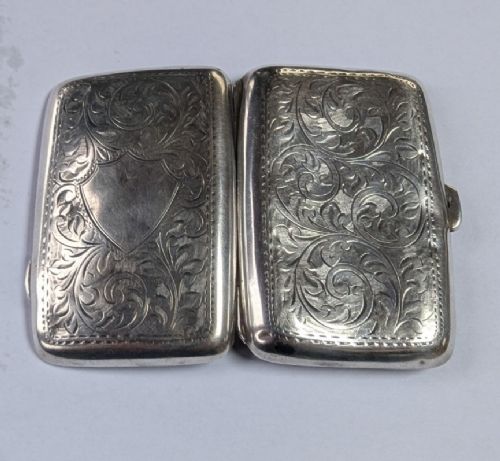
The forms encompass traditional cigarette cases alongside card cases, vesta cases and cheroot holders. Many examples emerge in sterling silver and silver gilt, while others incorporate enamel or gold highlights.
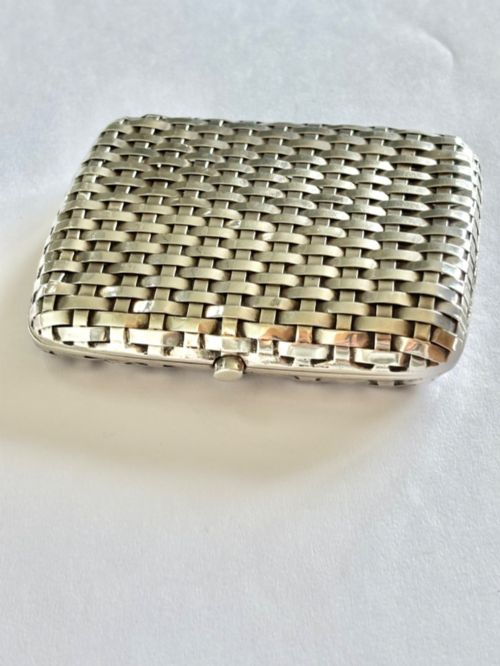
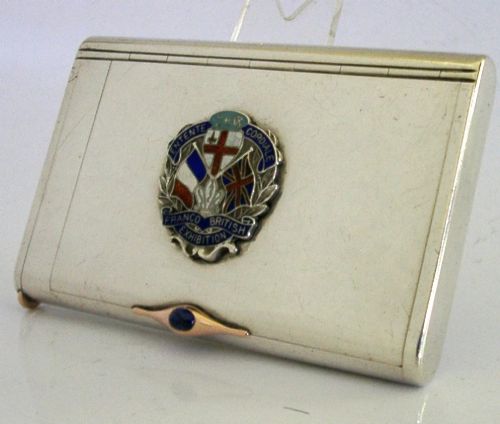
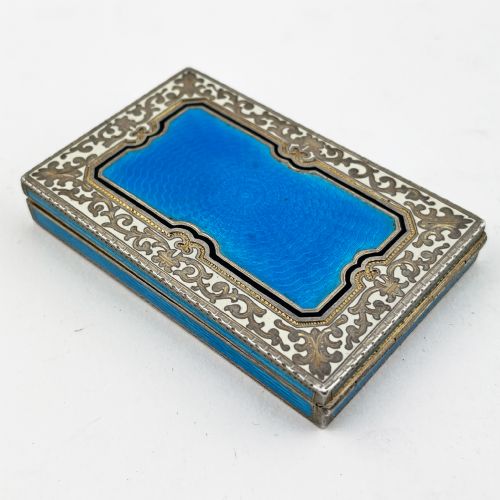
Origins range from standard continental output to notable British production and exhibition pieces. Buyers encounter various decorative treatments including basket weave patterns and peacock enamel motifs.
Materials and Construction
Makers shaped these pieces primarily from sterling silver, .935 silver and standard silver, frequently applying gilt metal or gold accents. Enamel work, specifically vitreous enamel, provides colour and decorative contrast on the metal surface.
Techniques combine metal smithing with specialised surface decoration such as basket weave texturing and hand-painted or fired enamel scenes. Fitted cases for related items like cheroot holders utilise carved meerschaum.
Some cases came equipped with tiny built-in spring fingers to ensure your cigarettes did not tumble out when opened.
Judging Quality and Craftsmanship
Quality rests upon the crispness of surface decoration, whether in the precision of a basket weave pattern or the smooth application of vitreous enamel. Superior examples maintain intact gilding and well-defined structural details without softening from wear.
The integration of maker marks and hallmarks elevates the standing of a piece, reflecting established workshop standards. Pieces bearing named makers or exhibition connections demonstrate higher artisanal ambition than unmarked baseline items.
Fritz Bemberg·Sampson Mordan·Liberty & Co
The Edwardian Cigarette Case Glossary
- Edwardian
- Pertaining to the reign of King Edward VII, spanning from 1901 to 1910. This period favours lighter design motifs than the preceding Victorian era.
- Sterling Silver
- An alloy consisting of 92.5 percent silver and 7.5 percent other metals, usually copper. This standard underpins the majority of quality pocket cases.
- Vitreous Enamel
- A material made by fusing powdered glass to a substrate by firing. It creates a durable, glossy coloured surface on metal cases.
- Silver Gilt
- Silver that has been coated with a thin layer of gold on its surface. This technique produces a rich two-tone effect inside or outside the case.
- Cheroot
- A cylindrical cigar with cut ends, popular during the period alongside standard cigarettes. Specialised cases and holders were manufactured specifically for them.
Edwardian Cigarette Case: Frequently Asked Questions
What is an edwardian cigarette case?
An edwardian cigarette case is a small metal container made to hold cigarettes safely in the pocket during the early twentieth century. These pocket pieces often feature refined metalwork or enamel decoration.
They reflect the social habits of the period when smoking tobacco became widespread among gentlemen and ladies alike.
How were these cases used?
Owners carried their daily supply of cigarettes or cheroots inside the slim metal body to prevent them from breaking in a coat pocket. Internal elastic bands or metal clips usually held the cigarettes firmly in place.
They served as functional daily accessories that also displayed the owner's personal taste through their decorative exterior.
How do I care for silver and enamel?
Silver components require gentle cleaning with a soft cloth to maintain their lustre without abrading the metal surface. Enamel sections must be kept away from harsh chemicals and sharp impacts to prevent chipping.
Storing the case in a dry environment protects both the metal alloy and the delicate glass-based enamel from tarnishing or moisture damage.
How can I tell the period?
Hallmarks stamped into the metal provide the most reliable indicator of date and origin for British silver items. Stylistic clues such as peacock enamel work or basket weave patterns also point towards the Edwardian aesthetic.
Comparing the construction style with documented pieces from makers like Sampson Mordan helps confirm the manufacturing era.