


Edwardian Chesterfield Settee
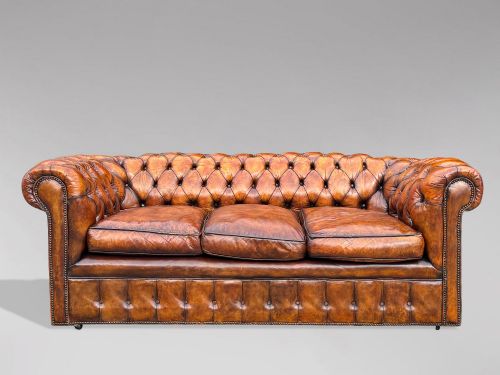
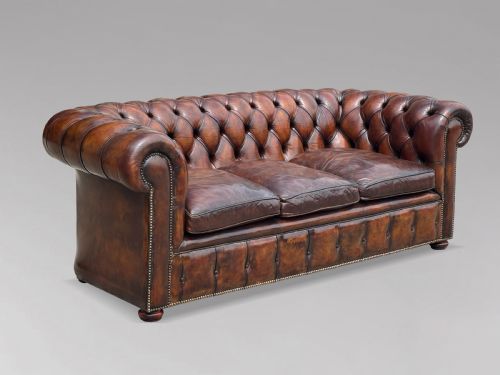
An edwardian chesterfield settee is a deep-buttoned upholstered seat offering generous proportions for sitting.
Edwardian Chesterfield Settee
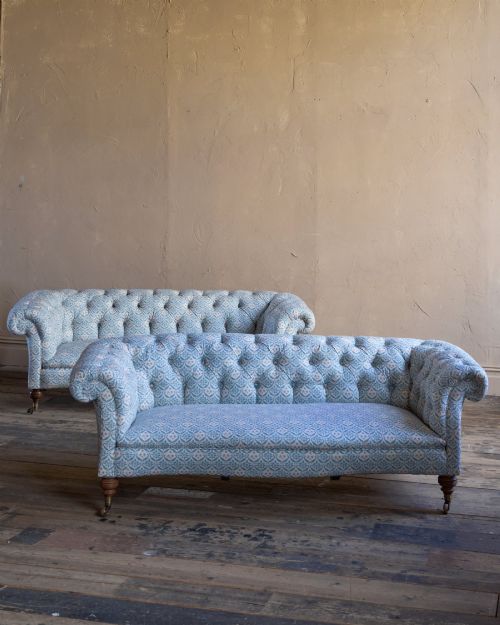
An edwardian chesterfield settee brings traditional English seating to a room, often appearing as a low-backed sofa with distinctive deep buttoning. Buyers searching this phrase meet pieces originating from the Edwardian period alongside nineteenth century and early twentieth century examples.
The forms on this page include standard two-seater and three-seater sofas, drop end sofas, chaise longues, and matching armchair suites. Many examples feature leather upholstery, whilst others are upholstered in fabric or offered ready for reupholstering.
How they were made
Makers built these settees around sturdy hardwood and timber frames, utilising metal and brass components where required for structural support. Interiors incorporated traditional stuffing materials such as horsehair to create firm, resilient padding.
Upholstery techniques relied on deep buttoning and fully loose coil springing to distribute weight evenly across the seat and back. Finished pieces frequently utilised hand dyed leather or cotton fabric applied over the padded frame.
Listings feature pieces spanning the nineteenth century through to the nineteen-thirties, utilising materials including leather, cotton, brass, and hardwood.
What varies in quality
The standard of the internal framework and the grade of the stuffing materials dictate the longevity and structural integrity of each piece. Expert craftsmanship in the hand dyeing of leather and the execution of deep buttoning distinguishes finer examples.
The presence of original upholstery versus later restorations alters the historical character of the settee. Pieces bearing maker attributions or distinct carved wooden details demonstrate higher artisan input.
Howard and Sons·Gillows·Hampton and Sons
The Edwardian Chesterfield Settee Glossary
- Chesterfield
- A traditional upholstered sofa characterised by arms and back of the same height and deep button tufting. This form remains a staple of English country house interiors.
- Drop end
- A sofa design featuring a hinged arm that can be lowered to form a daybed or chaise. This mechanism adds versatility to the seating arrangement.
- Horsehair
- A traditional upholstery filling material valued for its durability and resilience. It provides firm support within the interior padding of antique seats.
- Serpentine
- A gently undulating curved line often seen along the front rail of finer sofas. This shaping requires skilled carpentry to follow the contour accurately.
Edwardian Chesterfield Settee: Frequently Asked Questions
How do I identify an Edwardian chesterfield settee?
Look for proportions, frame construction methods, and upholstery styles typical of the early twentieth century. Comparing the piece against documented examples from the period helps confirm its origins.
Examine the type of leather, the depth of the buttoning, and any maker stamps on the timber frame or castors.
Are these settees comfortable for daily use?
The deep seats and sprung interiors provide substantial support for everyday seating. Their ergonomic design accommodates relaxed lounging.
Properly restored internal coil springing ensures the furniture remains supportive over long periods of sitting.
How should I care for antique leather upholstery?
Keep leather pieces away from direct sunlight and heat sources to prevent the material from drying out. Regular dusting and gentle conditioning maintain the supple texture.
Avoid harsh chemical cleaners that can strip the hand-dyed finish from the surface.
Can I reupholster a settee that needs restoration?
Many antique frames are suited for new fabric or leather upholstery. Skilled craftspeople can replace worn covers whilst preserving the internal padding and frame.
Choosing appropriate materials ensures the finished piece retains its traditional aesthetic.