





Edwardian Ceramic Pot Pourri
These edwardian ceramic pot pourri pieces bring delicate floral artistry and period fragrance containers into your home.
Edwardian Ceramic Pot Pourri
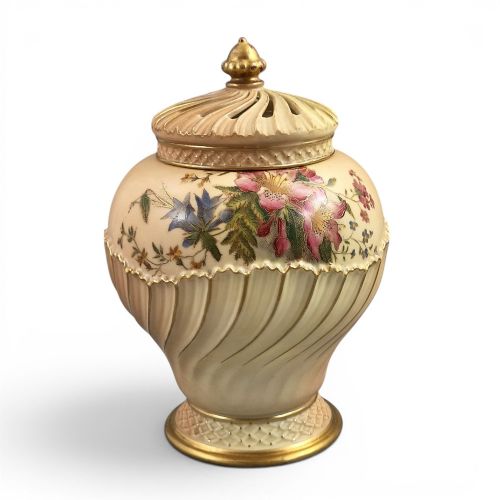
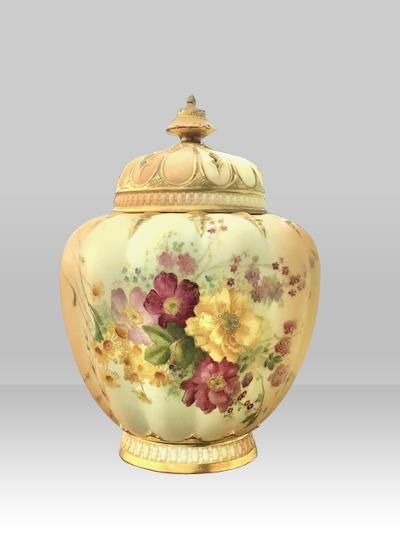
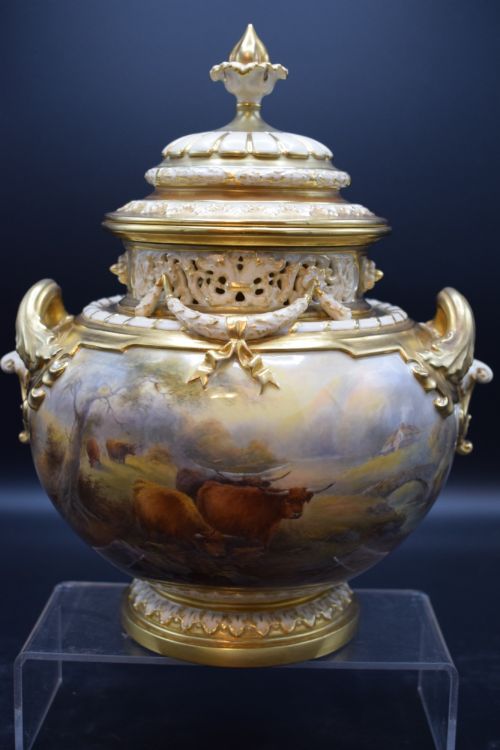
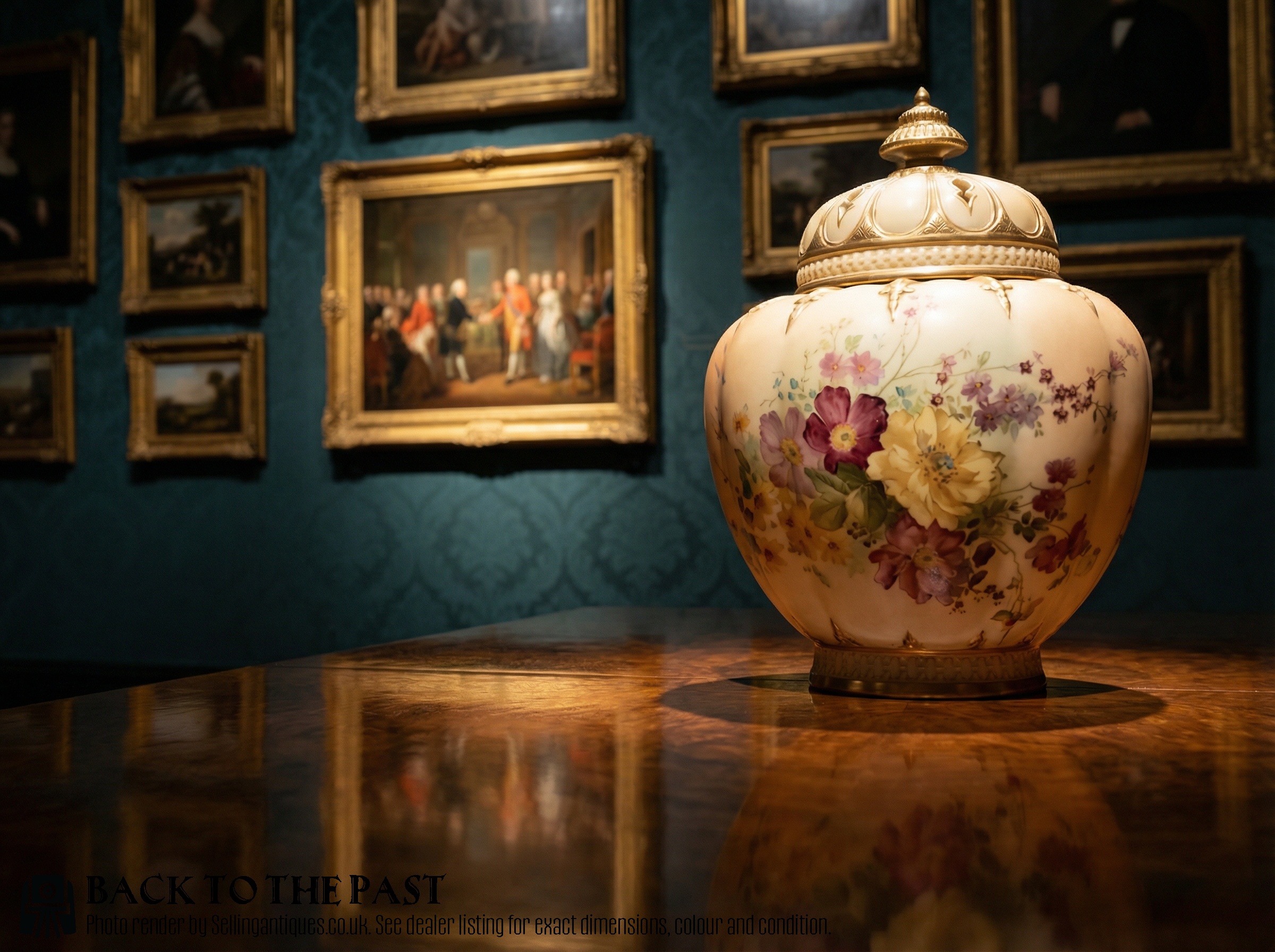
An edwardian ceramic pot pourri typically takes the form of a decorative jar, urn or vase designed to hold scented dried plant material. These vessels appear in forms such as pot pourri jars, pot pourri urns and pot pourri vases, often complete with pierced covers to release fragrance.
The pieces on this page span the Edwardian period alongside dates from nineteen hundred, nineteen ten, nineteen twenty and nineteen forty. Styles range across Edwardian, Victorian, late Victorian and Art Nouveau.
Makers and artists represented include Royal Worcester and Moorcroft Macintyre and Company, with specific work associated with painters such as C Baldwyn, Davis, Kitty Blake, Hadley Ware and Jas Stinton.
How they were made
Makers utilised porcelain and earthenware as the primary ceramic bodies for these vessels, shaping them into decorative jars and vases. Artisans applied detailed enamel painting and blush ivory finishes to the surfaces.
Many examples incorporate gold leaf, gilt and gilding to accentuate rims, handles and covers. Pierced ceramic lids allow the enclosed fragrance to disperse while concealing the contents within.
Edwardian Ceramic Pot Pourri Retail Price Guide 2026
Typical asking prices for edwardian ceramic pot pourri among the pieces listed under this phrase on Sellingantiques today, from the lower quarter to the upper quarter. They describe what is for sale here now, not the wider market.
Jas Stinton painted game birds on pottery while his brother decorated flowers.
What varies in quality
The distinction between standard production and fine work lies in the hand-painted artistry applied to the ceramic body. Pieces featuring named artists display superior brushwork and compositional detail compared to simpler glazed surfaces.
The intricacy of the vessel shape and the application of gilding or gold leaf contribute to the overall refinement of the piece. Preservation of the matching pierced cover remains a key factor in the integrity of the object.
Royal Worcester·Moorcroft Macintyre and Company·C Baldwyn·Jas Stinton·Kitty Blake
The Edwardian Ceramic Pot Pourri Glossary
- Pot pourri
- A mixture of dried petals and spices placed in a jar to perfume a room. These ceramic vessels house the mixture beneath a pierced lid.
- Blush ivory
- A matte cream ceramic ground developed by Royal Worcester. This finish provides a soft backdrop for hand-painted floral and animal scenes.
- Gilding
- The application of gold leaf or gold paint to ceramic surfaces. It highlights specific decorative elements on the vase or jar.
- Earthenware
- A porous pottery body fired at lower temperatures. It serves as the foundation for several pieces in this category.
- Art Nouveau
- A design style characterised by flowing organic lines. This aesthetic influences the decorative motifs found on certain period vessels.
Edwardian Ceramic Pot Pourri: Frequently Asked Questions
What is an edwardian ceramic pot pourri?
These objects are decorative ceramic vessels created to hold and diffuse scented dried plant materials. They typically feature a pierced lid that allows fragrance to escape into a room.
The listings show various forms including jars, urns and vases, produced primarily during the early twentieth century by factories such as Royal Worcester.
How were they used in period homes?
In Edwardian interiors, these containers served a practical purpose by freshening the air in principal rooms. They were placed on mantelpieces, tables or cabinets where gentle warmth could release the stored scents.
Beyond their function as fragrance dispensers, they acted as decorative ornaments that displayed the artistic skill of the ceramic manufactory.
How do I identify a painted artist piece?
Signed works often bear the signature or monogram of the ceramic painter near the base or within the design. Hand-painted subjects such as swans or game birds indicate the work of specific studio artists.
Comparing the brushwork quality and examining the factory marks helps distinguish standard production items from artist-signed pieces.
Are the covers usually original to the jar?
Most surviving pieces retain their matching pierced covers, which were designed specifically to fit the neck of the jar or urn. The glaze and decorative motifs on the lid should match the body of the vessel.
Checking for consistency in the ceramic body and gilding confirms whether the cover belongs to the piece.