



Edwardian Ceramic Plaques
Edwardian ceramic plaques are decorative wall pieces and tiles, offering rich porcelain colour and painted detail for any interior.
Edwardian Ceramic Plaques
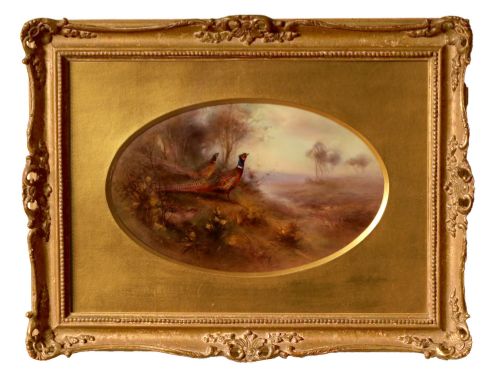
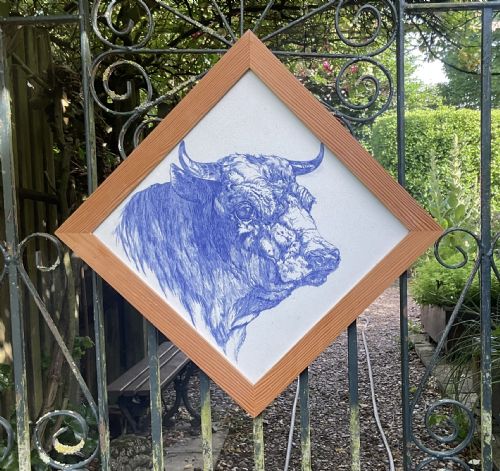
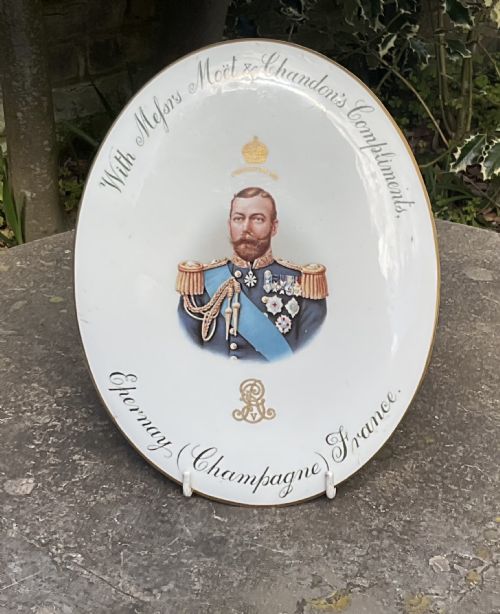
Edwardian ceramic plaques encompass a variety of wall art, decorative tiles and porcelain panels produced around the turn of the twentieth century. These pieces range from hand-painted botanical and avian scenes to relief-moulded neo-classical figures and commemorative tiles.
Buyers seeking edwardian ceramic plaques will find works executed on porcelain and earthenware bodies, often framed in wood or giltwood for wall hanging. The selection bridges formal portrait medallions and vibrant arts and crafts designs.
Makers and potteries of this era utilised traditional firing and glazing techniques to achieve deep polychrome finishes and crisp relief work. Many examples survive mounted in original frames or integrated into decorative woodwork.
Materials and manufacture
The primary bodies utilised for these works are porcelain and earthenware, fired at high temperatures to ensure durability and a smooth surface for pigments. Potters applied specialised glaze formulations to seal the clay and provide a glossy or satin sheen.
Decoration involved hand-painting with ceramic enamels, sometimes enhanced with gold leaf or gilt details, followed by secondary firing to fix the colours. Relief plaques were pressed from moulds before firing, creating three-dimensional scenes of children or classical motifs.
Listings feature porcelain and earthenware materials alongside wood and giltwood frames.
Assessing quality and execution
Quality in these ceramics rests primarily on the skill of the artist and the crispness of the moulding. Hand-painted works by named painters display finer brushwork and more nuanced colour blending than standard factory output.
The integration of the piece into its mount also dictates overall quality. Original frames, professional mounting and well-preserved glaze surfaces without heavy crazing elevate the standing of a plaque within its period.
Royal Worcester·Mintons·Minton Hollins·Wedgwood·Sherwin and Cotton·Longwy·Royal Doulton
The Edwardian Ceramic Plaques Glossary
- Earthenware
- A porous pottery body fired at lower temperatures, typically requiring a glaze to render it waterproof. It forms the base for many decorative tiles of the period.
- Porcelain
- A dense, vitrified ceramic material fired at high heat, prized for its bright white body and smooth finish. It serves as the canvas for fine hand-painted art plaques.
- Glaze
- A glassy coating fused to the ceramic body during firing to colour, decorate or waterproof the piece. It protects the underlying clay and adds surface sheen.
- Jasperware
- A fine-grained, unglazed stoneware developed with a contrasting coloured background and applied white relief figures. It is frequently seen in neoclassical portrait medallions.
- Majolica
- A type of earthenware coated with an opaque tin-lead glaze and decorated with brightly coloured metal oxides. It produces rich, glossy panels often used in architectural furniture.
Edwardian Ceramic Plaques: Frequently Asked Questions
How do I hang a ceramic plaque?
Most antique plaques come mounted in wooden frames or fitted with integrated hanging loops attached to the reverse. Ensure the wall fixings match the weight of the framed piece.
Avoid hanging plaques in areas with high moisture or direct sunlight to protect the glaze and painted enamel details over time.
Were these plaques meant for walls?
While many were produced specifically as wall art and decorative plaques, others originated as architectural tiles or cabinet plates later mounted for display. Their versatile forms allowed them to be integrated into furniture or hung independently.
Examining the reverse often reveals mounting evidence that clarifies the original intended use of the piece.
How should I clean my plaque?
Dust the surface gently with a dry, soft cloth to remove everyday particles without disturbing the glaze or frame. Avoid liquid cleaners, especially on antique earthenware or pieces with exposed gilt leaf.
If the plaque is set within a wooden or giltwood frame, keep moisture away from the join between the ceramic and the wood.
What defines the Edwardian style?
Edwardian design draws heavily on neoclassical elegance alongside the organic, flowing lines of art nouveau and arts and crafts movements. This era favoured bright, optimistic colour palettes and refined decorative arts.
Objects from this period often reflect a revival of earlier classical and regency motifs executed with modern manufacturing precision.