
Antique Ceramic Relief
Antique ceramic relief encompasses sculpted vessels and wall plaques spanning nineteenth-century European factories and Japanese studios.
Antique Ceramic Relief
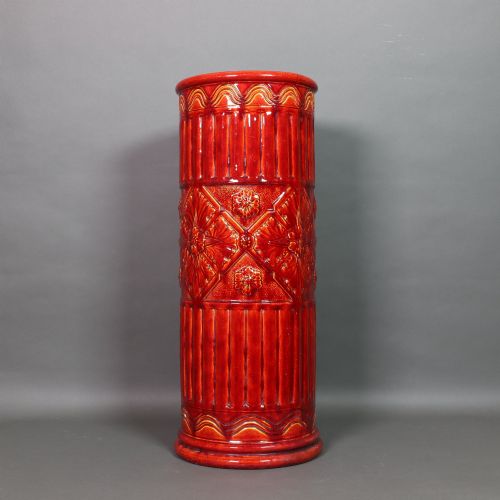
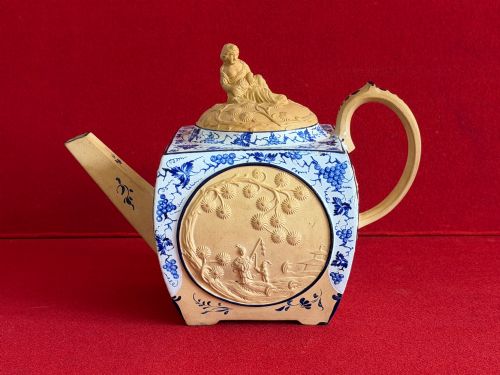
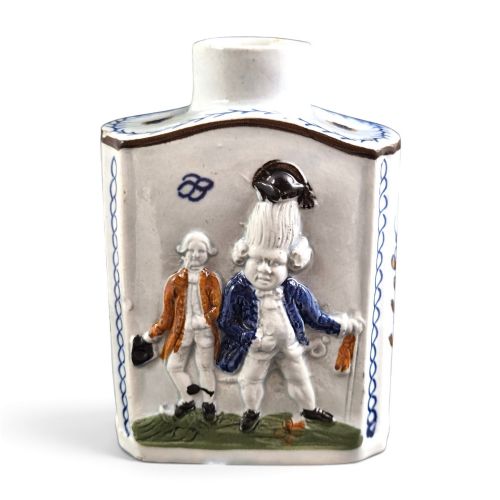
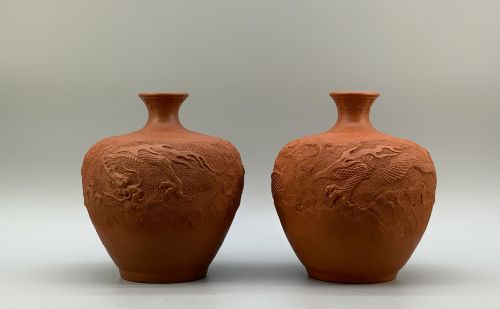
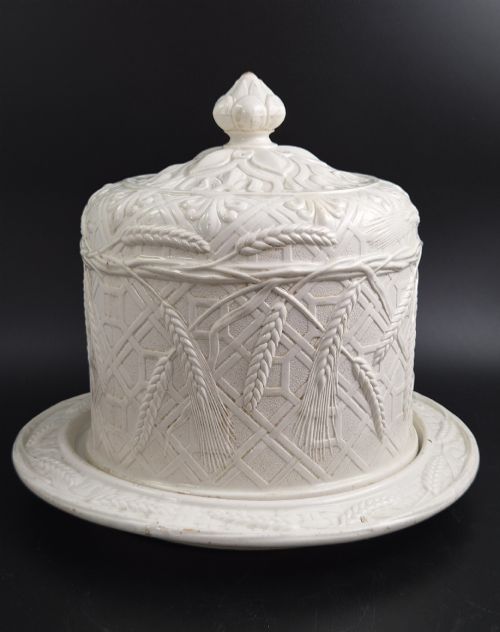
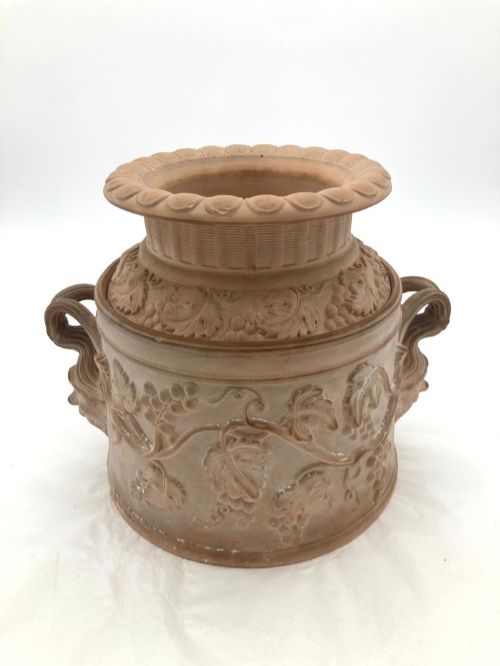
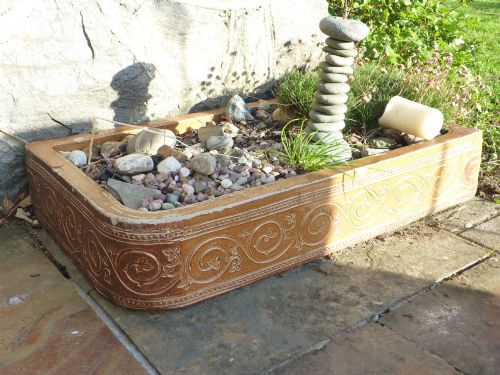
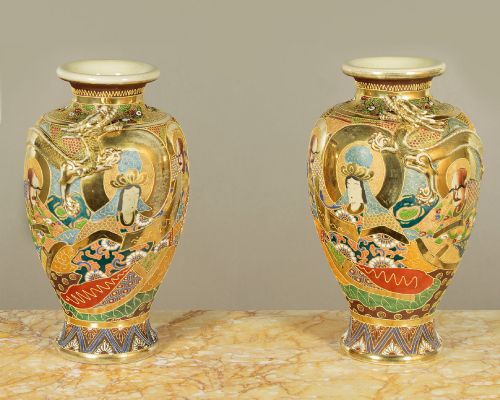
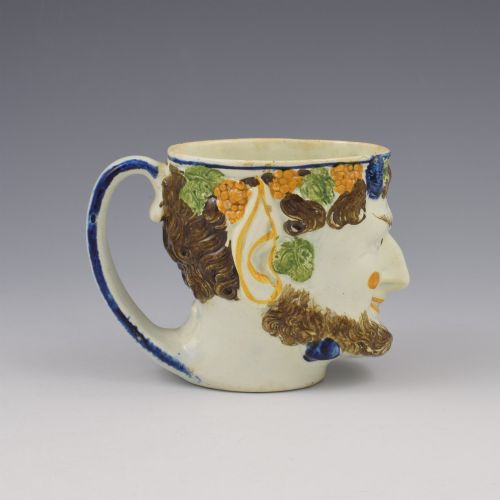
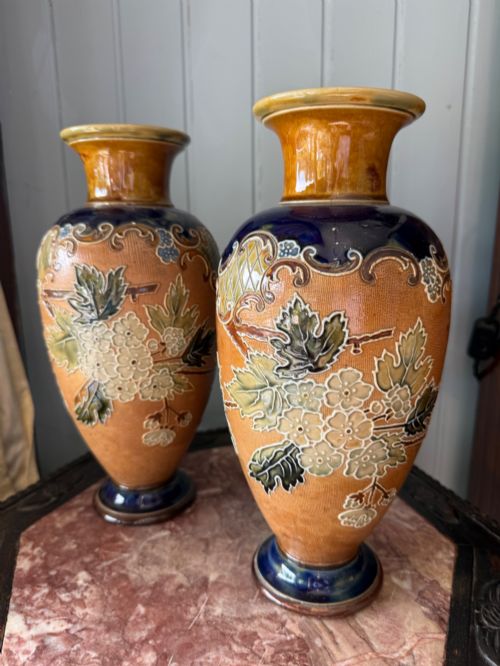
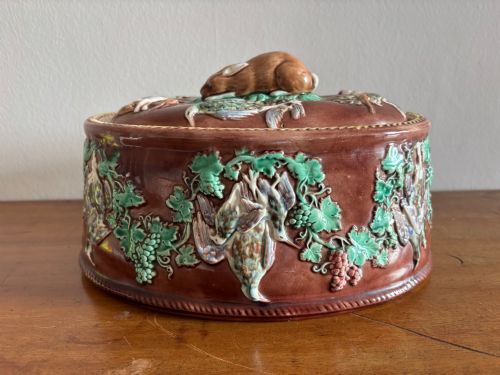
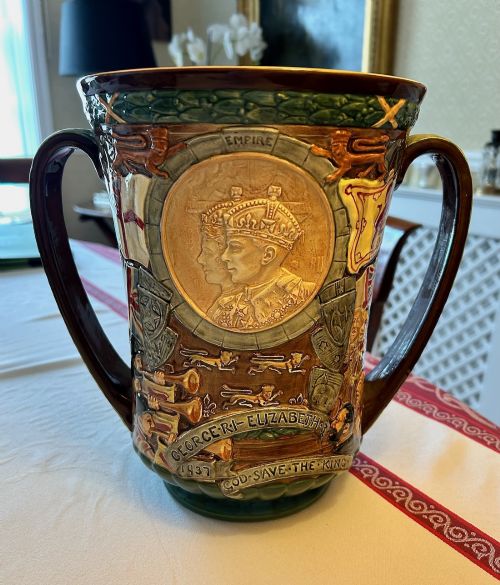
When you search for antique ceramic relief, you encounter three-dimensional moulded surface decoration upon earthenware, stoneware, and terracotta. The pieces on this page range widely across forms, including decorative wall plaques, figural jugs, cheese domes, and tall vases.
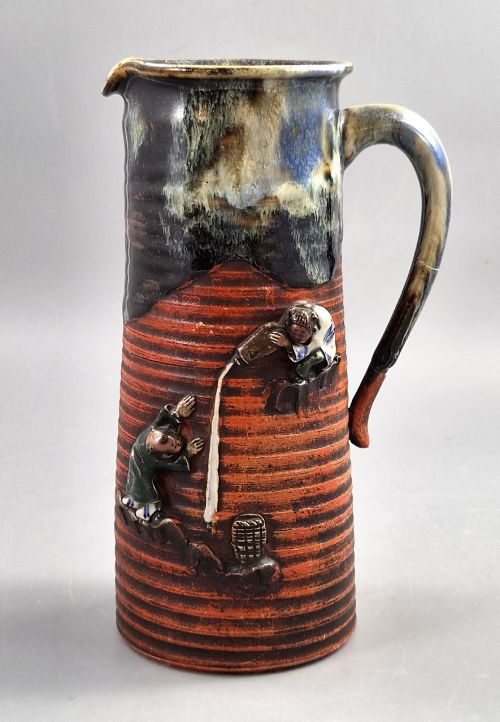
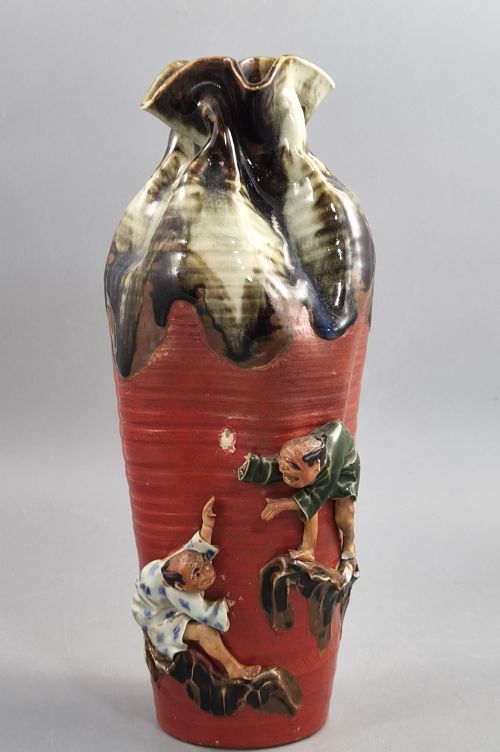
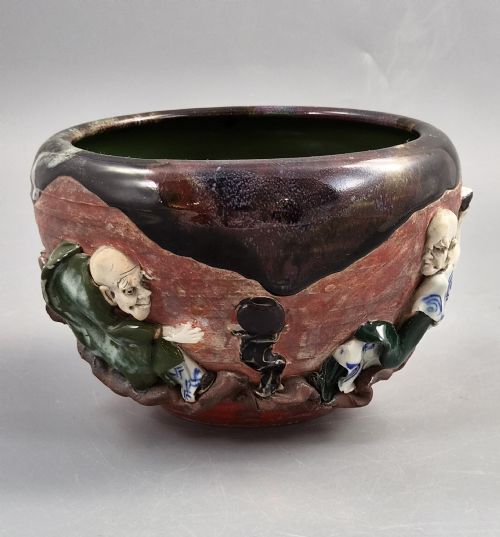
Victorian majolica and Jasperware represent prominent British forms featuring raised ornamentation. Alongside these, Japanese Sumida Gawa pottery displays distinct modelled figures crawling across textured surfaces.
Continental output contributes salt-glazed pitchers, terracotta plaques, and earthenware vessels modelled with classical or naturalistic scenes. These objects unite utilitarian function with sculptural modelling across the nineteenth and early twentieth centuries.
How they were made
Potters built up relief decoration through moulding, slip-casting, or hand-sculpting clay directly onto bodies of earthenware, stoneware, or terracotta before firing. Artisans then applied coloured glazes, enamel, or salt glazing to accentuate the raised contours of the design.
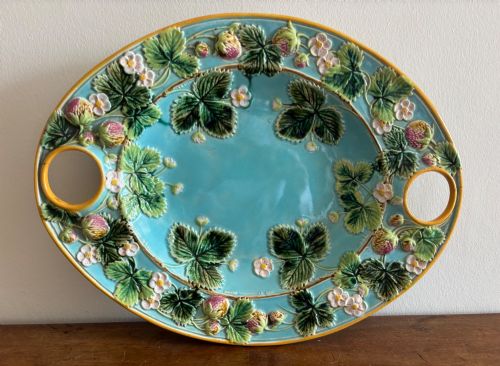
Techniques varied from the sharp press-moulded sprigs of Jasperware to the thick, pooled flambe glazes and applied figures characteristic of Sumida Gawa wares. Majolica pieces utilised opaque coloured lead glazes over moulded earthenware to create vibrant relief surfaces.
Listings feature nineteenth-century earthenware, stoneware, and terracotta forms, including wall plaques, cheese domes, and Japanese Sumida Gawa vases.
What varies in quality
Quality in antique ceramic relief depends primarily on the crispness of the modelling and the control of the glaze. Superior pieces retain sharp definition in undercut details and facial expressions without blurring from excess glaze pooling.
The sophistication of the modelling separates standard production wares from masterworks, particularly in hand-modelled Japanese sculptural pottery and detailed European majolica plaques. Balance in form and proportion further distinguishes exceptional examples from simpler decorative items.
Davenport·Royal Doulton Lambeth·Inoue Ryosai·George Jones·Clement Messier·Simon Peter Gerz·Ernst Wahliss
The Antique Ceramic Relief Glossary
- Jasperware
- A fine unglazed stoneware developed with distinct coloured backgrounds and white applied cameo reliefs. Wedgwood produced notable examples throughout the nineteenth century.
- Majolica
- earthenware pottery covered with coloured lead glazes that pool richly over moulded relief decoration. This technique produced vibrant nineteenth-century tableware and decorative objects.
- Sumida Gawa
- Japanese pottery originating from the Tokyo area featuring heavily textured surfaces and modelled sculptural figures climbing across the vessels. Pieces often display drip or flambe glazes.
- Terracotta
- Unglazed or slip-coated fired brown clay utilised for sculptural plaques, vases, and Grand Tour decorative objects. The material allows for fine detail in relief modelling.
- Salt Glaze
- Stoneware pottery finished by throwing common salt into the kiln during high-temperature firing, producing a pitted texture resembling orange peel. German and French makers frequently employed this method.
Antique Ceramic Relief: Frequently Asked Questions
What is ceramic relief?
Ceramic relief refers to pottery or plaques featuring designs that project outward from a flat or curved background surface. Makers achieved this effect through moulding, pressing, or hand-sculpting clay before firing.
Items span utilitarian vessels like jugs and cheese domes to purely decorative wall plaques and sculptural vases. The technique highlights decorative scenes, figures, or botanical motifs across various historical periods.
How do I care for antique relief ceramics?
Keep antique ceramic relief pieces away from direct sunlight and sudden temperature changes to protect the glaze and clay body. Dust gently with a soft brush to reach into the crevices of the raised modelling.
Avoid submerging pieces with applied elements or delicate painted surfaces in water. Professional conservation advice remains best for antique items showing previous restoration.
How do I identify Sumida Gawa pottery?
Sumida Gawa pottery stands out through its rough, textured surfaces and modelled figural scenes climbing across vases and bowls. Makers applied distinct thick flambe or drip glazes over these sculptural additions.
Many examples originate from the Meiji and Taisho periods and feature artist signatures applied to small plaques on the body. The tactile, handmade quality distinguishes them from standard factory-produced ceramics.
What is the difference between Jasperware and majolica?
Jasperware is a matte, unglazed stoneware featuring sharp white cameo reliefs applied against a solid coloured background. The style prioritises neoclassical restraint and precise geometric or mythological detailing.
Majolica employs glossy, colourful lead glazes over moulded earthenware to create vibrant, often naturalistic relief surfaces. The aesthetic focuses on rich colour palettes and lush botanical or animal motifs.