

Edwardian Center Table
An Edwardian centre table brings freestanding elegance to a room, offering a versatile surface shaped in mahogany, walnut, and inlaid satinwood.
Edwardian Center Table
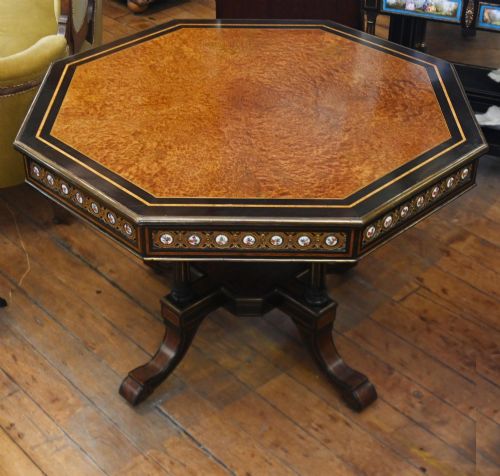
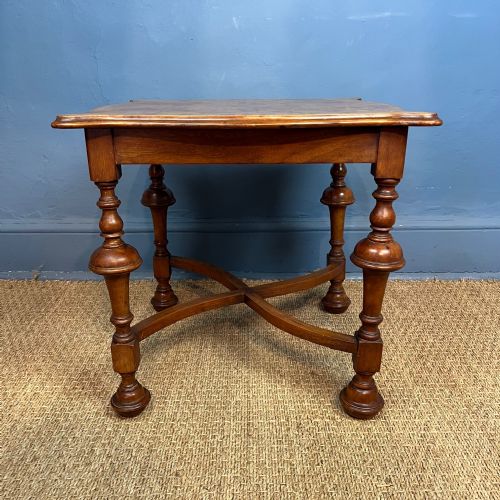
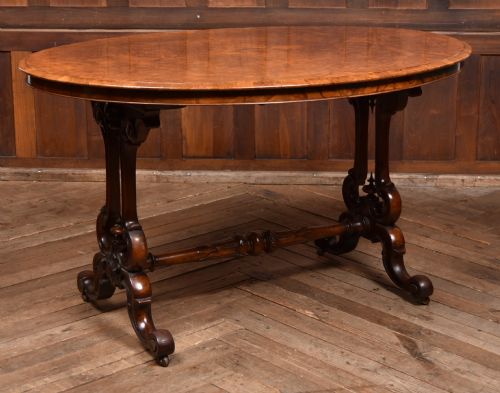
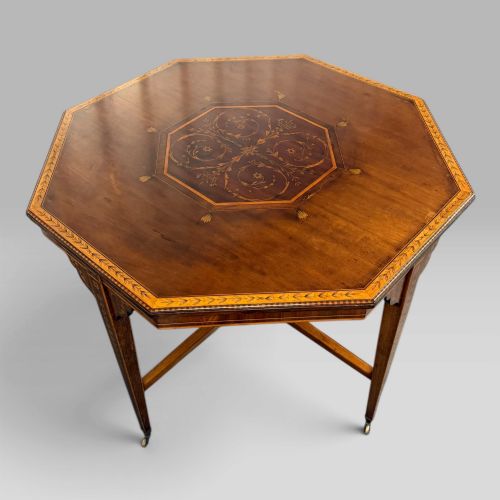
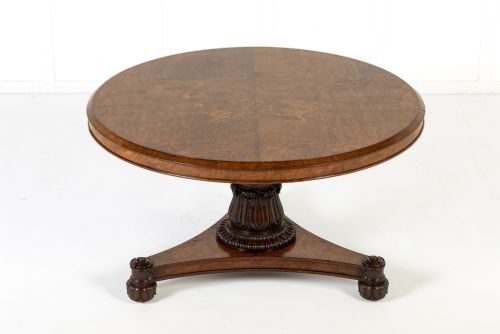
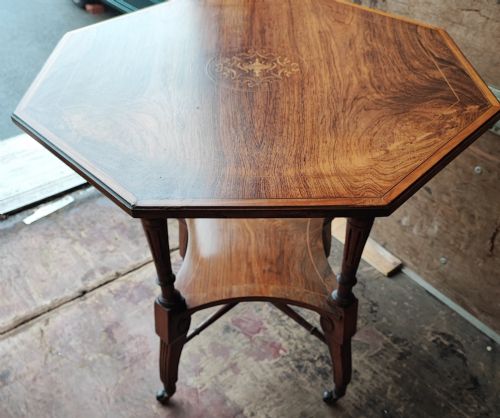
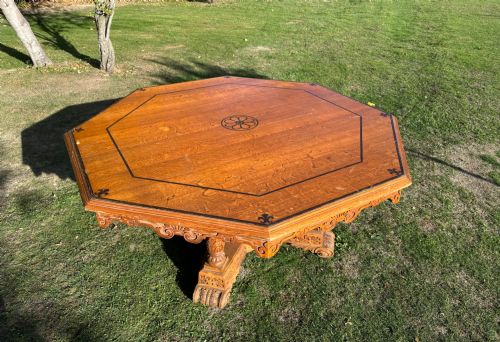
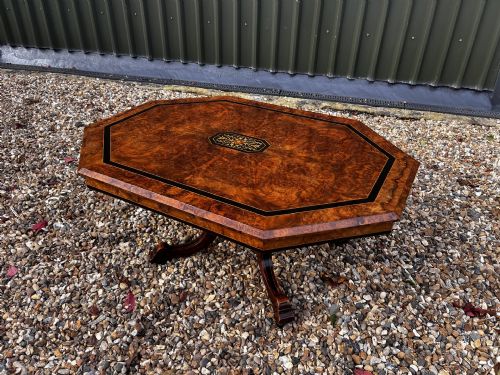
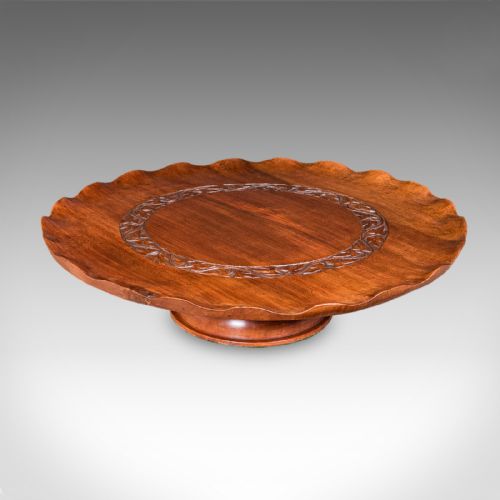
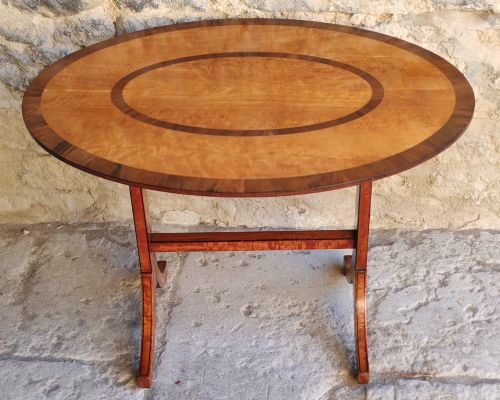
An edwardian centre table represents a specific form of freestanding furniture designed to sit proudly in the middle of a room rather than pushed against a wall. The pieces found here span the Edwardian period alongside nineteenth century Victorian and Regency antecedents, taking shapes that include circular, oval, octagonal, and square tops.
Buyers most frequently encounter variations in mahogany, walnut, and burr walnut, often detailed with marquetry or satinwood inlay. Alongside traditional centre tables, the selection includes occasional tables, lamp tables, and coffee table adaptations derived from earlier forms.
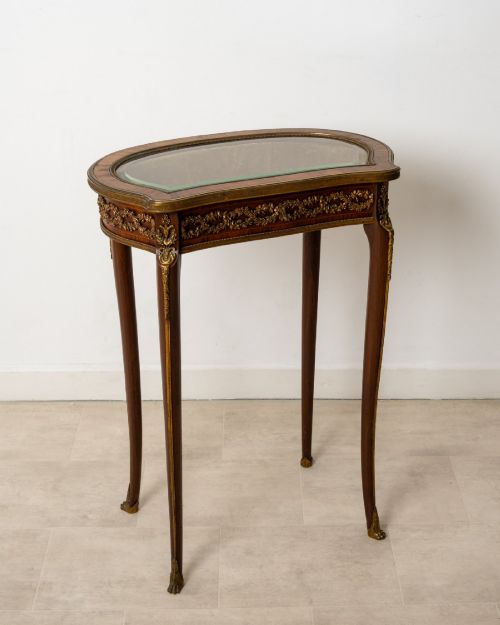
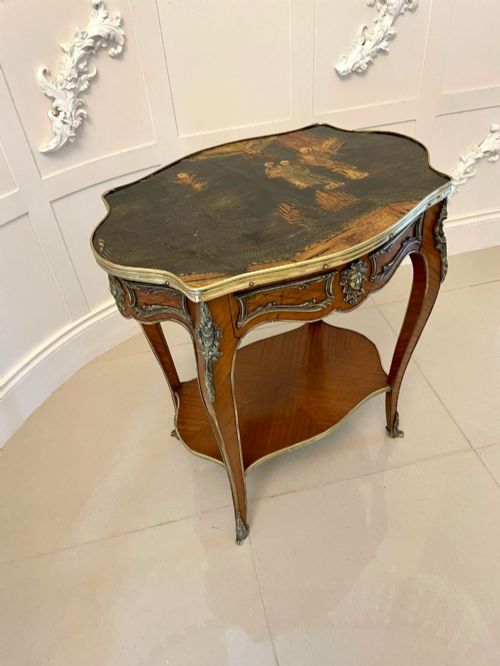
Design influences stretch from Sheraton Revival and Chippendale styles to French Louis XV revivals featuring gilt bronze or ormolu mounts. Makers utilised various timbers to create surfaces intended for display and everyday use in reception rooms.
Materials and Construction
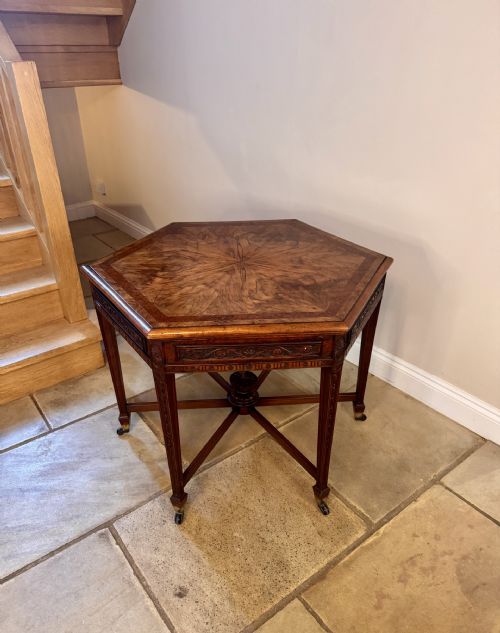
Carpenters constructed these tables using solid foundational timbers such as mahogany, oak, and walnut, frequently applying fine veneers like burr walnut, yew wood, satinwood, and kingwood to top surfaces. Marquetry and parquetry techniques introduced geometric or floral patterns utilising contrasting woods and boxwood stringing.
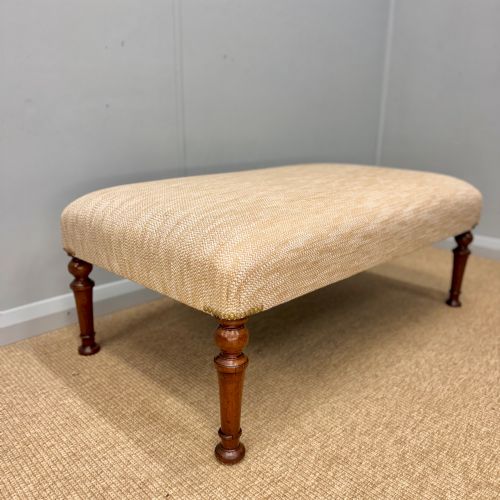
Metal elements including brass castors, gilt bronze, and ormolu mounts provided both mobility and decorative accent. Tables often incorporated turned legs, carved details, tripod bases, or claw and ball feet to support the weight of timber and marble tops.
Edwardian Center Table Retail Price Guide 2026
Typical asking prices for edwardian center table among the pieces listed under this phrase on Sellingantiques today, from the lower quarter to the upper quarter. They describe what is for sale here now, not the wider market.
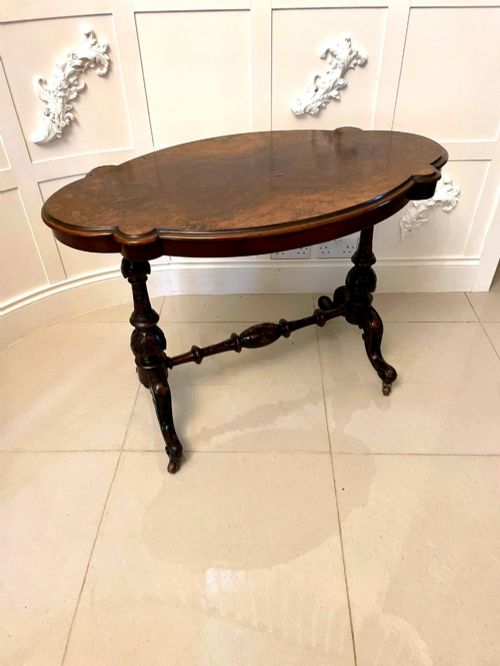
Several tables roll about on original brass castors, built so a Victorian host could reposition the furniture without scraping the floorboards.
Assessing Craftsmanship
The standard of a piece rests upon the choice of timber and the precision of its veneers, where figured grains like burr walnut and burr yew demand expert selection and matching. Finely executed marquetry inlay and crisp wood carving distinguish superior examples from plain utility pieces.
Structural integrity depends on the joinery of the frame and the quality of secondary woods used beneath veneers. Mounts cast in ormolu or gilt bronze show greater definition and weight in higher tier examples, reflecting the skill of the workshop.
Edward s And Robert s·Holland And Sons·Elkington
The Edwardian Center Table Glossary
- Marquetry
- Decorative veneer work forming pictures or patterns using various coloured woods. This technique adorns many tabletops within the collection.
- Parquetry
- Geometric mosaic woodwork used for patterned surfaces. It creates a repeating tiled effect across tabletops.
- Ormolu
- Gilt bronze mounts applied to furniture for decoration. These metal details appear frequently on French revival pieces.
- Crossbanded
- A border veneer applied perpendicularly to the main grain of the tabletop. This frames the central panel with a contrasting stripe of timber.
- Tripod base
- A three-legged support structure often found on smaller occasional and tilt-top tables. It allows the table to balance securely on a central column.
Edwardian Center Table: Frequently Asked Questions
Where should I place an edwardian centre table?
These tables are designed to be viewed from all sides, making them suited for the middle of a drawing room or large hallway. They function well as lamp tables or display surfaces away from walls.
Ensure there is enough walking space around the perimeter to appreciate the freestanding form and any inlaid detailing on the top.
How do I care for a veneered tabletop?
Keep wooden surfaces away from direct sunlight and heat sources to prevent the veneers from drying out or cracking. Use coasters and mats to protect polish from moisture and heat.
Dust regularly with a dry, soft cloth and apply quality beeswax polish sparingly to maintain the sheen of the timber.
What is the difference between an occasional table and a centre table?
A centre table is traditionally built to stand independently in the middle of a room, often featuring finished ornamentation on all sides. Occasional tables are generally smaller and lighter, intended to be moved about a room as needed.
Both forms utilise similar timbers and decorative techniques such as satinwood inlay and marquetry.
How can I date an edwardian table?
Examine the secondary woods, construction methods, and overall style cues to determine the period. Edwardian pieces often display lighter satinwood inlays and Sheraton Revival influences.
Comparing the turned legs, castors, and veneer patterns with nineteenth century Victorian examples helps clarify the age of the piece.