


Edwardian Cased Silver Fork
These edwardian cased silver fork sets offer formal dining service in fitted presentation boxes lined with silk or velvet.
Edwardian Cased Silver Fork
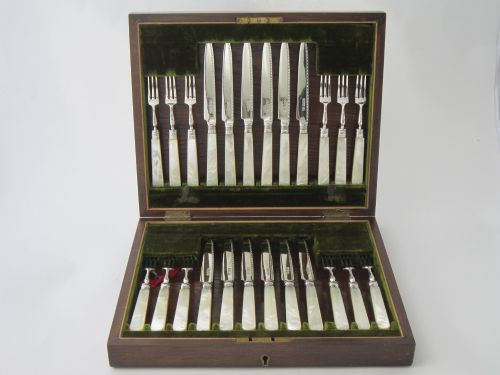
An edwardian cased silver fork sits within a fitted box designed for presentation, storage and formal dining use. The pieces span periods from the nineteenth century into the twentieth century, encompassing Victorian, Edwardian, George V and Art Deco styles.
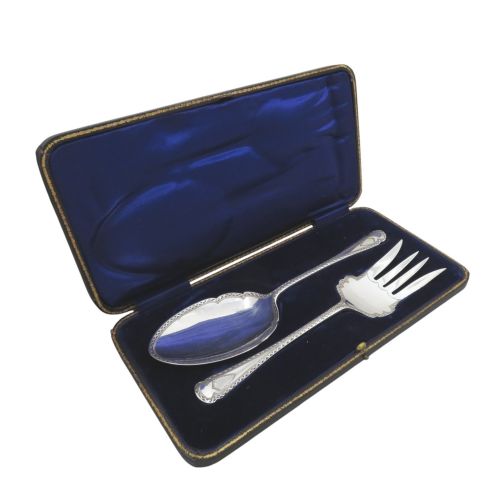
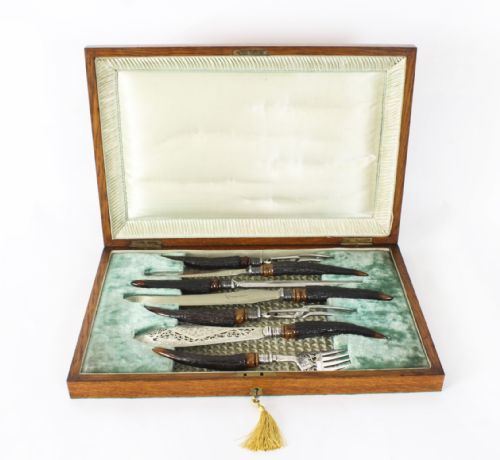
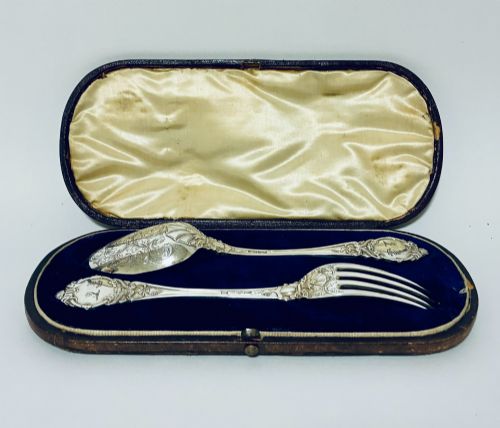
The form varies widely across the evidence, appearing as single bread forks, pickle forks, sardine servers, christening sets, lobster picks, cake forks and larger dessert or carving sets. Most examples combine sterling silver or silver plate with handles formed from mother of pearl, stag antler or wood.
Makers from Birmingham and Sheffield dominate the recorded origins, with several sets remaining housed in original oak, leatherette or velvet-lined wooden canteens. Buyers meet these items packaged alongside matching spoons, knives or serving pieces.
Evaluating quality and execution
The distinction between tiers rests upon the choice of materials, particularly the selection of solid sterling silver over silver plate and the grade of natural additions like mother of pearl or stag antler handles. Superior sets display crisp hallmarks and maker marks that confirm the origin of the silver.
The preservation of the original presentation case adds significantly to the completeness of an item, noting the condition of the internal silk or velvet lining and the exterior wood or leatherette housing.
Observed object types include dessert sets, serving cutlery, carving sets, bread forks, lobster picks and christening sets.
William Devenport·Harrods·Waring & Gillows·Adie & Lovekin·Lee & Wigful
The Edwardian Cased Silver Fork Glossary
- Sterling Silver
- A silver alloy containing 92.5 percent pure silver and 7.5 percent other metals, usually copper, ensuring durability for cutlery. This standard metal appears frequently across nineteenth and twentieth century table service items.
- Mother of Pearl
- The iridescent internal layer of pearl oyster and freshwater mussel shells used to fashion decorative cutlery handles. This organic material provides a smooth, lustrous grip on dessert and bread forks.
- Hallmark
- An official stamp applied to precious metals indicating the standard of purity, the assay office of origin, and the date letter for the year of manufacture. These marks allow collectors to trace British silver to cities such as Birmingham and Sheffield.
- Silver Plate
- A base metal coated with a thin layer of pure silver through electroplating or older techniques. This material offers the visual appearance of solid silver at a different production level.
- Canteen
- A fitted box, chest or case designed specifically to store a set of cutlery securely. These containers often feature internal divisions lined with velvet or silk.
Edwardian Cased Silver Fork: Frequently Asked Questions
What is an edwardian cased silver fork used for?
These forks served specialised dining functions, including serving seafood, bread, pickles, sardines, cake or desserts during formal meals.
They were designed to remain protected inside their fitted presentation boxes when not deployed at the dining table.
How do I identify an Edwardian period set?
Look for hallmarks stamped onto the silver components that correspond to assay office date letters from the Edwardian era, typically between 1901 and 1910.
Design styles, such as the specific shaping of mother of pearl handles and fitted oak or leatherette cases, also align with this period.
Are these sets made of solid silver?
The listings include both sterling silver and silver plate items, alongside natural materials like mother of pearl, stag antler and wood handles.
Assay office hallmarks stamped on the metal confirm whether a specific fork is solid sterling silver.
How should I store a cased cutlery set?
Keep the pieces inside their original fitted wooden or leatherette cases to protect the delicate silk and velvet linings from dust and excessive light.
Store the canteens in stable environmental conditions away from direct heat sources to preserve the wood and internal textiles.