
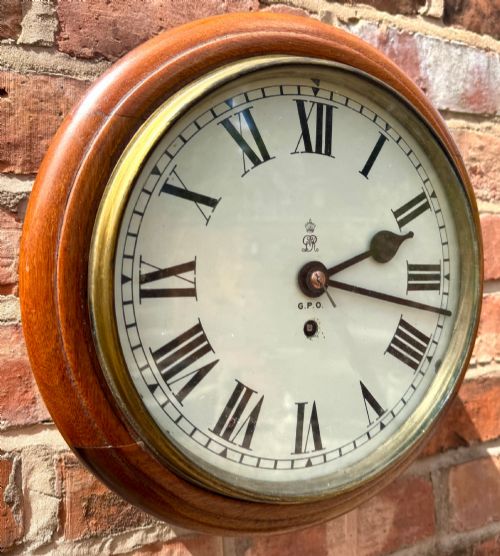
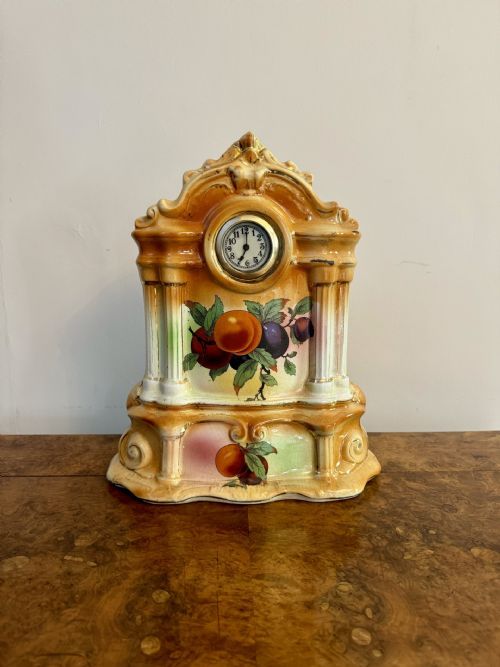


Edwardian Cased Clock
An edwardian cased clock brings together domestic timekeeping and period cabinetry in forms ranging from compact mantel pieces to tall longcase designs.
Edwardian Cased Clock
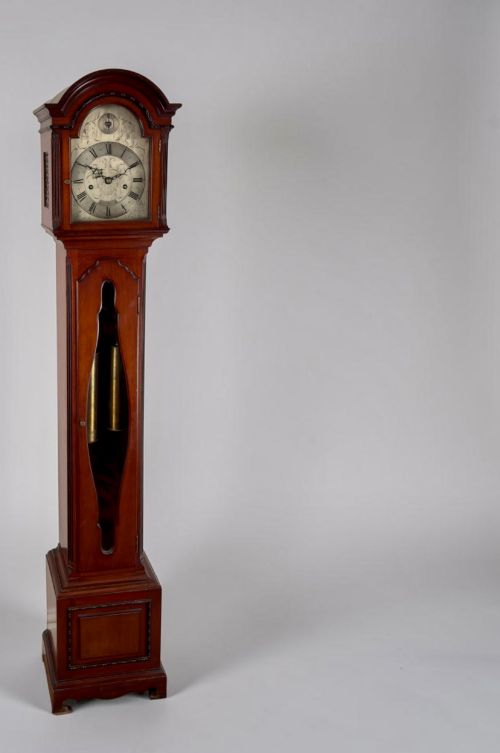
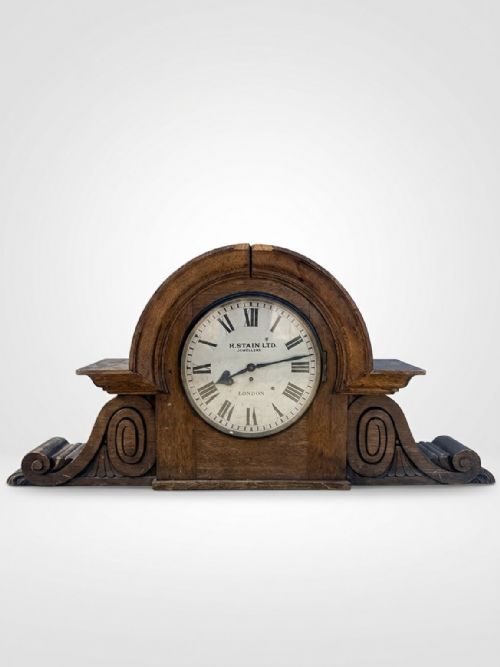
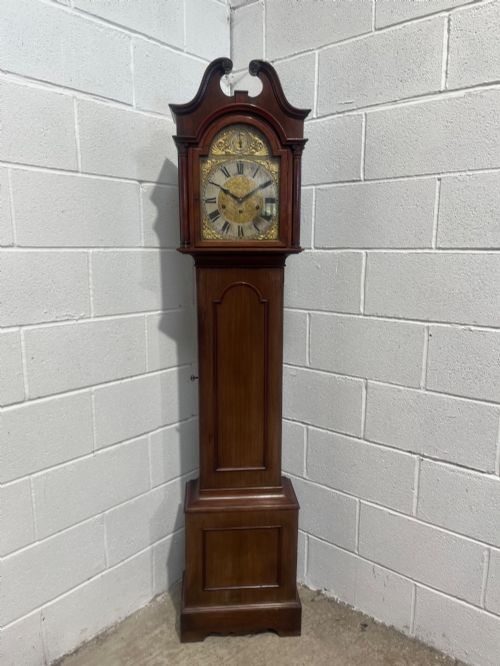
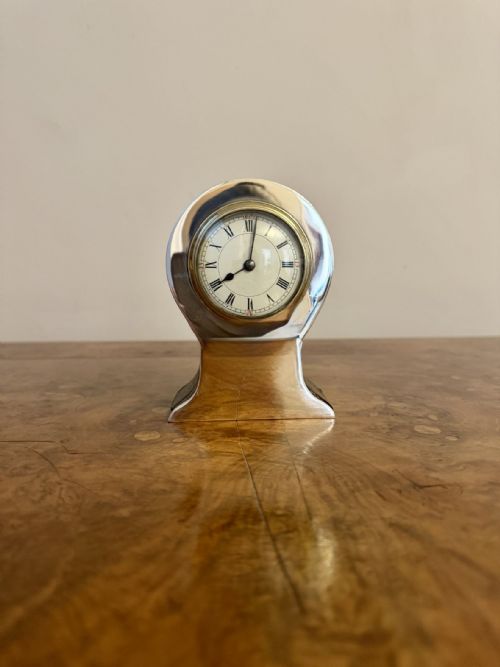
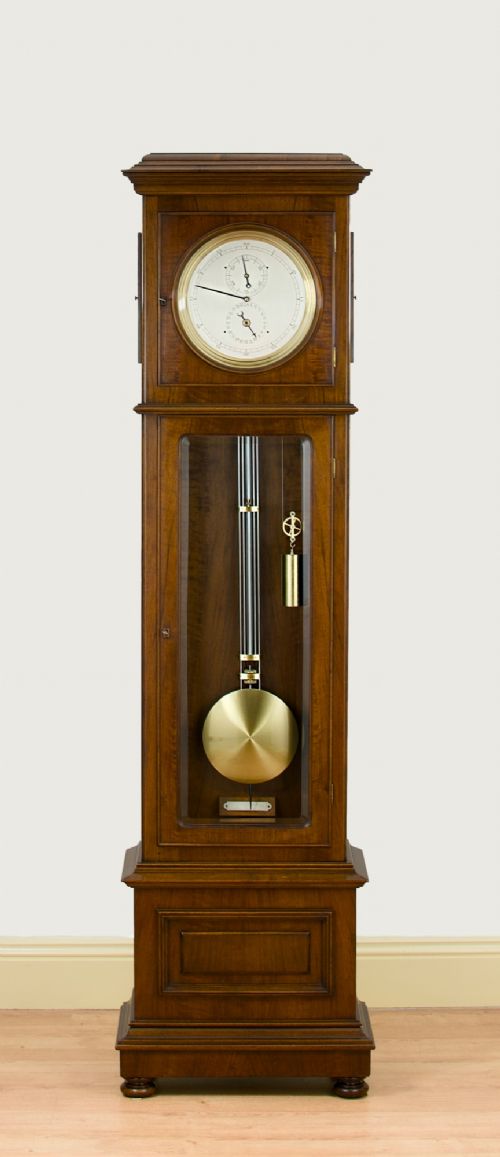
An edwardian cased clock spans a period of craftsmanship defined by substantial wooden housings, visible brass components, and protected dials. The pieces met most frequently on this page include mahogany, oak, and walnut mantel clocks alongside larger longcase and grandmother clocks.
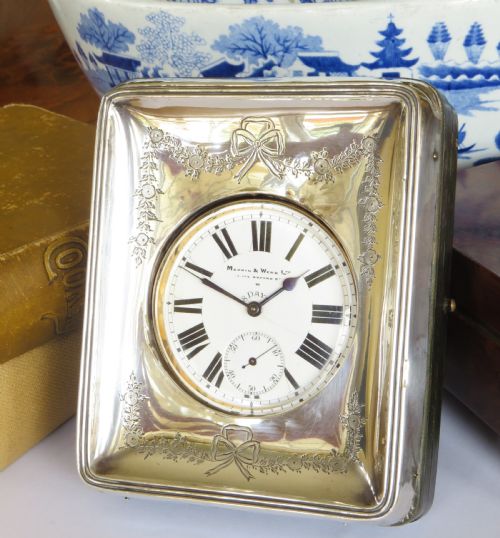
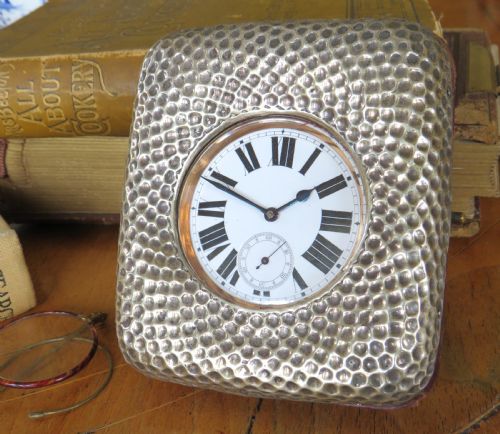
Makers housed these movements in diverse formats such as bracket designs, drop-dial wall units, and travel cases with glass panels. The assortment ranges from compact silver-cased boudoir timepieces to tall chiming floor clocks.
Stylistic influences draw heavily from earlier Georgian and Chippendale revivals, blending traditional proportions with early twentieth-century mechanical movements. Pieces appear in various woods, alongside occasional examples incorporating brass, glass, and enamel.
Materials and Construction
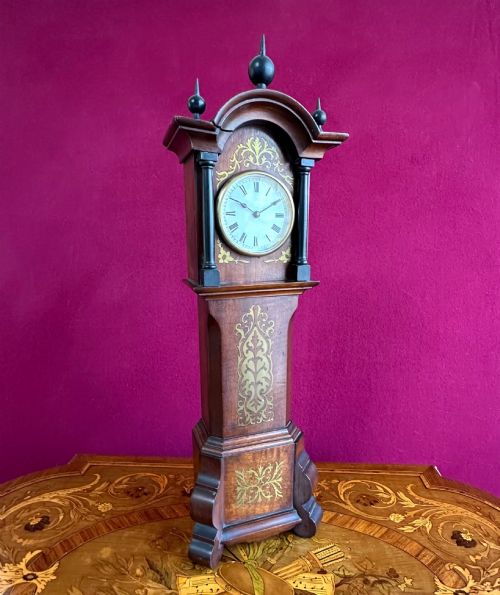
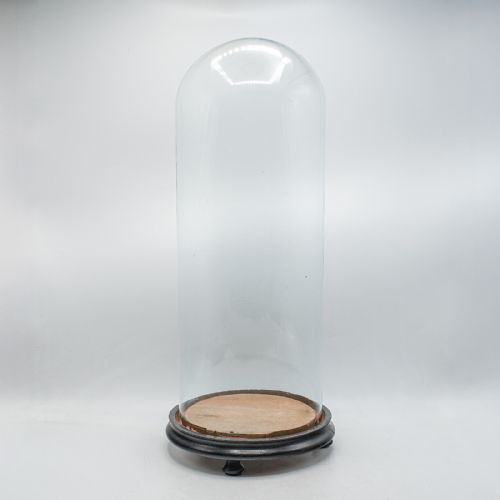
Casework relies on solid and veneered timbers including mahogany, oak, and walnut, often shaped with inlaid details or carved accents. Selected models pair these woods with brass bezels, silvered dials, and protective glass domes.
Movements span mechanical fusee, spring-driven, and weight-driven chiming systems housed securely within the timber housings. Dial faces utilise white enamel, engraved brass, or silvered metal to display the time clearly.
Judging Quality in Cased Clocks
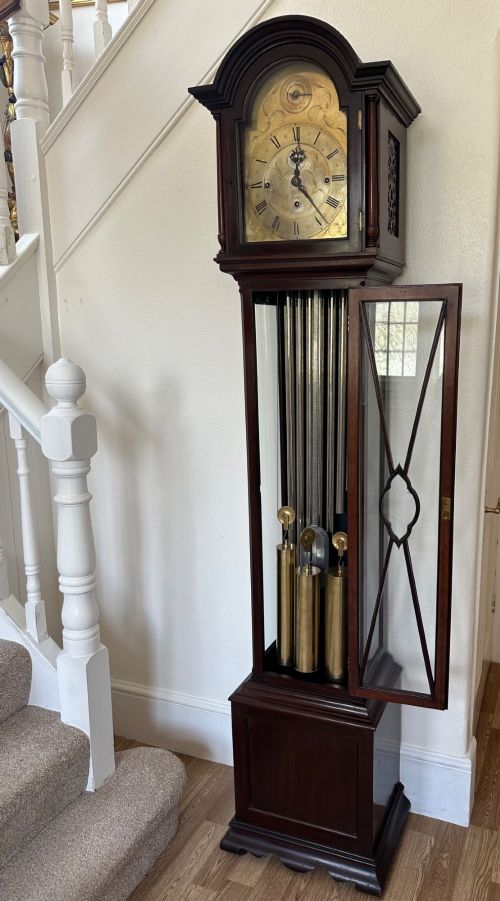
The standard of a piece rests upon the crispness of the timber carving, the choice of veneer, and the complexity of the internal movement. Multi-tube chiming mechanisms and signed dials elevate a clock above standard production models.
Proportion and case integrity define the visual appeal, where balanced woods and intact glass or silver fittings maintain the original character of the piece.
Gillett and Johnston·Edward Shepley·Mappin and Webb·Lenzkirch
The Edwardian Cased Clock Glossary
- Fusee
- A conical pulley used in spring-driven clocks to maintain even tension on the movement as the mainspring unwinds. This mechanism helps the clock maintain accurate timekeeping throughout its run.
- Longcase clock
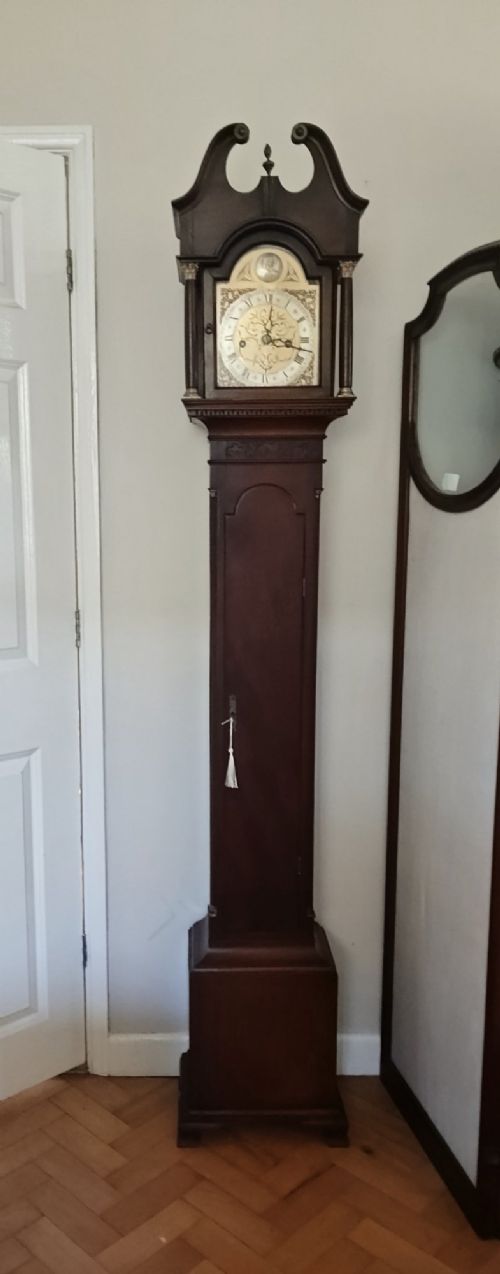
- A tall floor-standing timekeeper housed in a wooden trunk with a weighted pendulum and dial at the top. Also known as a grandfather clock.
- Carriage clock
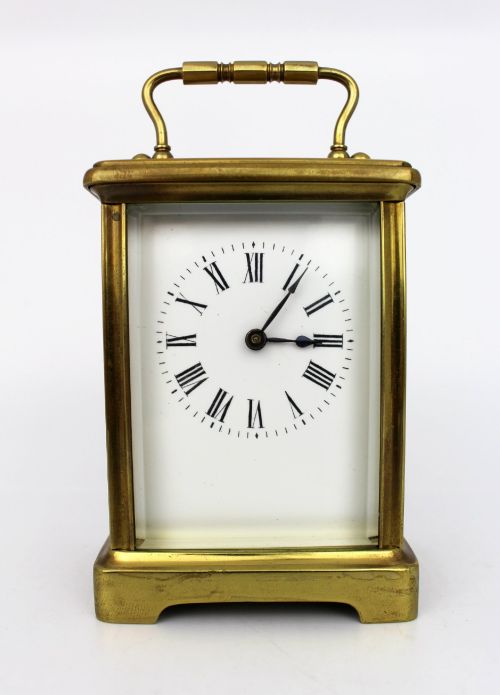
- A small spring-driven portable clock designed for travel, typically fitted with a carrying handle and glass panels. Many examples feature brass or silver outer cases.
- Mantel clock
- A domestic timepiece designed to sit on a fireplace mantel or shelf. These clocks appear in wood, brass, and marble cases.
- Grandmother clock
- A smaller, more slender version of the longcase clock produced during the early twentieth century. They fit well in rooms with lower ceilings.
Edwardian Cased Clock: Frequently Asked Questions
What is an edwardian cased clock?
An edwardian cased clock is a timepiece manufactured during the Edwardian era, enclosed in a protective housing made of wood, brass, or silver. These pieces range from portable travel clocks to large floor-standing longcase designs.
The housings utilise materials like mahogany, oak, and walnut, frequently incorporating decorative inlays or glass panels to showcase the dial and pendulum.
How do mantel clocks differ from wall clocks?
Mantel clocks are freestanding pieces designed to sit flat on a horizontal surface such as a shelf or sideboard. They rely on self-contained bases for stability.
Wall clocks are built to mount directly onto vertical surfaces, featuring rear hanging brackets and drop-dial formats suitable for public or domestic spaces.
Where should I place a longcase clock?
A longcase clock requires a stable, level floor and a vertical wall for support to ensure the pendulum swings evenly. Hallways, landings, and principal living rooms provide suitable environments.
Keep these tall wooden pieces away from direct heat sources and strong sunlight to protect the timber case and internal veneers.
How do I wind a mechanical clock?
Winding involves using a matching key or crank inserted into the winding holes on the dial face to tension the internal springs or weights. Turn the key gently until resistance indicates the spring is fully wound.
Avoid over-winding the mechanism, as this can strain the internal components and disrupt the smooth operation of the gear train.