





Edwardian Carved Wooden Box
When you search for an edwardian carved wooden box, you seek a tactile container shaped by the cabinet-makers of the early twentieth century.
Edwardian Carved Wooden Box
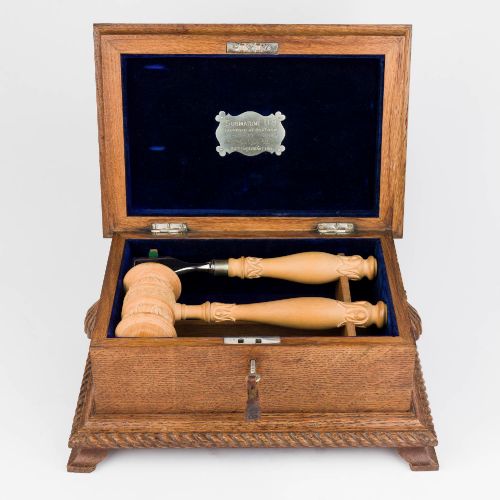
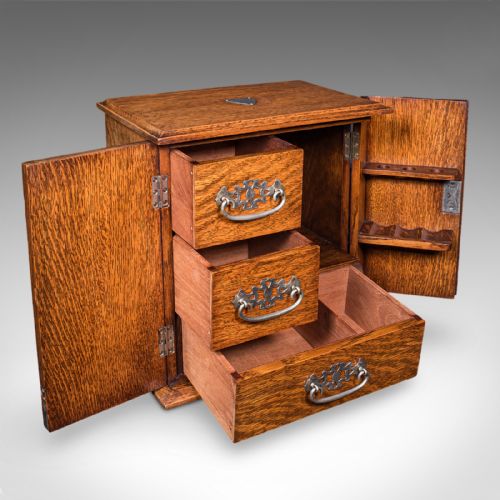
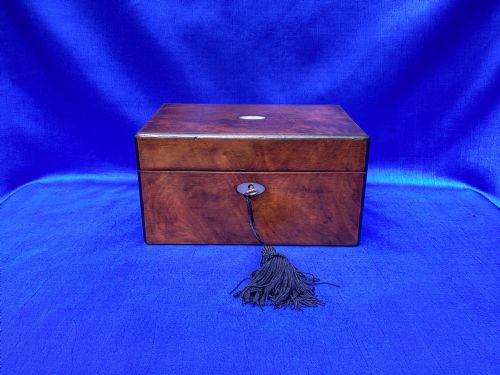
An edwardian carved wooden box is a small storage vessel made during the Edwardian period, often displaying surface ornamentation like chip carving or floral reliefs. These objects include decorative boxes, caskets, stationery cases, and small table cabinets produced in the opening decade of the twentieth century. While the search phrase points specifically to Edwardian work, the listings also reveal pieces spanning from the late Victorian era up to 1910.
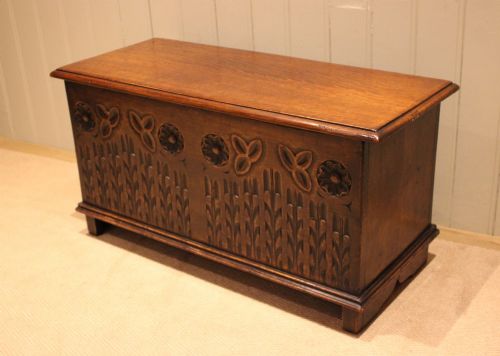
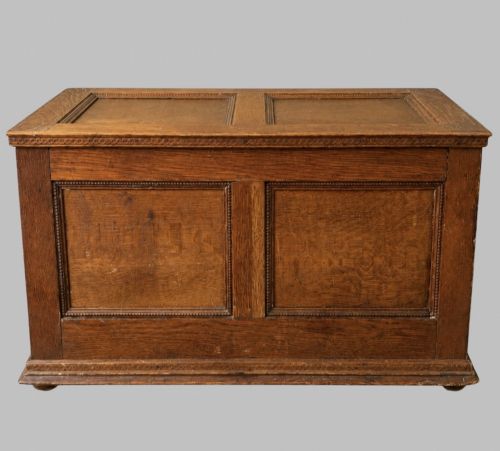
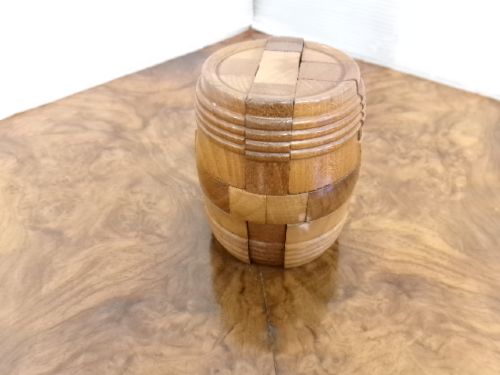
Most examples found in these records are constructed from native or imported timbers such as oak, mahogany, and walnut, frequently fitted with brass handles, hinges, or mounts. The forms vary from blanket chests and purdoniums to small puzzle and glove boxes, reflecting the domestic habits of the period. Makers of the time utilised traditional joinery alongside surface carving influenced by contemporary Arts and Crafts and Art Nouveau ideals.
Materials and construction methods
The primary material in these containers is solid wood, predominantly oak and mahogany, selected for durability and grain pattern. Cabinet-makers shaped these timbers using hand tools, frequently employing panelled construction for larger coffers and dovetailed joints for smaller caskets.
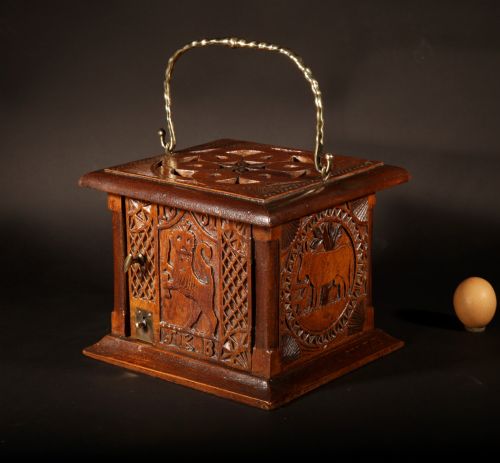
Surface decoration relies heavily on chip carving, low relief floral motifs, and reeded detailing. Brass and silver plate often provide structural reinforcement or decorative contrast on hinges, escutcheons, and carrying handles.
Styles represented across these containers range from late Victorian and Jacobean Revival to Arts and Crafts and Art Nouveau.
Distinguishing quality in period containers
Quality in these pieces rests upon the precision of the joinery and the depth of the carving. Superior examples display crisp, hand-cut details rather than shallow machine stamping, with tight corner joints that remain stable over time.
The selection of timber grain and the integrity of original metal fittings, such as brass locks and hinges, further separate standard utilitarian containers from finer cabinet-maker output.
Freemans of Norwich·Whitty
The Edwardian Carved Wooden Box Glossary
- Chip carving
- A technique of removing small chips from a wooden surface with a knife or chisel to form geometric patterns.
- Purdonium
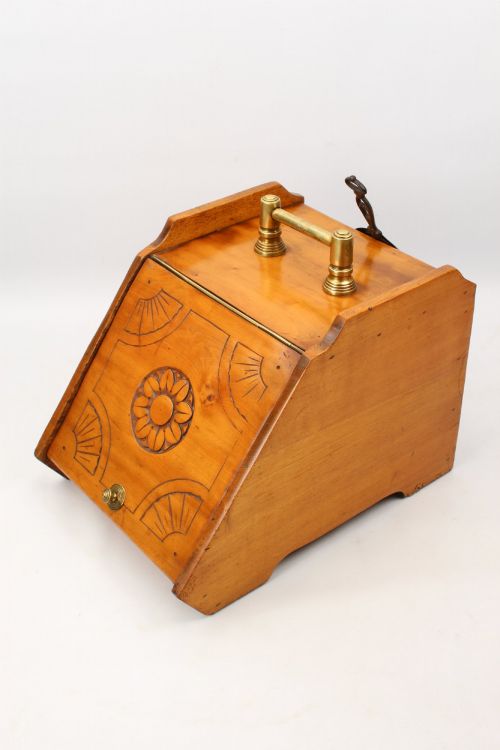
- A specialised domestic coal box, typically fitted with a hinged lid and a drop-front mechanism to hold a coal shovel.
- Coffer
- A heavy wooden chest with a lid, traditionally used for storing valuables or household goods.
- Escutcheon
- A flat plate of brass or other metal surrounding a keyhole to protect the surrounding wood from wear.
Edwardian Carved Wooden Box: Frequently Asked Questions
What is an edwardian carved wooden box used for?
These containers were originally built to house personal valuables, stationery, gloves, or tobacco in the Edwardian household. They served both a practical storage function and a decorative role on desks, sideboards, or tables.
Today, buyers use them to store small keepsakes or integrate them as period decorative accessories within a room scheme.
How do I date an edwardian carved wooden box?
Dating relies on examining the timber species, construction methods, and stylistic cues such as Arts and Crafts or Art Nouveau motifs. Pieces from this era typically date between 1901 and 1910, often showing simpler lines than their ornate Victorian predecessors.
Comparing the hardware, such as brass hinges and locks, with period examples helps confirm the manufacture date.
What woods were used for these boxes?
Cabinet-makers of the period primarily utilised oak, mahogany, and walnut for their durability and attractive grain patterns. Some specialised items incorporated fruitwood, ebony, or exotic porcupine quill work.
Solid timbers were standard for construction, often paired with brass or silver-plated metalwork.
How do I care for an antique wooden box?
Keep the wood away from direct heat sources and strong sunlight to prevent the timber from drying out or splitting. Gentle dusting with a dry or slightly damp cloth preserves the polished surface without stripping the patina.
Occasional application of suitable wax helps maintain the moisture balance of antique hardwoods.