


Carved Timber Casket
These carved timber caskets are solid wooden storage boxes shaped by hand, offering enduring utility and decorative craftsmanship for the home.
Carved Timber Casket
When you search for a carved timber casket, you encounter a diverse selection of wooden boxes and caskets spanning several centuries. The pieces on this page include decorative boxes, jewellery boxes, humidors, and specialised storage forms.
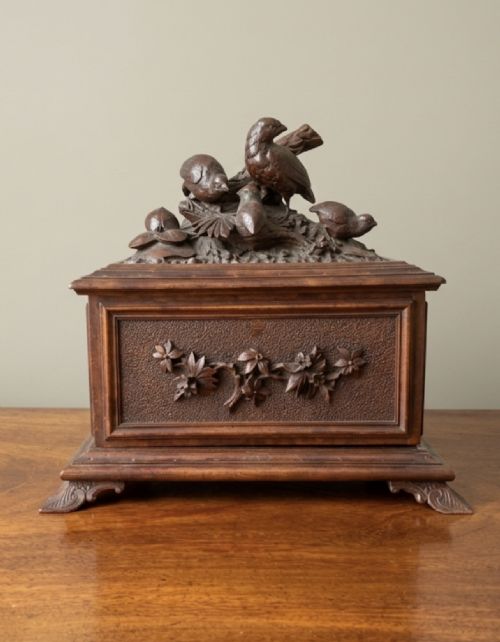
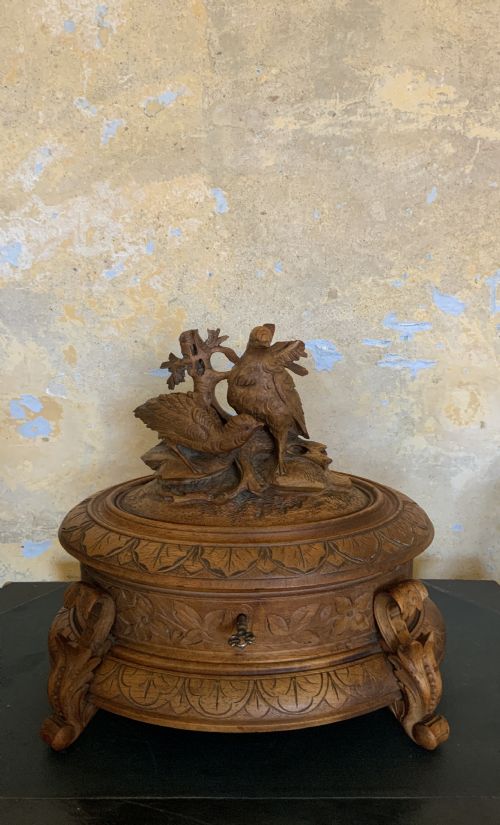
You are most likely to meet 19th-century examples, alongside select 18th-century spice boxes and 17th-century pieces. These containers originate from various regions, encompassing Black Forest workshops, India, Britain, Afghanistan, and Persia.
The forms range from rectangular work boxes and sarcophagus shapes to dome-topped styles and campaign boxes. Each object serves a practical containment purpose while displaying regional carving traditions.
How they were made
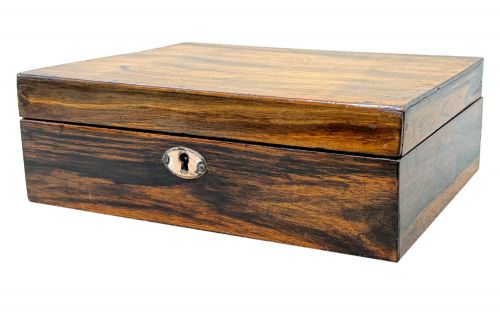
Maker workshops utilised a variety of woods including walnut, teak, rosewood, hardwood, and general carved wood. These materials provided the dense substrate necessary for intricate chisel work and relief carving.
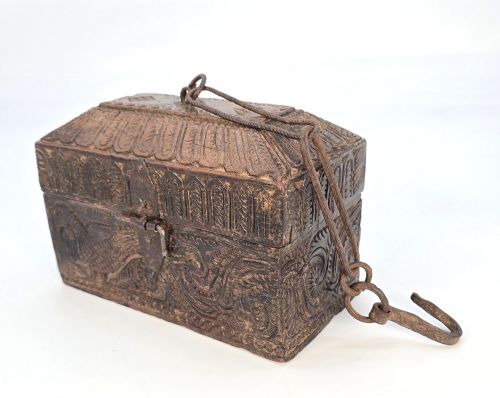
Metal elements such as brass and wrought iron frequently appear as hinges, locks, and structural reinforcements. Artisans combined these hardware components with hand-carved wooden bodies to create durable receptacles.
The listings span from the 17th century through the 19th and early 20th centuries, using materials like brass, walnut, teak, and rosewood.
What varies in quality
The depth and clarity of the chisel work distinguish superior carved timber caskets from simpler items. Skilled carvers achieved sharp relief and balanced symmetry, whereas lesser examples show hurried or shallow incisions.
The selection of timber and the integration of metal fittings also dictate the standard of construction. Finer pieces employ dense hardwoods like walnut or rosewood paired with robust brass hardware that complements the overall design.
The Carved Timber Casket Glossary
- Humidor
- A specialised box designed to store cigars at a constant humidity. These containers often feature fitted wooden interiors.
- Campaign Box
- A portable box built for military officers on deployment. These items typically incorporate robust brass mounts for durability during travel.
- Sarcophagus-Shaped
- A container design featuring a sloping lid and flared base resembling a traditional stone coffin. This architectural profile gained popularity during the Regency and William IV periods.
- Black Forest Style
- A carving tradition originating from the Swiss and German mountain regions. These objects frequently display naturalistic animal carvings and deep foliage motifs in dark woods.
Carved Timber Casket: Frequently Asked Questions
What were carved timber caskets used for?
These boxes served as secure containers for valuable possessions, documents, jewellery, and personal items. Domestic settings relied on them for everyday organisation.
Specific variants accommodated luxury goods like cigars, spices, or weighing scales, protecting delicate contents from dust and damage.
How do I date a wooden casket?
Dating relies on examining the timber species, construction joints, and prevailing stylistic motifs of the period. Eighteenth-century pieces often display hand-sawn boards and regional carving traits.
Later nineteenth-century examples frequently incorporate machine assistance or distinct revival styles such as Black Forest or William IV designs.
How should I clean a carved wooden box?
Maintenance requires gentle dusting with a soft, dry cloth to prevent dirt accumulation within the carved recesses. Avoid modern chemical polishes that can degrade aged timber surfaces.
Applying a traditional beeswax sparingly helps nourish the wood and maintain its natural lustre over time.
Where were these caskets made?
The pieces originate from diverse international workshops across Europe and Asia. British, Dutch, and Alpine European makers produced distinct domestic and regional styles.
Other examples reflect craftsmanship from Indian, Afghan, and Persian traditions, utilising local timbers and native decorative motifs.