



Edwardian Carved Hall Seat
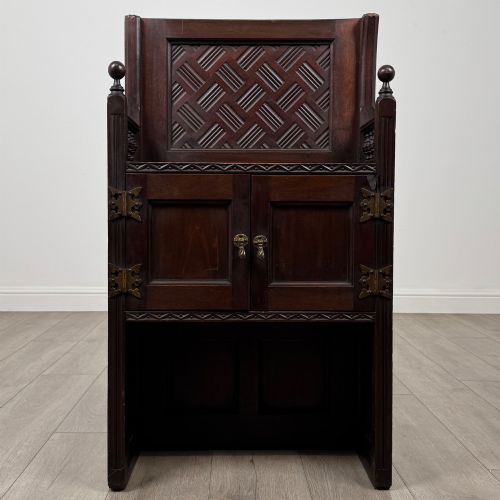
An edwardian carved hall seat is a sturdy timber bench built for the entranceway, offering a firm perch and often dual utility such as storage or stick stands.
Edwardian Carved Hall Seat
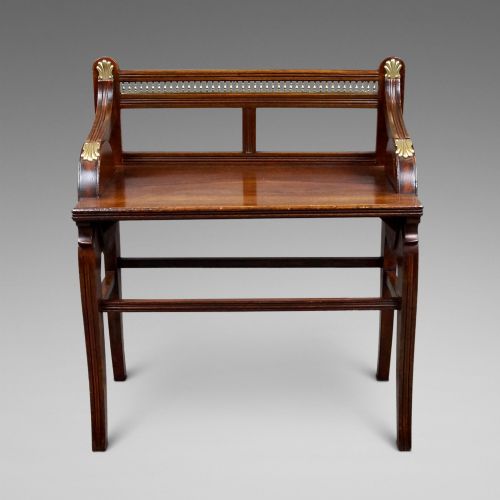
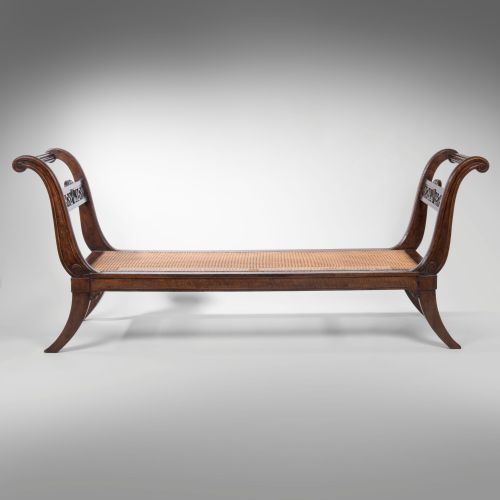
The edwardian carved hall seat sits at the intersection of practical entryway furniture and decorative woodwork, frequently taking the form of a bench, settle, or monks bench. These items appear primarily in oak and mahogany, spanning periods from the late nineteenth century through to the Edwardian era and the nineteen-twenties.
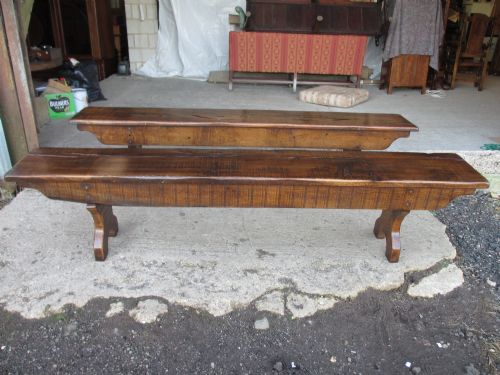
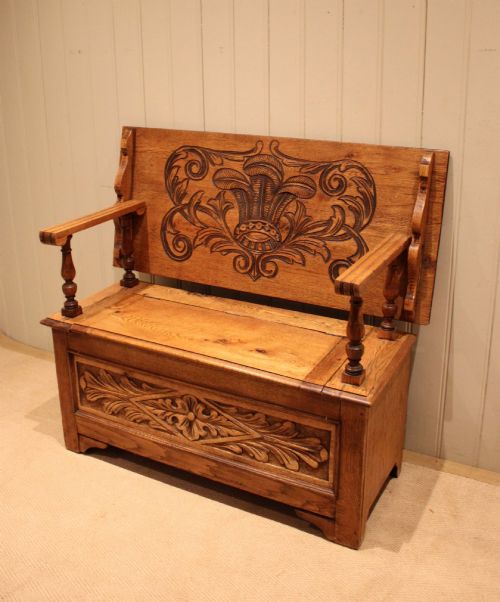
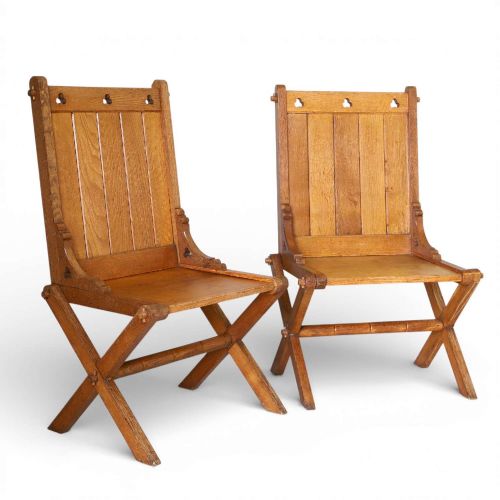
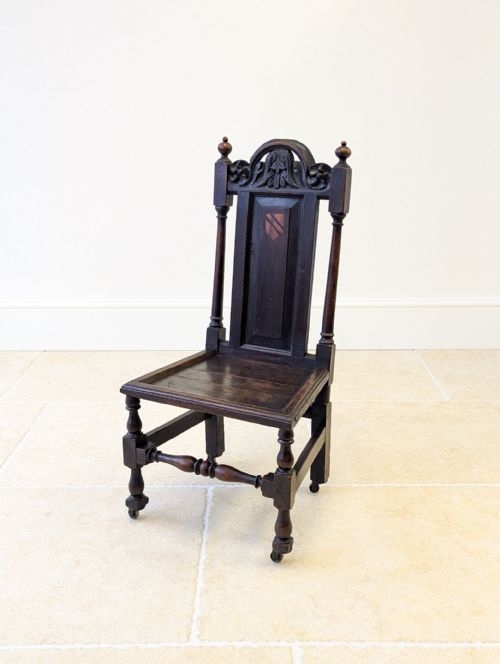
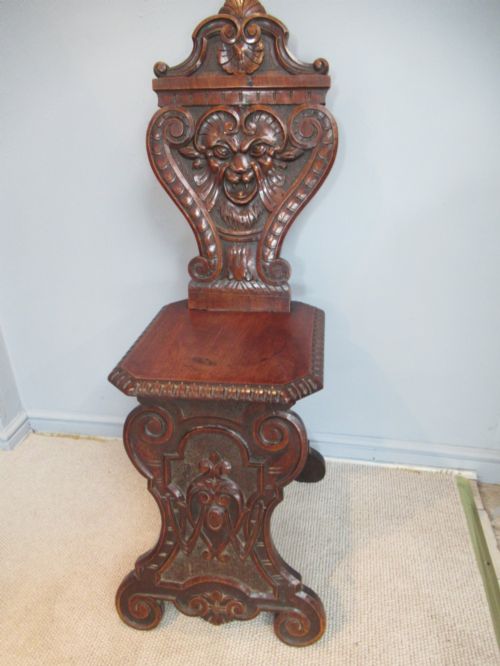
Buyers looking for this specific phrase encounter pieces shaped by various design movements, notably Arts and Crafts, Jacobean Revival, and Gothic Revival. Simpler wooden benches with shaped trestle ends sit alongside elaborately carved panelled versions and dual-purpose cabinet seats.
Originating predominantly in British workshops and country houses, these seats were meant for high-traffic hallways and vestibules. The domestic role dictated robust construction and heavy timber, traits that survive in the examples seen today.
Craftsmanship and Proportion
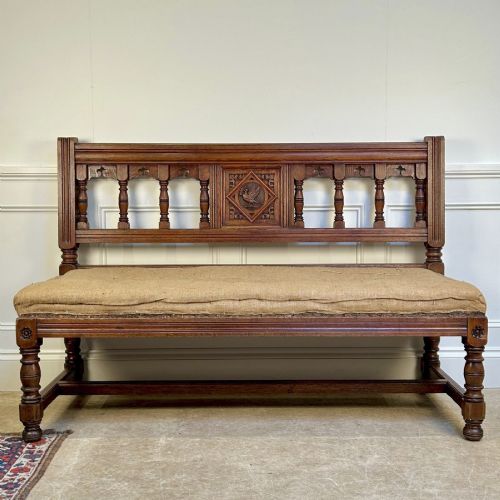
Quality separates along the depth and crispness of the timber carving and the integrity of the structural joinery. Finer pieces demonstrate precise hand-tool work on solid oak or figured mahogany, whereas lesser examples rely on shallower mechanical stamping or simpler stock turnings.
Proportion and wood selection also define the upper tier, where grain patterns match harmoniously across panels and backrests. The weight of the timber and the rigidity of the assembled frame dictate how well the piece endures daily use in a busy entrance.
Listings feature solid oak and mahogany construction across Victorian, Edwardian, and Regency periods.
Charles Tozer·GIllows·Jas Shoolbred·Shapland and Petter·Liberty of London·Wylie Lockhead
The Edwardian Carved Hall Seat Glossary
- Hall bench
- A long wooden seat designed for an entrance hall, sometimes featuring a high back or integrated storage beneath the lid. These sturdy items handled the daily arrival and departure of household members.
- Monks bench
- A convertible piece of furniture that functions as a bench with a solid back and transforms into a table when the back tilts forward. This form gained popularity during revival periods inspired by earlier centuries.
- Arts and Crafts
- A design movement prioritising traditional craftsmanship, visible construction methods, and simple utility over excessive ornamentation. Pieces from this aesthetic often display honest joinery and minimal, nature-inspired carved motifs.
- Jacobean Revival
- A nineteenth-century style imitating seventeenth-century English furniture, characterised by dark oak, heavy turning, and geometric panel carving. Such items project a deliberate sense of historical solidity.
- Stick stand
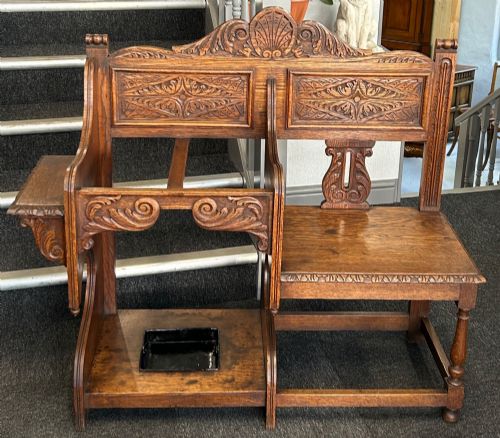
- A compartment or rack built into an entryway bench or cabinet for holding walking sticks and umbrellas. It usually includes a metal drip pan at the base to catch moisture.
Edwardian Carved Hall Seat: Frequently Asked Questions
What is an edwardian carved hall seat used for?
An edwardian carved hall seat provided a practical place to sit while putting on or removing outdoor footwear in the entranceway of a home. Many designs incorporated hidden storage compartments beneath the seat or integrated stands for walking sticks and umbrellas.
Beyond basic seating, these substantial wooden benches served as decorative statements for visitors entering the hallway. They anchored the interior aesthetic of the entrance space through dark timber tones and carved detailing.
How do I distinguish Edwardian from Victorian hall seats?
Victorian hall seats tend to feature heavier, darker woods with dense, deep-relief carving influenced by Gothic or Jacobean revivals. Their forms are often imposing, rigid, and strictly formal in their architectural references.
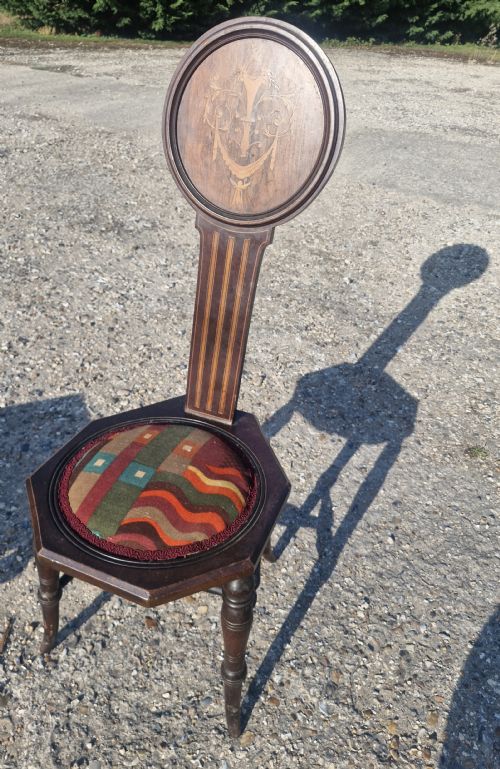
Edwardian examples frequently show slightly lighter proportions, incorporating cleaner lines influenced by the Arts and Crafts movement or brighter mahogany surfaces. Inlaid satinwood and simpler geometric panels also point towards the lighter aesthetic preferences of the Edwardian period.
Can I use a hall seat in a modern living room?
Hall seats fit well in modern living rooms, narrow hallways, or bedrooms where you need a combination of seating and surface space. Their compact depth makes them practical for placement against walls without obstructing walkways.
Placing cushions or throws on the wooden seat softens the appearance for domestic living areas. Models with hinged lids offer hidden storage for blankets, books, or household items.
What woods were commonly used for these seats?
Solid oak and mahogany dominate the material record for these entrance seats, chosen for their durability and attractive grain patterns. Oak was favoured for Gothic and Arts and Crafts designs, while mahogany appeared more frequently in refined Edwardian and Regency pieces.
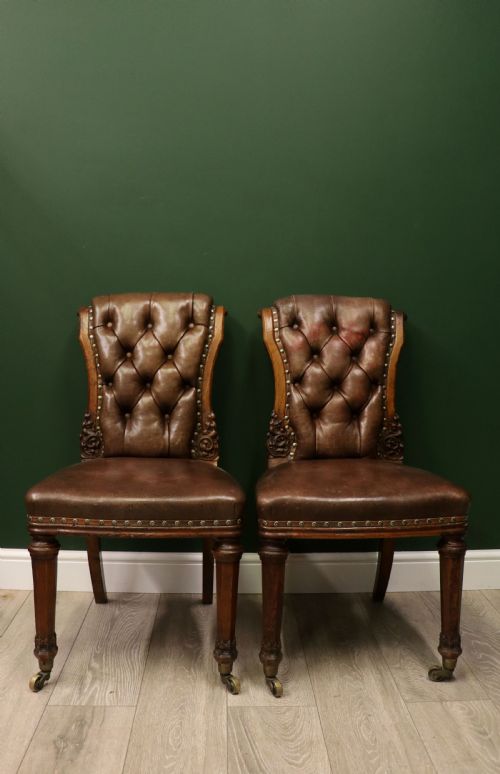
Secondary woods and details sometimes included beech for turned components, along with brass hardware, leather panels, and cane work. These materials dictated the overall weight, colour, and maintenance requirements of each piece.