


Edwardian Carved Dresser Base
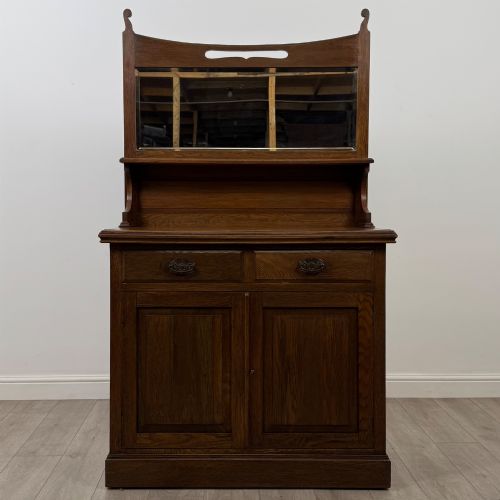
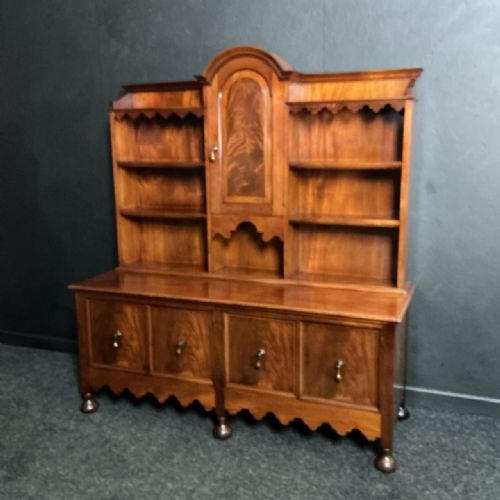
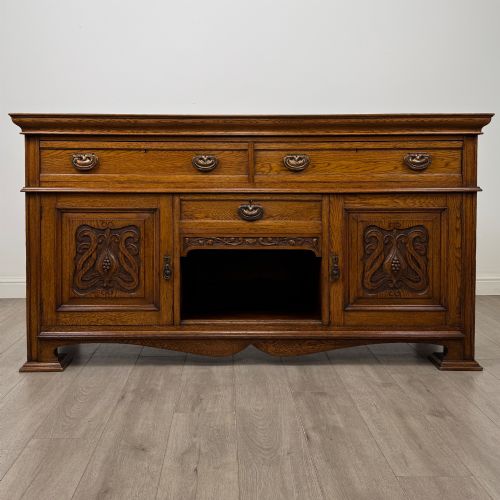
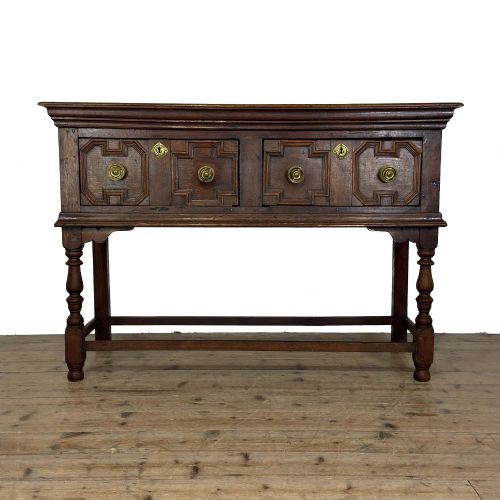
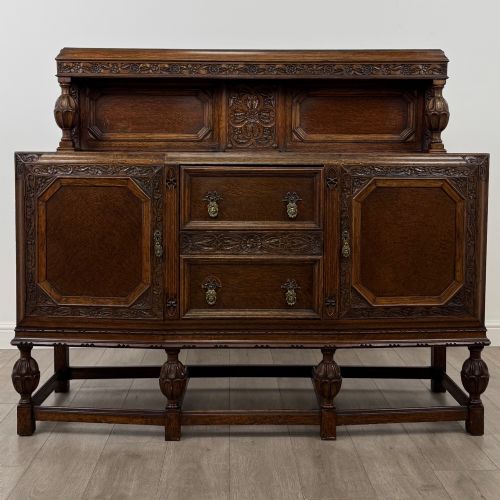
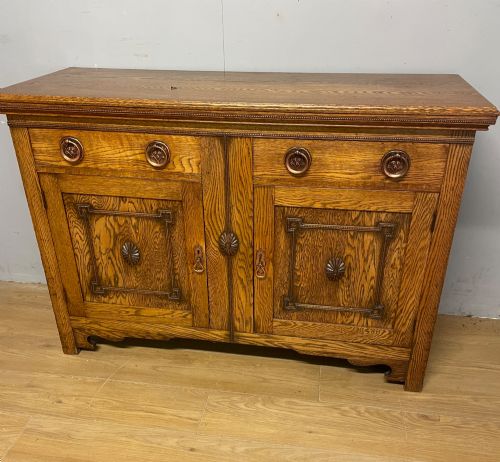
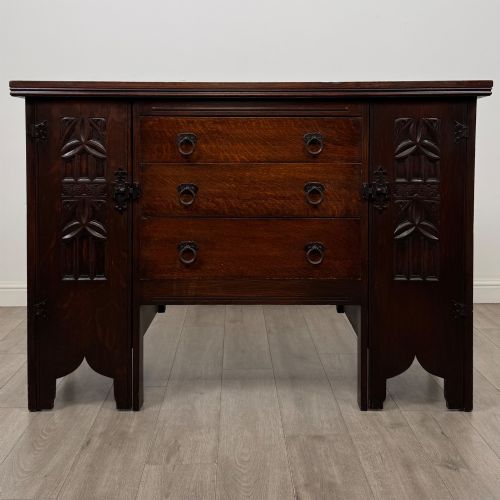
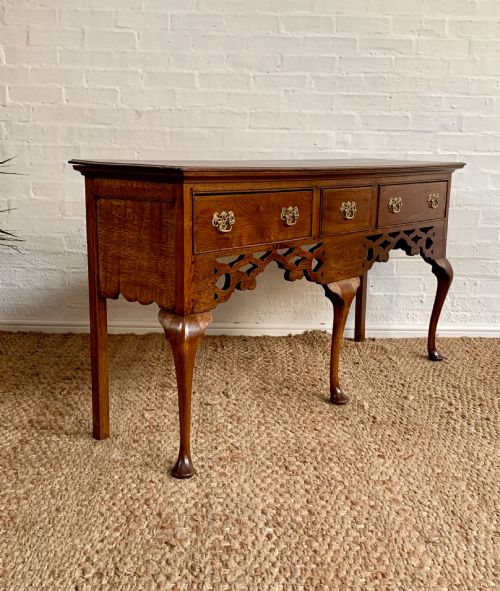
An edwardian carved dresser base provides substantial dining room storage through deep drawers and lower pot boards.
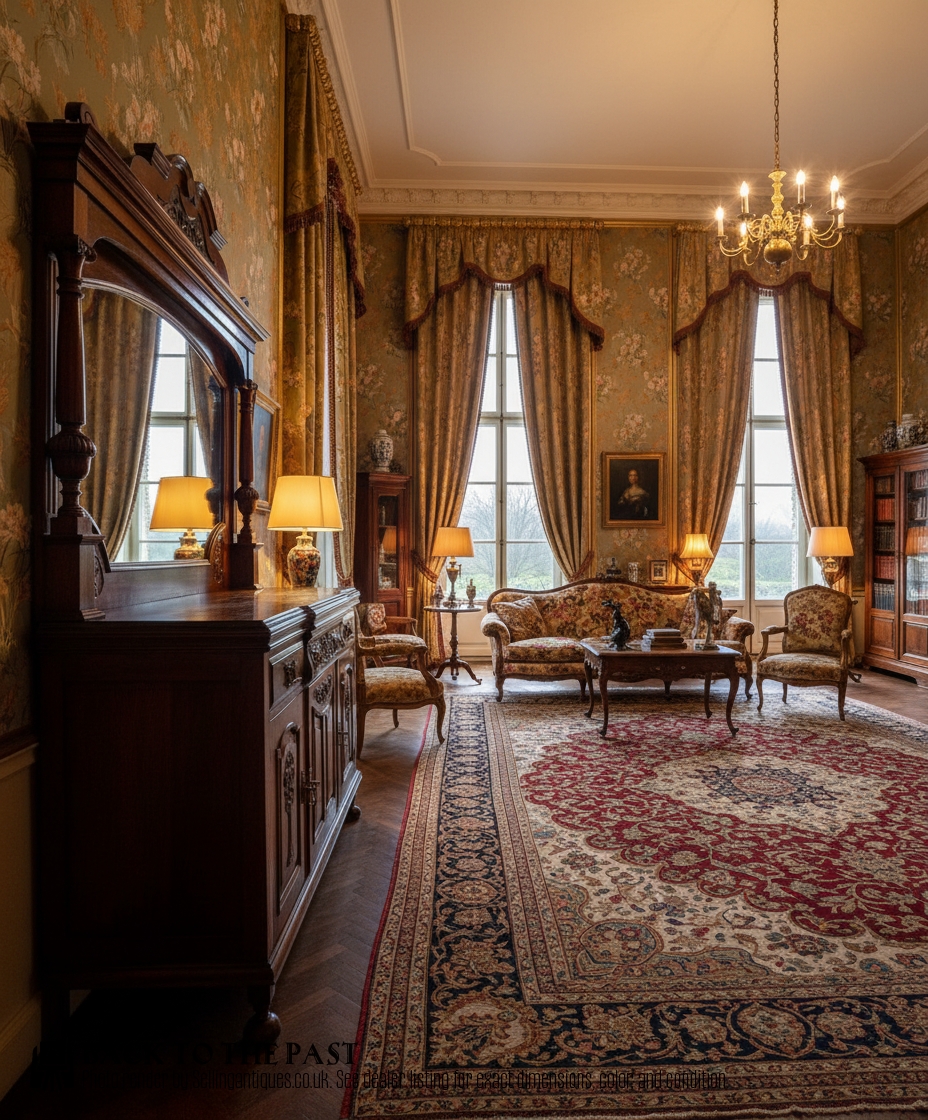
Edwardian Carved Dresser Base
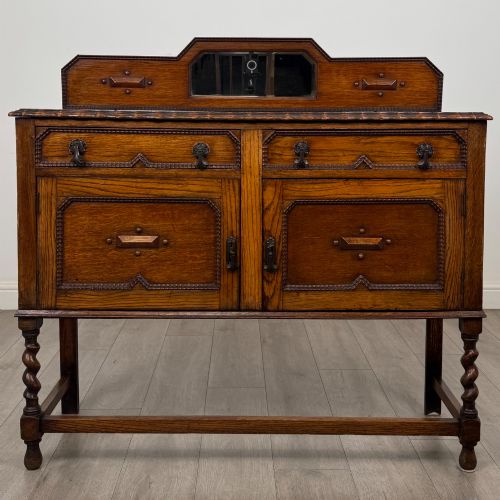
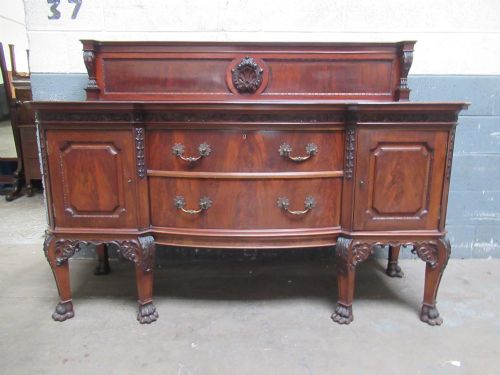
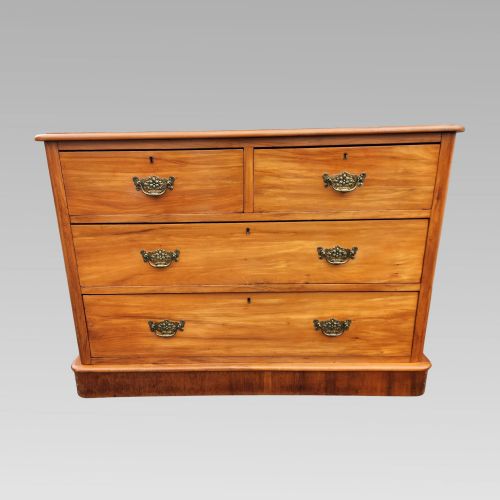
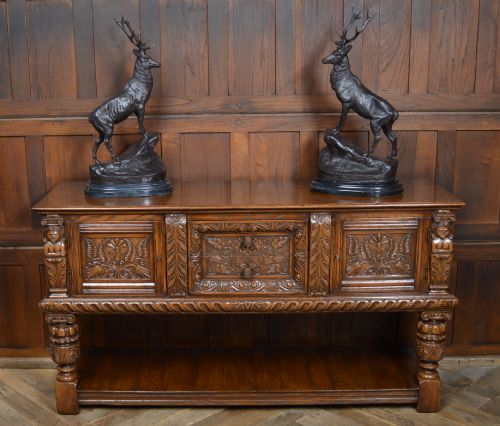
An edwardian carved dresser base brings together sturdy proportions and detailed timber work from the early twentieth century. Buyers encounter these forms functioning as sideboards, serving tables, and buffet units within dining spaces.
The material palette leans heavily towards oak, mahogany, and walnut, frequently incorporating carved panels and raised mouldings. Many examples feature low pot boards or open shelving below the main drawer tier for display purposes.
Origins stretch across the Edwardian era alongside late Victorian and early twentieth-century periods. Sideboards and dresser bases dominate the current selection, offering broad top surfaces and enclosed cupboard storage.
How they were made
Cabinet makers utilised solid oak and mahogany as the primary structural timbers, supplementing them with brass and copper hardware. Metal handles and hinges secure doors and drawer fronts while adding functional contrast to the dark wood.
Construction techniques combine traditional joinery with decorative surface carving and mirrorback additions. Surfaces often receive deep polishes that highlight the natural grain patterns of the timber.
Some dresser bases hide built-in wine racks alongside traditional cutlery drawers, ready for a Victorian dinner party.
What varies in quality
The depth and clarity of the timber carving set standard pieces apart from finer examples. Sharp hand-chiselled details on panels and drawer fronts indicate superior workshop execution compared to softer, more uniform machine moulding.
Timber selection and hardware originality dictate the standing of individual furniture items. Solid oak constructions with intact brass fittings and stable pot boards hold greater substance than pieces with replaced components or veneered repairs.
T Simpson and Son·Maple & Co
The Edwardian Carved Dresser Base Glossary
- Pot board
- A lower open shelf built into the base of a dresser for storing heavy kitchen or dining ceramics.
- Mirrorback
- An upright wooden superstructure fitted with a central mirror, rising from the top surface of a sideboard.
- Buffet
- A low side cabinet used for serving food and storing dining utensils.
- Court cupboard
- An antique enclosed storage piece featuring recessed upper tiers supported by short columns.
Edwardian Carved Dresser Base: Frequently Asked Questions
What is an edwardian carved dresser base?
An edwardian carved dresser base is a heavy timber sideboard built with multiple drawers and lower storage shelves.
These pieces served dining rooms as serving tables and storage cabinets for heavy tableware.
How do you style an edwardian carved dresser base?
Place the timber sideboard against a dining room wall to anchor the room's proportions.
Utilise the broad top surface for displaying ceramics while keeping everyday tableware inside the drawers.
What woods were used for these dressers?
Cabinet makers primarily utilised solid oak, mahogany, and walnut for the framework and drawer structures.
Secondary woods and brass hardware support the main timber body while glass appears in associated display cabinets.
How do you identify an edwardian period piece?
Look for characteristic Edwardian proportions combined with Arts and Crafts, Jacobean Revival, or Art Nouveau decorative motifs.
Original brass handles and mirrorback superstructures also point directly towards the early twentieth-century manufacturing period.