
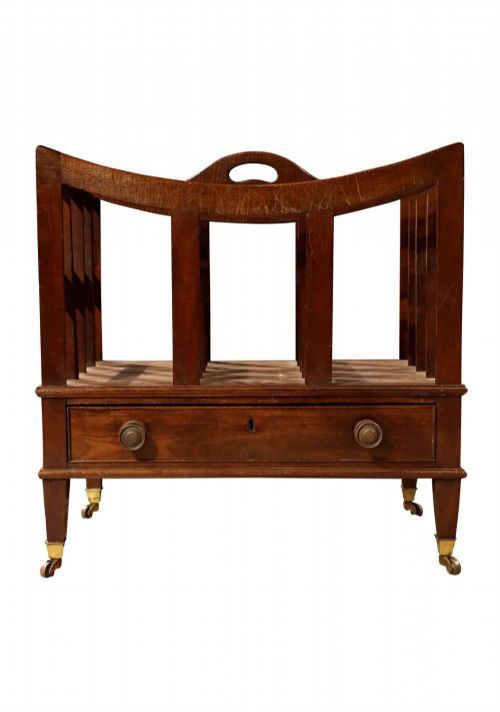


Edwardian Canterbury Rack
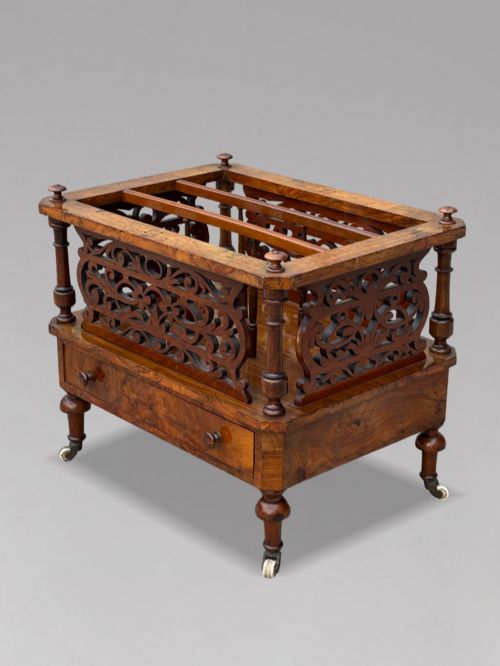
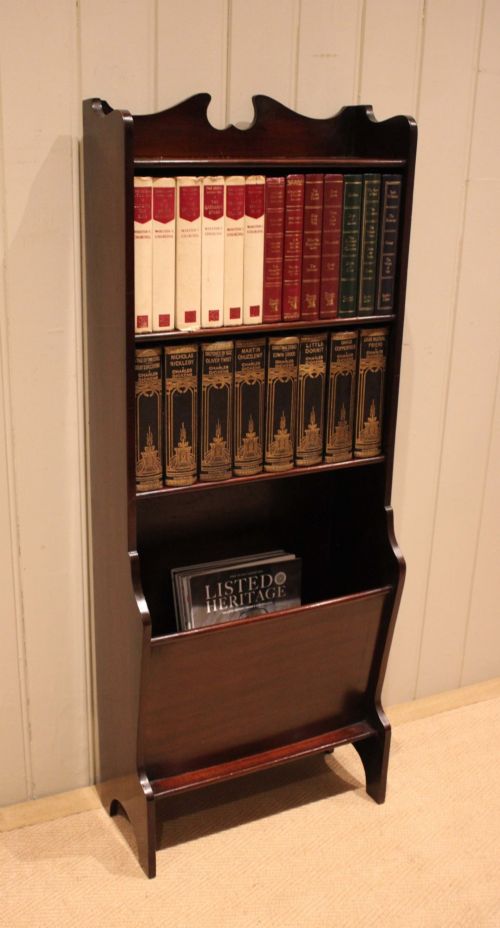
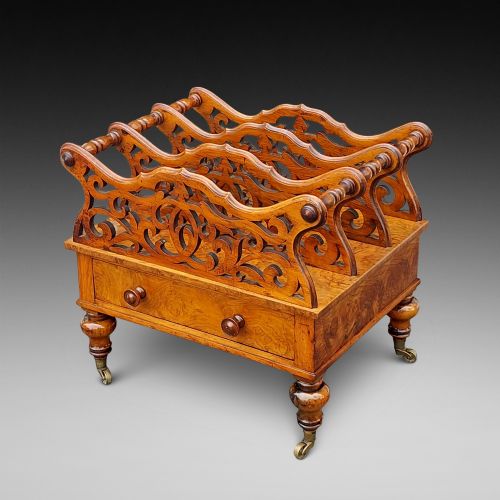
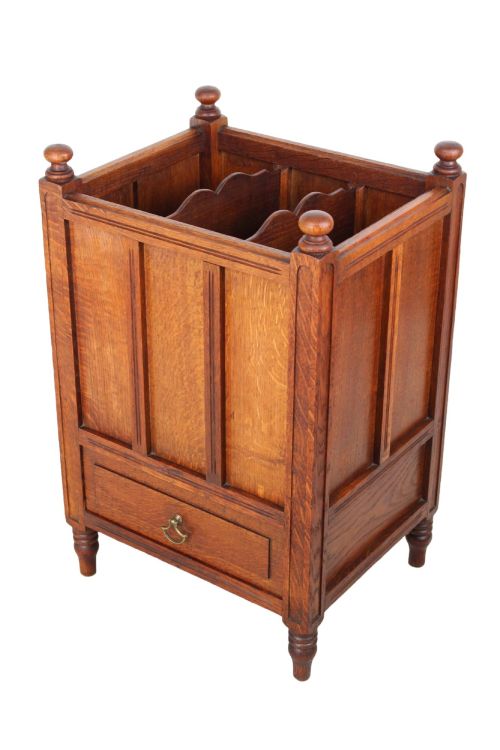
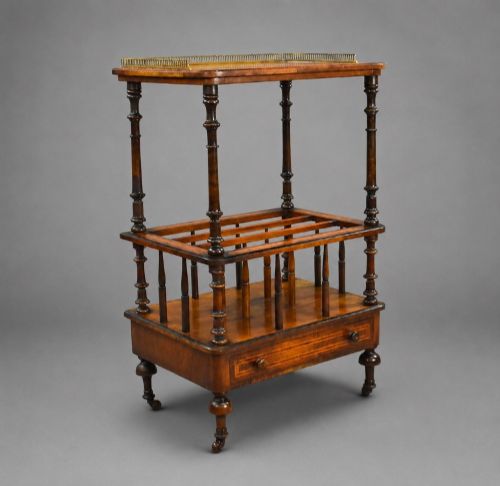
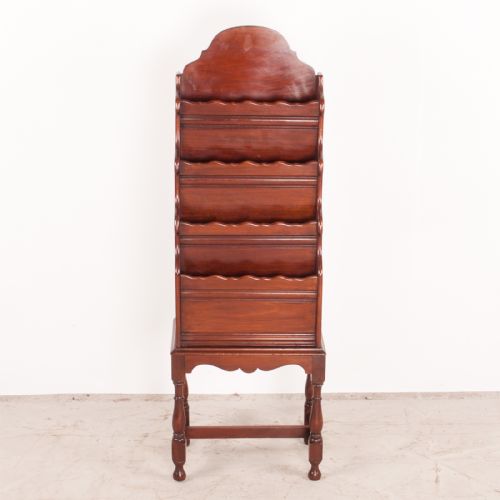
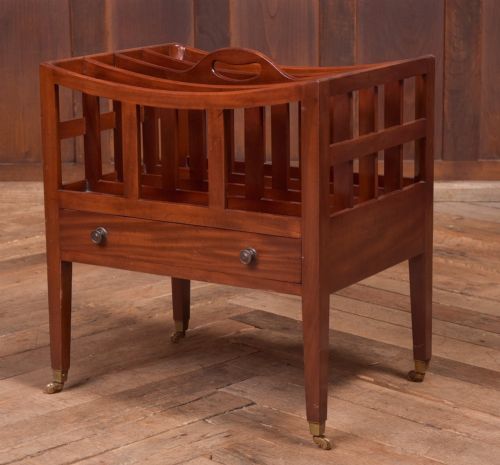
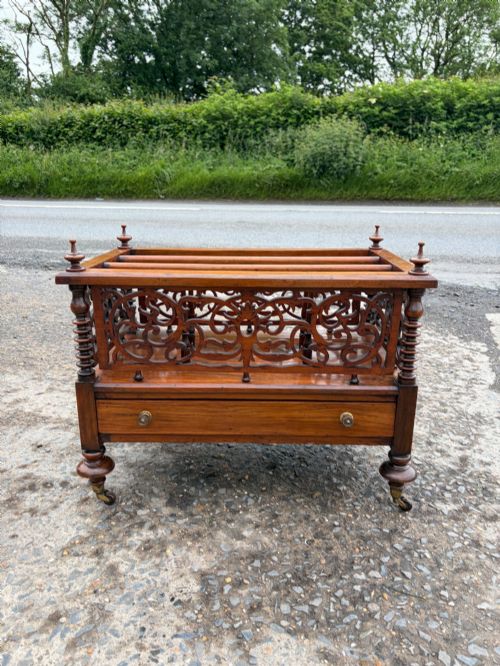
An Edwardian canterbury rack organises periodicals and sheet music with traditional compartmentalised timber frames.

Edwardian Canterbury Rack
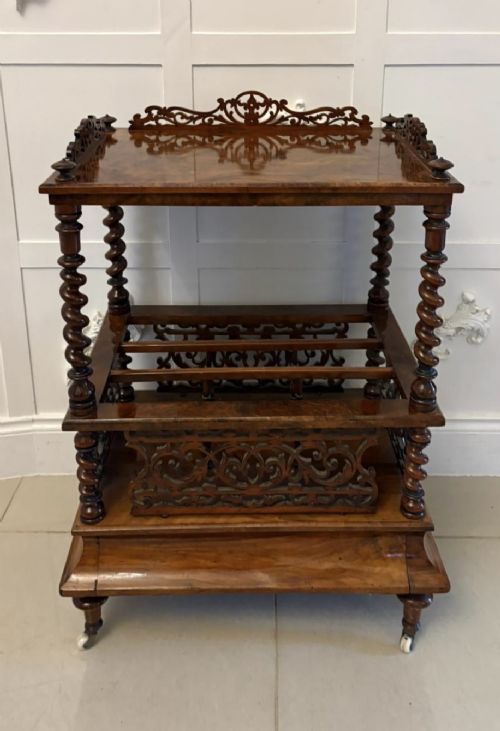
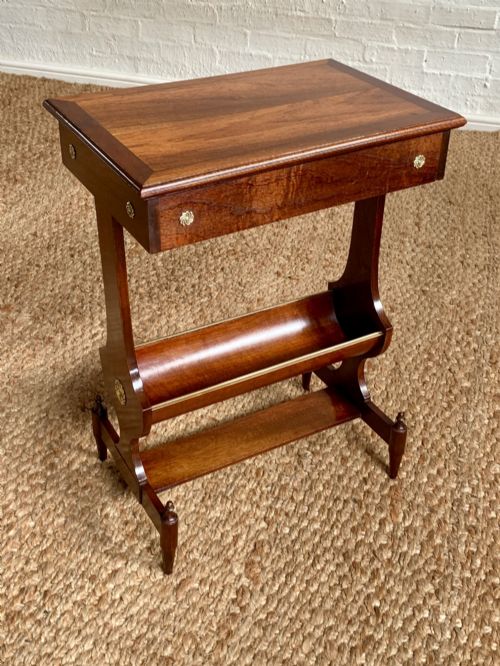
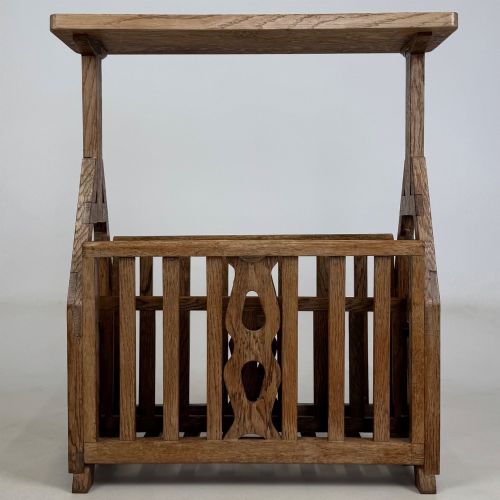
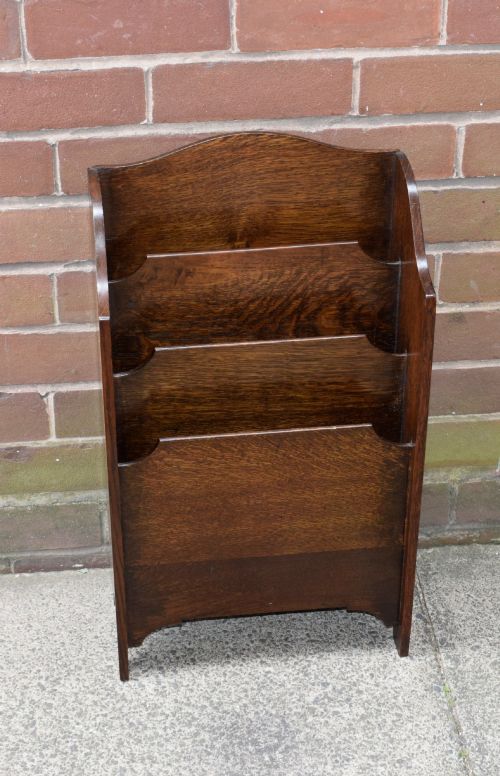
The edwardian canterbury rack combines partitioned storage sections for newspapers, magazines, or sheet music with low table surfaces or drawers. While the evidence includes pieces spanning the nineteenth century through the early twentieth century, Edwardian examples and similar forms in mahogany or oak appear frequently alongside walnut variants.
Makers adapted these low stands to hold reading material near seating areas, sometimes incorporating a single drawer beneath the partitions. The form bridges traditional canterbury stands and later dedicated magazine racks found in domestic parlours and libraries.
Materials and construction methods
Cabinet makers utilised timbers such as mahogany, oak, walnut, burr walnut, satinwood, and rosewood, often pairing solid woods with decorative veneers and marquetry inlay. Metal elements including brass and copper appear in handles, castors, hinges, and structural racks.
Joinery techniques ranged from standard pegged or glued framing to turned wooden legs fitted with metal castors. Some examples incorporate ceramic components or pierced metalwork within Arts and Crafts designs.
Listings feature woods such as mahogany, oak, walnut, burr walnut, satinwood, rosewood, brass, copper, and ceramic.
Factors determining quality
Quality rests in the choice of timber figure, such as richly grained burr walnut or select mahogany, matched with precise marquetry inlay. Finer pieces demonstrate careful attention to internal joinery and drawer construction rather than plain secondary woods.
Hardware selection also marks distinction, where substantial brass handles, castors, or pierced metal panels indicate higher workshop standards. The proportion and crispness of turned supports separate standard utility items from decorative parlour pieces.
Howard and Sons of London
The Edwardian Canterbury Rack Glossary
- Canterbury
- A low stand featuring vertical partitions designed for holding books, sheet music, or periodicals. The form originated in the eighteenth century and persisted through the Edwardian period.
- Whatnot
- A piece of open shelving standing on legs, sometimes combined with a canterbury base or a drawer. These multitiered stands held books and decorative objects in nineteenth century interiors.
- Marquetry
- The art of applying decorative veneer pieces in wood to form pictorial or geometric patterns on furniture surfaces. This technique frequently embellished walnut and mahogany canterburys.
- Metamorphic
- Describing furniture designed to transform or fold into different configurations for alternative uses. Some Edwardian canterbury stands incorporated adjustable sections or revolving mechanisms.
- Arts and Crafts
- A design movement valuing hand craftsmanship and simple structural honesty over industrial ornamentation. Pieces from this style often utilised oak, copper, and exposed brass fittings.
Edwardian Canterbury Rack: Frequently Asked Questions
What is an edwardian canterbury rack used for?
These stands hold newspapers, weekly periodicals, and sheet music close to armchairs or sofas in living spaces.
They provide vertical divisions that keep reading material upright and tidy within reach.
How do I identify an edwardian canterbury rack?
Edwardian examples usually show lighter construction in mahogany or oak compared to heavy Victorian walnut pieces.
They often combine slotted compartments for magazines with a small lower drawer or flat top surface.
Were these stands made for music or magazines?
Many early nineteenth century versions served primarily as music stands for sheet scores near pianos.
By the Edwardian period, they accommodated the growing popularity of daily newspapers and illustrated magazines.
How do I care for timber magazine racks?
Keep wooden surfaces away from direct sunlight and artificial heat sources to prevent timber splitting or veneer lifting.
Apply a light wax polish periodically to maintain the sheen of mahogany, oak, or walnut grain.