
Edwardian Cabinet Furniture
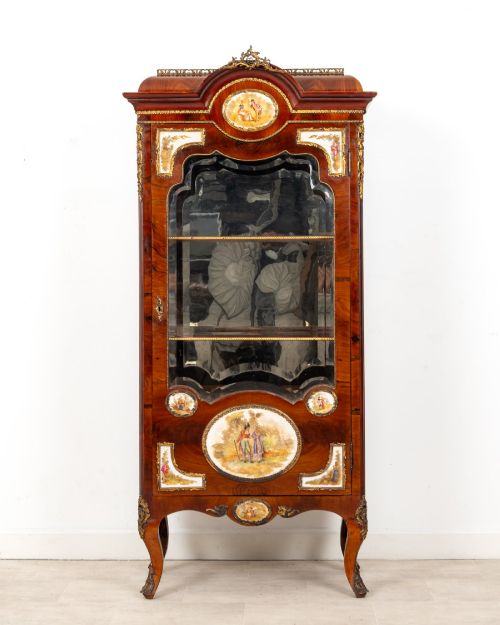
Edwardian cabinet furniture brings together polished mahogany display cases, oak filing systems, and satinwood sideboards made for early twentieth-century domestic life.

Edwardian Cabinet Furniture
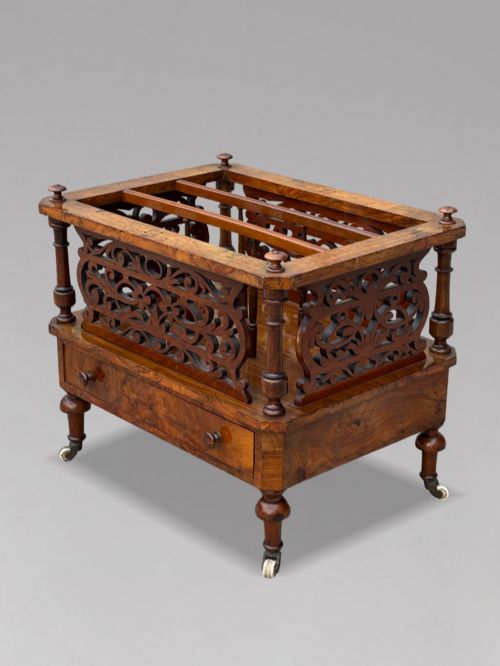
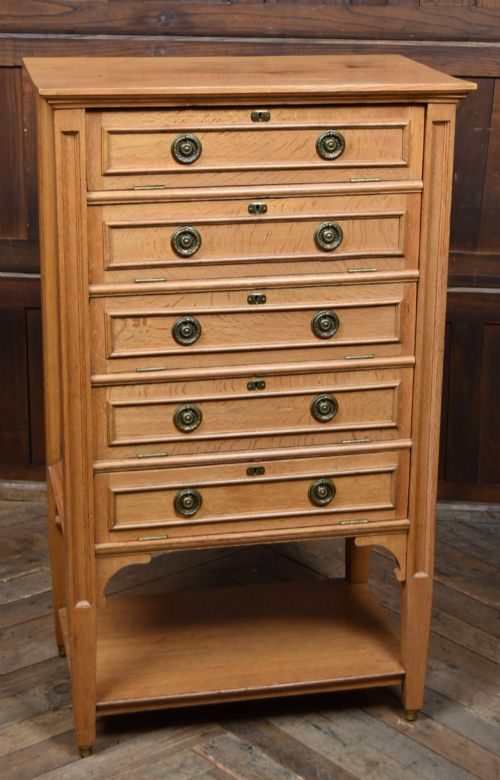
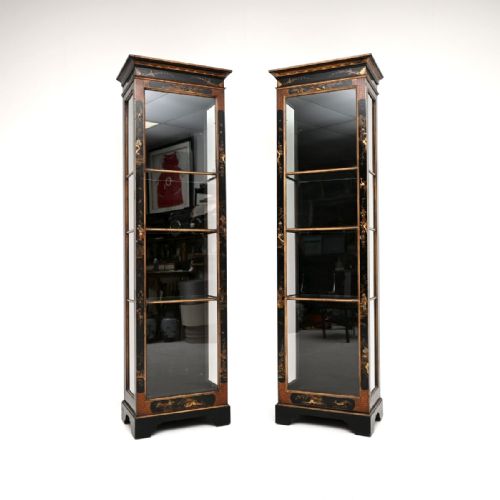
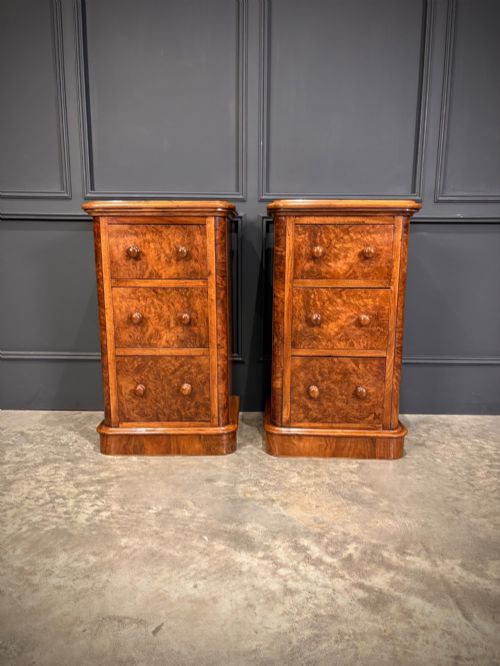
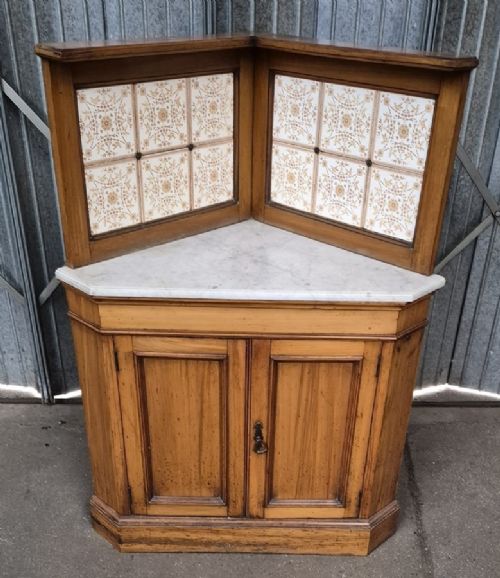
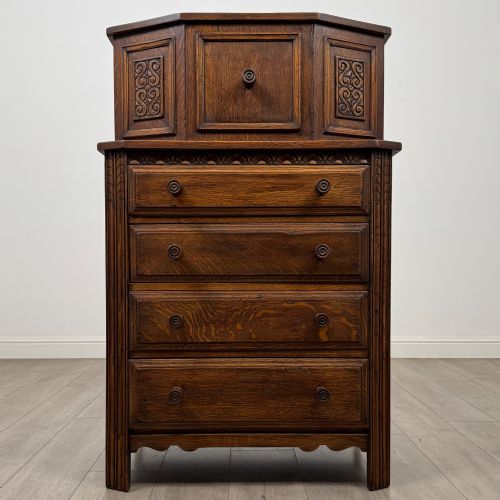
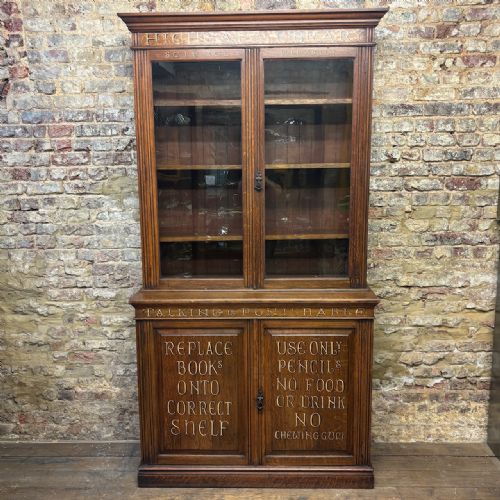
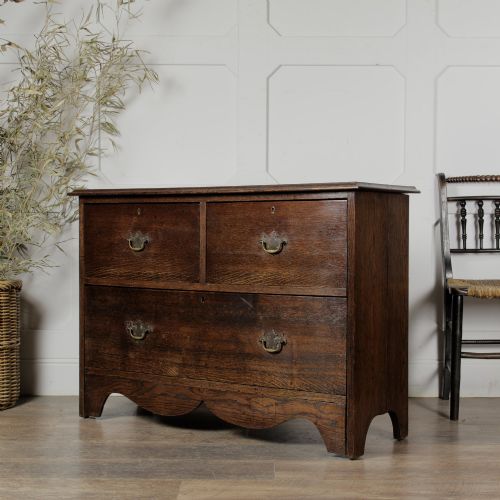
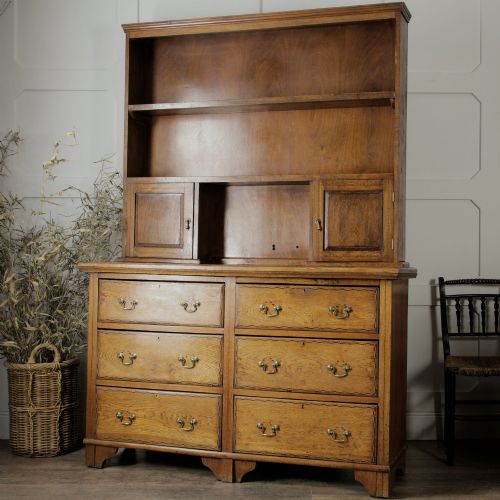
When buyers search for edwardian cabinet furniture, they look at storage and display items spanning from the late Victorian period through the Edwardian era and into the early twentieth century. These pieces include display cabinets, bookcases, filing cabinets, wardrobes, and bedside chests suited to formal and everyday rooms.
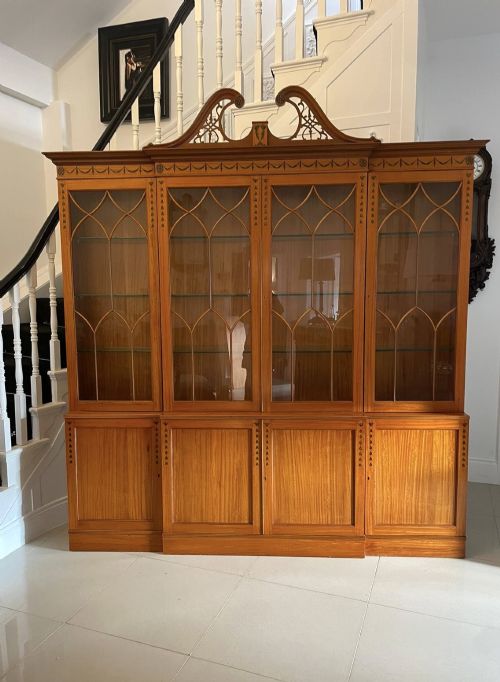
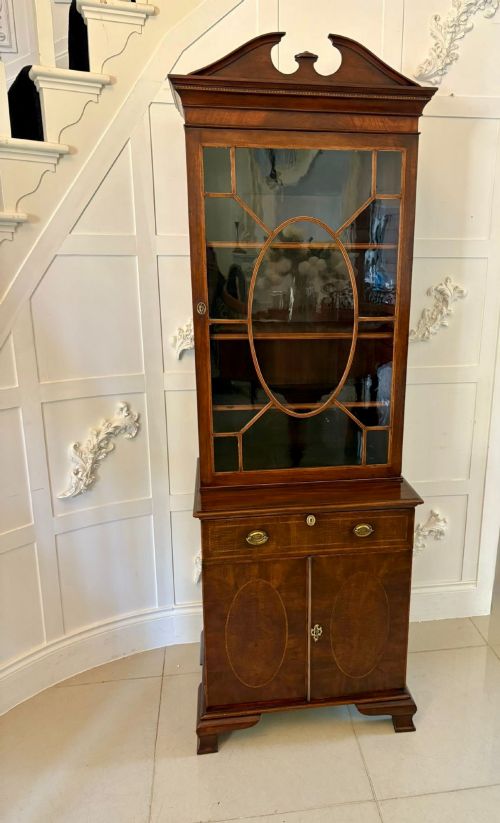
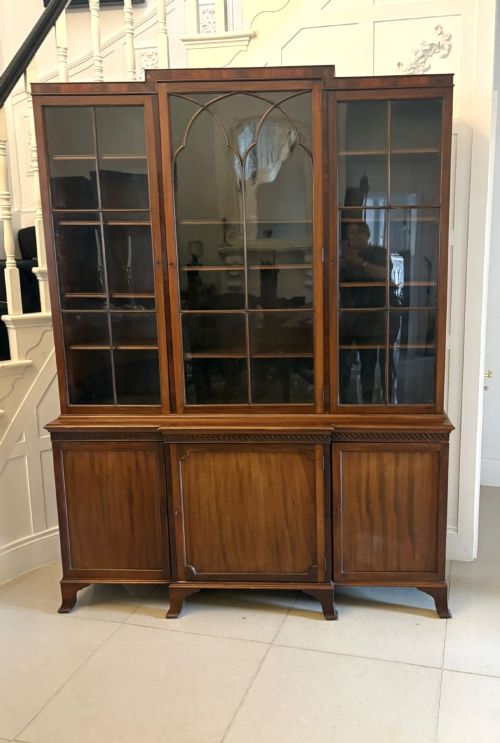
The selections on this page concentrate heavily on Edwardian and Victorian forms alongside early twentieth-century pieces, utilising timbers such as mahogany, oak, satinwood, and walnut. Bookcases and display cabinets often incorporate glass doors or open shelving for books and porcelain.
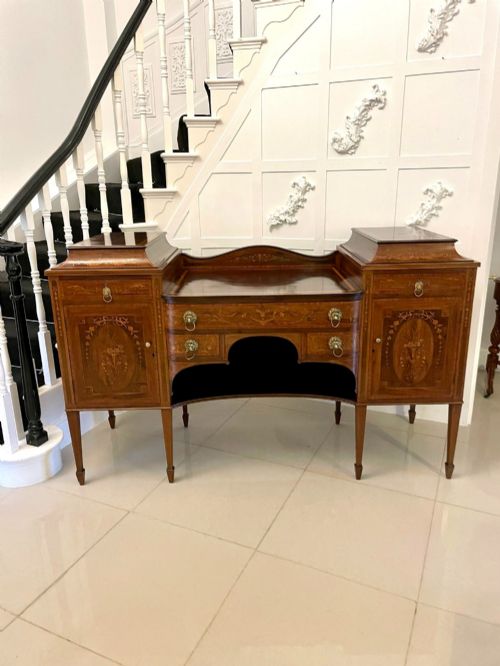
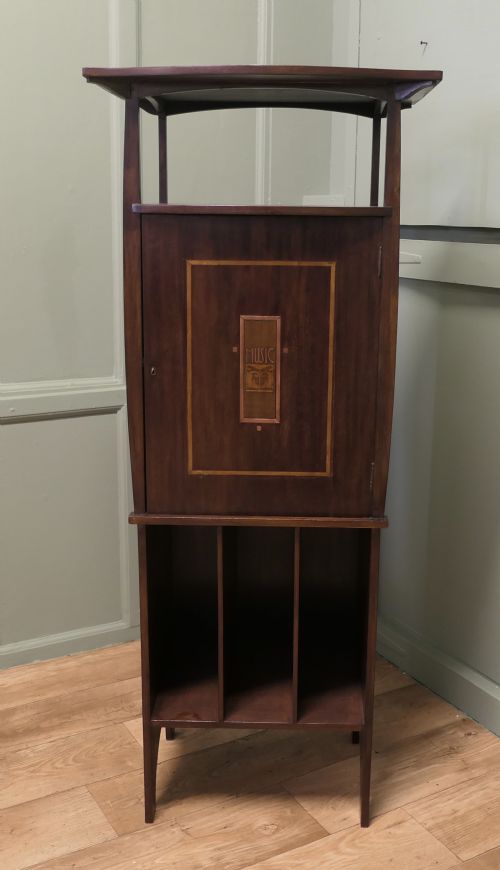
Smaller items like bedside cabinets, music cabinets, and oak filing drawers sit alongside larger breakfront display cabinets and sideboards. This variety reflects the diverse storage needs of households from the late nineteenth century up to the 1930s.
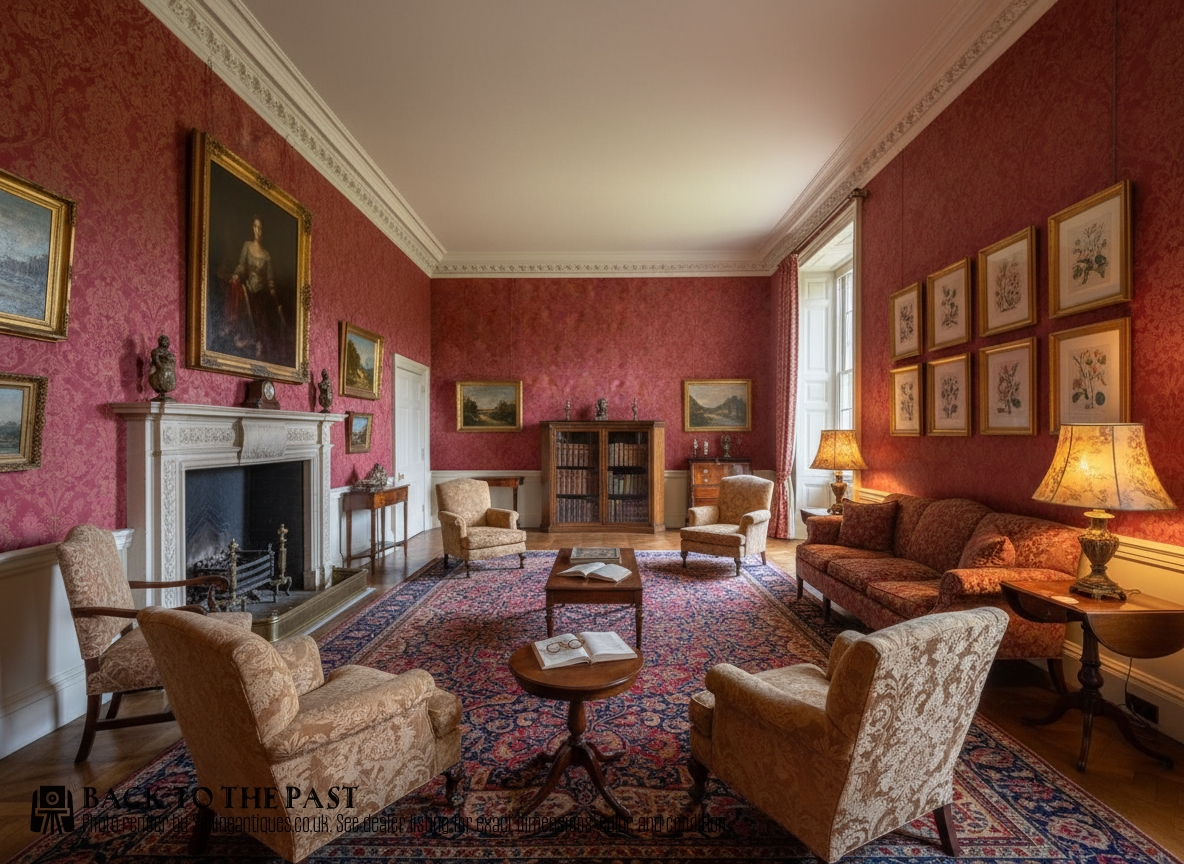
Materials and Construction
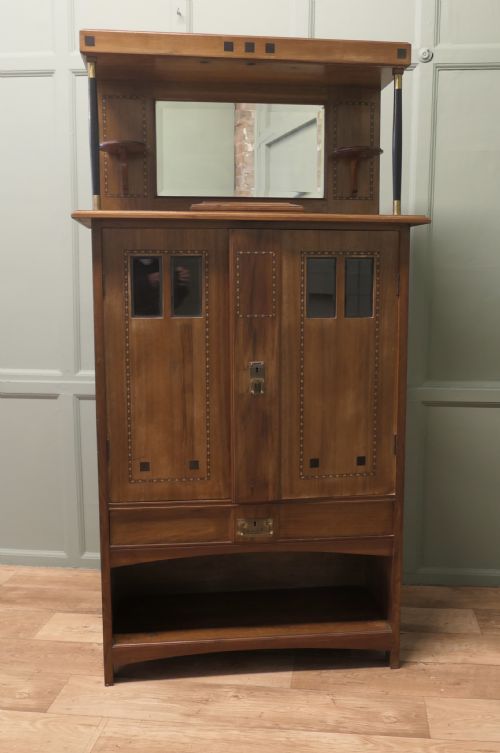
Cabinet makers utilised a range of domestic and imported timbers, pairing solid oak and mahogany with decorative veneers of satinwood, walnut, and rosewood. Inlays of lighter woods, painted decoration, and contrasting stringing define the surface detailing on many refined examples.
Glass panels are common in display cabinets and bookcases, frequently held by wooden astragal bars, while brass handles, hinges, and locks provide functional hardware. Solid construction methods govern the drawers and carcases, ensuring durability across daily domestic use.
Listings feature woods including mahogany, oak, satinwood, walnut, rosewood, and brass alongside glass and metal elements.
Distinguishing Quality in Cabinetry
The distinction between standard commercial pieces and superior items lies in the choice of timber and the precision of the cabinet work. Finely figured mahogany, matched walnut veneers, and intricate marquetry indicate higher workshop standards.
Original painted decoration, intact brass furniture, and properly fitted glass doors elevate the standing of a piece. The integration of maker signatures or stamps confirms the origin of finer items produced by established London and regional cabinet makers.
Hewetsons London·GM Elwood for JS Henry·Shoolbred and Co·Edwards and Roberts·Hampton and Sons London·Edward Barnsley
The Edwardian Cabinet Furniture Glossary
- Breakfront
- A piece of furniture where the central section projects forward from the flanking sides. This layout adds architectural depth to large bookcases and display cabinets.
- Marquetry
- Decorative patterns formed by fitting together thin veneers of various coloured woods. Craftsmen apply this technique to cabinet doors and drawer fronts for visual contrast.
- Astral Glazed
- Refers to glass cabinet doors divided into smaller panes by wooden glazing bars. These bars form geometric or curving patterns across the front.
- Tallboy
- A tall chest of drawers standing one above the other, often combining a lower chest base with an upper section. It maximises vertical storage space in bedrooms.
- Tambour
- A flexible shutter made from narrow strips of wood glued to a canvas backing. This sliding mechanism allows doors to curve around the corners of filing cabinets and desks.
Edwardian Cabinet Furniture: Frequently Asked Questions
What defines edwardian cabinet furniture?
These pieces comprise storage and display items produced around the turn of the twentieth century, favouring lighter timbers and refined decorative inlays.
They encompass practical items like oak filing cabinets and wardrobes alongside decorative satinwood vitrines and bookcases.
How do I identify an Edwardian bookcase?
Edwardian bookcases typically feature clean structural lines in mahogany or oak, sometimes incorporating glazed doors with simple glazing bars.
Many examples sit open for easy access or use modest classical detailing rather than heavy Victorian carving.
Where were these cabinets placed in homes?
Larger display cabinets and breakfront bookcases stood in drawing rooms and libraries to showcase books and ornamental porcelain.
Smaller bedside chests, music cabinets, and pedestal cupboards served bedrooms, hallways, and studies.
How do I care for polished mahogany and walnut?
Keep wooden surfaces away from direct sunlight and radiators to prevent the timber and delicate veneers from drying out.
Apply natural beeswax periodically to maintain the lustre of the polish and protect the grain.