

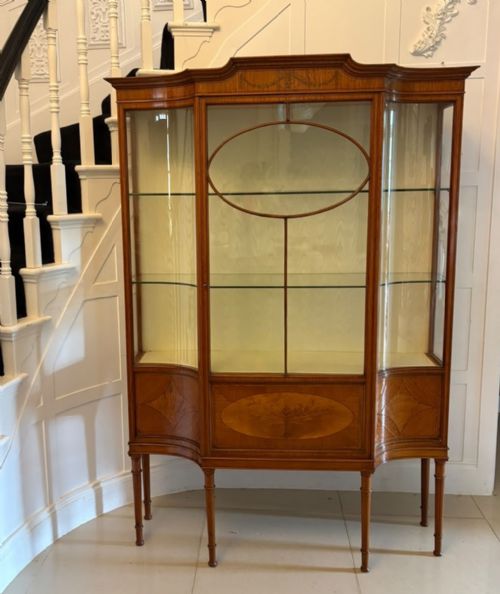

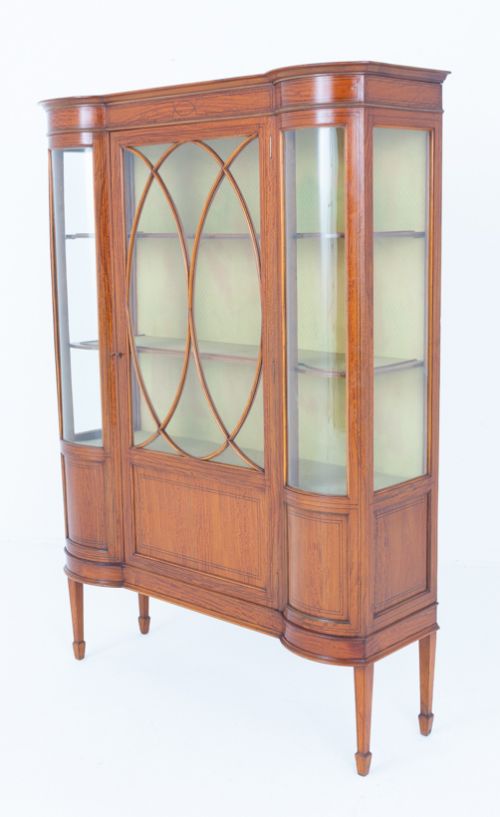

Bow Fronted Bookcase
A bow fronted bookcase brings gentle curves to library storage, combining shelved display with enclosed shelving behind glass doors.
Bow Fronted Bookcase
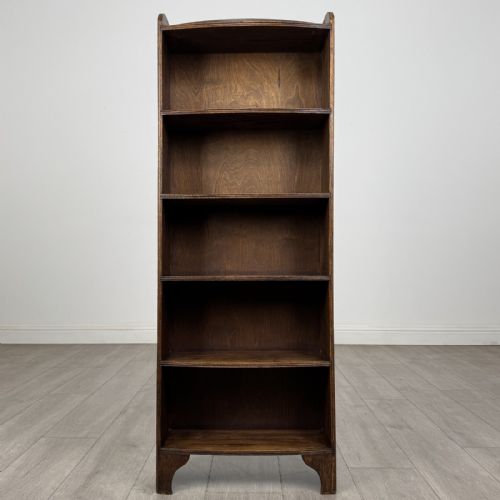
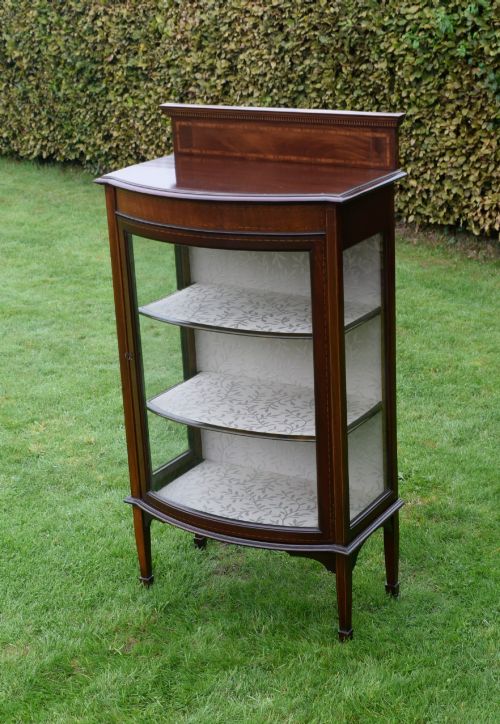
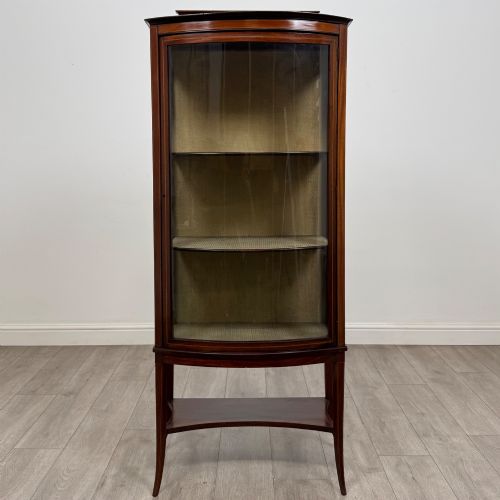
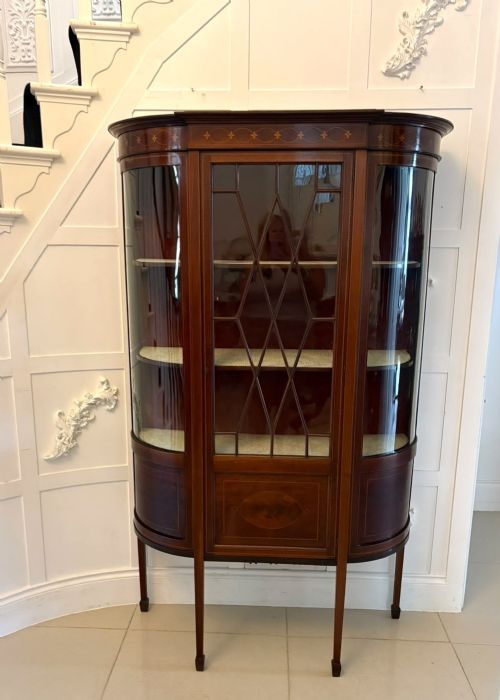
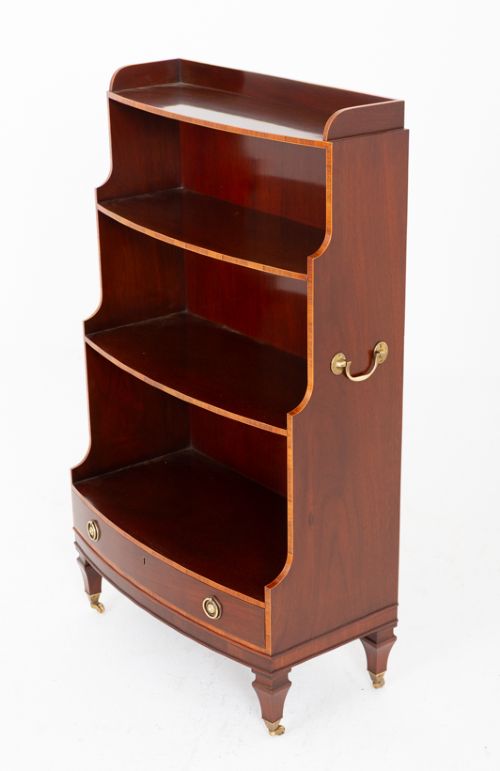
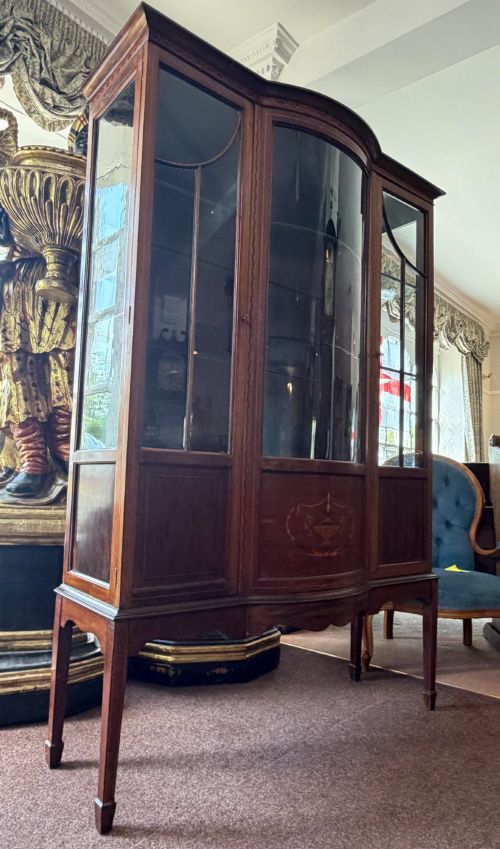
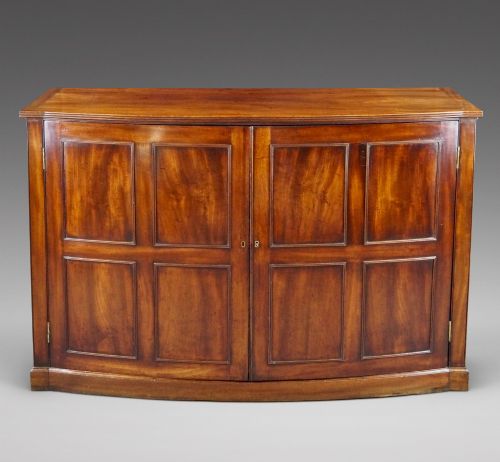
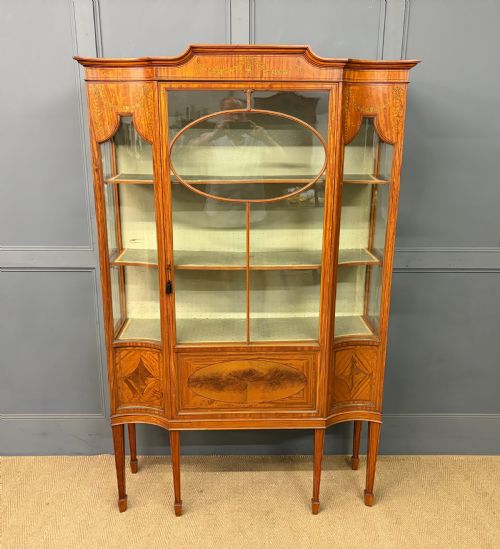
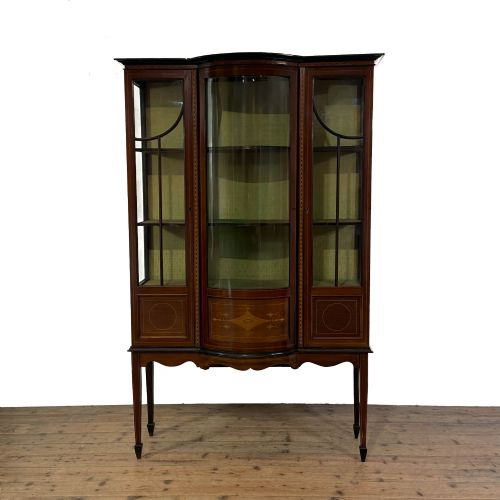
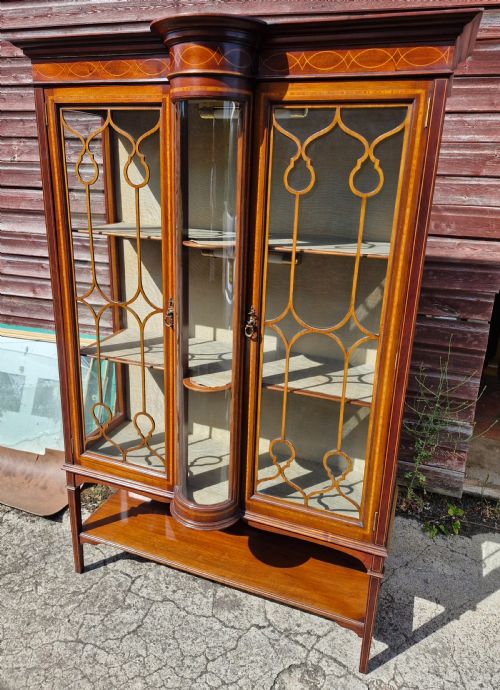
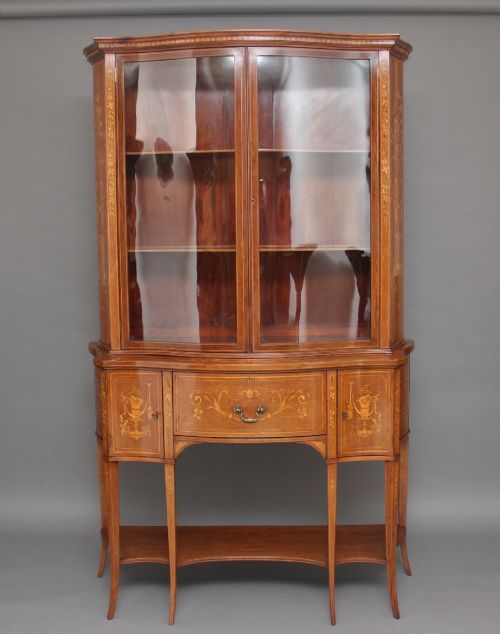
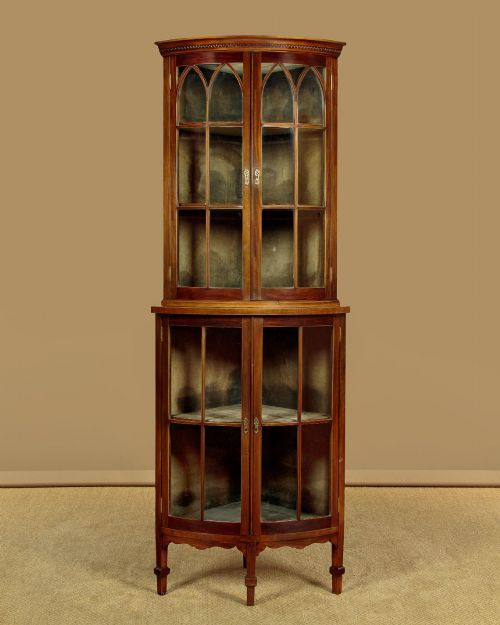
A bow fronted bookcase is a piece of furniture designed for holding volumes and decorative objects, distinguished by its curved, convex front facade. The selections on this page span the Georgian era through the Edwardian period and into the early twentieth century, taking forms such as display cabinets, corner units, and library bookcases.
Materials and Construction Methods
Cabinet makers constructed these pieces primarily from solid and veneered mahogany, frequently incorporating satinwood inlay, burr walnut, and brass hardware. The curved glass and wooden bow doors required precise carpentry to ensure the frames met flush without warping.
Makers utilised glass panes for display sections and fitted internal shelving, sometimes employing fabric linings or mirrored backs to reflect light through the enclosed compartments.
Bow Fronted Bookcase Retail Price Guide 2026
Typical asking prices for bow fronted bookcase among the pieces listed under this phrase on Sellingantiques today, from the lower quarter to the upper quarter. They describe what is for sale here now, not the wider market.
Listings feature pieces spanning from Georgian origins through the Victorian and Edwardian eras, predominantly built in mahogany with glass and satinwood inlay.
Distinctions in Quality and Craftsmanship
Quality rests in the crispness of the inlaid decoration and the precision of the curved joinery on the front frame. Finer examples display carefully chosen timber grains on the doors and well-fitted original glass panes rather than later replacements.
The weight of the timber and the subtlety of the proportions separate standard production items from pieces bearing high workshop standards. Interiors finished with adjustable shelving and clean backboards indicate a higher grade of original manufacture.
Maple and Co·Gillows·Edwards and Roberts
The Bow Fronted Bookcase Glossary
- Bow front
- A convex, curved front facade that projects outward in an arc. This curved profile softens the silhouette of standard rectangular cabinetry.
- Inlay
- Contrasting strips of wood or other materials fitted into the surface to create decorative patterns. Satinwood is frequently used for this contrasting detail against darker mahogany.
- Display cabinet
- A glazed storage piece designed primarily for showing china, books, or ornaments. Glass doors and sides allow light to enter the interior shelves.
- Secretaire
- A cabinet incorporating a pull-down writing drawer with internal compartments and small drawers. It combines desk functionality with upper bookcase storage.
- Sheraton Revival
- A late nineteenth and early twentieth century style emulating the neoclassical designs of Thomas Sheraton. These pieces often feature painted details, fine inlay, and graceful proportions.
Bow Fronted Bookcase: Frequently Asked Questions
Where should I place a bow fronted bookcase?
These cabinets work well in studies, drawing rooms, or hallways where their curved projection avoids sharp corners in high traffic areas. Placing them away from direct sunlight protects the timber veneers and internal fabric linings from fading.
Because many examples feature glass panels on the front and sides, positioning them near a natural light source helps illuminate the books or displayed items stored inside.
How do I care for mahogany and satinwood furniture?
Maintain the timber by dusting regularly with a soft, dry cloth and applying traditional beeswax sparingly to nourish the polished surface. Avoid using modern silicone sprays, which build up over time and attract dust to delicate inlay.
Keep the cabinets away from direct heat sources and sudden humidity changes to prevent the timber doors and curved frames from warping or cracking.
Can the shelves be adjusted?
Many Edwardian and later cabinets feature adjustable shelving supported by wooden racks or metal clips inside the glazed compartments. Earlier Georgian or nineteenth-century examples often have fixed wooden shelves set into housings.
Checking the interior construction reveals whether the height between tiers can be altered to accommodate different sizes of books or ornaments.
How do I distinguish Edwardian pieces from Georgian ones?
Georgian pieces generally display heavier timber scantlings, hand-cut dovetails, and simpler internal structures built for utilitarian library use. Edwardian revivals often incorporate lighter satinwood stringing, painted neoclassical motifs, and refined glass door framing.
Examining the backboards, fixings, and secondary timbers inside the cabinet provides further clues regarding the actual period of manufacture.