
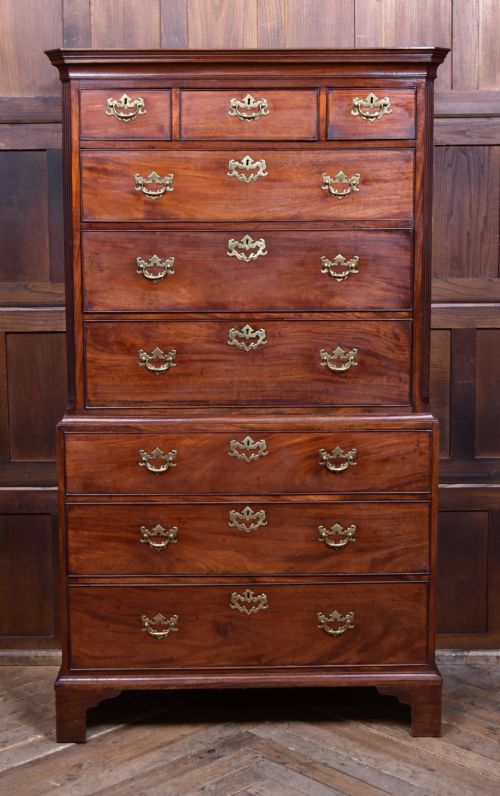
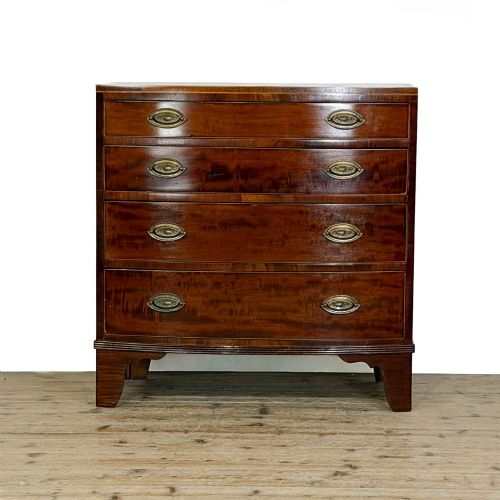


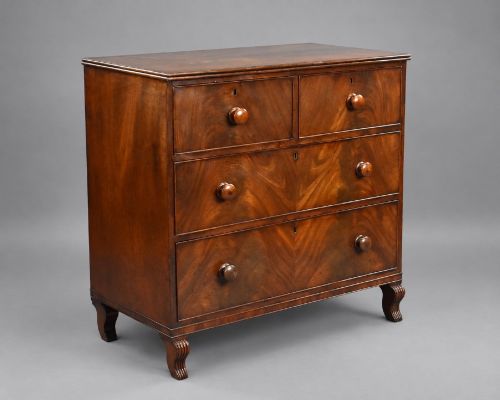
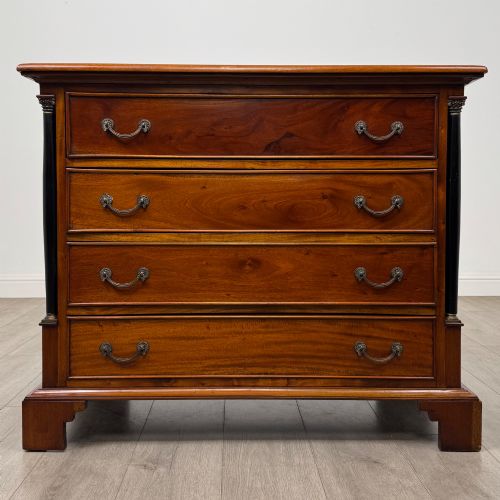
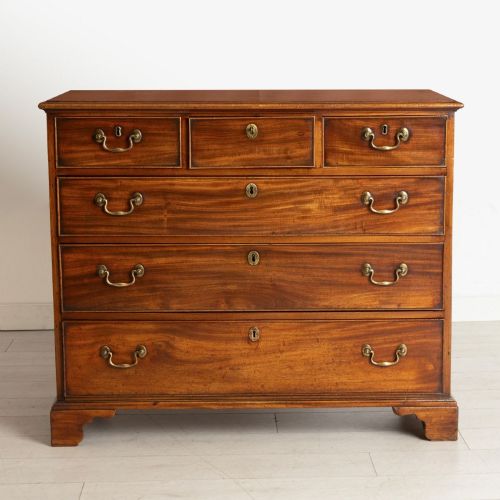
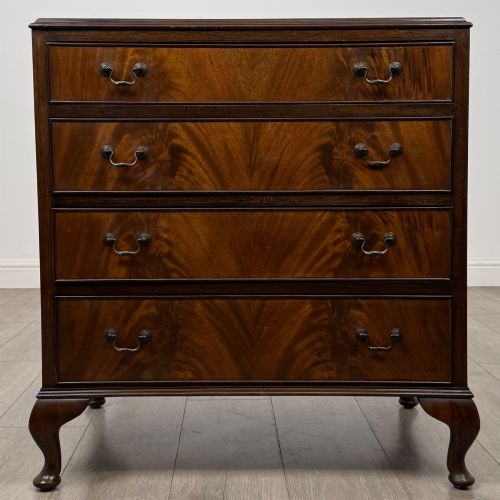
Traditional Wood Tallboy
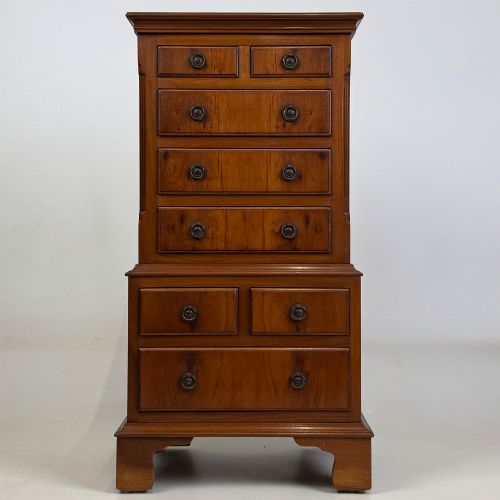
A traditional wood tallboy offers commanding vertical storage, combining generous proportions with the rich warmth of period timber.
Traditional Wood Tallboy
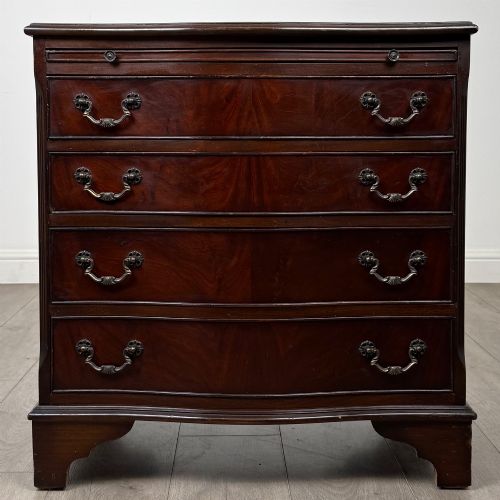
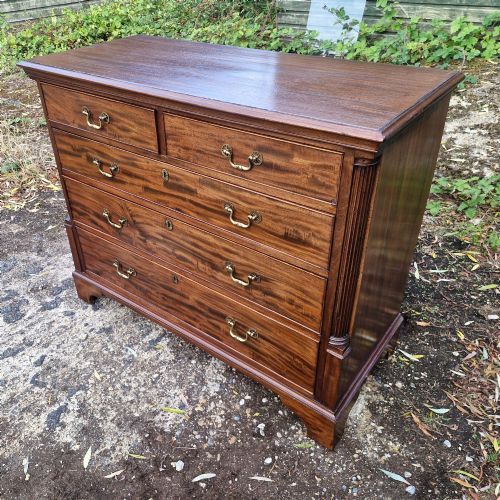
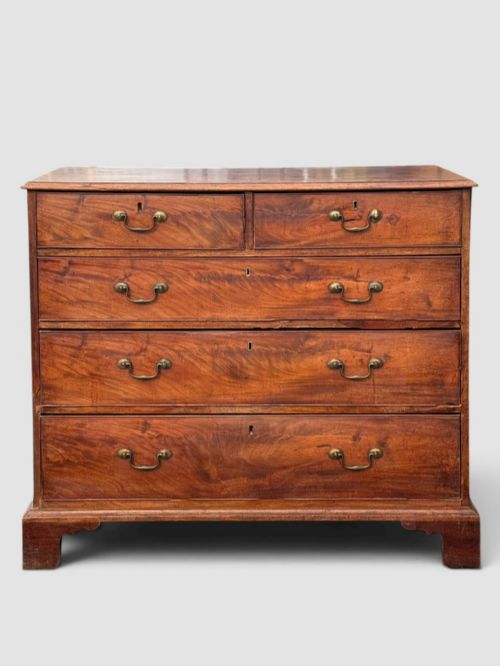
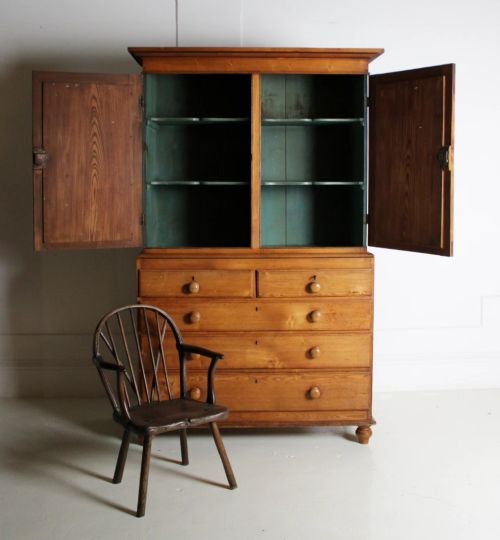
A traditional wood tallboy stands as a tall vertical storage piece, often taking the form of a chest on chest or a dedicated tallboy designed to maximise storage without expanding floor space. Buyers searching for a traditional wood tallboy will encounter pieces spanning the Georgian, Victorian, and Edwardian periods, alongside later revivals.
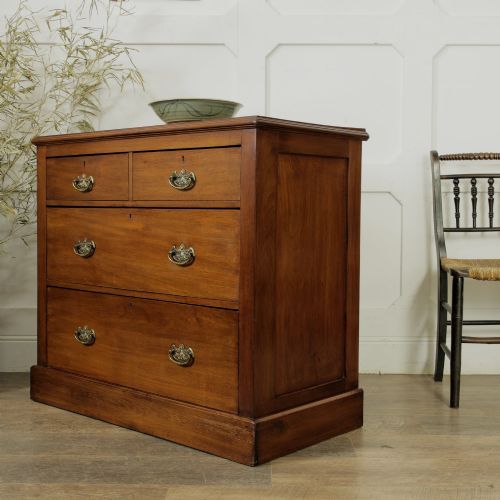
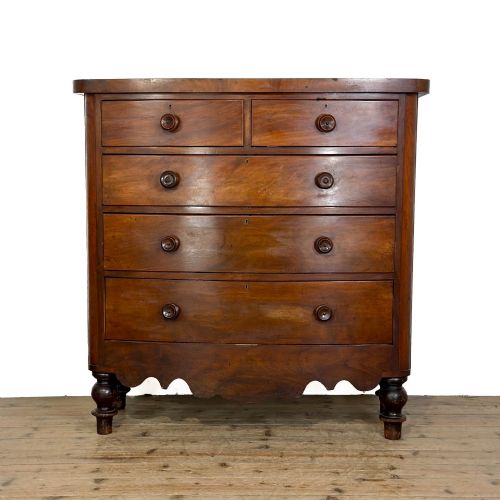
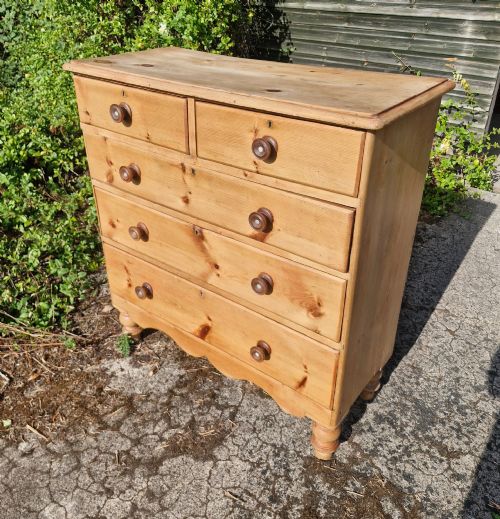
The selection here includes multi-drawer chests, linen presses, and double-tier tallboys configured in stacked sections. Most examples utilise dense cabinet timbers, maintaining the classic proportions developed to organise wardrobe storage in historic homes.
Distinctions in quality and execution
Quality separates pieces through the selection of timber figures, such as highly grained flame mahogany or figured elm, paired with precise cabinet joinery. Superior examples maintain original hardware, well-fitted drawers that run smoothly, and balanced proportions across stacked sections.
Lesser or heavily restored items may show replaced secondary timbers, mismatched brassware, or compromised veneer surfaces. The integrity of the internal drawer linings and the crispness of any carved mouldings determine the standing of an individual piece.
Listings feature tallboys and chests spanning Georgian, Victorian, and Edwardian periods, constructed in mahogany, oak, pine, and walnut.
Warings Liverpool
The Traditional Wood Tallboy Glossary
- Tallboy
- A tall chest of drawers, frequently constructed as one chest stacked directly on top of another to provide extensive vertical storage. This form emerged in the eighteenth century and remained popular through the Victorian era.
- Chest on Chest
- A two-section storage unit where a slightly narrower upper chest rests upon a broader lower base. The design allows for substantial capacity while maintaining architectural symmetry.
- Flame Mahogany
- A wood veneer cut from the fork of a mahogany tree to create a distinctive, flickering flame pattern. Cabinet makers reserved this striking grain for primary drawer fronts and principal display panels.
- Dovetail
- A traditional interlocking joint utilised at the corners of drawer boxes to ensure structural rigidity. Hand-cut dovetails indicate earlier craftsmanship before the introduction of mechanised production.
Traditional Wood Tallboy: Frequently Asked Questions
What is a traditional wood tallboy?
A traditional wood tallboy is a tall storage furniture piece, commonly built as a chest on chest or a high single-carcase chest designed to hold linens and garments.
These pieces utilise timbers such as mahogany, oak, and pine, reflecting the cabinet-making standards of the Georgian, Victorian, and Edwardian eras.
How do I date a tallboy?
Dating relies on examining timber selection, construction methods, hardware styles, and overall proportions. Georgian pieces often feature hand-cut dovetails and solid mahogany or oak, while later Victorian and Edwardian examples introduce varied veneers and alternative secondary woods.
Hardware placement and drawer construction provide further clues, as earlier makers used distinct joining techniques and specific brass handle designs that shifted across stylistic periods.
Where should I place a tallboy?
A tallboy suits bedrooms, dressing rooms, or hallways where vertical storage is required without occupying excessive floor space. Because these pieces are tall, positioning them against a stable wall ensures safe daily use.
Allowing adequate clearance for opening drawers and doors ensures the piece functions practically within a room's layout.
How do I care for wood furniture?
Maintaining historic wood furniture involves keeping pieces away from direct heat sources and fluctuating humidity, which can cause timber to split or veneers to lift. Dusting regularly with a soft, dry cloth preserves the finish without abrasive cleaners.
Applying traditional wax polish occasionally nourishes the wood and protects the patina developed over centuries of use.