

Edwardian Brown Sideboard
These edwardian brown sideboard options offer generous storage and rich timber tones, anchoring a dining room with practical surface space.
Edwardian Brown Sideboard
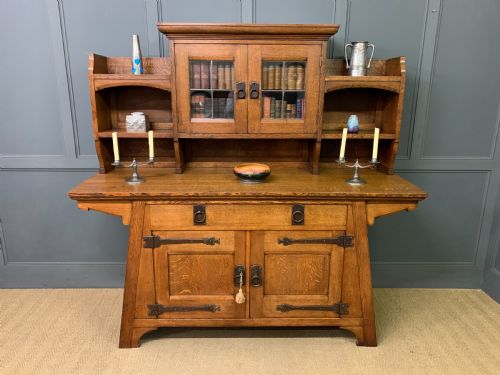
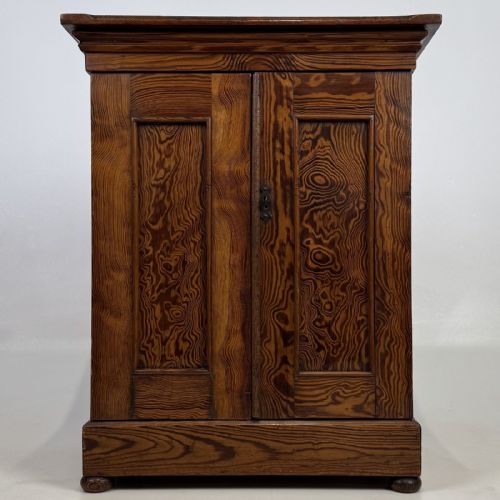
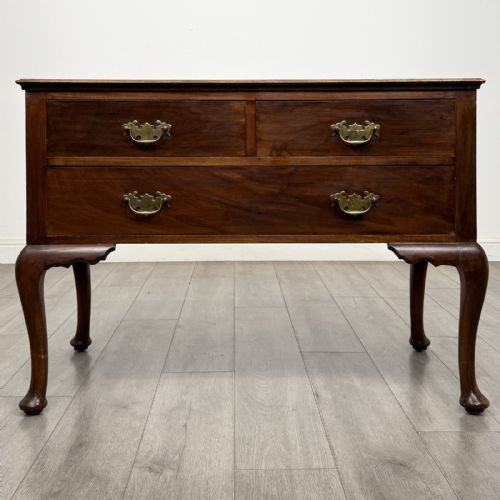
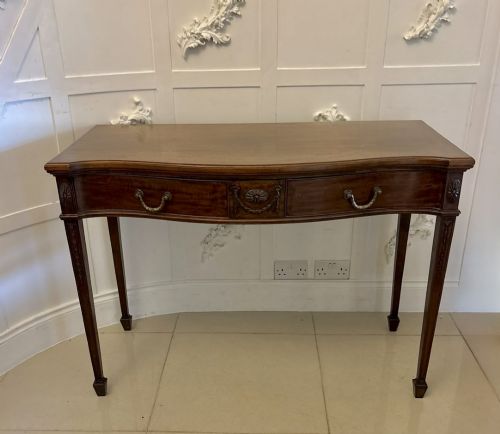
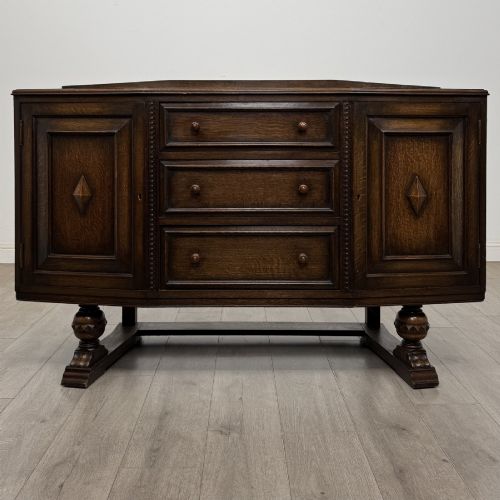
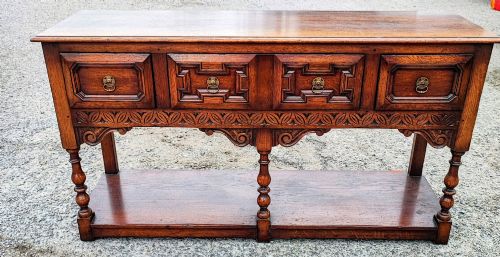
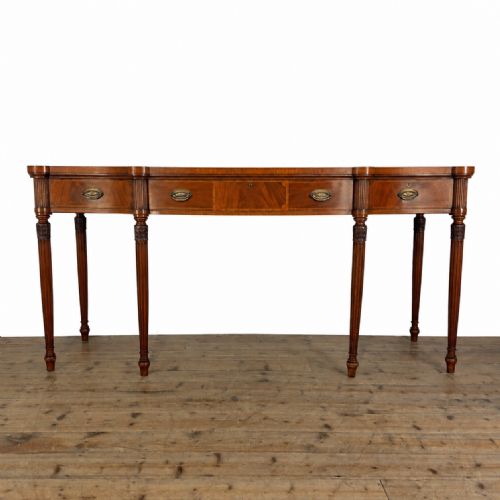
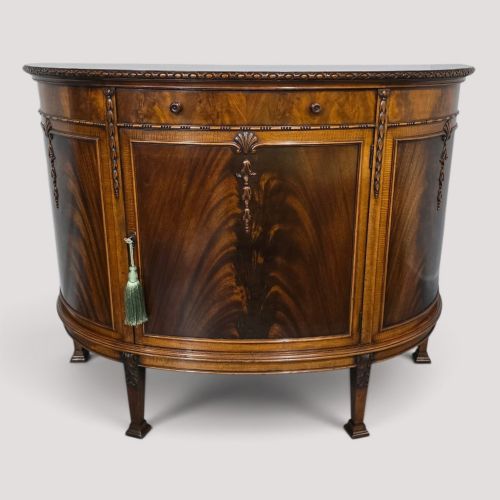
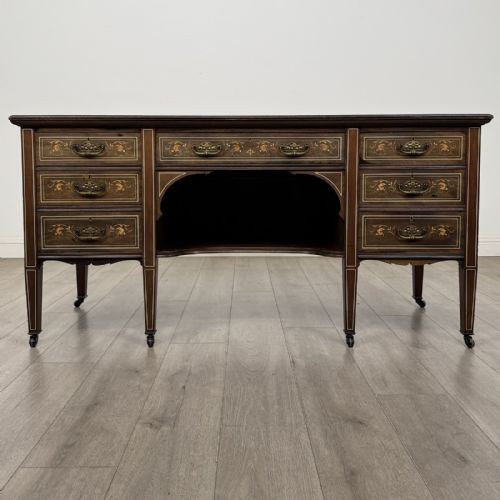
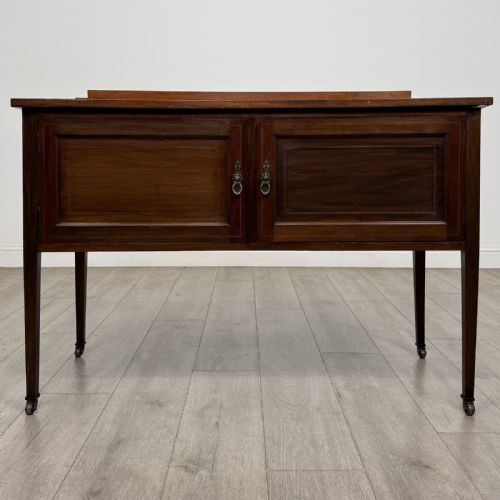
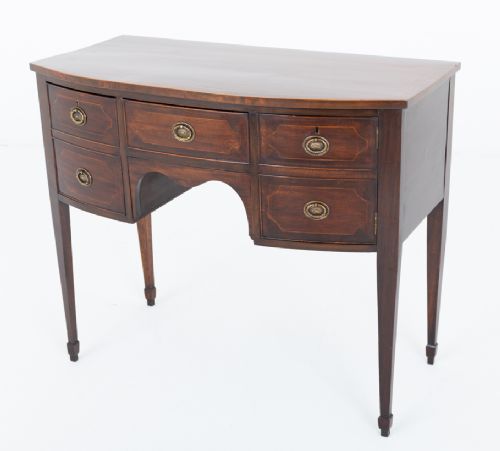
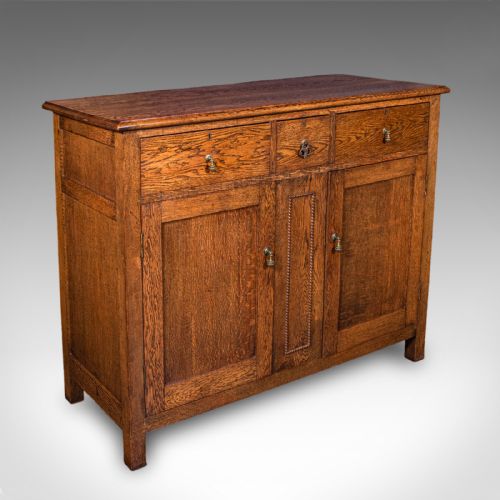
When you search for an edwardian brown sideboard, you encounter substantial dining room furniture primarily originating from the early twentieth century, alongside transitional pieces from the late nineteenth century. The selection spans pedestals, bow-fronts, credenzas, and dressers built from dark timbers.
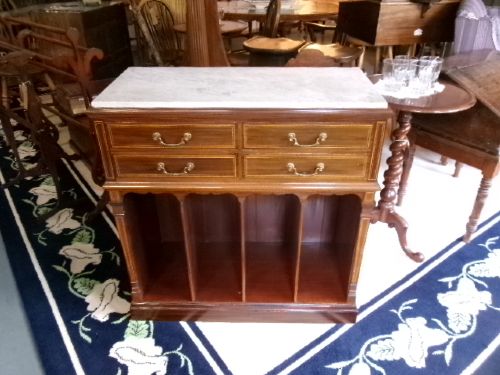
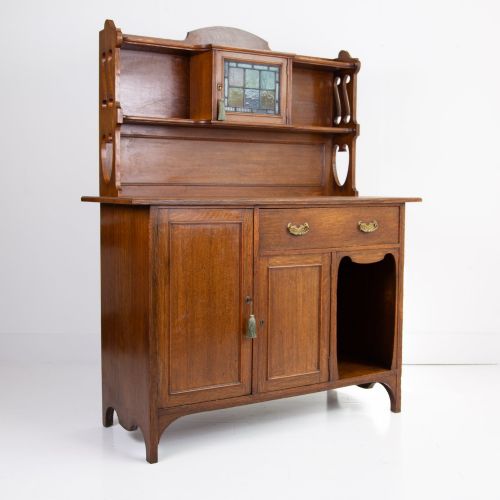
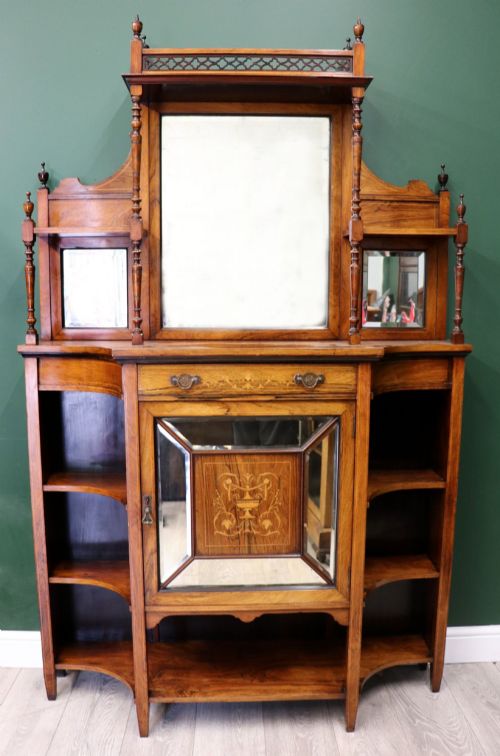
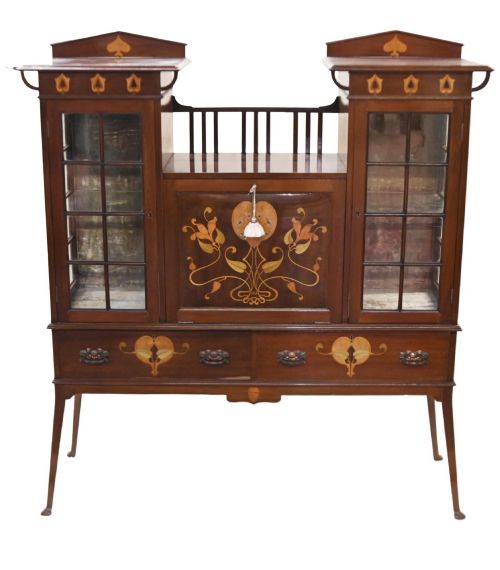
Mahogany and oak dominate the offerings, often enriched with satinwood crossbanding, marquetry inlay, or carved geometric panels. Formats range from compact side cabinets to large buffet units equipped with mirror backs, raised galleries, and glazed display compartments.
Materials and Construction
Cabinet makers utilised solid woods and veneers of mahogany, oak, walnut, and elm, building robust frames supported by turned legs, bracket feet, or pedestal bases. Surfaces frequently display detailed craftsmanship through satinwood stringing, marquetry motifs, and brass face handles.
Interior storage solutions vary from simple shelving and cutlery drawers to specialised drinks compartments and display chests. Structural integrity relies on traditional joinery techniques paired with period hardware like glazed panels and iron fittings.
Edwardian Brown Sideboard Retail Price Guide 2026
Typical asking prices for edwardian brown sideboard among the pieces listed under this phrase on Sellingantiques today, from the lower quarter to the upper quarter. They describe what is for sale here now, not the wider market.
Listings feature oak, mahogany, walnut, and elm alongside brass hardware, glass panels, and satinwood crossbanding.
Assessing the Standard
The distinction between standard utility furniture and superior examples lies in the selection of timber figures, such as burr walnut or figured mahogany, and the precision of inlaid details. Workshops that employed refined marquetry or distinctive hardware elevate a standard storage piece into a notable focal point.
Proportion and architectural detailing also dictate the grade of a piece, separating straightforward carcases from sophisticated items featuring serpentine fronts, raised galleries, or integrated display sections.
Hewetsons London·Shoolbred and Co·Ambrose Heal for Heal and Son·Whytock and Reid
The Edwardian Brown Sideboard Glossary
- Crossbanding
- A border veneer applied around the edge of a tabletop or drawer front with the grain running perpendicular to the centre.
- Marquetry
- Decorative patterns formed by fitting together small pieces of coloured wood veneer onto a structural surface.
- Serpentine
- A furniture front shape characterised by a central convex curve flanked by two concave curves.
- Dumbwaiter
- A multi-tiered serving table or sideboard stand used historically for holding dishes and cutlery near the dining table.
- Gallery
- A raised decorative rail or spindle border running along the top edge of a sideboard or cabinet.
Edwardian Brown Sideboard: Frequently Asked Questions
What rooms suit an Edwardian sideboard best?
These sideboards serve well in traditional dining rooms, hallways, or living spaces where substantial surface area and enclosed storage are required.
Their deep timber tones and period details complement both classic and eclectic interior schemes.
How do I care for antique mahogany wood?
Maintain the finish by dusting regularly with a soft, dry cloth and avoiding direct exposure to strong sunlight or heat sources.
Apply a quality beeswax periodically to nourish the timber grain and preserve the surface sheen without building up heavy residues.
What is the difference between an oak and mahogany sideboard?
Oak sideboards typically exhibit a heavy grain structure and connect to Arts and Crafts or Jacobean Revival styles, offering a robust aesthetic.
Mahogany alternatives generally present a smoother reddish-brown surface often associated with formal Edwardian and Sheraton Revival designs.
How can I tell an Edwardian piece from a Victorian one?
Edwardian items tend to feature lighter proportions, simplified lines, and brighter satinwood inlay compared to heavier, darker Victorian carcases.
Stylistic crossovers do occur during transitional periods around the turn of the century, blending decorative motifs from both eras.