


Edwardian Bronze Pendant Light
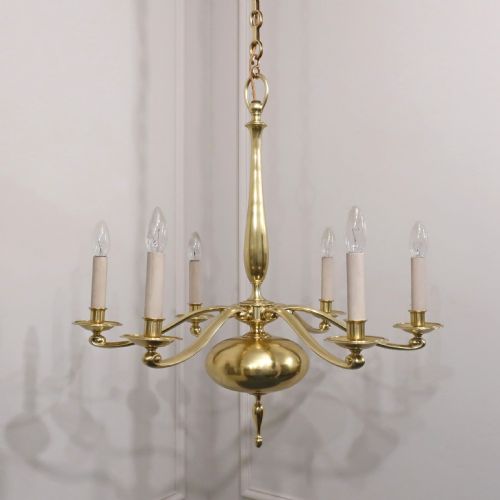
An edwardian bronze pendant light brings substantial weight and period illumination to a high ceiling, suspended securely to cast an even downward glow.
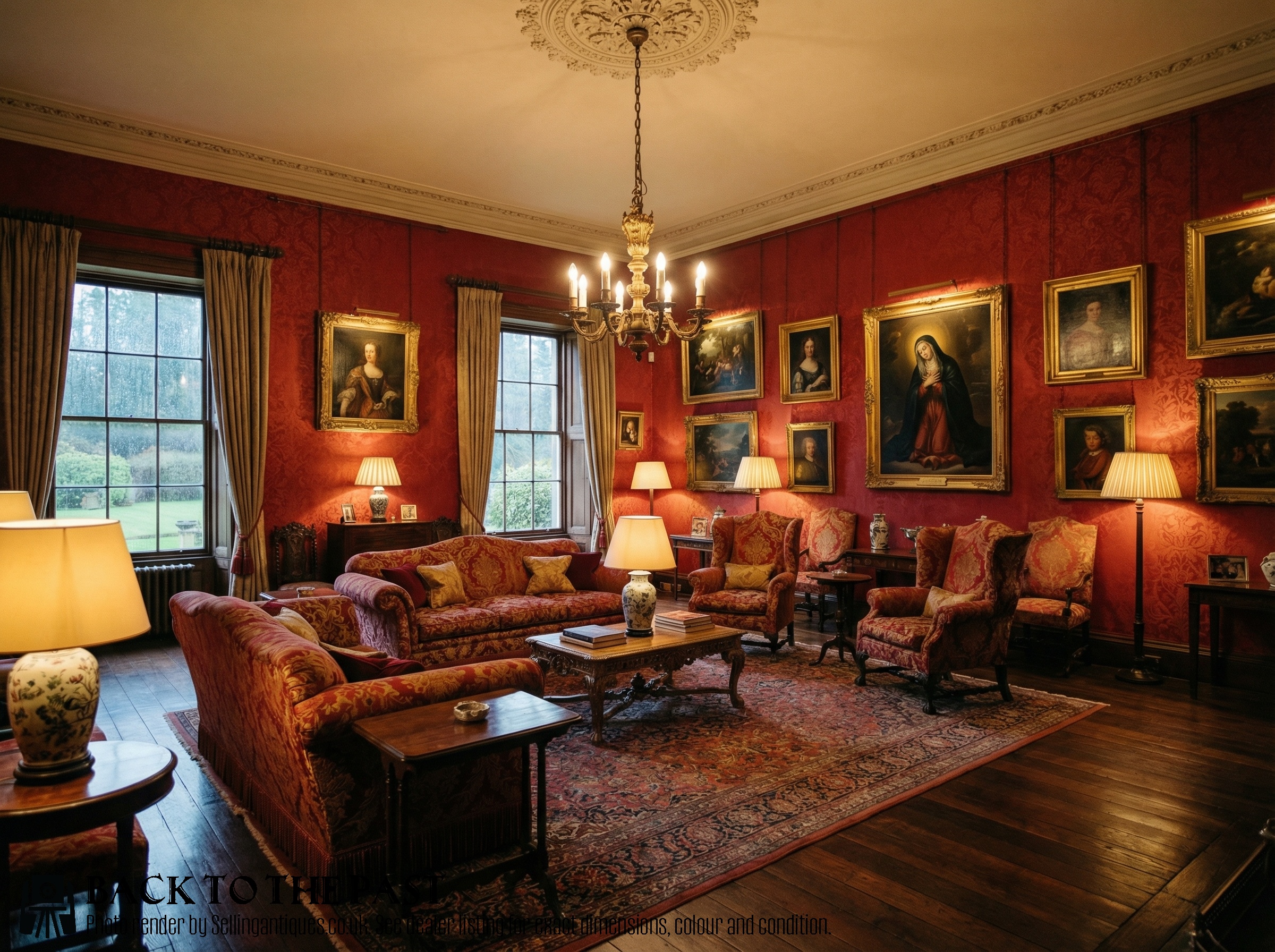
Edwardian Bronze Pendant Light
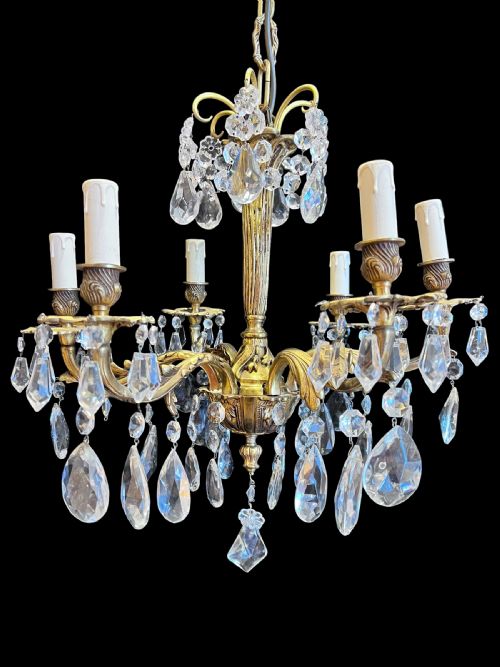
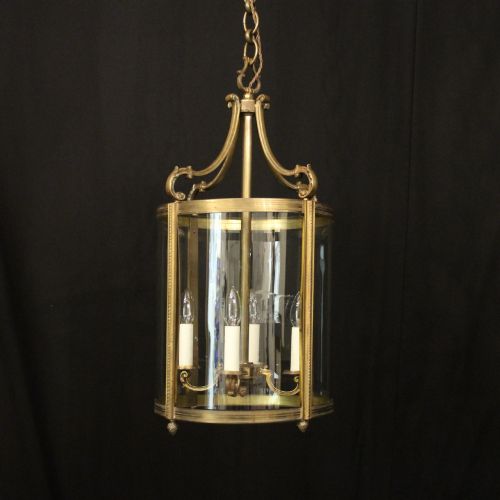
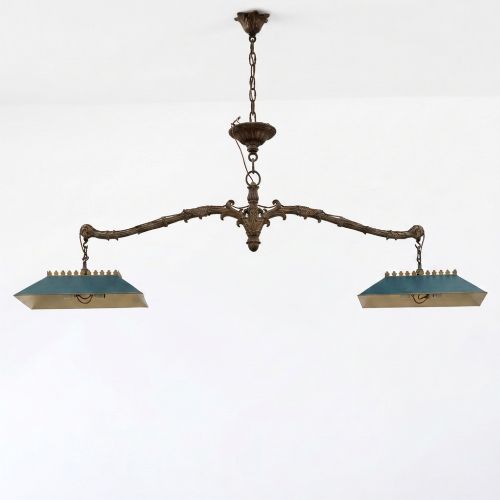
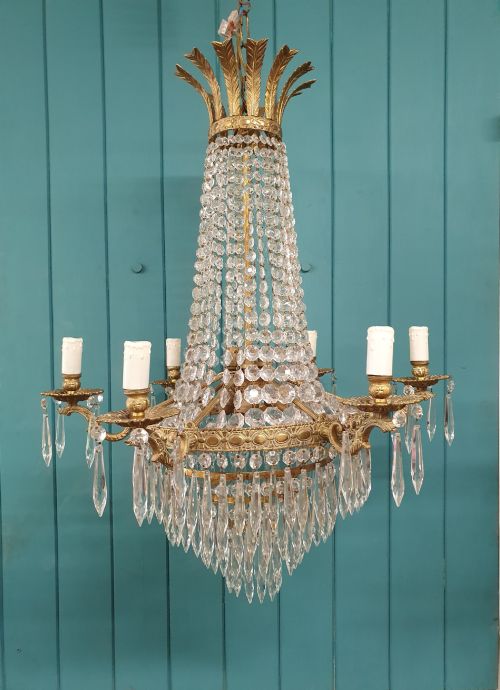
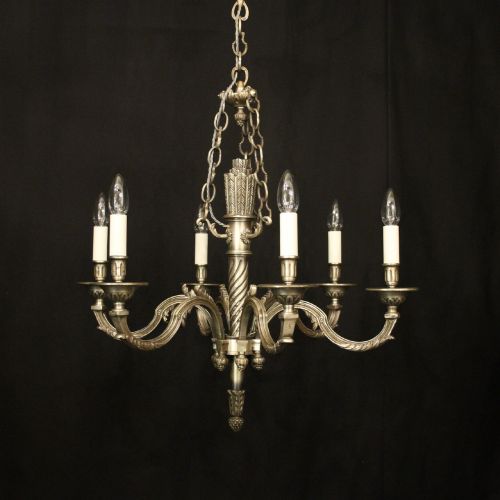
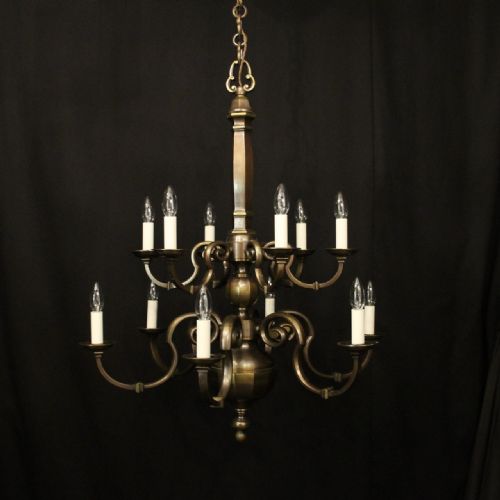
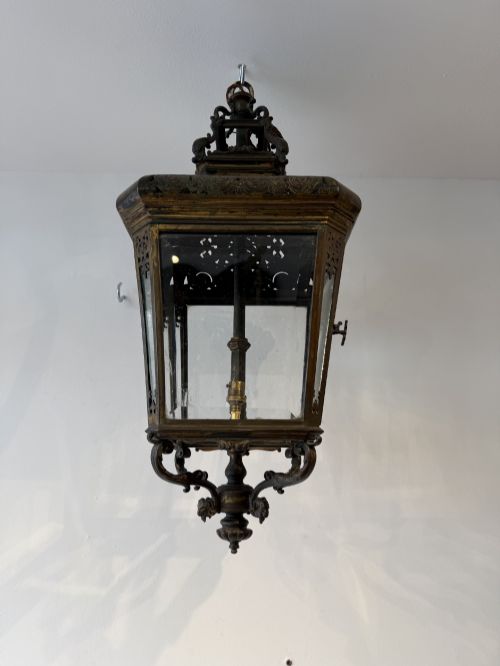
An edwardian bronze pendant light comprises overhead ceiling fixtures cast from metal alloys and suspended by chains or rods to illuminate domestic spaces. Buyers seeking this category encounter varied lighting forms including hanging lanterns, multi-armed chandeliers, and bowl fittings spanning late Victorian, Edwardian, and early twentieth-century periods.
The selections on this page originate predominantly from English and French workshops, utilising bronze, brass, and gilt metals often paired with glass elements. Surviving examples reflect distinct stylistic influences ranging from French neoclassical and rococo revival to art nouveau and gothic designs.
What varies in quality
The refinement of cast metal ornament dictates visual success, separating sharply detailed leaf work and crisp chording from softer, utilitarian casting. Heavier gauge bronze and thick gilt layers maintain integrity and surface depth through decades of handling.
Integration of glass panels and crystal drops affects overall luminosity and completeness, with bevelled or heavy cut glass demonstrating superior material weight. Original fixings and matching components demonstrate maker competence compared to later assembled replacements.
Materials recorded across the available selection include patinated bronze, gilt brass, cut glass, crystal, and wrought iron.
G.E.C·F&C Osler
The Edwardian Bronze Pendant Light Glossary
- Bronze
- An alloy consisting primarily of copper combined with tin, yielding a durable metal suited to heavy casting. It develops a rich patinated surface over time.
- Gilt bronze
- Metal cast in bronze and subsequently coated with a thin layer of gold leaf or gold powder suspended in liquid. This treatment provides a permanent bright golden finish.
- Hall lantern
- An enclosed hanging light fixture designed specifically for narrow entrance spaces and corridors. These typically feature glazed sides to protect internal light sources from drafts.
- Cut glass
- Glass decorated by grinding facets and patterns into the surface using mechanical wheels. This technique enhances refraction and sparkle under illumination.
- Ormolu
- A finely chased and gilded bronze ornament popular in French decorative arts. The term derives from French phrasing meaning ground gold.
Edwardian Bronze Pendant Light: Frequently Asked Questions
How do I hang a heavy bronze pendant light safely?
Suspension requires fixing directly into ceiling joists or structural timber using appropriate steel hooks and load-bearing chains. Professional installation ensures the ceiling structure supports the combined weight of metal and glass safely.
Electrical wiring must match current safety standards while preserving the original ceiling rose and suspension fittings where possible. Consulting a qualified electrician guarantees secure mechanical and electrical integration.
What rooms suit an edwardian bronze pendant light?
These substantial pendant fittings suit high-ceilinged entrance halls, dining rooms, and principal reception spaces where drop length and scale command attention. Their enclosed lantern or multi-arm formats distribute ambient illumination effectively across larger floor areas.
Lower ceilings require careful measurement to maintain adequate clearance beneath the lowest glass or metal drop. Placing a pendant above a central table or within a spacious hallway creates a striking focal point.
How should I clean antique bronze and glass?
Dust metal components gently with a dry, soft cloth to preserve the historic patina without abrasive polishes. Chemical cleaners can strip original gilt surfaces or patination permanently.
Glass shades and crystal drops detach easily for washing in warm soapy water before thorough drying and reattachment. Regular maintenance keeps transparent surfaces bright and prevents dust accumulation on intricate castings.
How do I date an edwardian bronze pendant light?
Dating relies upon examining construction methods, screw threads, suspension hardware, and stylistic indicators associated with turn-of-the-century manufacturing. Edwardian pieces often combine heavy bronze casting with art nouveau curves or restrained neoclassical revival details.
Maker marks stamped onto metal frames or collar fittings provide definitive attribution to period manufacturers and workshops. Comparing shade types and wiring channels further narrows the production era.