



Edwardian Brass Scales
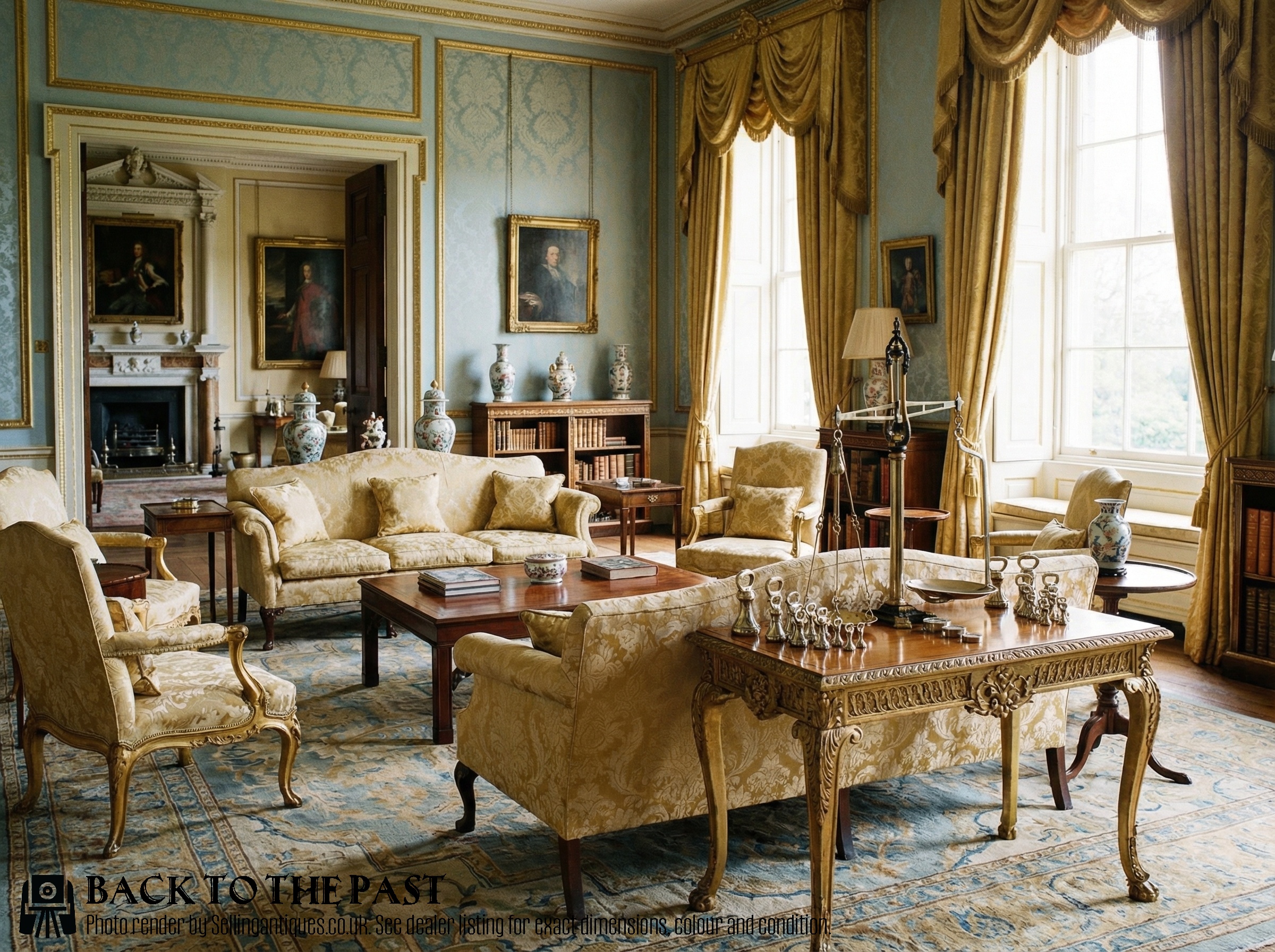
Edwardian brass scales are functional weighing instruments of the early twentieth century that bring purposeful utilitarian charm to any room.
Edwardian Brass Scales
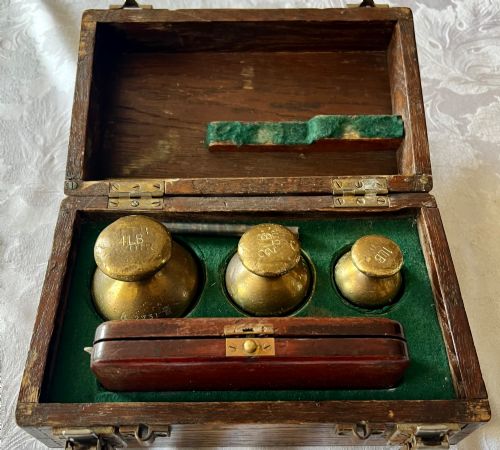
When you search for Edwardian brass scales, you encounter weighing instruments designed for domestic, commercial and postal use during the early twentieth century. The most common survivals on this page are postal scales, which feature polished brass balance arms mounted on wooden bases of oak or mahogany.
Makers produced these balances for sorting letters and parcels in offices and homes before digital technology took over. They frequently retain fitted slots for brass weight sets, keeping the complete apparatus together for daily desk use.
Materials and construction
Foundries cast the primary balance arms, pans and indicator needles in solid brass, polishing the metal to a bright finish that resists tarnishing. Cabinetmakers supplied the heavy wooden bases from durable timbers like oak and mahogany, routing channels to secure the moving parts.
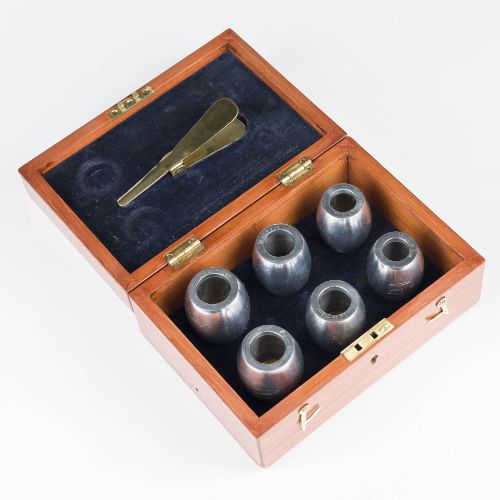
Makers incorporated steel pivots and bearing edges to ensure smooth oscillation and accurate measurement. Standard weights accompanying these sets were cast in brass or iron, often stamped with official verification marks for trade use.
Edwardian Brass Scales Retail Price Guide 2026
Typical asking prices for edwardian brass scales among the pieces listed under this phrase on Sellingantiques today, from the lower quarter to the upper quarter. They describe what is for sale here now, not the wider market.
Some Edwardian scales doubled as advertising displays for local sausage makers.
Assessing quality
The distinction between ordinary utility pieces and finer examples lies in the crispness of the casting and the density of the wood base. Superior models display refined turnings, cleanly engraved maker inscriptions and substantial brass gauge plates rather than thin sheet metal.
Proportion and completeness also separate the standard office balance from the exceptional survivor. Sets retaining their original matched series of stamped weights and original wooden fitted boxes command greater attention from collectors.
W & T Avery·De Grave Short & Co·Oertling
The Edwardian Brass Scales Glossary
- Avoirdupois
- A system of weights based on a pound of sixteen ounces. This standard governed everyday commerce and postal weighing in the period.
- Beam scale
- A simple balance comprising a central pivoting lever with suspended pans at either end. It operates by comparing an unknown mass against known standard weights.
- Postal scale
- A specialised balance fitted with a graduated quadrant or flat platform designed to show postage rates alongside weight measurements. These sat on writing desks across Edwardian offices.
- Standard weight
- A certified metal block of known mass used to calibrate scales for trade or postal duties. Official sets often bear regional inspection stamps.
Edwardian Brass Scales: Frequently Asked Questions
How do I clean old brass scales?
Dust the surfaces gently with a soft dry cloth to preserve the natural aged patina accumulated over the decades. Avoid harsh chemical polishes that strip away the characteristic warmth of antique brass.
For wooden bases, apply a light coat of natural beeswax to nourish the grain. Keep the instruments away from direct sunlight and damp conditions to protect the metal and timber.
Are these scales still accurate for weighing?
Many surviving balances remain surprisingly precise if the central pivot bearing sits correctly in its groove. They serve well for light domestic weighing tasks once properly calibrated with correct weights.
However, collectors typically treat them as decorative desk accessories or historical display pieces rather than daily kitchen instruments.
What wood was used for the bases?
Manufacturers primarily selected sturdy hardwoods such as oak and mahogany to support the heavy brass mechanism. These timbers provided the structural stability needed to keep the balance level on busy desks.
Some examples also feature walnut or simpler pine bases depending on the intended commercial market and price point.
How do I identify an Edwardian scale?
Look for specific construction traits typical of the period, including cast brass quadrants, mahogany or oak plinths and clear maker stamps. Many pieces incorporate patent dates or maker insignia from firms operating around nineteen hundred.
Stylistic cues often align with late Victorian utility design, transitioning into cleaner lines associated with early twentieth-century commerce.