
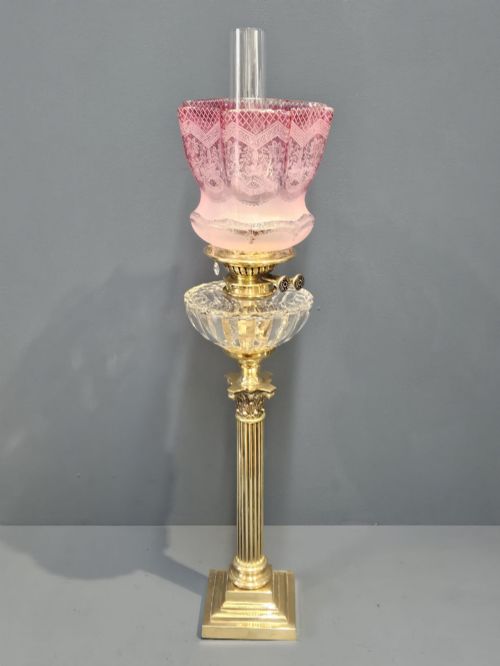
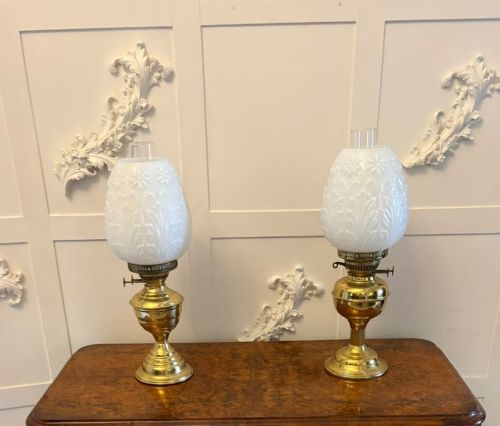
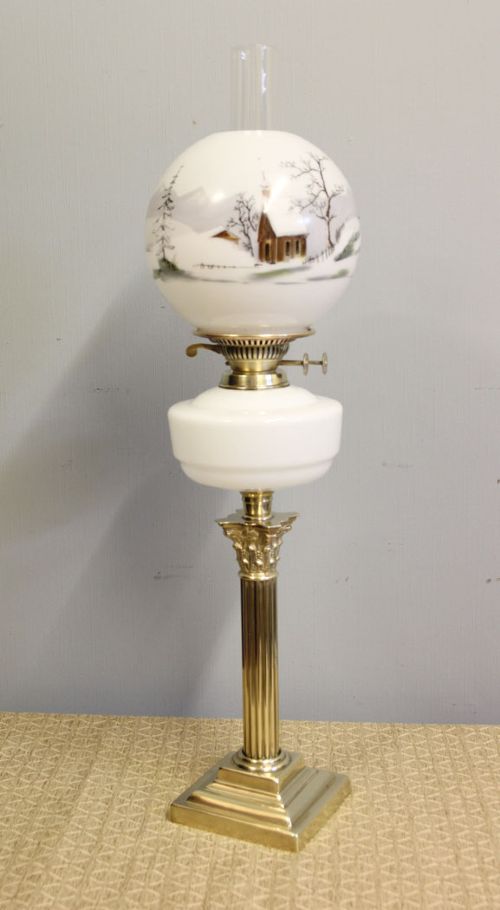
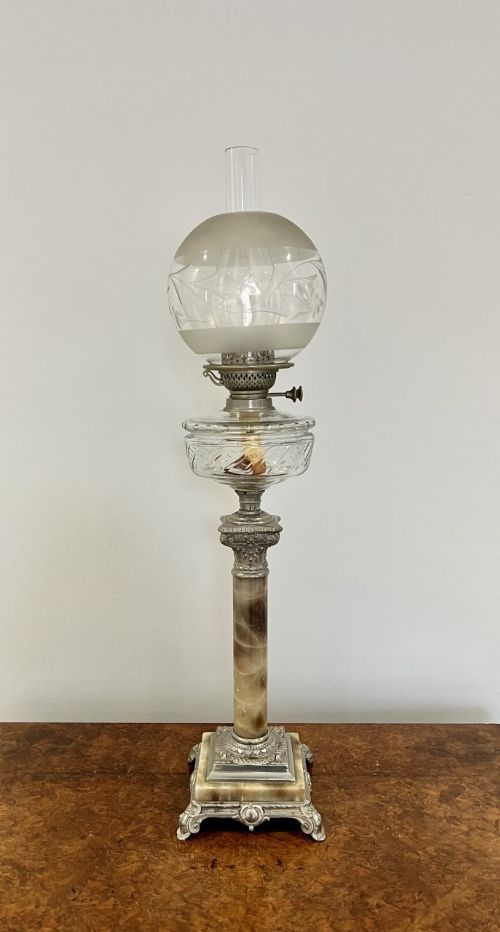
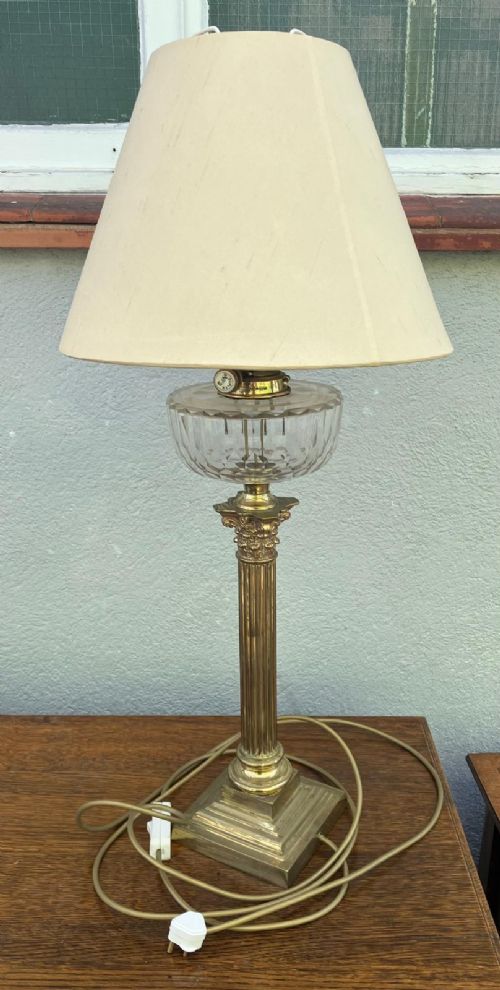
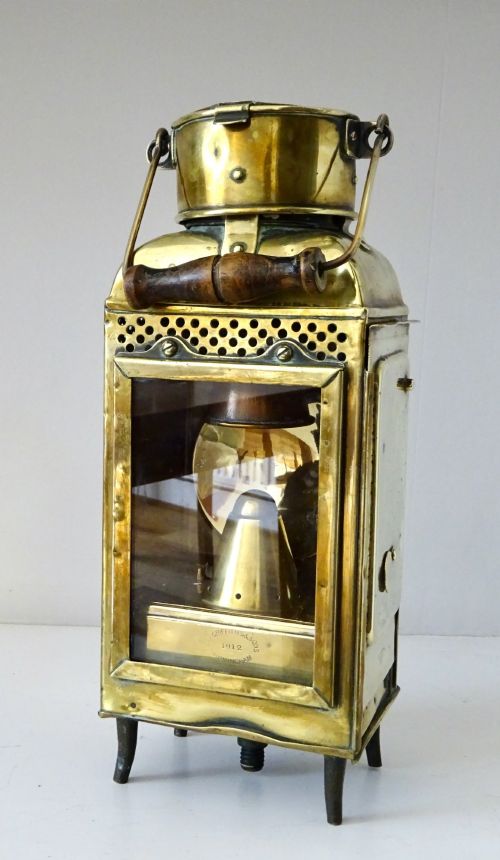
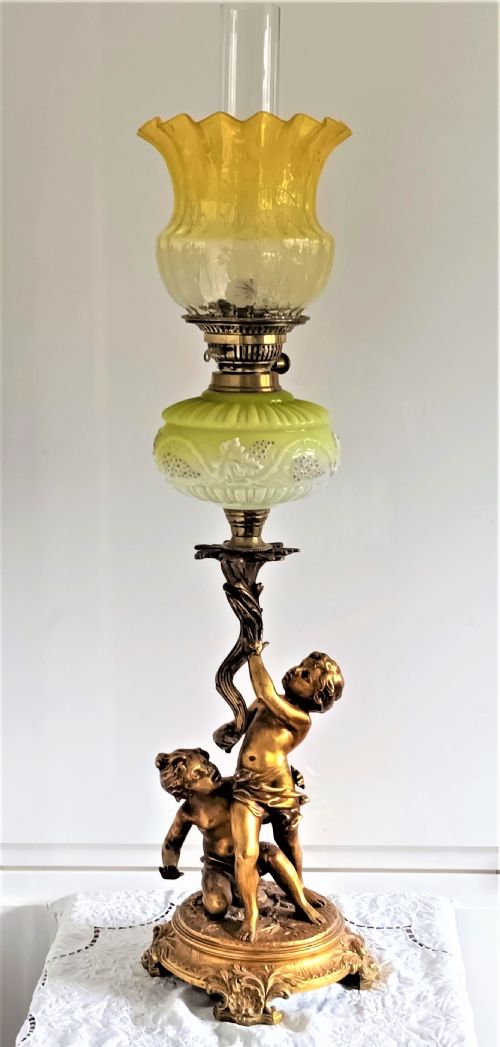
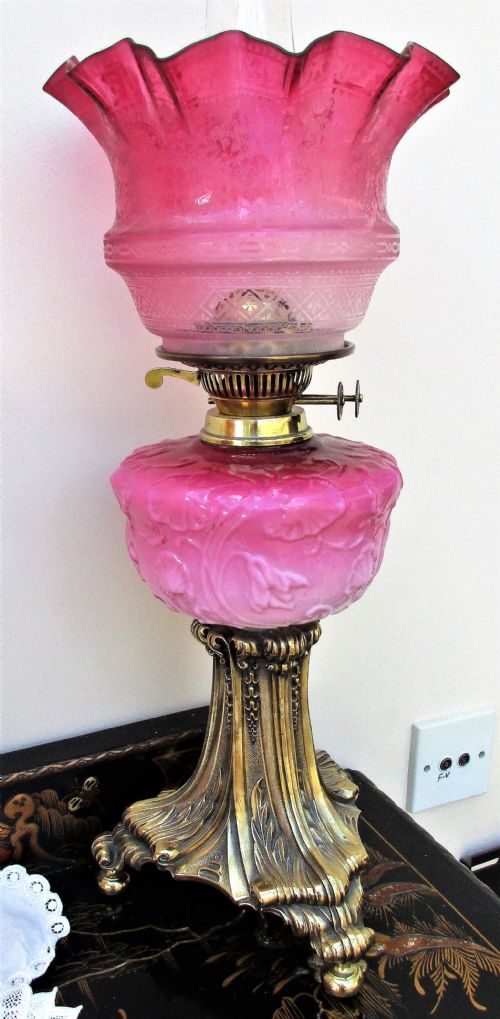
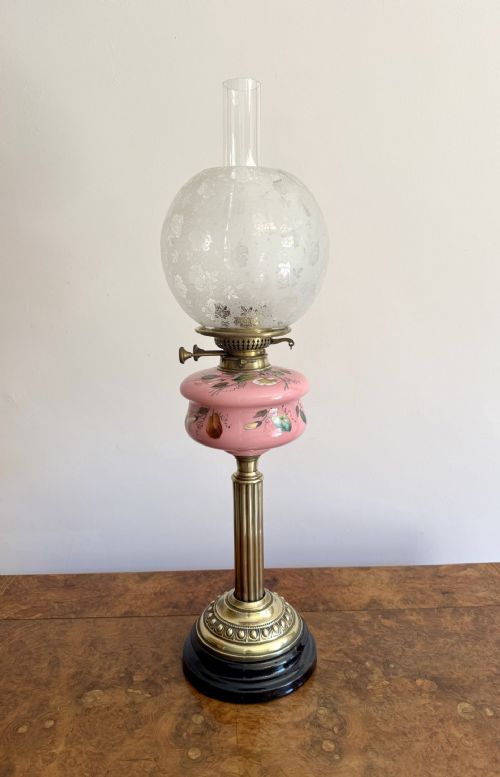
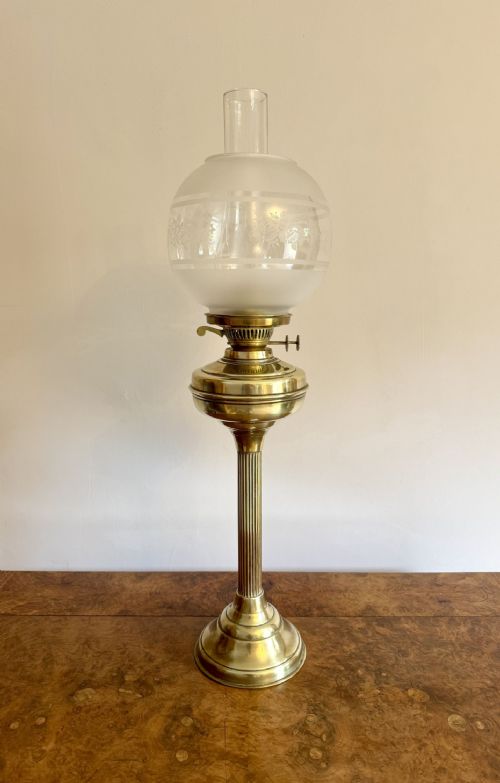
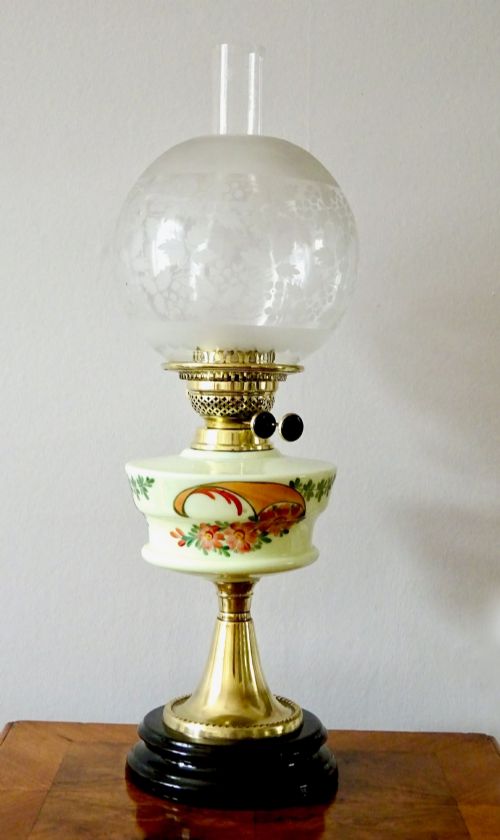

Edwardian Brass Paraffin Lamp
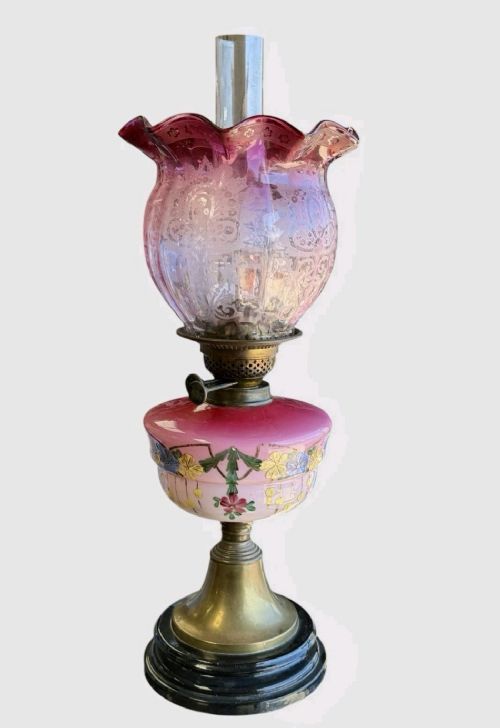
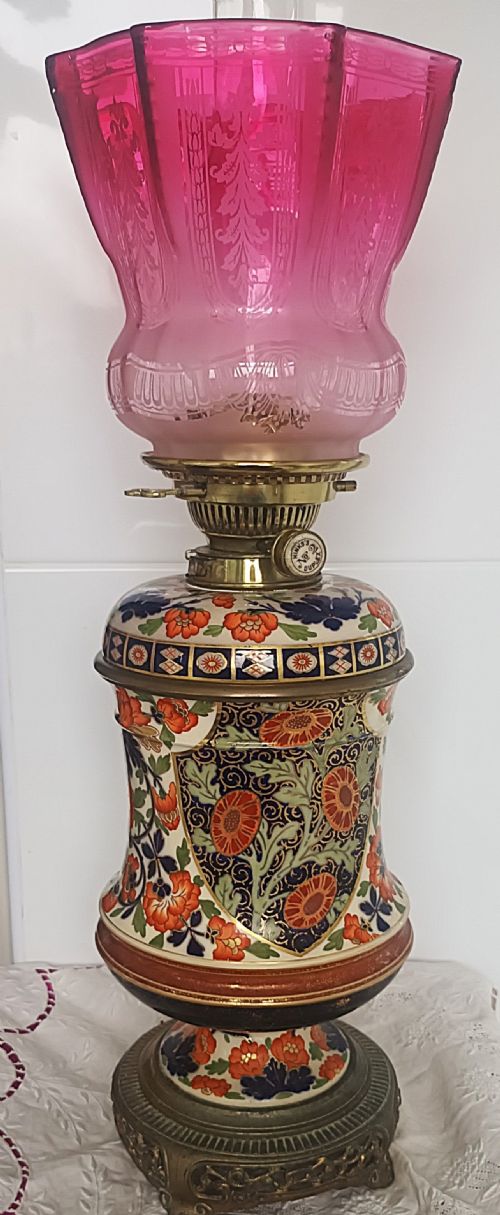
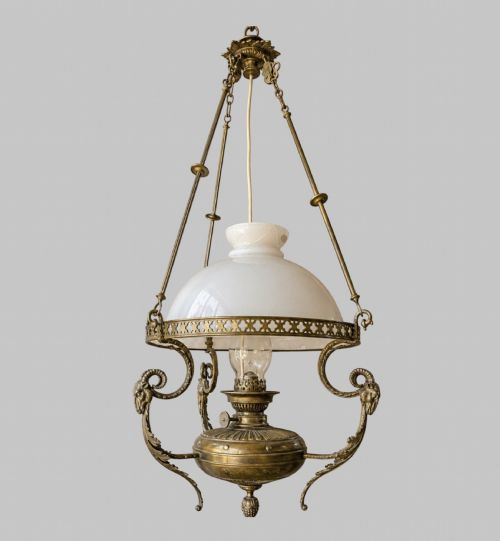
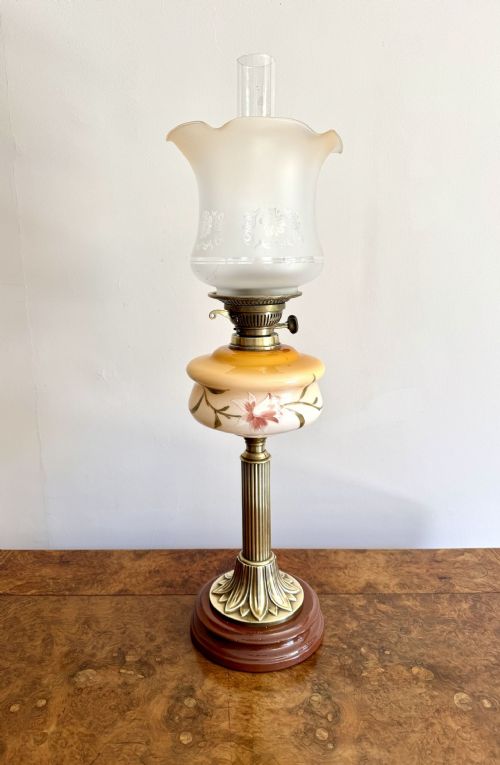
These edwardian brass paraffin lamp examples are domestic lighting pieces built to burn oil safely while bringing period weight to a room.

What They Are
An edwardian brass paraffin lamp is a domestic lighting piece designed to burn oil for illumination before electric supply reached every room. Most pieces seen here date from the Edwardian period around nineteen hundred, alongside Victorian examples from eighteen sixty.
The forms combine metal burners with reservoirs and bodies shaped from brass, cut glass, opaline glass, opal glass, ceramic, and onyx. Buyers meet complete configurations that pair brass columns with decorative glass fonts and matching shades.
How They Were Made
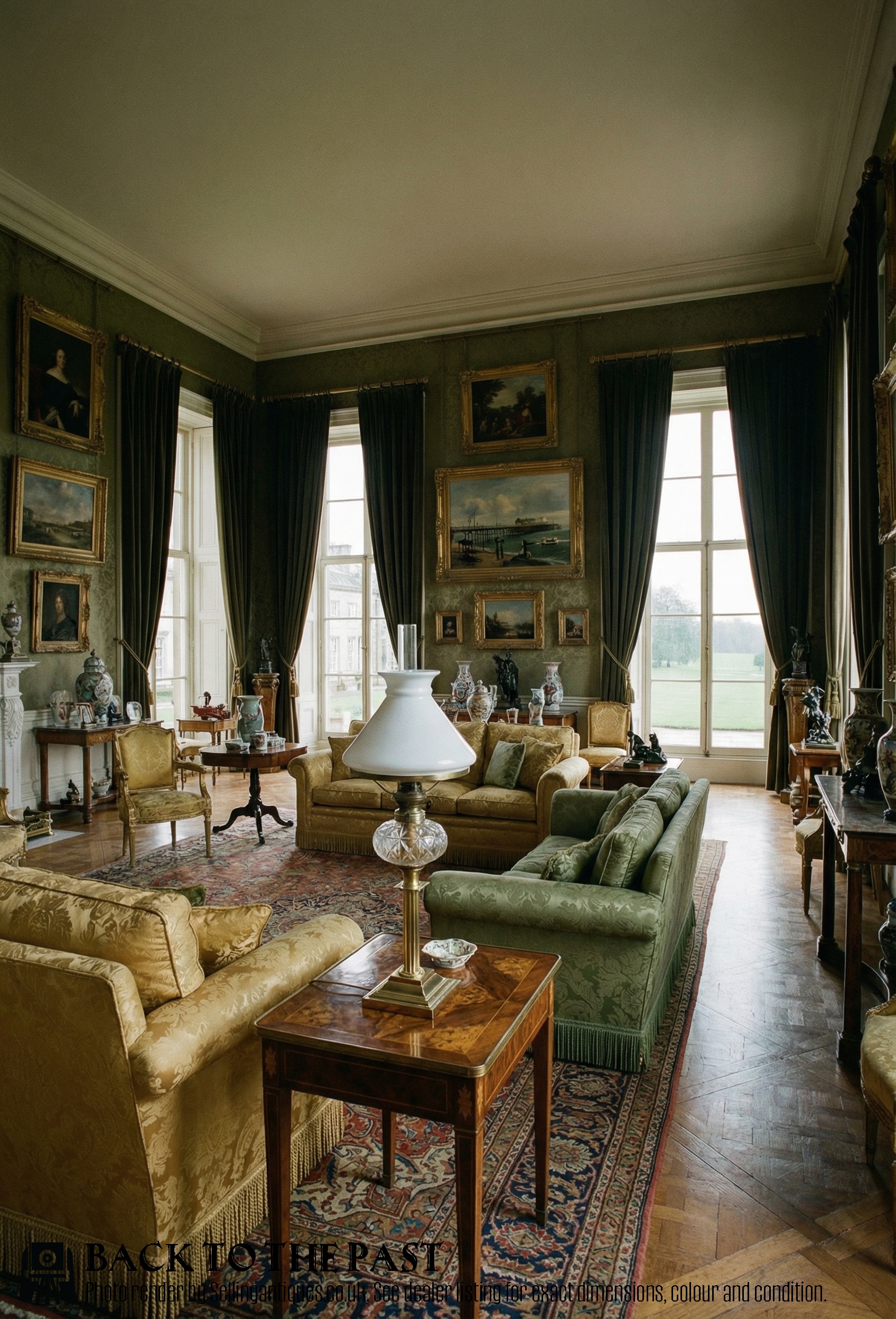
Makers constructed these lamps by combining turned and cast brass components with blown or moulded glass reservoirs and shades. Materials such as onyx and ceramic provided solid bases and bodies to anchor the metalwork.
Metal parts were joined to glass and stone elements using threaded fittings and collars to hold the paraffin fuel securely. Burner mechanisms sat atop the font to regulate the wick and flame.
Retail Price Guide 2026
Typical UK retail prices for edwardian brass paraffin lamp, calculated from the Sellingantiques database of over a million retail prices indexed since 2003. This retail price guide relies exclusively on Sellingantiques data; no external sources or auction records are used, so the figures do not describe the wider market.
Materials recorded on this site include brass, glass, ceramic, opaline glass, onyx, and cut glass.
What Varies in Quality
Quality rests in the weight of the brass casting and the clarity or colour of the glass elements. Heavier metalwork and finer glass cutting distinguish superior examples from simpler utilitarian lighting.
The integration of materials like onyx and opaline glass defines the upper end of the range. Better proportioned columns and well-finished burner fittings separate standard production from more ambitious pieces.
The Edwardian Brass Paraffin Lamp Glossary
- Paraffin lamp
- A domestic lighting device that burns paraffin oil via a wick to produce light. These pieces formed the backbone of household lighting before electricity.
- Opaline glass
- An opaque or translucent pale glass used for shades and reservoirs. It softens the light emitted from the burning wick.
- Onyx
- A banded variety of chalcedony used for lamp bodies and bases. It adds natural stone weight and ornamental colour to the metal structure.
- Cut glass
- Glass decorated with faceted patterns cut into the surface by wheel. This technique catches and refracts the light from the flame.
Frequently Asked Questions
How do I use an oil lamp?
These pieces burn paraffin oil drawn up through a cotton wick inside the burner mechanism. A glass chimney sits over the flame to steady the draft and protect the surroundings.
Modern users should treat them as decorative objects or burn suitable lamp oil with care. Keeping the wick trimmed ensures a clean flame without smoke.
How do I date these lamps?
Dating relies on the stylistic markers of the brass work, the type of glass, and the materials used in the body. Edwardian pieces around nineteen hundred often feature lighter brass forms and opaline shades.
Earlier Victorian examples from eighteen sixty tend to use heavier cast brass and cut glass combinations. Comparing the burner mechanism and collar patents helps narrow down the production era.
Are parts interchangeable?
Burners, chimneys, and shades were produced in standard sizes but varied across makers and periods. Finding exact replacements for damaged glass components requires matching the fitter diameter.
Original paired components such as opaline shades and brass fonts hold more period integrity. Mixing parts from different decades alters the unified appearance of the piece.
How should I clean brass and glass?
Brass components respond well to gentle dusting and non-abrasive cleaners that preserve the historic surface patination. Glass reservoirs and shades can be washed separately in warm soapy water.
Harsh metal polishes strip away the aged finish that collectors value. Keeping moisture away from old cemented joints protects the structural integrity of the lamp.