


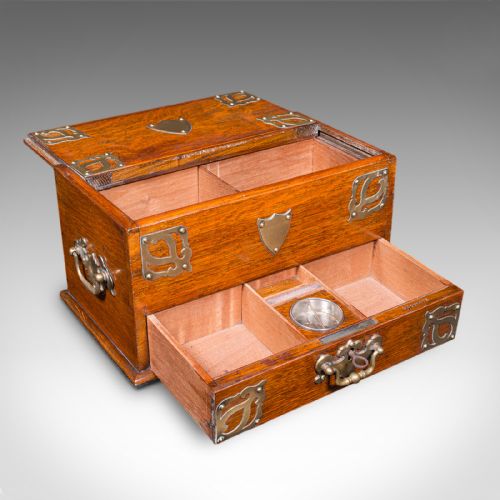


Edwardian Brass Mounted Cabinet
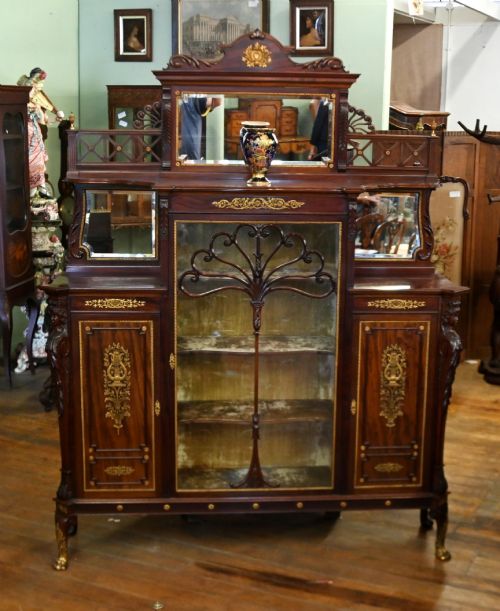
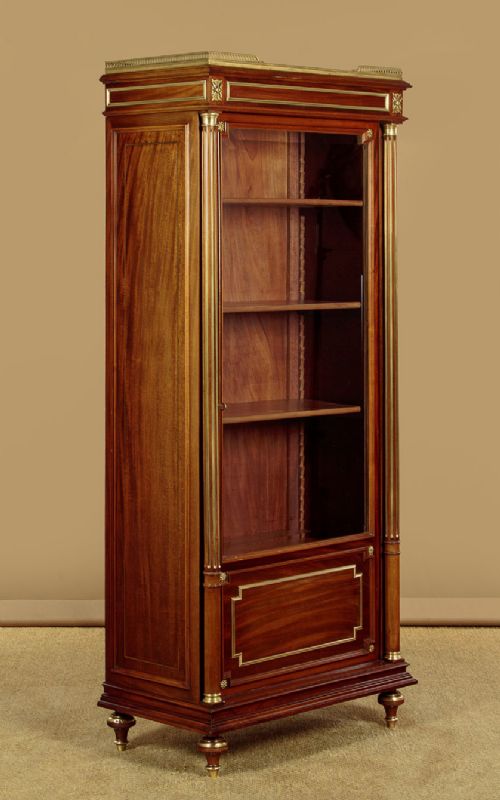
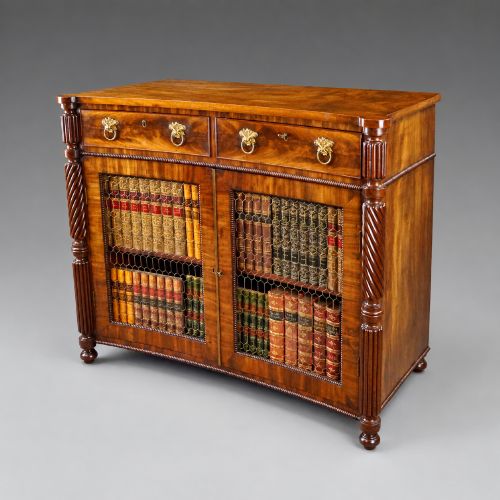
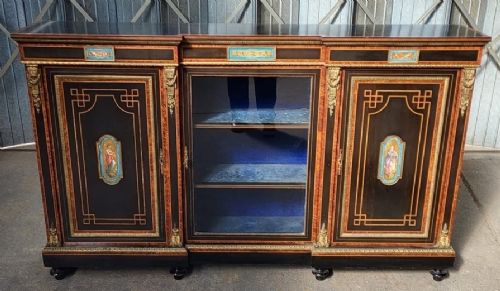
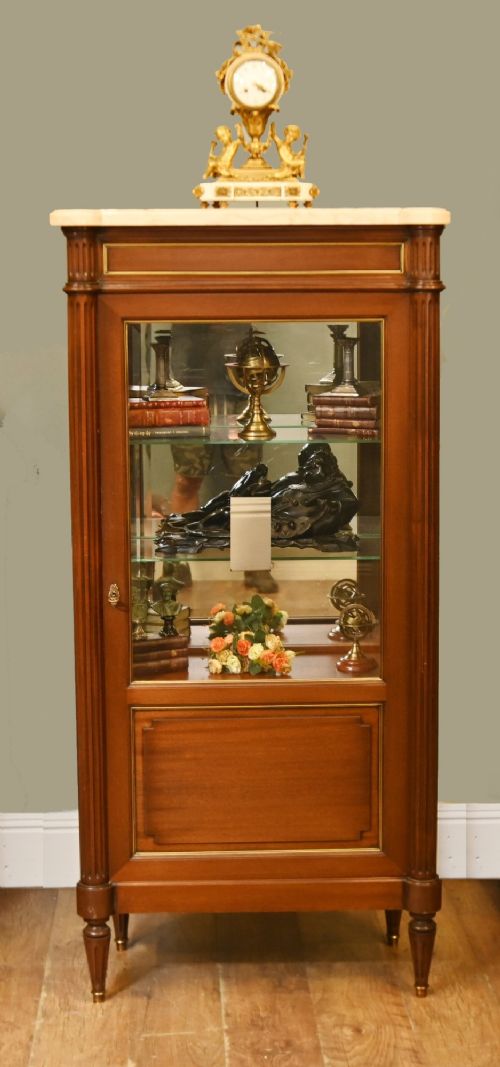
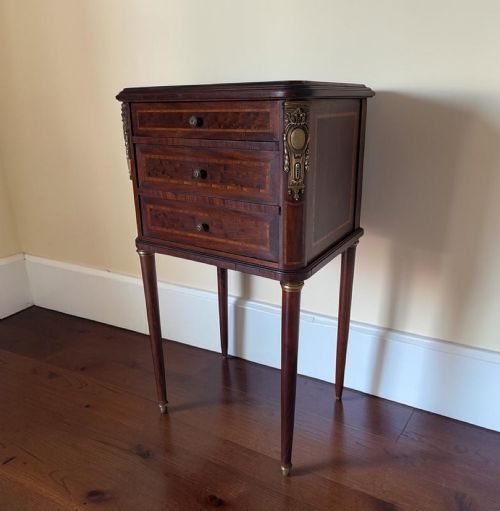
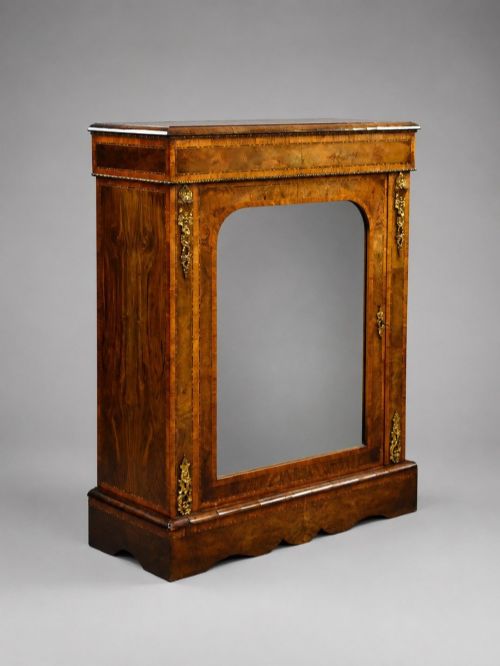
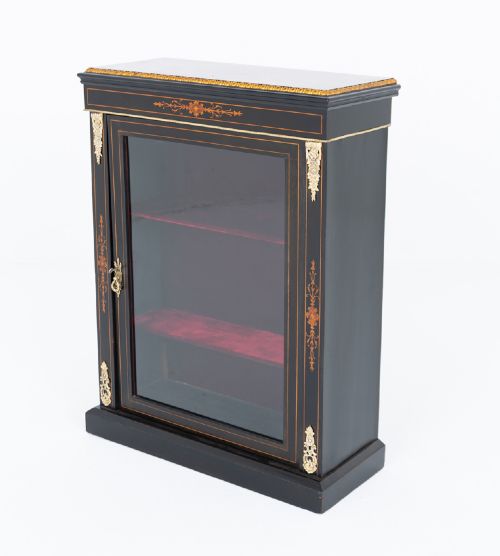
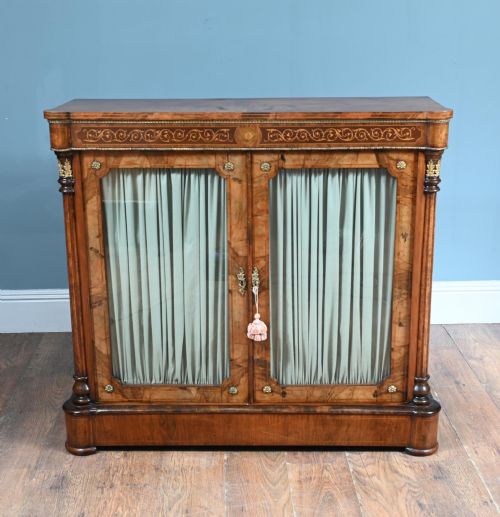
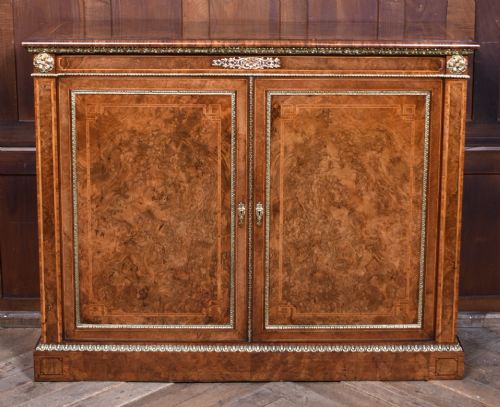
These edwardian brass mounted cabinet pieces combine polished timbers with metal mounts to provide functional storage and display for the home.
Edwardian Brass Mounted Cabinet
An edwardian brass mounted cabinet encompasses display units, bookcases, side cabinets, and smaller boxes originating from periods spanning the nineteenth and early twentieth centuries. Buyers encounter mahogany, oak, and burr walnut frameworks finished with brass hinges, handles, and structural mounts.
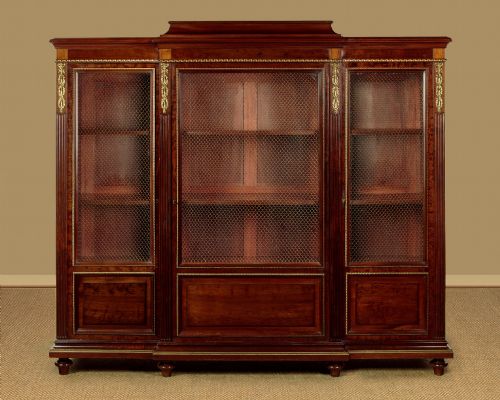
The selection on this page leans heavily toward display cabinets, side cabinets, and tabletop accessories like stationery boxes and tantaluses produced during the Edwardian era and the broader Victorian epoch. Pieces range from tall breakfront bookcases down to compact wall mounted letter boxes and bedside units.
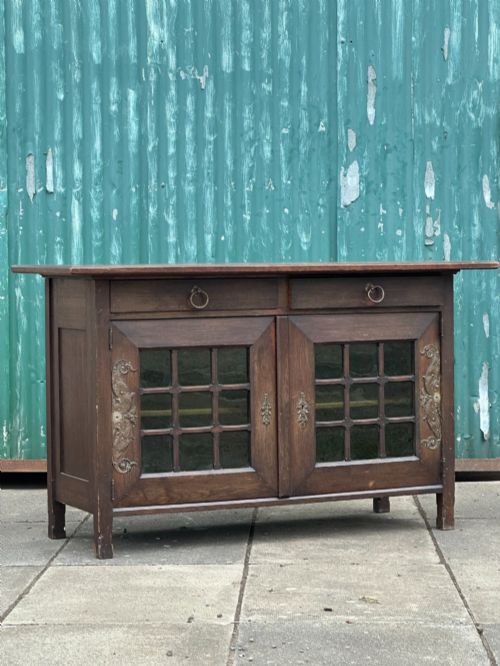
Stylistic influences stretch from English Arts and Crafts oak designs to French Louis XVI and Directoire revivals executed in mahogany or ebonised wood. These items served formal drawing rooms, libraries, and studies as functional furniture or secure repositories for cigars and documents.
Materials and Construction
Cabinet makers utilised dense hardwoods including mahogany, oak, and burr walnut as the primary structural bodies, frequently incorporating glass panels for display doors and velvet linings for interior shelves. Timber surfaces received careful polishing to accentuate natural grains and inlay work.
Metal components took the form of cast brass, gilt brass, and ormolu mounts, securing corners, framing glass doors, and forming decorative escutcheons and handles. These metal elements were screwed or pinned directly into the wood to reinforce joints and provide visual contrast.
Edwardian Brass Mounted Cabinet Retail Price Guide 2026
Typical asking prices for edwardian brass mounted cabinet among the pieces listed under this phrase on Sellingantiques today, from the lower quarter to the upper quarter. They describe what is for sale here now, not the wider market.
Cow horn table gongs and smoker's boxes demonstrate that historical living rooms enjoyed plenty of unusual social rituals.
Judging Quality
Quality rests upon the precision of the timber joinery, the crispness of cast brass or ormolu mounts, and the integration of secondary materials like glass and velvet. Superior items display tight dovetail joints, flush fitting doors, and mounts cast with sharp botanical or geometric detail rather than soft, mass produced edges.
The choice of primary timber and veneer selection dictates distinction within the range, as highly figured burr walnut or carefully matched mahogany veneers demand greater skill in application. Balance between the proportion of the wooden carcase and the weight of the brass mounts also separates standard utilitarian items from finer decorative works.
Liberty & Co·Linke
The Edwardian Brass Mounted Cabinet Glossary
- Ormolu
- A gilded bronze or brass mount applied to furniture for decorative effect. This technique was widely utilised in French revival pieces to accent corners and borders.
- Vitrine
- A glass fronted display cabinet designed for porcelain, books, or curiosities. These cabinets often feature brass framing and glazed side panels.
- Tantalus
- A locked wooden beverage cabinet holding decanters visible behind a metal framework. The mechanism prevents removal of the bottles until the locking bar is released.
- Pier Cabinet
- A narrow display cabinet built to stand against the wall space between windows. They typically incorporate glass doors and velvet lined interiors.
- Breakfront
- A piece of furniture where the central section projects forward from the flanking wings. This architectural arrangement creates depth and shadow across large bookcases and sideboards.
Edwardian Brass Mounted Cabinet: Frequently Asked Questions
Where should an edwardian brass mounted cabinet go?
These cabinets suit living rooms, dining spaces, and hallways where their timber finishes and metal mounts complement surrounding interior decor.
Smaller tabletop versions, such as stationery boxes or cigar cabinets, sit comfortably upon desks, sideboards, or occasional tables.
Tall bookcases and display cabinets require adequate floor space and wall clearance to showcase their proportions without crowding a room.
Positioning them away from direct sunlight protects vulnerable timber veneers and interior velvet linings from fading over time.
How do I maintain brass mounts on antique furniture?
Brass mounts require gentle dusting with a dry microfibre cloth to prevent the accumulation of dirt in recessed cast details.
Harsh chemical polishes should be avoided because liquid cleaners can seep into surrounding timber and ruin polished wood finishes.
If cleaning is necessary, a soft brush removes debris from intricate corners without disturbing the patination accumulated over decades of age.
What was a tantalus used for?
A tantalus functioned as a secure beverage holder designed to restrict unauthorised access to spirits in Victorian and Edwardian drawing rooms.
Glass decanters sat locked within a wooden frame secured by a metal bar passing across their stoppers.
Servants kept the key, preventing guests or household staff from helping themselves to the contents while displaying the host's hospitality.
How can I tell Edwardian pieces from Victorian ones?
Edwardian furniture generally exhibits lighter proportions, simpler lines, and brighter timber tones compared to heavier Victorian predecessors.
Victorian pieces often rely on darker ebonised finishes, ornate carvings, and dense amboyna or walnut veneers with extensive inlays.
Examining construction methods, interior drawer linings, and hardware styles helps determine whether a piece belongs to the nineteenth or early twentieth century.