


Edwardian Brass Light Shade
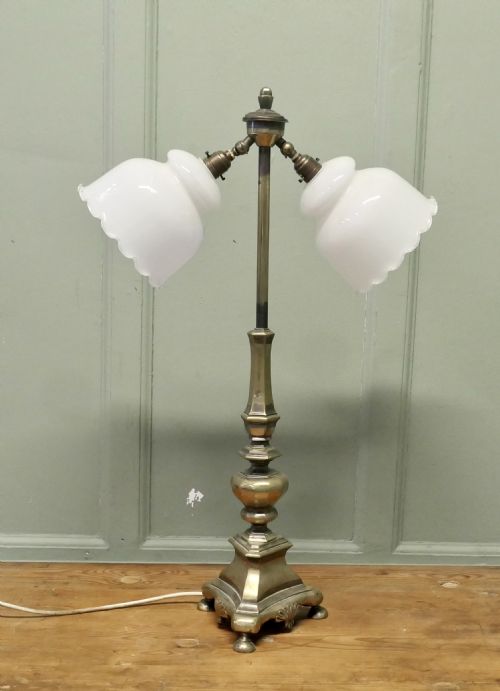
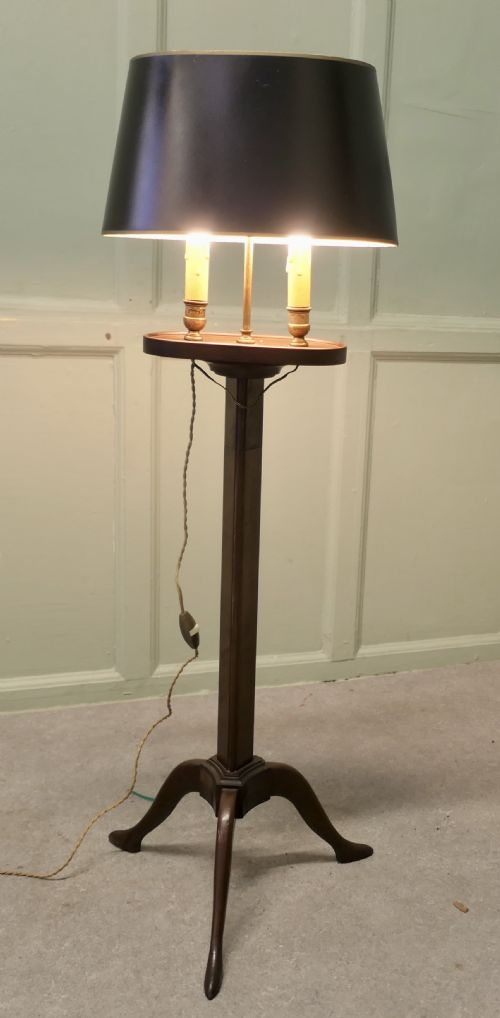
These edwardian brass light shade options bring period character to a room through genuine antique metalwork and varied glass.
Edwardian Brass Light Shade
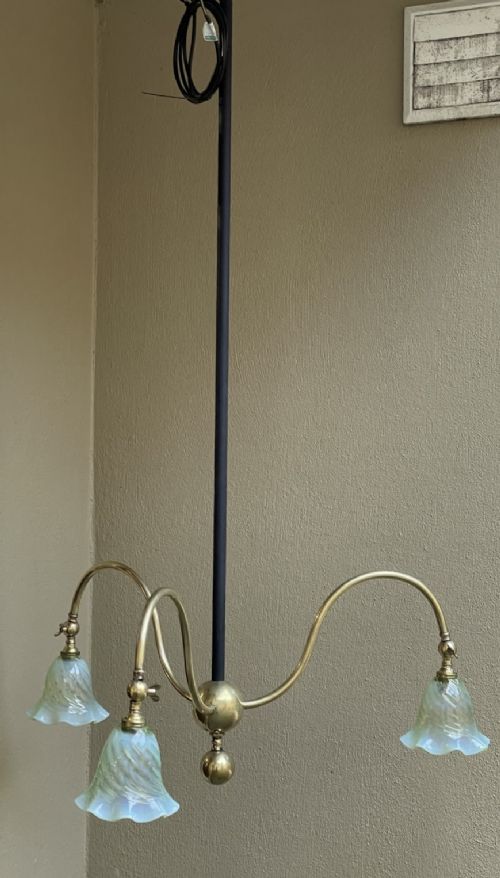
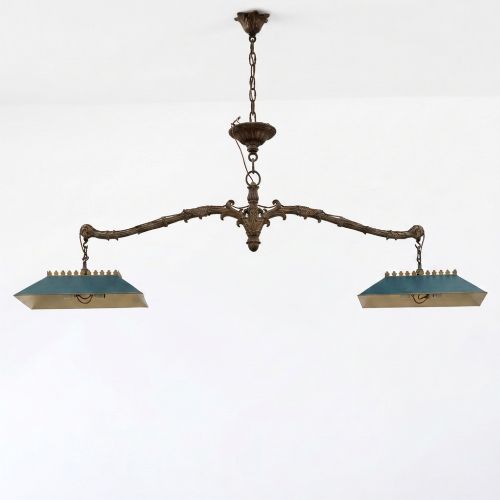
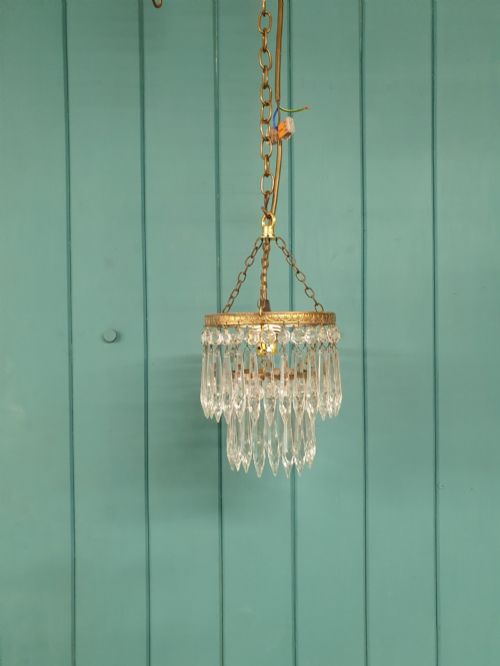
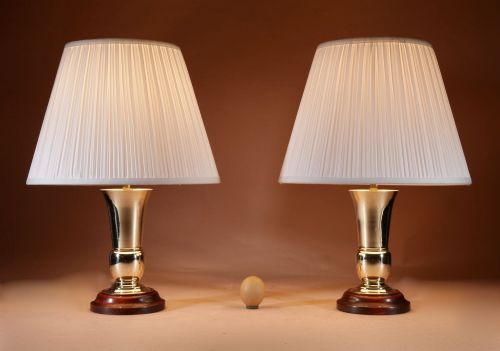
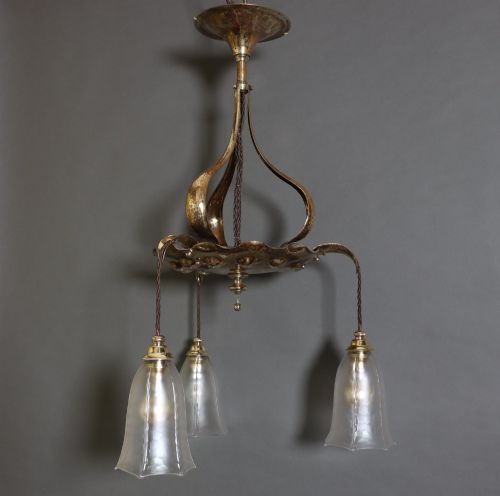
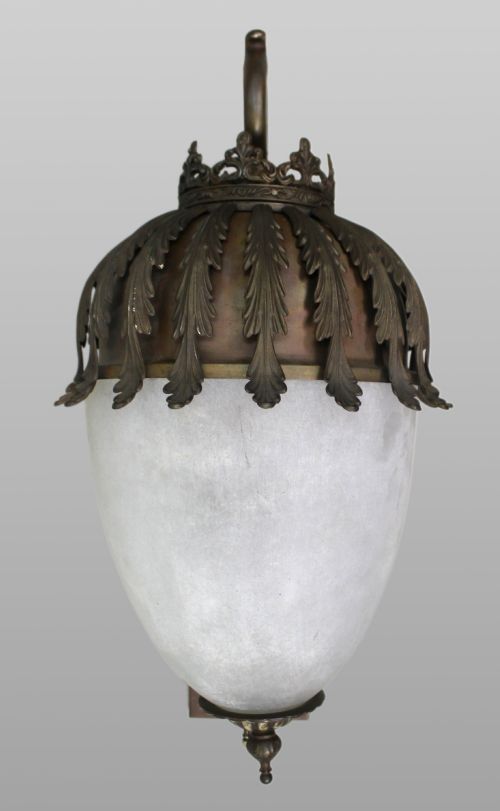
When you search for an edwardian brass light shade, you are looking at domestic and commercial lighting fixtures spanning the late nineteenth century through the early decades of the twentieth century. These items encompass ceiling pendants, chandeliers, wall lights, and table lamps that incorporate brass components alongside glass elements.
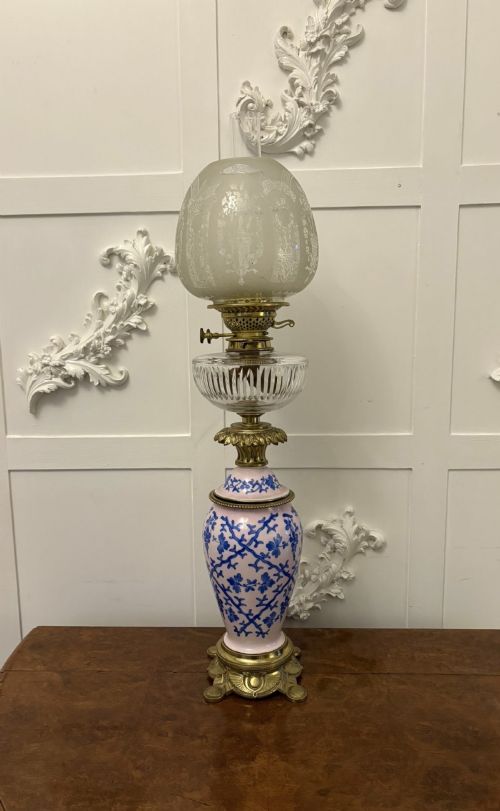
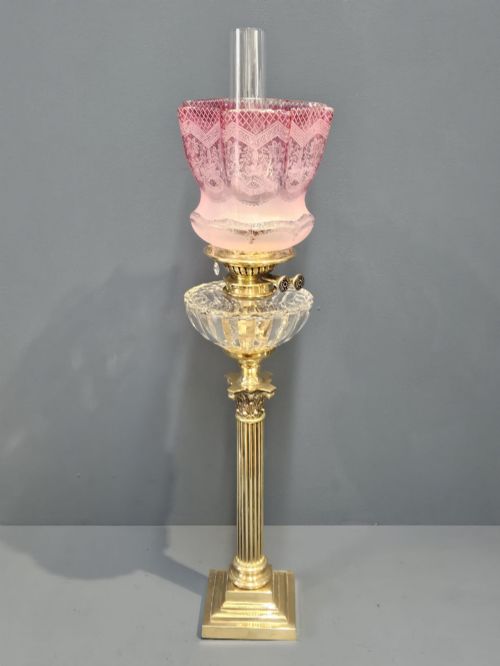
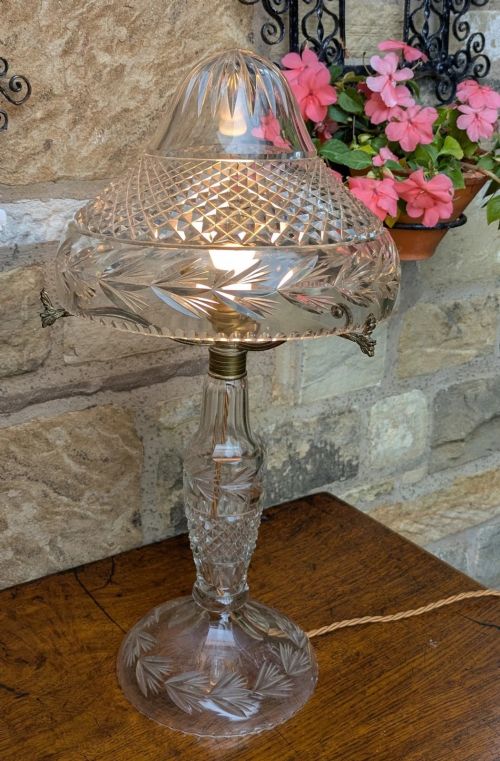
The most common examples on this page date from the Edwardian period and the surrounding decades, frequently pairing cast or spun brass fittings with glass shades in opaline, moonstone, or cut crystal formats. You will also encounter pieces influenced by Victorian, Art Nouveau, and Arts and Crafts design movements.
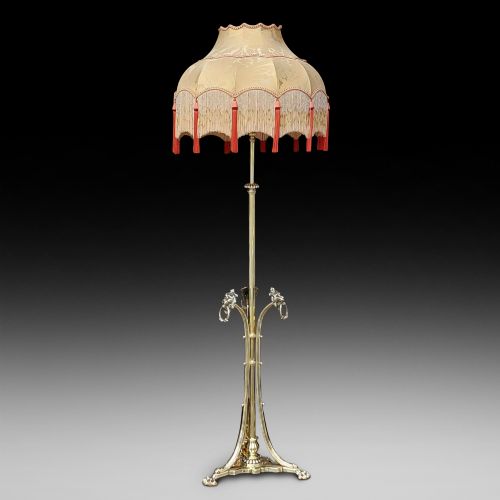
Forms range from simple ceiling pendants with aged galleries to multi-arm chandeliers, adjustable standard lamps, and specialised reading lights. Their origins stretch from domestic English settings to institutional and hotel interiors of the era.
Materials and construction
Makers utilised brass as the primary structural metal, shaping it through casting, spinning, and turning to form galleries, columns, and backplates. This metalwork is frequently paired with glass, using techniques that produced cut crystal, leaded stained glass, opaline, and moonstone components.
Secondary materials such as ceramic, onyx, and fabric appear in specific table lamps and standard lamps, while specialised lighting incorporates bronze and iron. Construction methods rely on threaded connections, riveted galleries, and hand-soldered lead cames for stained glass panels.
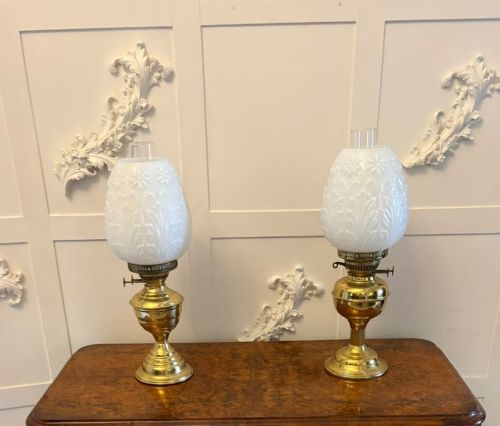
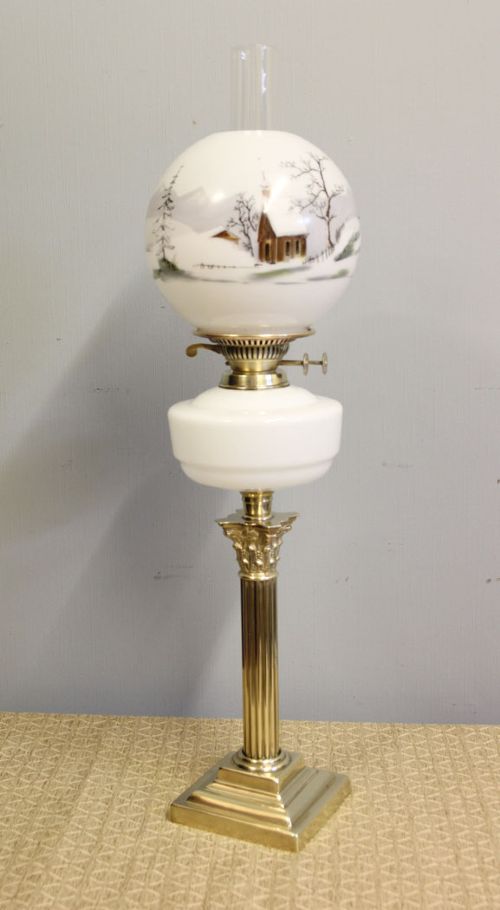
Object forms span oil lamps, chandeliers, and standard floor lamps in various metal finishes.
Distinctions in quality
The distinction between standard production and finer examples rests on the weight of the brass castings, the crispness of chased or turned details like Corinthian capitals, and the integrity of the glass shades. Superior pieces retain matching original components and galleries rather than assembled replacements.
Design ambition also separates the range, with workshop-produced items featuring distinctive Art Nouveau or Arts and Crafts lines sitting above mass-produced utilitarian fittings. Provenance from notable buildings or municipal sites further elevates a piece within its category.
Hinks·Taylor Tunnicliff·F. and C. Osler·Jefferson
The Edwardian Brass Light Shade Glossary
- Gallery
- The metal ring or collar that holds a glass shade in place using thumb screws. It forms the structural connection between the brass fixture and the glass.
- Opaline glass
- A milky, semi-translucent white glass popular for diffuse lighting. It softens the glare from early electric bulbs and oil flames.
- Plafonnier
- A shallow ceiling-mounted dome light that sits close to the plaster. This form directs light downward into the room.
- Moonstone glass
- A mottled, translucent glass type that resembles the optical properties of the gemstone. It provides an even, gentle illumination.
Edwardian Brass Light Shade: Frequently Asked Questions
How do I date a brass light?
Dating relies on stylistic clues, manufacturing techniques, and material combinations typical of periods like the Edwardian era or the late nineteenth century. Cast brass forms and glass shade styles often align with specific design movements such as Art Nouveau or Arts and Crafts.
Examining construction details, screw types, and wiring channels provides further evidence of age. Comparing pieces with documented examples helps narrow down the decade of production.
Were these originally electric or oil?
Many surviving fixtures started as oil or gas lamps before being converted to electricity during the twentieth century. Standard ceiling pendants and wall lights were frequently designed specifically for early electric bulbs.
Checking the internal fittings, burner remnants, or wiring paths reveals whether a piece has undergone conversion. Original oil lamp fonts are often adapted safely for modern electric bulbs by specialist dealers.
How do I clean antique brass?
Antique brass benefits from gentle dusting and occasional cleaning with a soft cloth to preserve its aged patina. Avoid aggressive metal polishes that strip away historical surface darkening and character.
Glass shades can be removed and washed in warm soapy water separately from the metal components. Care should be taken around delicate painted details or leaded joints on stained glass.
Can these lights be rewired?
Most antique lighting requires rewiring to meet current safety standards before installation in a modern home. Professional electricians can replace old cloth or rubber wiring with modern compliant cable while retaining original brass holders where possible.
Ceiling fixtures and wall lights generally use standard fixings that accommodate contemporary electrical boxes. Maintaining original switches and galleries preserves the historical integrity of the piece.