


Antique Opal Glass Lamp
These antique opal glass lamps distribute a soft, milky light that flatters any room they inhabit.
Antique Opal Glass Lamp
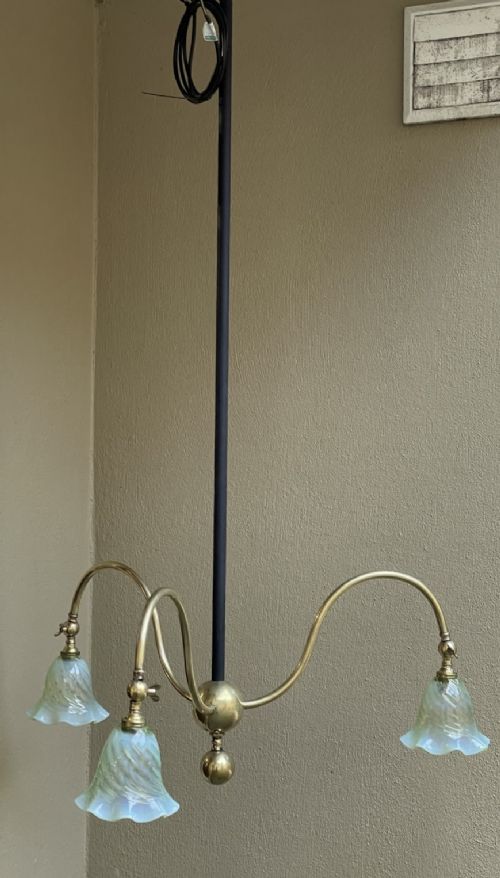
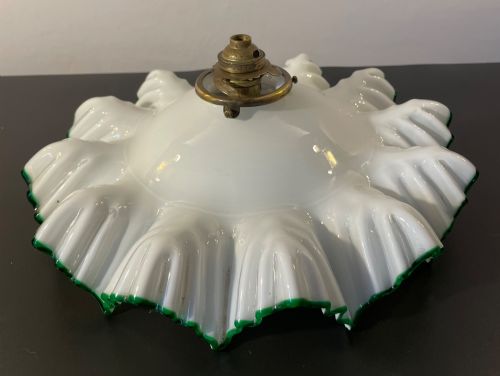
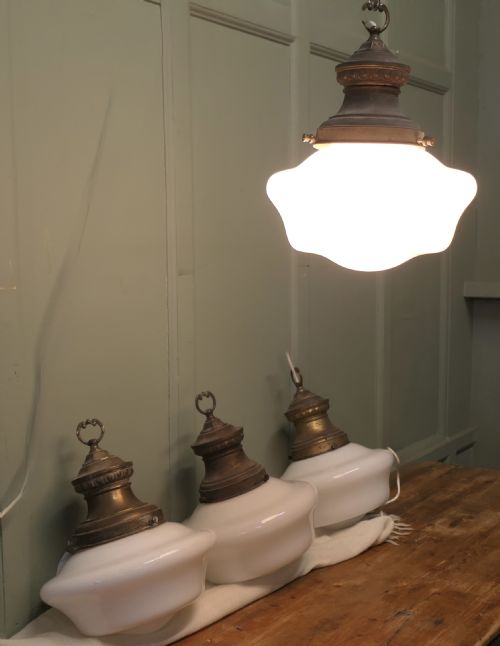
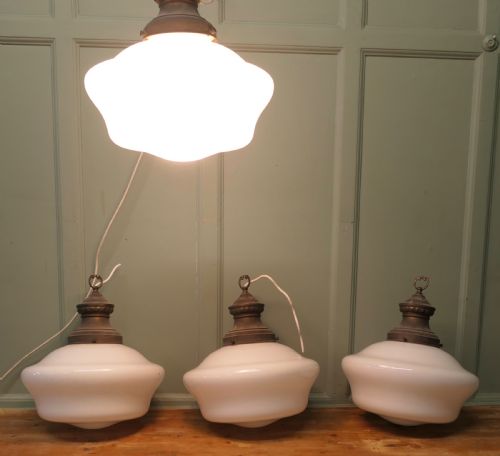
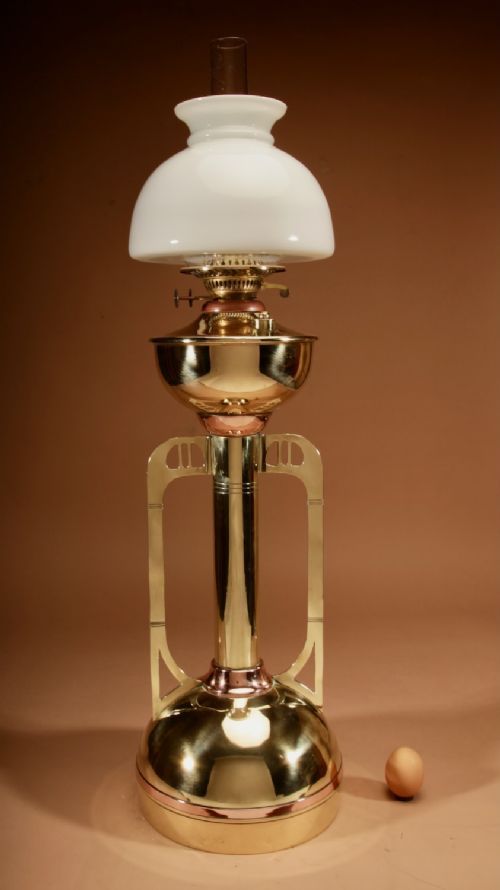
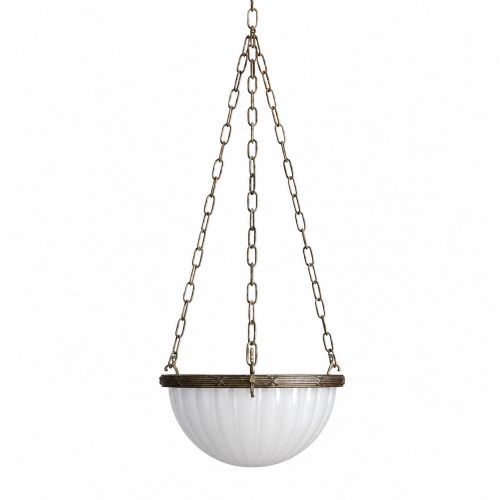
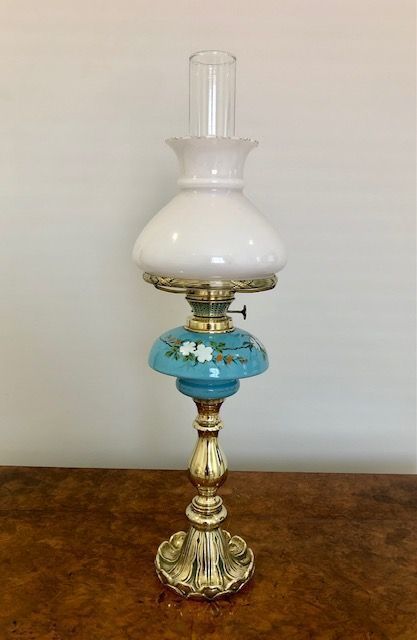
An antique opal glass lamp combines a translucent white body with brass, copper, chrome, or metal mounts to diffuse illumination evenly. When you search for an antique opal glass lamp, you encounter pendant lights, table lamps, ceiling lights, oil lamps, and standalone shades spanning the Victorian, Edwardian, Art Deco, Industrial, and Arts and Crafts periods.
The selection here ranges from nineteenth century oil lamps with white glass shades to nineteen-thirties Art Deco table lamps and industrial pendant lights. Forms vary from simple conical hanging shades and hemispherical bowls to complex multi-light ceiling fixtures and diminutive English shades.
Makers and origins stretch from English town halls and pharmacies to French workshops and Belgian studios. You will find pieces designed for practical work spaces as well as decorative domestic settings.
How they were made
Glassmakers created opal or opaline glass by adding bone ash, arsenic, or tin oxide to the molten batch to achieve its characteristic milky opacity. This glass was then blown into moulds or shaped by hand to form globes, shades, and reservoirs.
Metalworkers combined brass, copper, chrome, and occasional silver plating to house and support the glass elements. Components were cast, spun, or turned, then assembled with threaded collars, galleries, and burners suited for paraffin or early electrical wiring.
Some nineteenth century oil lamps waited patiently on English pharmacy counters before finding a second life under electric bulbs.
What varies in quality
Quality rests in the weight and purity of the glass, where superior pieces display a dense, even milkiness without heavy streaks or thin spots. The handling of the metal mounts also dictates standard, with cleanly cast brass and substantial copper or chrome outperforming lighter plated alternatives.
Design integrity separates standard production items from exceptional workshop pieces, particularly in how harmoniously the glass shade fits its collar or gallery. Well-preserved original mounts and matching components elevate a piece above assembled or heavily altered examples.
Gustave Serrurier Bovy·Jefferson Light
The Antique Opal Glass Lamp Glossary
- Opaline glass
- A translucent, milky-white glass popular in nineteenth and early twentieth century lighting. It diffuses light gently without harsh glare.
- Gallery
- The metal ring or collar that grips the top rim of a glass lampshade. It holds the shade securely to the lamp body or pendant fitting.
- Secessionist
- A stylistic movement of the early twentieth century focusing on clean lines and geometric forms. It often breaks away from traditional historic revival styles.
- Pendant light
- A hanging luminaire suspended from the ceiling by a cord, chain, or metal rod. These direct light downwards over tables or open spaces.
Antique Opal Glass Lamp: Frequently Asked Questions
How do I clean an antique opal glass shade?
Wash the glass gently in lukewarm soapy water using a soft cloth, avoiding abrasive pads that might scratch the surface. Dry thoroughly before reassembling.
Take care with metal components around the glass, keeping moisture away from antique brass, copper, or wiring.
Are these lamps converted for modern electricity?
Many surviving pieces arrive with modern electrical wiring or fit standard lamp holders for contemporary use. Some retain original burners or require professional rewiring to meet safety standards.
Check the listing details to confirm whether a piece is currently set up for electric lighting or remains in its original oil-burning state.
How do I date an opal glass lamp?
Examine the style of the metal mounts, screw threads, and glass manufacturing marks to determine the period. Victorian and Edwardian examples often feature heavy brass oil fittings, while nineteen-thirties pieces favour chrome and Art Deco geometry.
Compare the silhouette and mounting hardware against documented designs from the nineteenth century through the mid-twentieth century.
What is the difference between opal glass and opaline glass?
Both terms describe translucent milky glass, though opaline often implies a French origin and a slightly finer decorative finish. Both achieve their hazy appearance through the addition of specific minerals during the glassmaking process.
In practical lighting terms, both materials serve the same function of softening and diffusing bulb light evenly.