
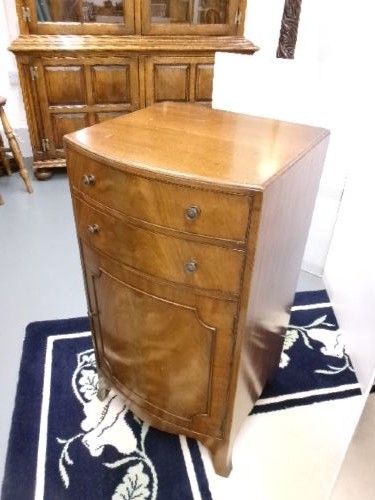
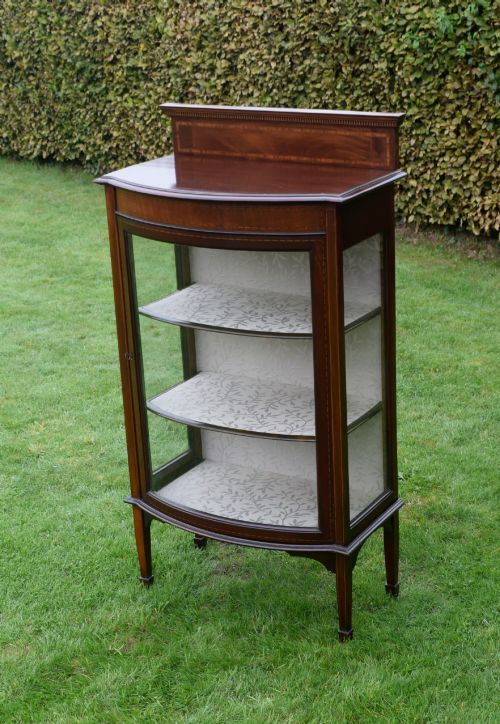
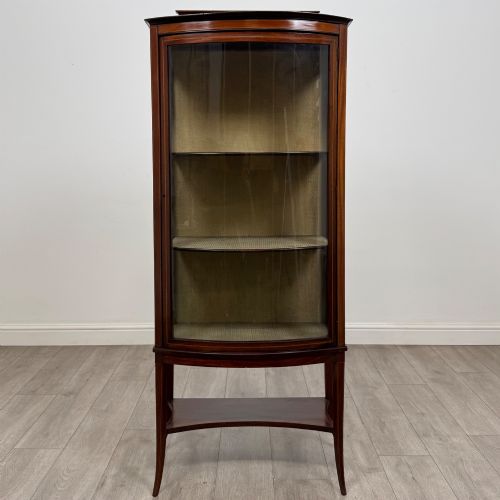
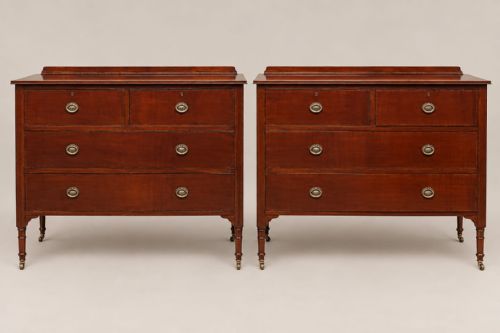
Edwardian Bow Front Cabinet
An edwardian bow front cabinet brings sweeping curves and refined timber grain to a room, offering practical storage disguised in graceful lines.
Edwardian Bow Front Cabinet
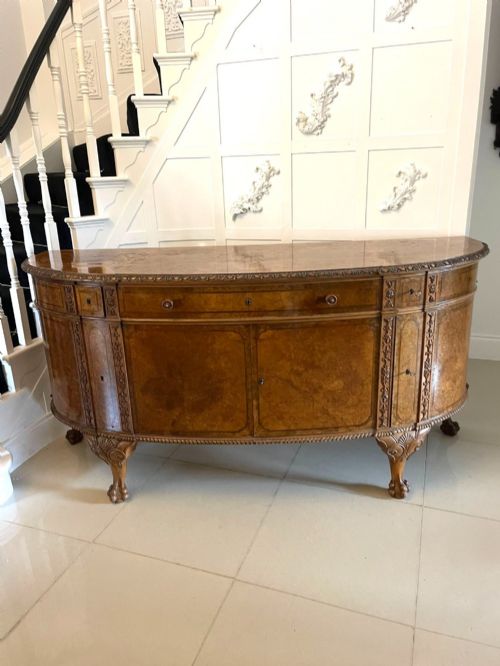
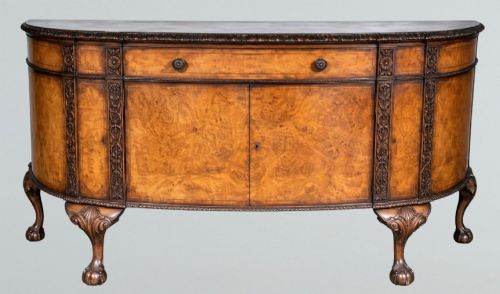
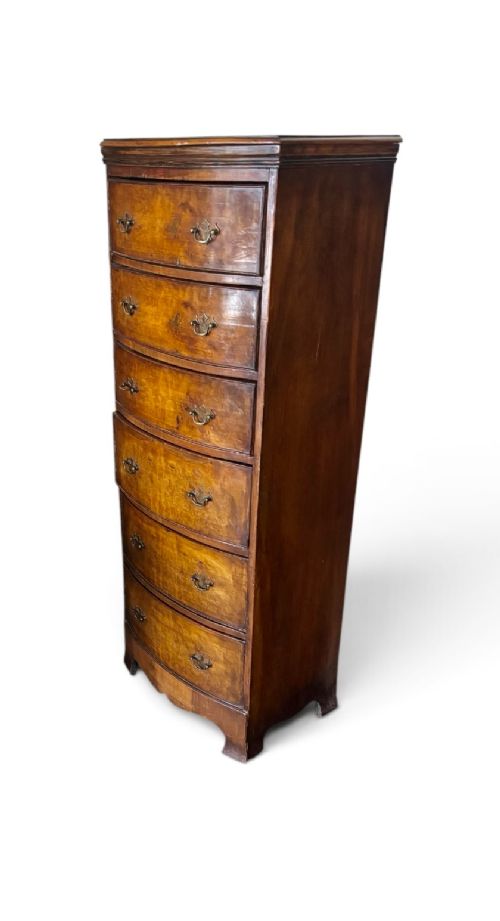
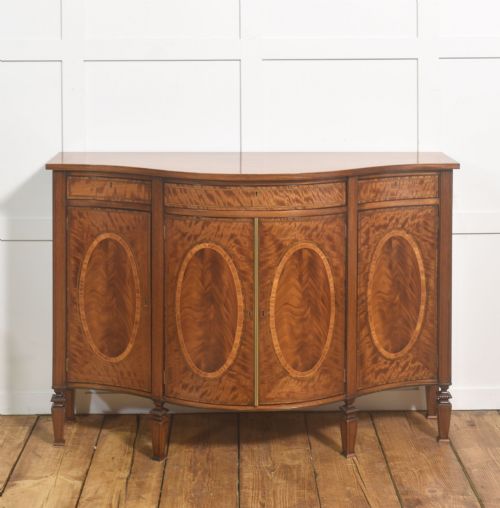
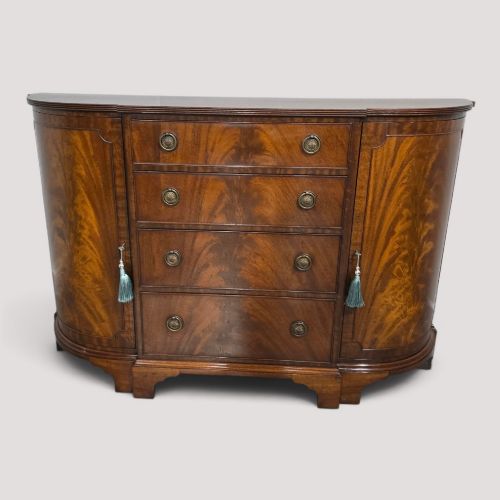
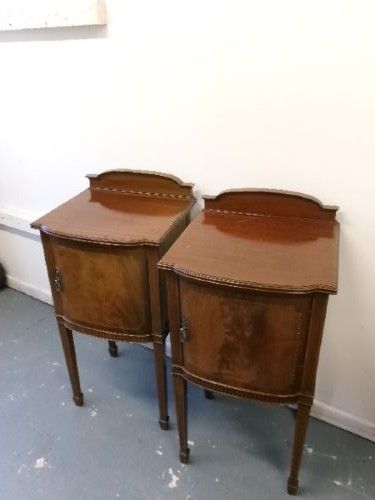
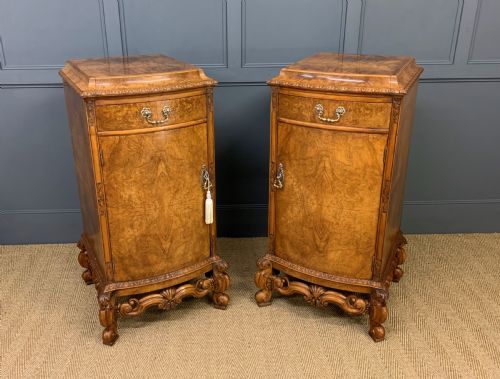
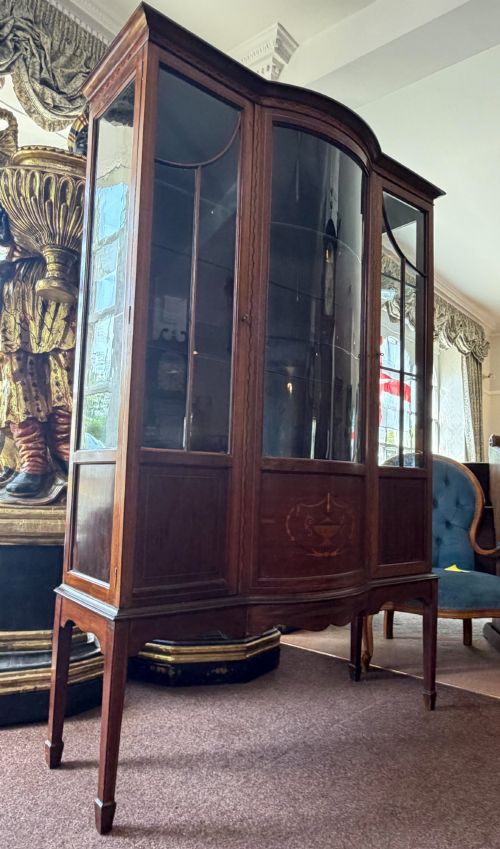
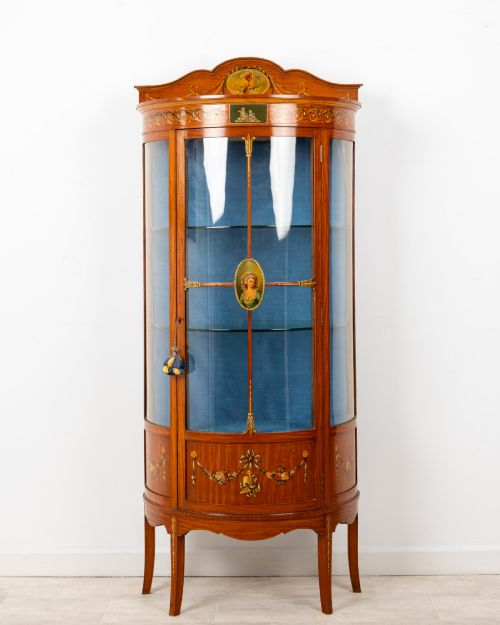
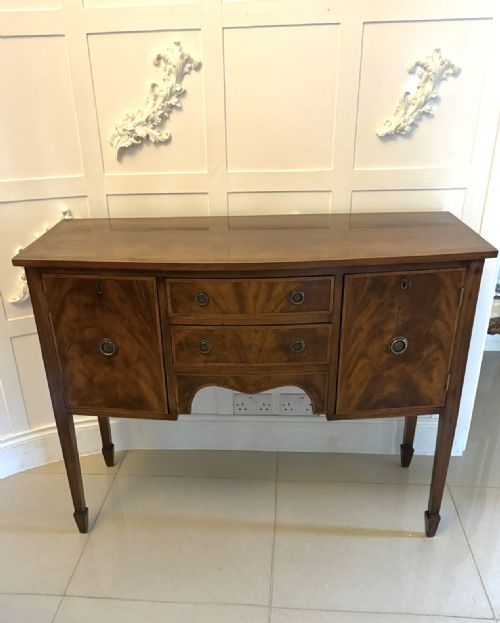
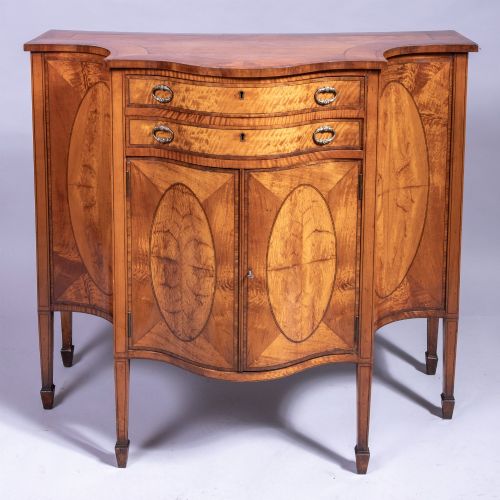
When searching for an edwardian bow front cabinet, collectors encounter a refined variety of storage furniture dominated by display cases, sideboards, and compact bedside units. The period pieces date predominantly from around nineteen hundred to the nineteen tens, showcasing the curved projecting fronts that define the style.
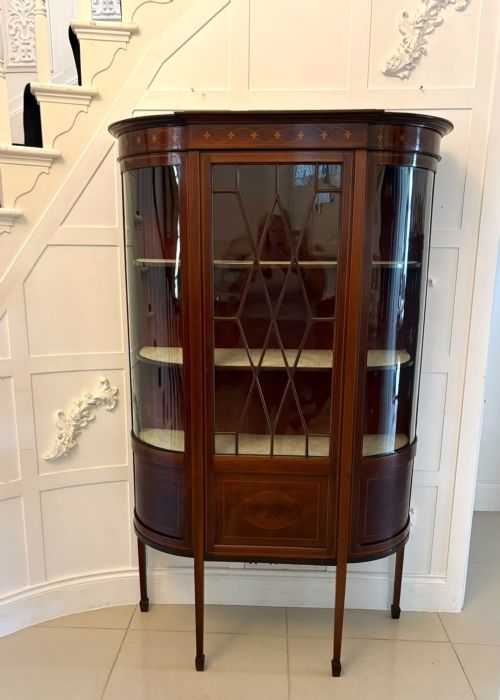
The assortment on this page ranges from tall china display cabinets and music cabinets to low sideboards and corner cupboards. Mahogany forms the backbone of these creations, frequently paired with lighter decorative timbers to accentuate the signature bowed shape.
How They Were Made
Cabinetmakers relied heavily upon solid mahogany and figured walnut, using veneers to display rich grain patterns across the curved doors and drawer fronts. Satinwood and boxwood provided contrasting stringing and intricate marquetry details, while brass hardware completed the construction.
Curving the timber required skilled steaming and bending techniques to maintain structural integrity along the convex facade. Glazed panels in display variants were carefully fitted into slender wooden frames to showcase china and glassware.
Edwardian Bow Front Cabinet Retail Price Guide 2026
Typical asking prices for edwardian bow front cabinet among the pieces listed under this phrase on Sellingantiques today, from the lower quarter to the upper quarter. They describe what is for sale here now, not the wider market.
Object forms span display cabinets, sideboards, bedside cupboards, music cabinets, and corner units.
What Varies in Quality
Grading among these cabinets depends upon the intricacy of the timber selection and the precision of the marquetry inlay. Pieces featuring figured burr walnut or hand-painted satinwood panels sit at a higher tier than plain mahogany versions.
Construction subtleties such as dovetailed drawer joints, original brass fittings, and undamaged bowed glass panes elevate a piece. The crispness of the inlaid stringing and the symmetry of the curved doors distinguish workshop standards.
Maple & Co.
The Edwardian Bow Front Cabinet Glossary
- Bow front
- A convex, outwardly curving front profile characteristic of select cabinets and sideboards. This curved design softens room angles and creates depth.
- Stringing
- Thin lines of contrasting timber inlaid into the surface of a cabinet for decorative effect. It often outlines the drawers or perimeter of doors.
- Marquetry
- Elaborate patterns formed by fitting together decorative wood veneers on a furniture surface. Craftsmen utilise various coloured timbers to build floral or geometric motifs.
- Tallboy
- A tall storage unit combining a chest of drawers or cupboard stacked vertically. These pieces maximise vertical storage space while retaining a modest footprint.
- Vitrine
- A glass-fronted display cabinet designed specifically for showing porcelain and decorative objects. The glazed doors and sides allow light to enter from multiple angles.
Edwardian Bow Front Cabinet: Frequently Asked Questions
What is an edwardian bow front cabinet?
These pieces are storage items characterised by their gracefully curved outward fronts, built predominantly during the early twentieth century. They encompass everything from small bedside cupboards to large china display cases.
Craftsmen utilised rich timbers like mahogany and walnut, frequently adorning them with delicate inlay work. Their curved silhouettes provide both functional storage and decorative presence.
How were these cabinets originally used?
Owners utilised them to store china, glassware, sheet music, or personal belongings depending on the specific form. Display variations kept valuable porcelain visible yet protected behind glass doors.
Sideboard and cupboard variants kept dining room or bedroom essentials neatly concealed behind panelled doors. Music cabinets housed collections of scores within dedicated shallow drawers.
How do I style a bow front cabinet at home?
Position the piece where the curved front can catch natural light without obstructing room walkways. Placing one in a dining area or hallway allows the timber grain and inlay to stand out.
Keep items displayed inside curated rather than overcrowded to respect the period aesthetic. Pairing them with complementary mahogany or walnut furniture helps anchor the room's design.
How can I tell an Edwardian piece from a Victorian one?
Edwardian examples tend to display lighter framing, brighter satinwood inlays, and a distinct Sheraton Revival influence. Victorian predecessors often feature heavier proportions and darker finishes.
Reviewing the interior construction, secondary timbers, and hardware style helps clarify the manufacturing era. The presence of delicate painted panels or refined stringing typically points towards the Edwardian period.