

Edwardian Bedside Cupboard
An Edwardian bedside cupboard provides practical beside storage while introducing period character through traditional cabinet-making materials.
Edwardian Bedside Cupboard
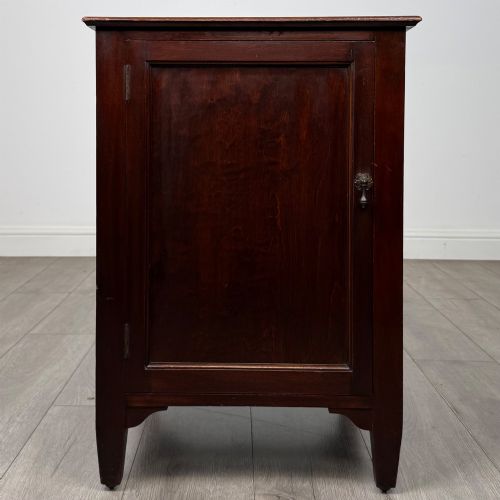
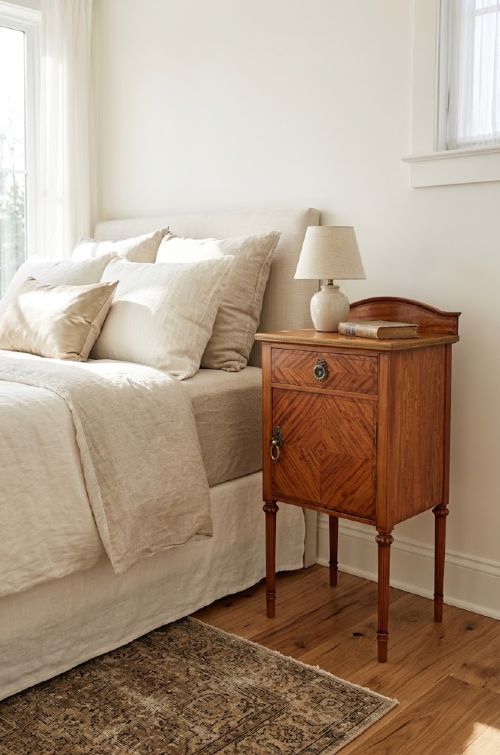
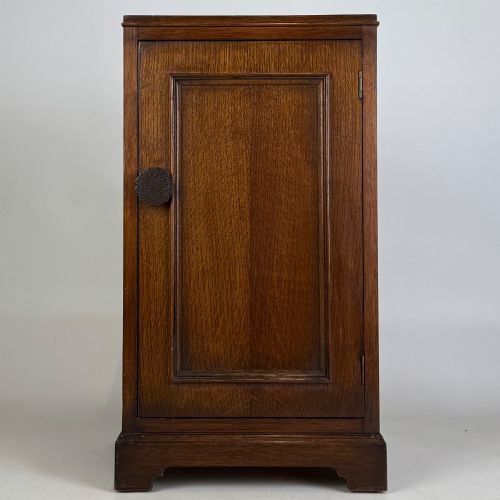
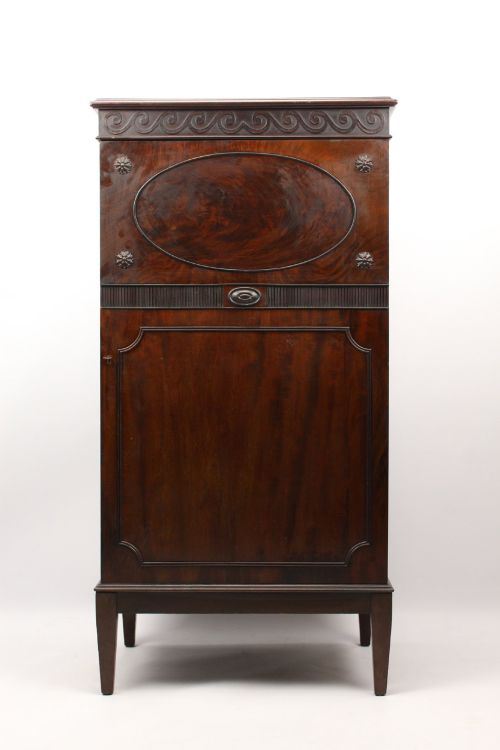
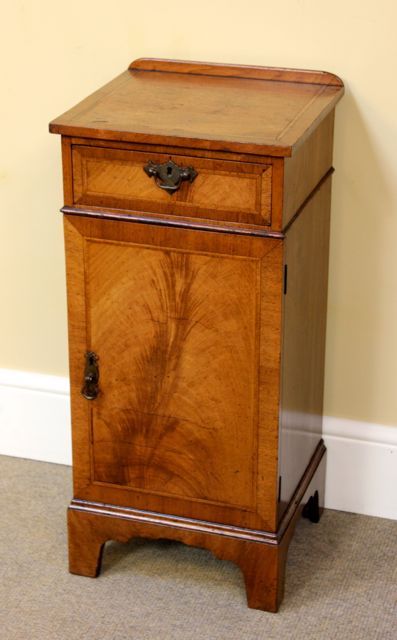
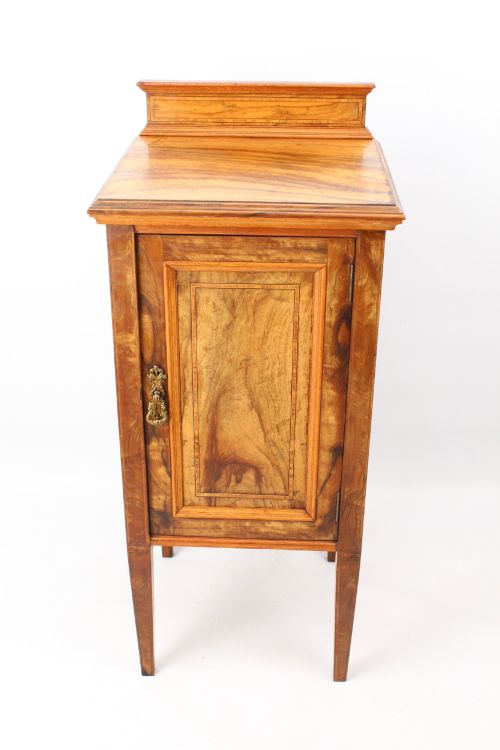
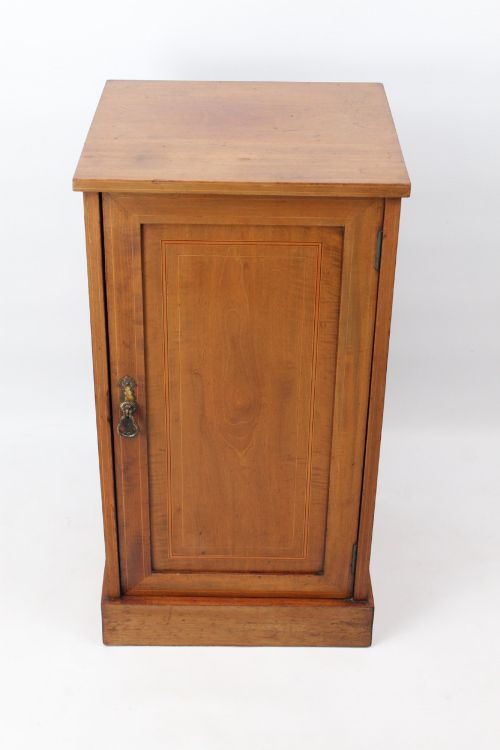
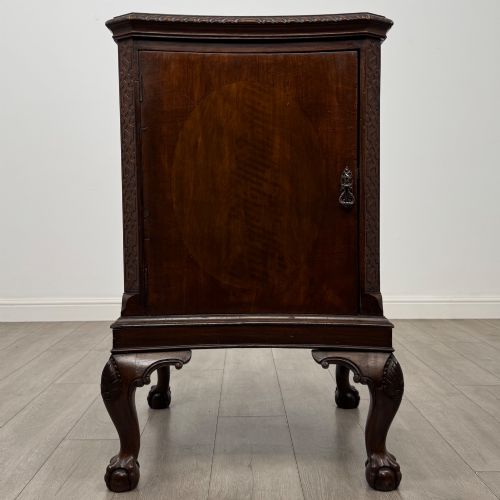
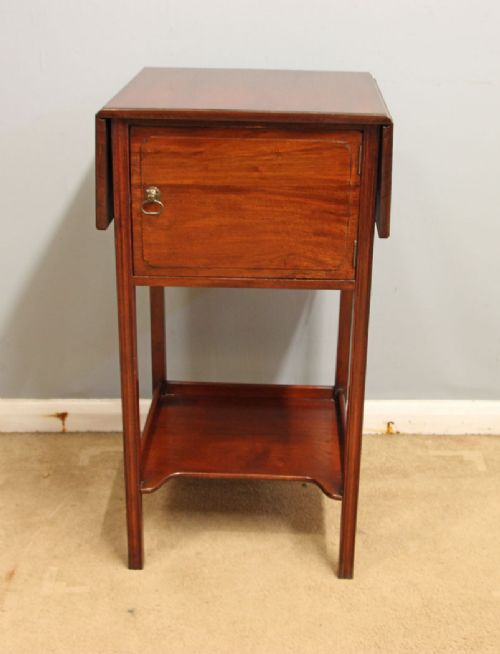
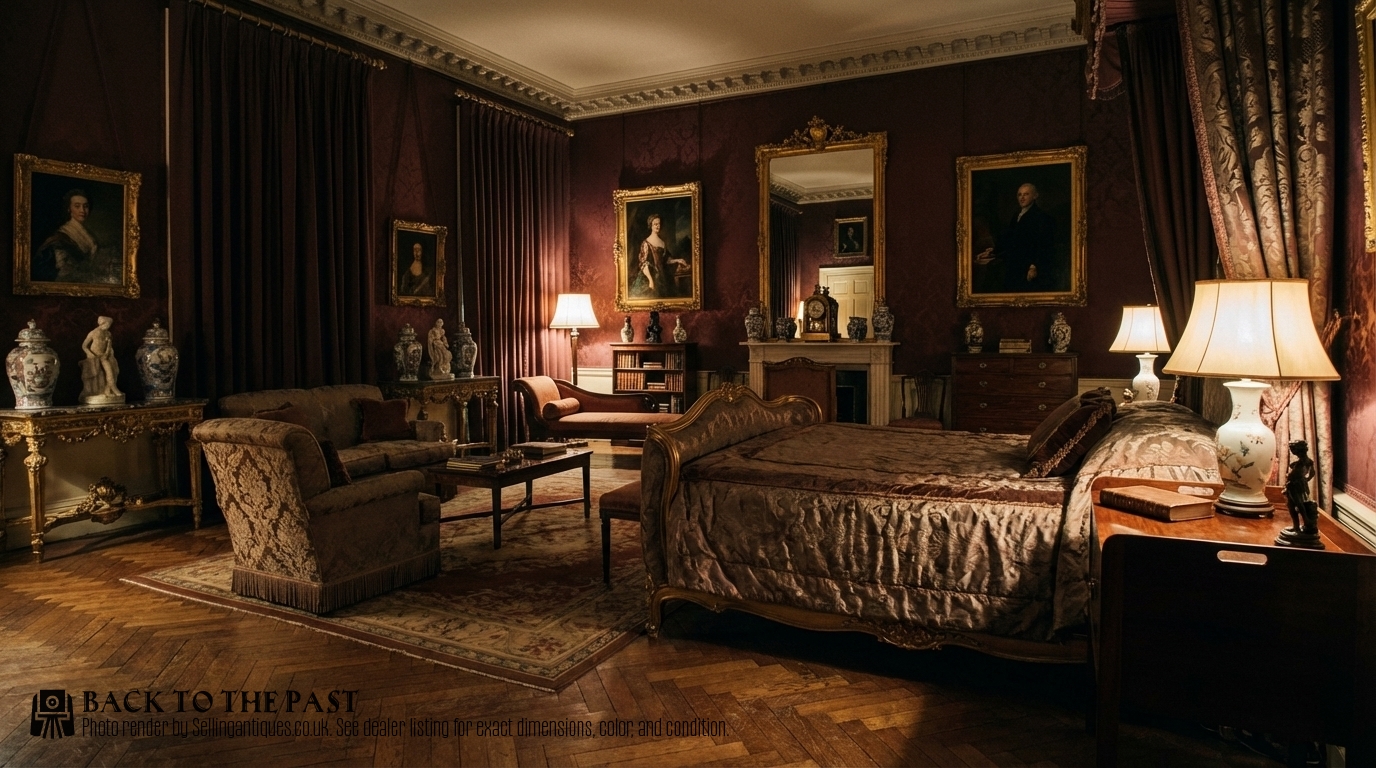
An edwardian bedside cupboard is a compact piece of bedroom furniture designed to house nighttime essentials behind a single door or within small drawers. The form appears frequently in mahogany, walnut, and satinwood, often featuring the lighter aesthetic preferred during the Edwardian period.
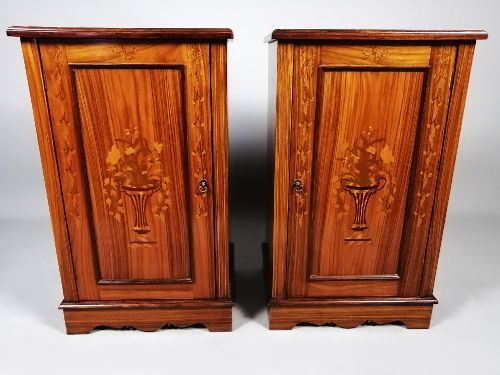
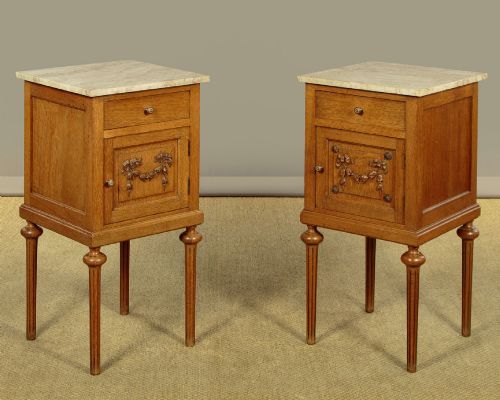
Makers of the era also produced versions in oak, sometimes incorporating Arts and Crafts design principles or heavier revival styles influenced by earlier Victorian preferences. Buyers encounter both single cabinets and matched pairs, with the latter forming a symmetrical arrangement beside a bed.
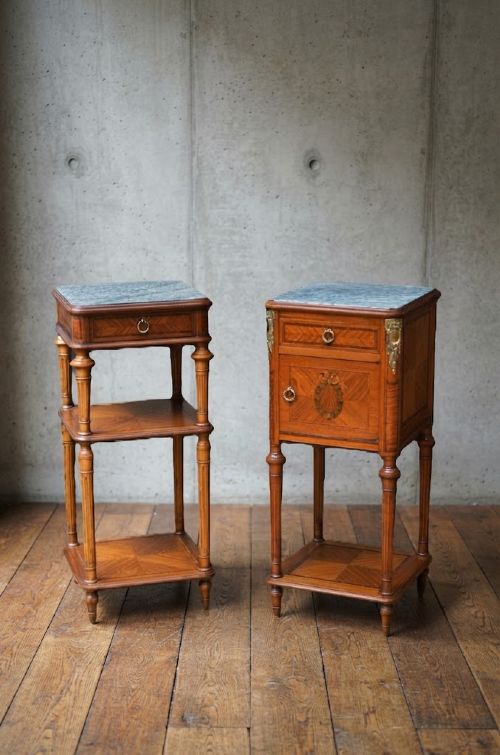
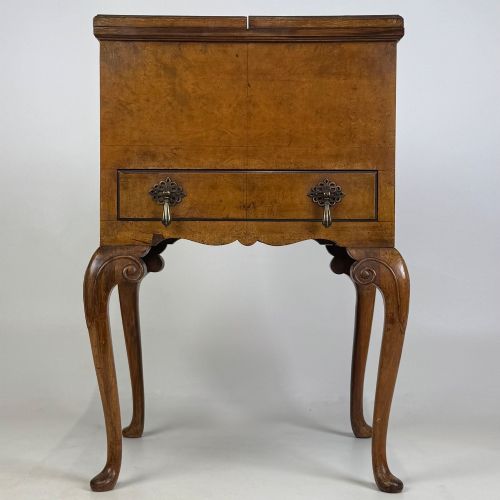
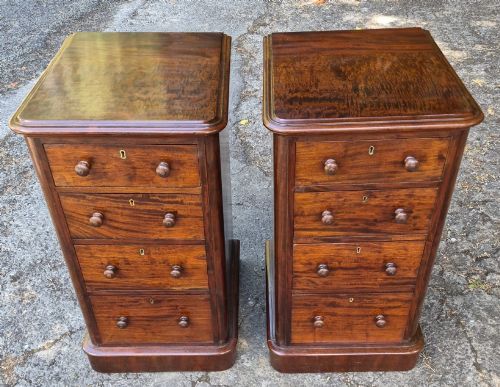
Beyond standard cupboards, surviving examples include open-shelf models, tray tops, and small chests of drawers that fulfil the same bedside function. These variations stem from diverse domestic requirements within bedrooms at the turn of the twentieth century.
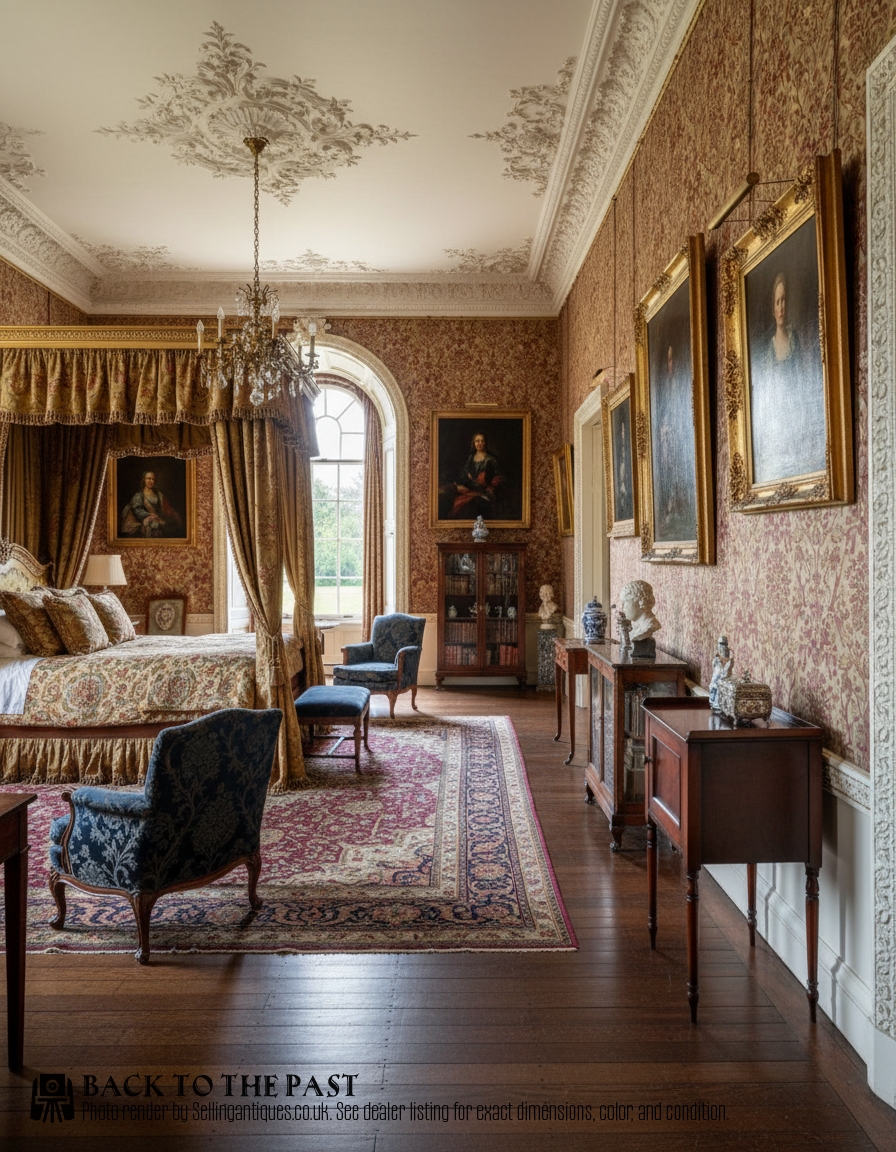
Materials and Construction Methods
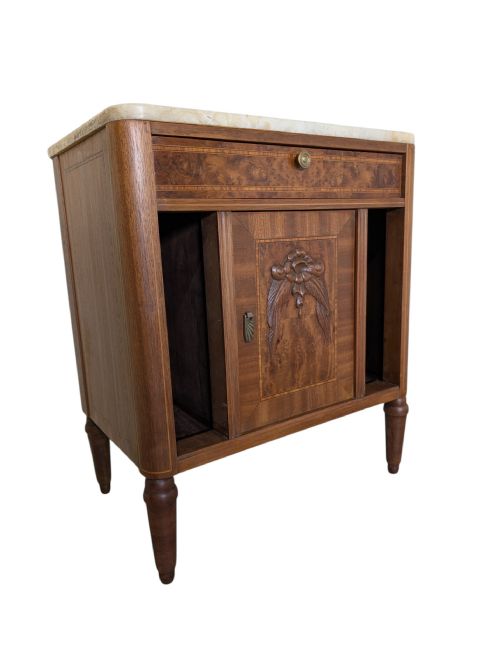
Cabinet makers relied heavily on timbers such as mahogany and walnut, frequently applying contrasting satinwood banding or delicate marquetry inlay to enhance the primary wood surfaces. Some pieces incorporate burr walnut veneers to create rich grain patterns across the front door panels.
Marble inserts appear on specific table surfaces to provide a durable, wipe-clean top resistant to water jugs and basins used before plumbed bedrooms became standard. Structural joins typically utilise traditional cabinet-making techniques, ensuring stability across pedestals and pot cupboards.
Edwardian Bedside Cupboard Retail Price Guide 2026
Typical asking prices for edwardian bedside cupboard among the pieces listed under this phrase on Sellingantiques today, from the lower quarter to the upper quarter. They describe what is for sale here now, not the wider market.
Design styles span Edwardian, Sheraton Revival, Arts and Crafts, and Georgian proportions.
Assessing Craftsmanship and Material Selection
Quality in an edwardian bedside cupboard rests on the selection of timber veneers, the precision of inlaid stringing, and the integrity of the structural joinery. Superior examples display carefully matched wood grains and balanced proportions across the carcase.
Workshop origin significantly influences distinction, with pieces bearing stamps or labels from prominent cabinet makers commanding greater interest. The crispness of carved details, where present, and the original condition of brass hardware further separate standard production items from finer workshop output.
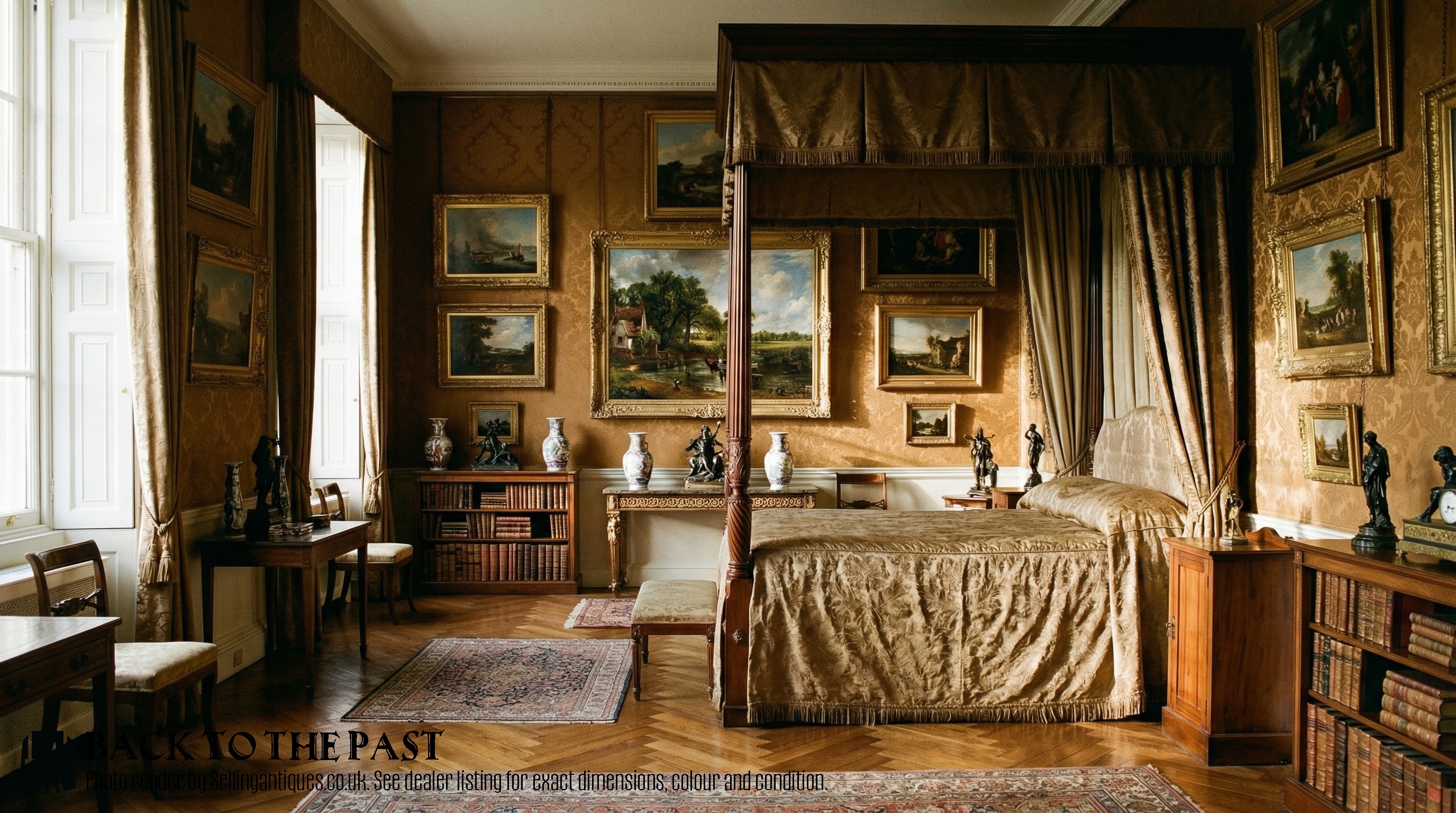
Denby and Spinks·Morant and Company·Warings Liverpool·Heals·Howard and Sons
The Edwardian Bedside Cupboard Glossary
- Pot cupboard
- A small bedside cabinet originally constructed to house a chamber pot behind its door. Modern owners repurpose these enclosed spaces for general bedside storage.
- Marquetry
- Decorative veneer work arranged in pictorial or geometric patterns using various coloured woods. Craftsmen cut these thin elements precisely to fit flush into the carcase surface.
- Tray top
- A raised rim surrounding the upper surface of a small table or cabinet. This feature prevents items from rolling off the edge.
- Satinwood
- A lustrous, fine-grained yellow timber utilised for banding, stringing, or entire cabinet facades. It offers a bright contrast against darker woods like mahogany.
- Serpentine
- A gently curved furniture front featuring a convex centre flanked by concave curves. This contour requires skilled shaping of the solid timber or veneer.
Edwardian Bedside Cupboard: Frequently Asked Questions
What is a pot cupboard?
A pot cupboard is a compact enclosed cabinet originally designed to conceal a chamber pot beneath the bedroom level.
Today, the interior shelf makes these pieces practical for storing books or modern accessories beside a bed.
Did Edwardians use marble tops?
Marble-topped bedside cabinets were utilised to provide a durable, waterproof surface for washing jugs and glassware.
This practical addition protects the underlying timber from water damage during daily use.
How do I distinguish Edwardian from Victorian styles?
Edwardian furniture generally favours lighter satinwood, simpler lines, and brighter inlays compared to heavier Victorian walnut and dark mahogany.
Cabinet makers working around nineteen hundred often drew inspiration from earlier Georgian designs while retaining a refined Edwardian scale.