


Edwardian Bedside Cabinets Pair
When furnishing a bedroom with symmetry in mind, an edwardian bedside cabinets pair offers matched storage beside the bed.
Edwardian Bedside Cabinets Pair
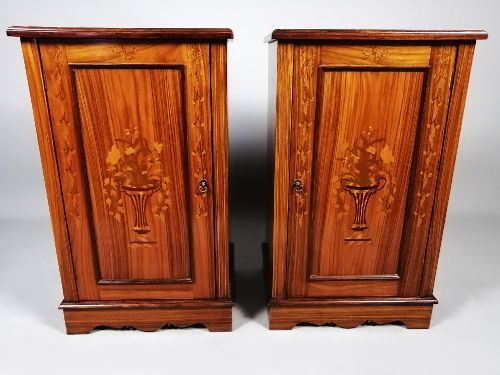
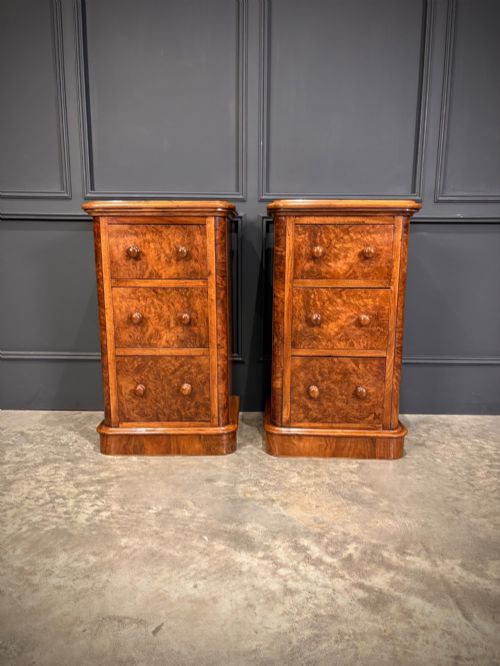
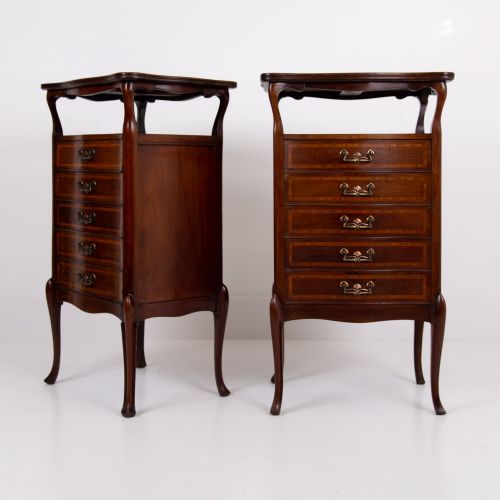
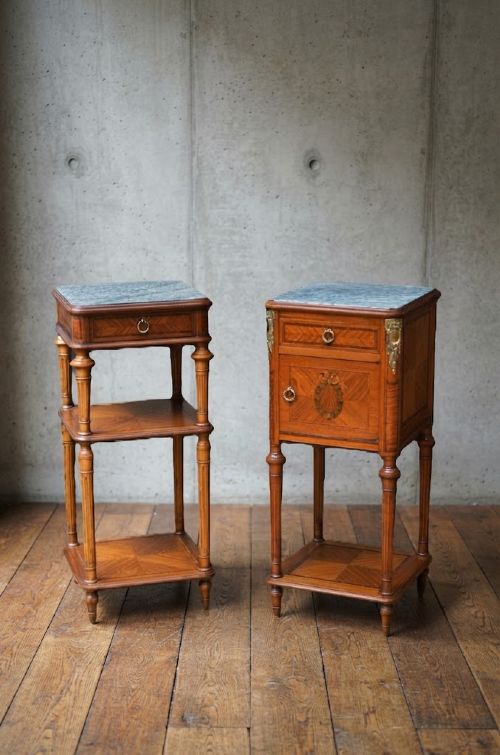
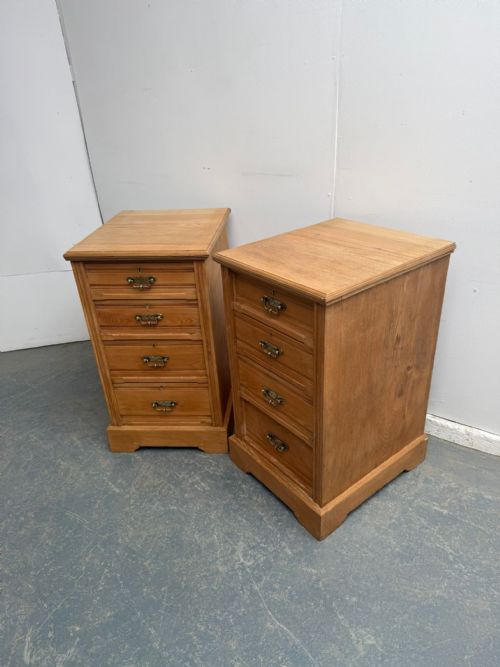
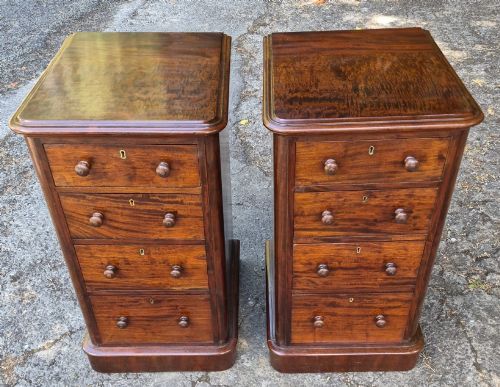
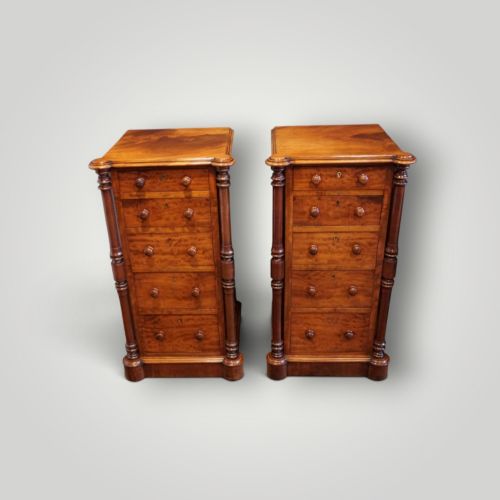
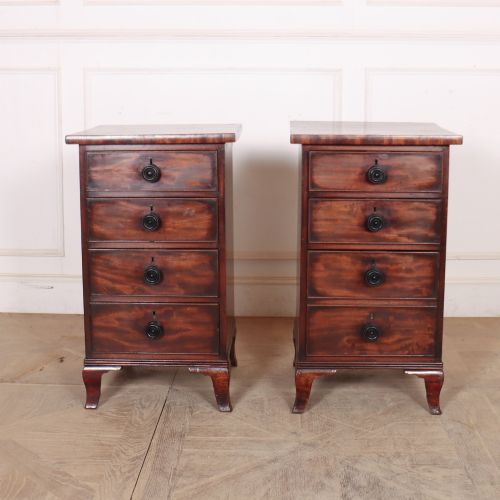
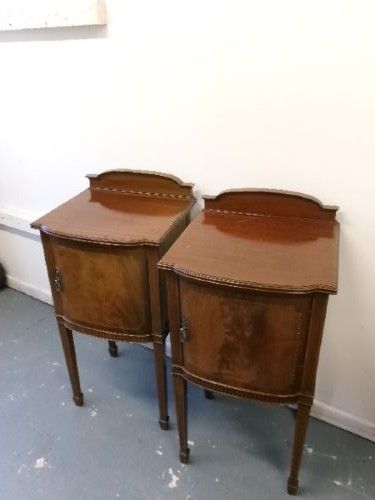
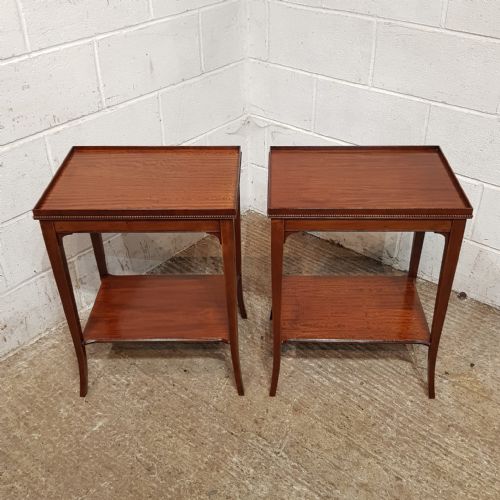
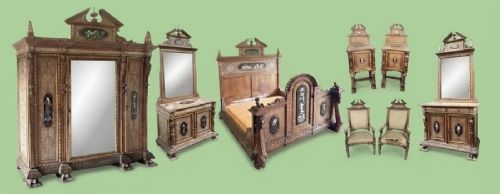
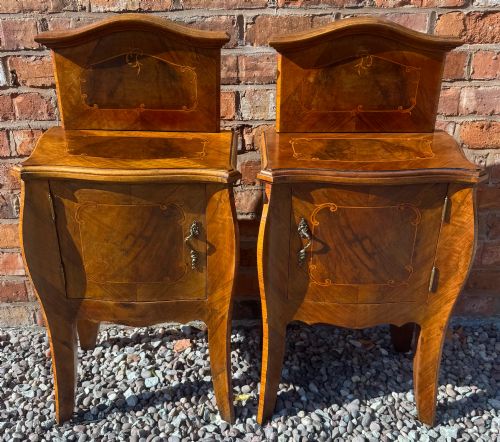
An edwardian bedside cabinets pair consists of two matching small cupboards or tables designed to sit on either side of a bed. These pieces date principally from the late nineteenth and early twentieth centuries, reflecting the period's preference for matched bedroom suites.
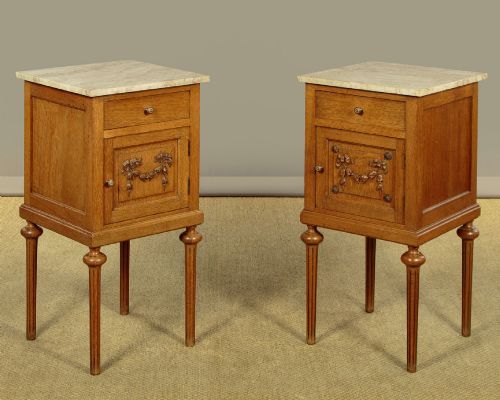
The form varies from single-door pedestal cupboards and small chests of drawers to open bedside tables. Many examples incorporate enclosed storage with a drawer above a cupboard door to keep nighttime items neatly out of sight.
Makers of the era drew heavily on earlier design movements, producing pieces in Sheraton Revival, Art Nouveau, and Arts and Crafts styles. Mahogany remains the most common timber encountered, frequently enhanced with contrasting stringing and marquetry.
Construction and Materials
Cabinet makers utilised solid timbers and decorative veneers over secondary woods, applying mahogany, walnut, burr walnut, and satinwood for visual impact. Marquetry inlay, boxwood stringing, and brass handles provide ornamental detail across many surviving pairs.
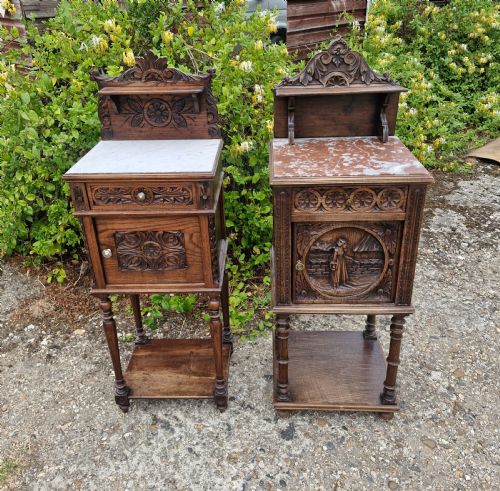
Some variations feature fitted marble tops designed to offer a durable, wipe-clean surface for water jugs and washing accessories. Waxed and polished finishes protect the timber while highlighting the natural grain patterns of ash, oak, and rosewood.
Some Edwardian bedside pairs secretly double as shoe cabinets, proving that even polite Victorians needed a place to hide their boots.
Assessing Quality
Quality rests upon the selection of timber veneers and the precision of the cabinet work, particularly around inlaid details and mitred joints. Matched grain patterns across both pieces indicate greater care during the initial workshop assembly.
The choice of secondary materials, such as heavy marble slabs or quality brass hardware, separates standard utility items from finer commission pieces produced by notable retailers and makers.
Warings Liverpool·Waring & Gillows·Liberty & Co
The Edwardian Bedside Cabinets Pair Glossary
- Marquetry
- Decorative patterns formed by inserting thin pieces of wood, veneer, or shell into a wooden surface. This technique allows for elaborate floral or geometric designs across cabinet doors.
- Stringing
- Thin lines of contrasting wood inlay used to outline drawer fronts and panels. It defines the geometric edges characteristic of Sheraton Revival furniture.
- Pedestal Cupboard
- A tall, narrow cabinet enclosing a single cupboard space, often raised on plinths or legs. This form maximises bedside storage without occupying excessive floor space.
- Burr Walnut
- Timber taken from a growth deformity on a walnut tree, yielding highly figured and swirling grain patterns. It was favoured for high-status Edwardian cabinet doors and drawer fronts.
- Serpentine
- A gently undulating curved line found along the front edges of tabletops and commodes. It adds softness and movement to formal Edwardian case furniture.
Edwardian Bedside Cabinets Pair: Frequently Asked Questions
Are these cabinets tall enough for modern beds?
Most Edwardian bedside cabinets were manufactured when bed heights differed from contemporary standards, generally sitting lower than modern mattresses.
Buyers often check specific height dimensions against their own bed frame before purchasing a matching pair.
What is the difference between a cabinet and a commode?
In this period, bedside cabinets typically feature a cupboard door enclosing shelves or a simple interior space for storage. Commodes often incorporate decorative serpentine drawer fronts or historical functionality behind panelled doors.
Both serve similar bedside roles in modern bedrooms depending on storage preferences.
Did Edwardian bedside cabinets always come in pairs?
Many bedroom suites of the era were supplied with matching pairs of bedside furniture to maintain symmetry in larger chambers. Surviving matched pairs are particularly sought after for balancing twin or double beds.
Single cabinets do appear individually, but pairs remain the preference for symmetrical room layouts.
How do I care for marble-topped bedside tables?
Marble surfaces benefit from regular wiping with a damp cloth and mild, non-acidic soap to prevent staining from water or cosmetics. Avoiding harsh chemical cleaners preserves the polished finish of the stone.
Waxing the wooden bases separately maintains the condition of the surrounding mahogany or satinwood.