


Edwardian Barware
Edwardian barware brings together decanters, flasks, and coolers designed to serve drinks with period elegance.
Edwardian Barware
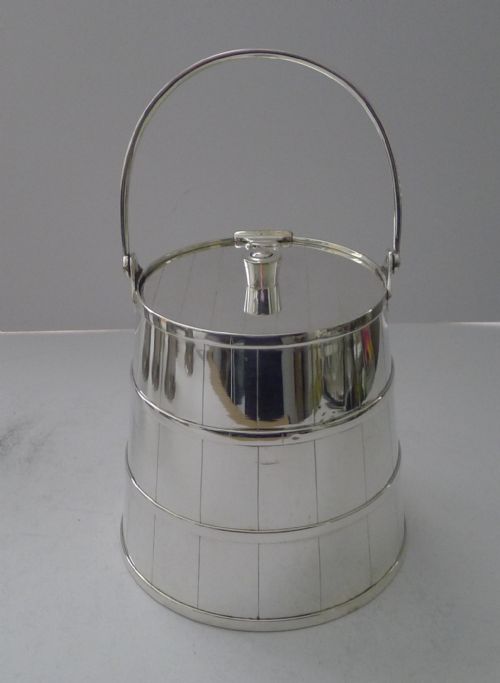
When searching for edwardian barware, collectors encounter functional items created for holding, pouring, and chilling spirits and wine. The selection spans decanters, hip flasks, wine coolers, and ice buckets originating from various late nineteenth and early twentieth century periods.
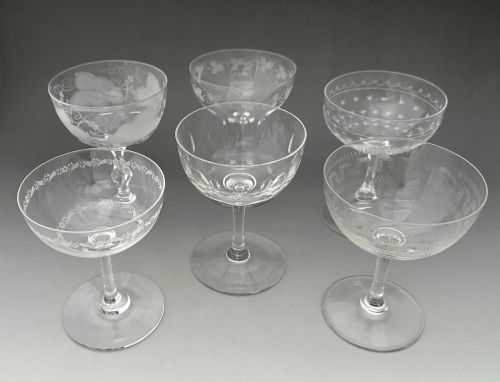
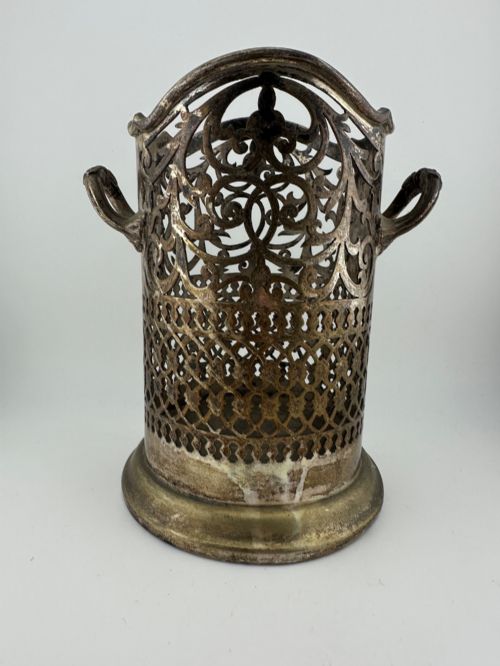
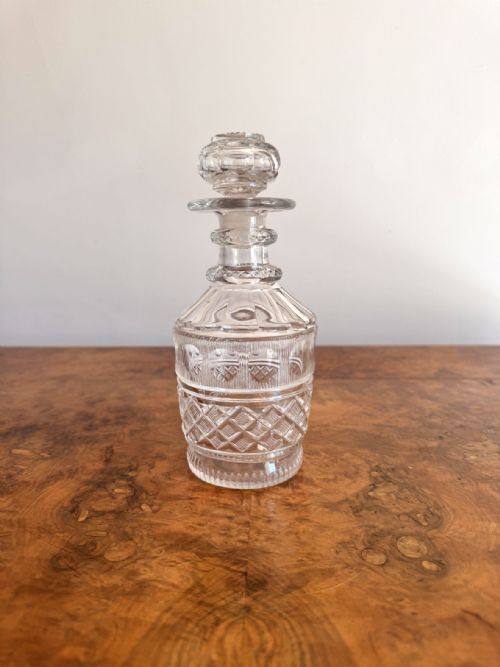
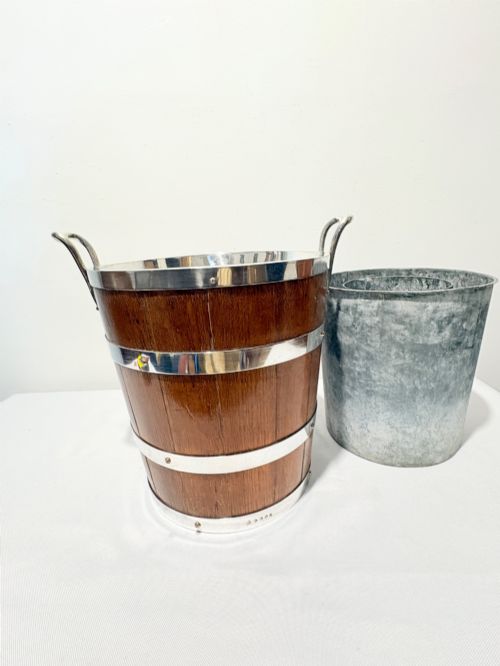
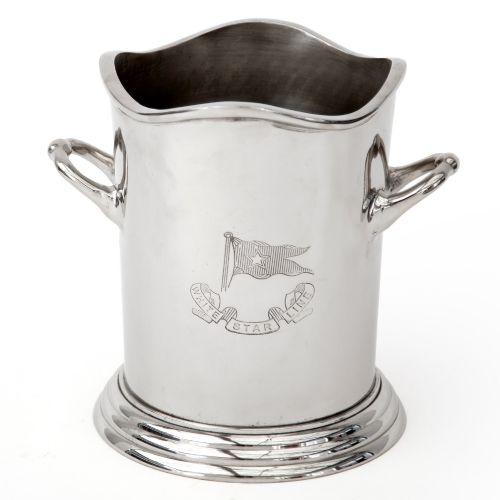
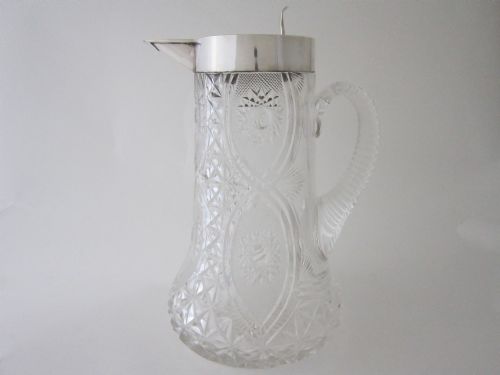
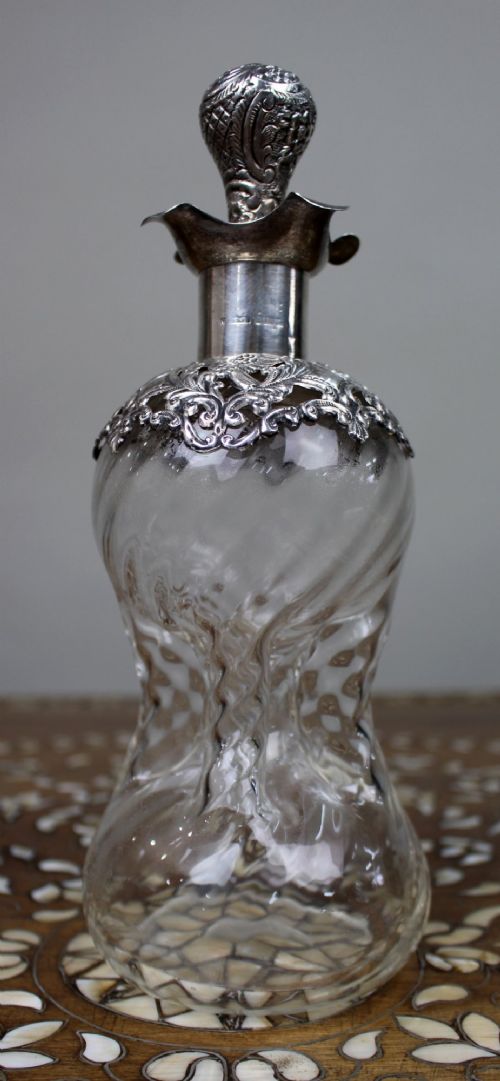
The most frequent examples on this page are decanters and silver plated bottle holders, alongside cut glass jugs and bar accessories. These objects reflect the formal entertaining habits of their era, utilising combinations of glass and metal.
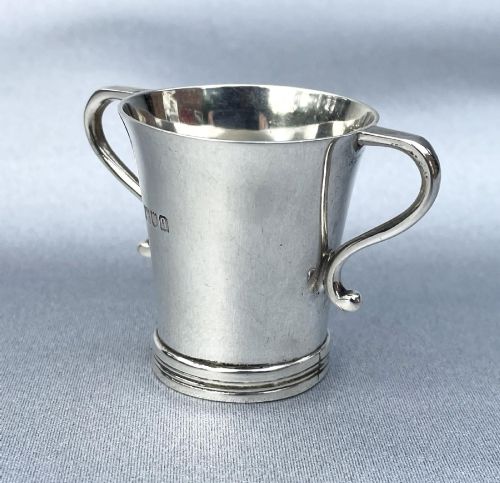
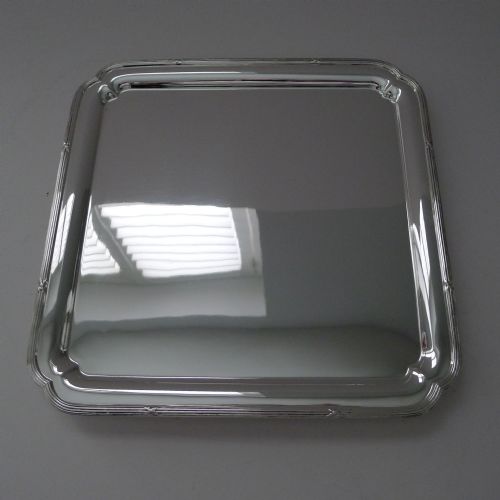
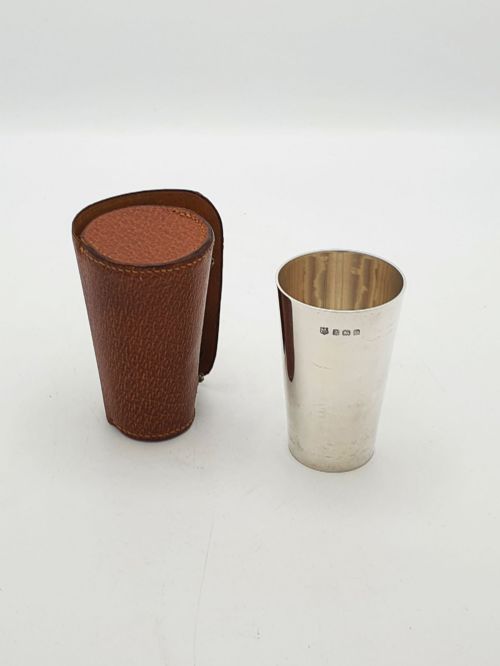
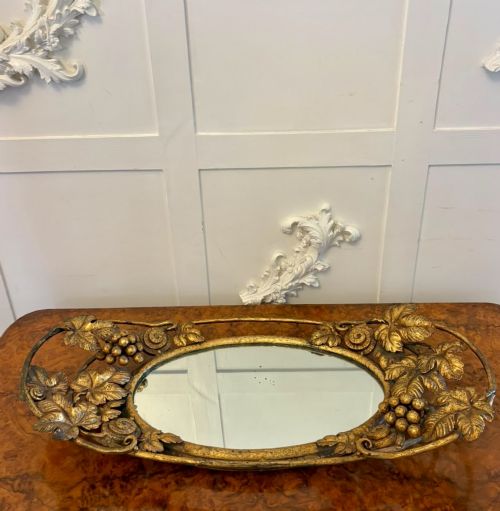
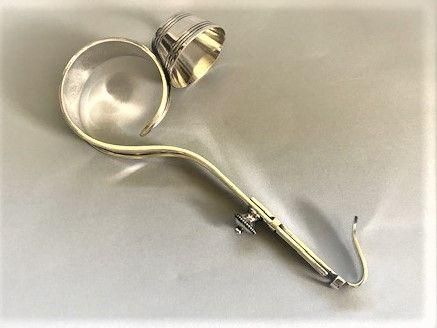
While the dominant aesthetic aligns with Edwardian and Victorian styles, pieces also extend into Art Deco and George V eras. This variety ensures buyers find items ranging from travelling beakers to large serving trays.
What varies in quality
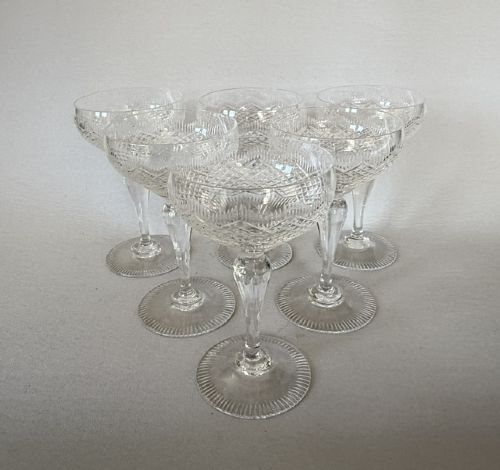
Quality rests upon the weight and purity of the metalwork, alongside the clarity and depth of cut glass. Maker attribution also plays a role, as pieces bearing marks from established silversmiths command greater attention.
The integrity of mechanisms in items like locking tantalus sets or hinged hip flasks distinguishes standard production from superior work. Preservation of original fitted cases and intact silver mounts elevates the overall standard.
Edwardian Barware Retail Price Guide 2026
Typical asking prices for edwardian barware among the pieces listed under this phrase on Sellingantiques today, from the lower quarter to the upper quarter. They describe what is for sale here now, not the wider market.
Listings feature sterling silver, silver plate, cut glass, brass, lead crystal, and oak across Victorian, Edwardian, and Art Deco periods.
William Comyns·Christofle·Hukin & Heath·Brook & Son·J Dixon·Asprey London·Archibald Knox for Liberty Co
The Edwardian Barware Glossary
- Tantalus
- A locked wooden frame holding decanters to prevent unauthorized drinking while displaying the contents. The device uses a security bar secured by a key.
- Hip Flask
- A slender curved container designed for carrying spirits in a pocket. These vessels often feature captive caps and sterling silver construction.
- Whisky Noggin
- A small decanter or jug intended for a single portion of whisky. They frequently include a matched silver-rimmed glass and a pouring lip.
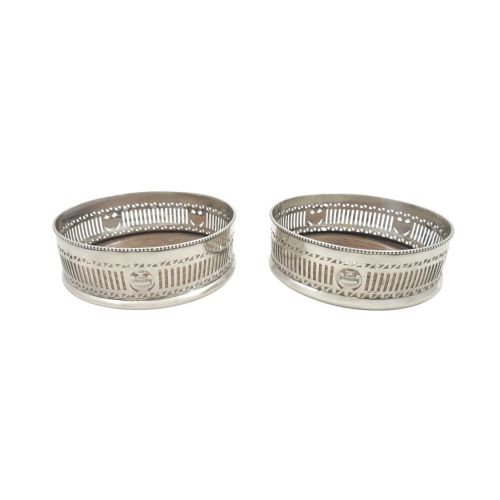
- Wine Coaster
- A small tray or dish placed under a bottle to protect table surfaces from drips. They typically feature wooden bases with silver plated or solid silver rims.
- Silver Plate
- A manufacturing technique applying a thin layer of silver to a base metal such as copper or brass. This method offered the appearance of solid silver at a lower cost.
Edwardian Barware: Frequently Asked Questions
What is an edwardian barware tantalus?
A tantalus is a locking wooden frame that secures decanters inside a metal or wooden holder. It allowed hosts to display expensive spirits while restricting access.
These pieces combine oak or mahogany woodwork with silver plated mounts and cut glass bottles.
How do I clean silver plated barware?
Silver plate requires gentle cleaning with a specialist polish to preserve the thin metal layer over the base material. Avoid harsh abrasives that can strip the plating.
Glass liners and crystal decanters can be washed separately in warm soapy water using bottle brushes.
Were hip flasks used daily?
Hip flasks served as portable containers for spirits during travel, hunting expeditions, and outdoor events. They were built with secure screw caps to prevent leaks.
Solid sterling silver and plated versions appear frequently, often featuring curved bodies designed to fit comfortably against the body.
How do I date an antique decanter?
Dating relies on hallmarks stamped onto silver mounts, bottle necks, or collars, which indicate the assay office and year of production. The style of glass cutting and stopper design also provide clues.
Matching the overall form to periods like the Edwardian era or Art Deco helps narrow the timeframe.