




Edwardian Barware Decanter
These edwardian barware decanter pieces bring functional elegance to the sideboard through brilliant cut crystal, heavy glass, and secure metal mountings.
Edwardian Barware Decanter
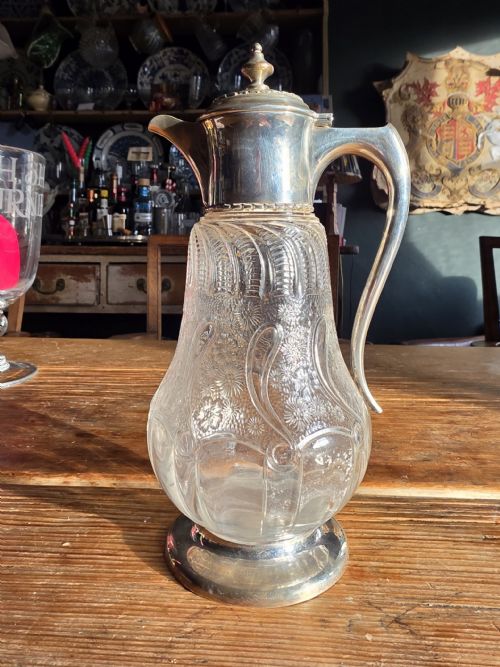
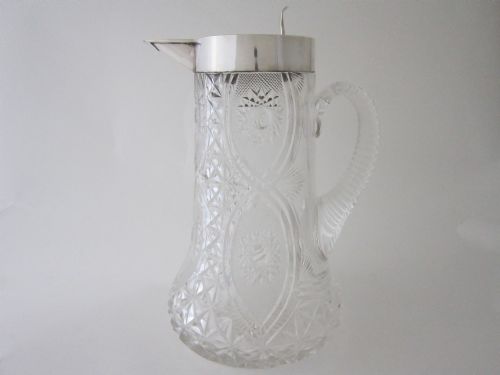
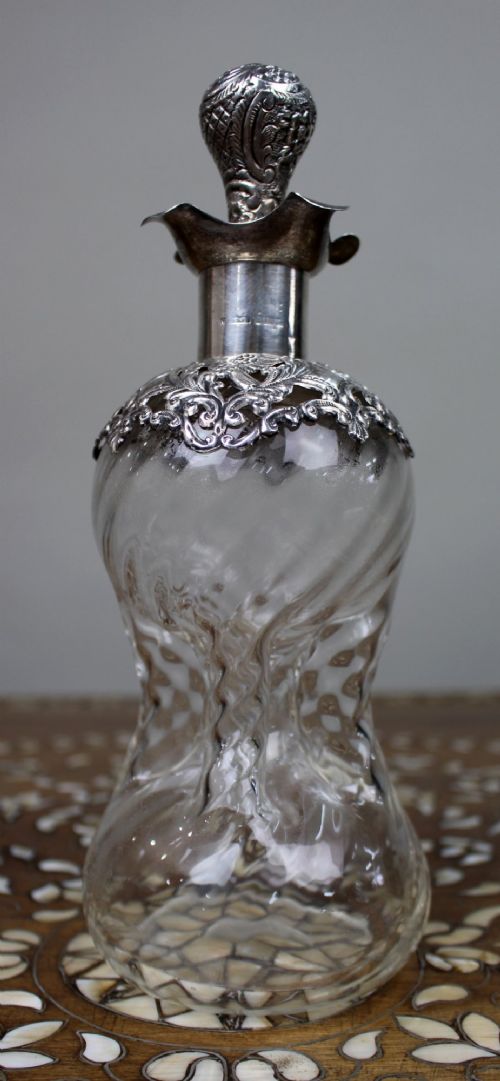
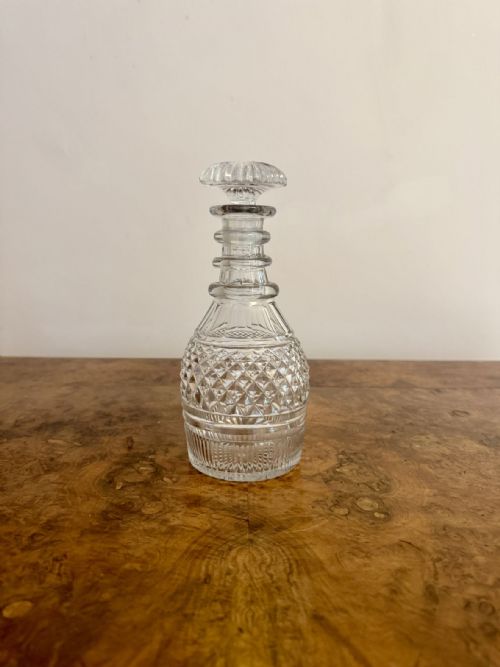
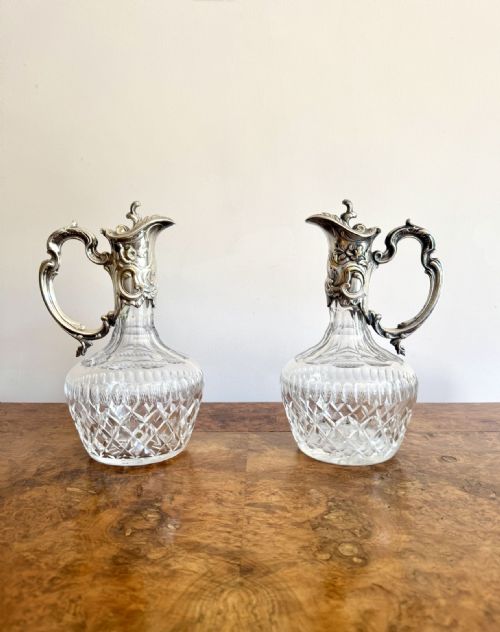
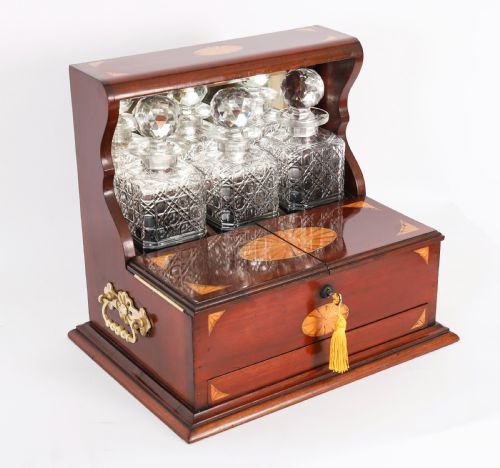
When you search for an edwardian barware decanter, you encounter vessels designed for holding spirits, wine, and liqueurs during the early twentieth century. The selection spans single spirit bottles, claret jugs, whiskey noggins, and multi-bottle tantalus sets housed in oak or walnut frames.
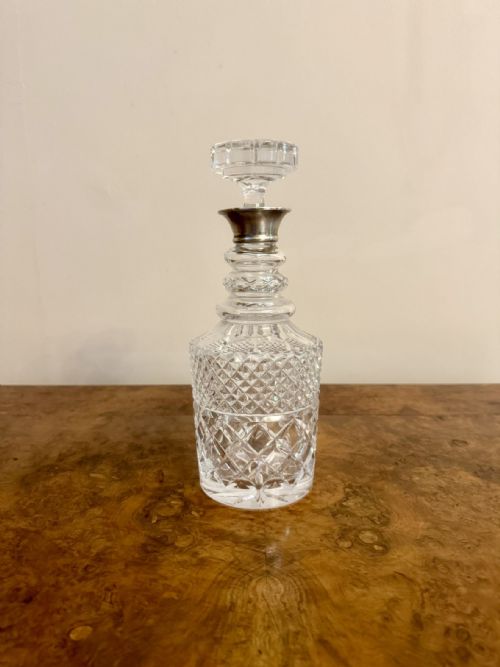
The most common examples on this page date from the Edwardian period and the surrounding decades of the late nineteenth and early twentieth centuries. These encompass standalone glass decanters with silver collars alongside fitted drinks trays and locking security frames.
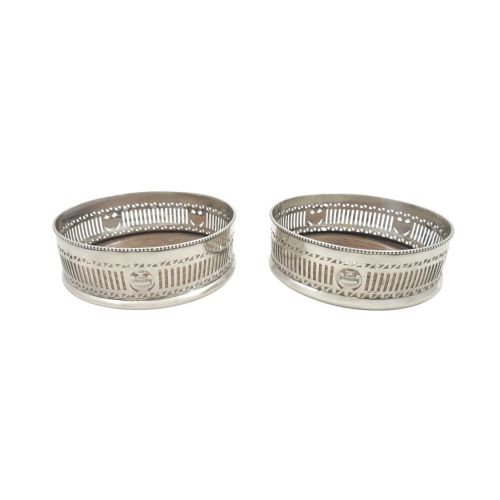
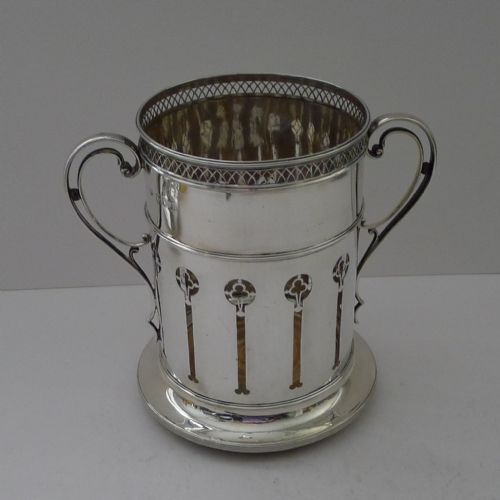
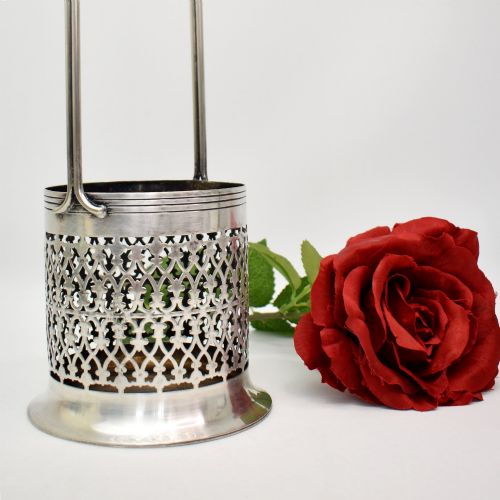
The assortment includes related barware pieces such as bottle coasters, hip flasks, and cocktail shakers executed in cut crystal, glass, and silver plate.
Materials and Technique
Makers utilised heavy lead crystal and clear glass, often shaped with deep wheel-cut patterns, optical blowing, or bell-shaped contours. Ruby glass and plain transparent bodies also appear among the glass selections.
Metal components combine sterling silver collars, mounts, and tops with silver plate, pewter, brass, and wrought iron. Wooden elements rely upon oak, walnut, and satinwood with inlay work.
Assessing the Workmanship
Quality rests upon the depth and crispness of the glass cutting, the weight of the crystal, and the substance of the metal mounts. Thickly cast silver tops and substantial hallmarked collars indicate superior manufacture compared to lighter alternatives.
The integration of the housing also dictates standing; fitted wooden tantalus frames with marquetry stringing, secure locking mechanisms, and intact keys represent a higher grade of craftsmanship than unmounted bottles.
Brook and Son·Hukin and Heath·Archibald Knox for Liberty Co·Elkington
The Edwardian Barware Decanter Glossary
- Tantalus
- A locking wooden frame that holds decanters securely in place while displaying the contents behind a metal bar. This clever device prevented unauthorised access to spirits in period homes.
- Noggin
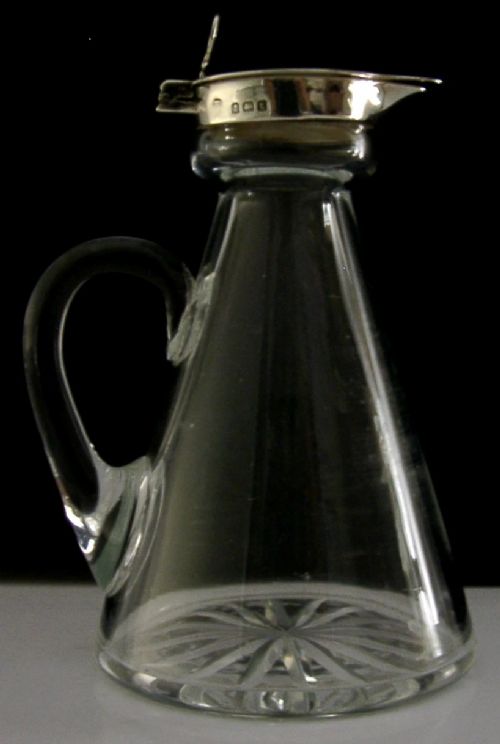
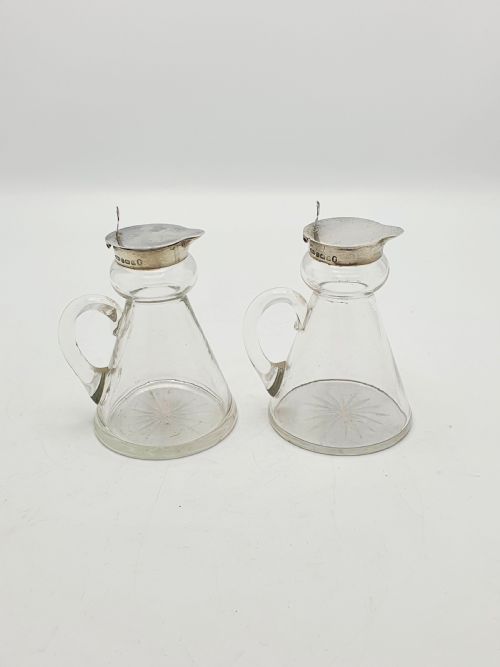
- A small drinking vessel or single-measure spirit decanter, often fitted with a sterling silver top and a handle. These portable tots were designed for individual servings of whisky.
- Claret Jug
- A specialised pitcher intended for serving red wine, typically featuring a hinged metal cover and an articulated handle. Glass bodies on these pieces frequently display floral engraving or optical ribbing.
- Bottle Coaster
- A low disc or tray with a raised rim, used for protecting table surfaces beneath wine bottles and decanters. Many examples incorporate wooden bases fitted with silver plated or sterling silver galleries.
Edwardian Barware Decanter: Frequently Asked Questions
What is a tantalus?
A tantalus is a locking cabinet frame that restrains decanters by their stoppers to prevent guests or servants from accessing the contents without a key.
The name derives from the mythological figure Tantalus, as the liquor remains visible yet physically out of reach.
How do I date an edwardian barware decanter?
Dating relies upon hallmarks on the silver mounts, maker marks, and stylistic indicators such as Edwardian proportions or Art Nouveau wrought iron work.
Comparing the cut glass patterns and the wood types of any accompanying tray helps confirm the era of manufacture.
Can I use these decanters daily?
These glass and crystal vessels function well for serving spirits and wine during modern gatherings provided they receive careful hand washing.
Checking the ground glass stoppers ensures a proper seal for storing liquids safely over extended periods.
What is a whiskey noggin?
A whiskey noggin is a miniature decanter designed to hold a single measure of spirits for individual consumption at a desk or smoking table.
They typically feature a sturdy glass body, a silver lid with a thumbpiece, and an integrated glass handle.