

Edwardian Barrister Cabinet
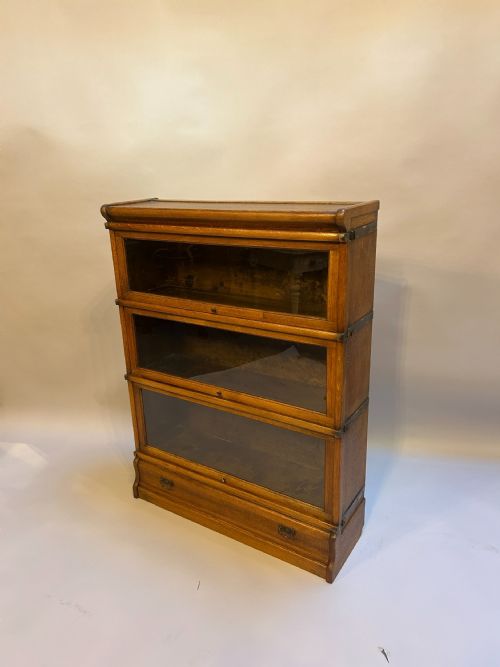
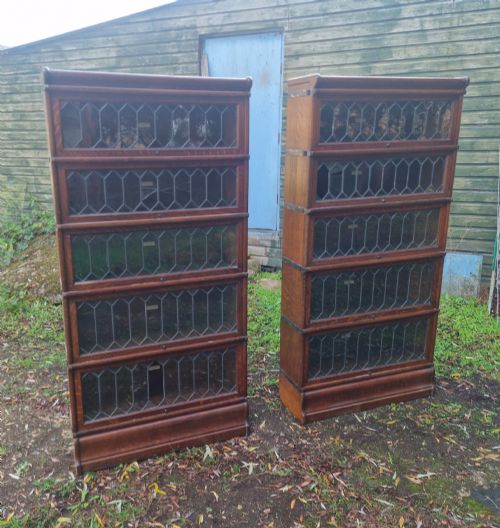
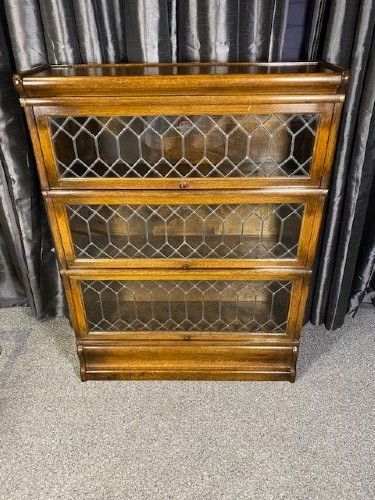
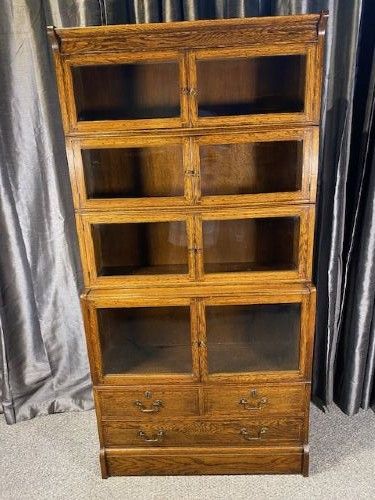
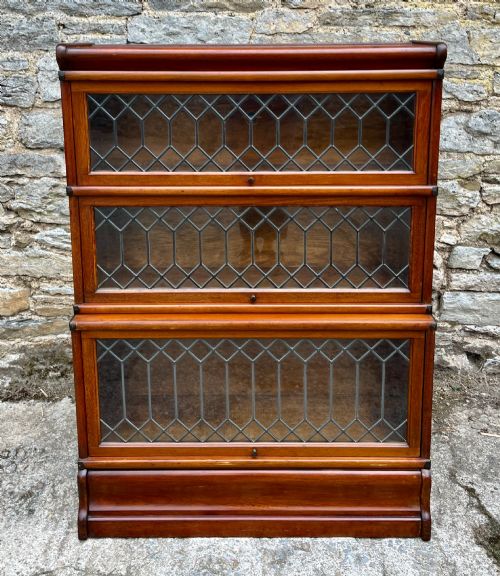
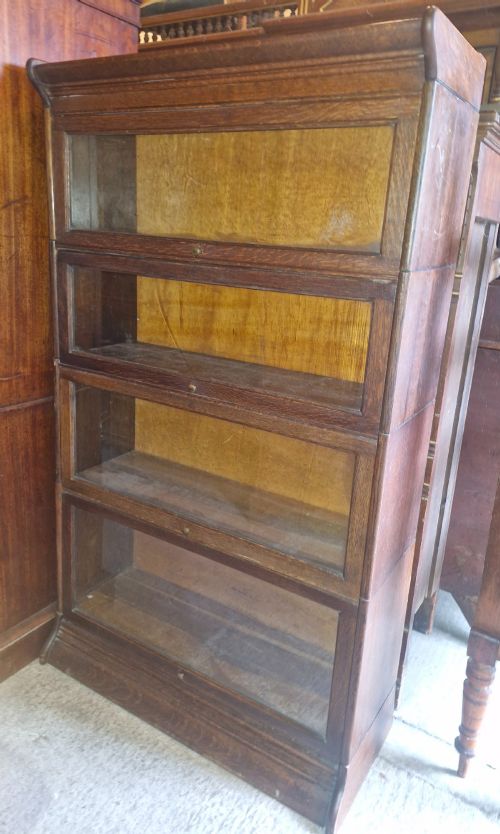
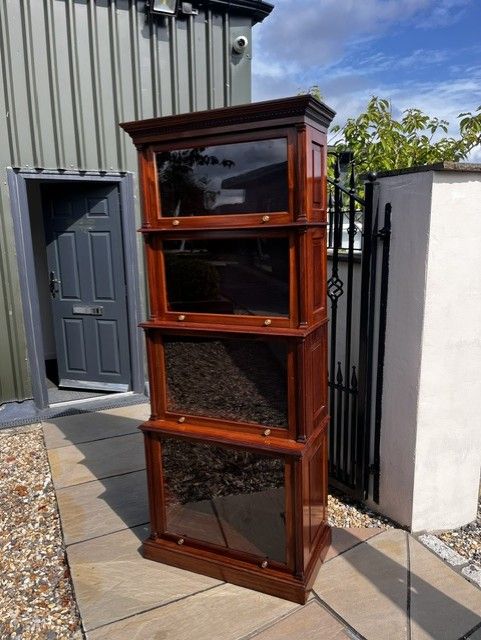
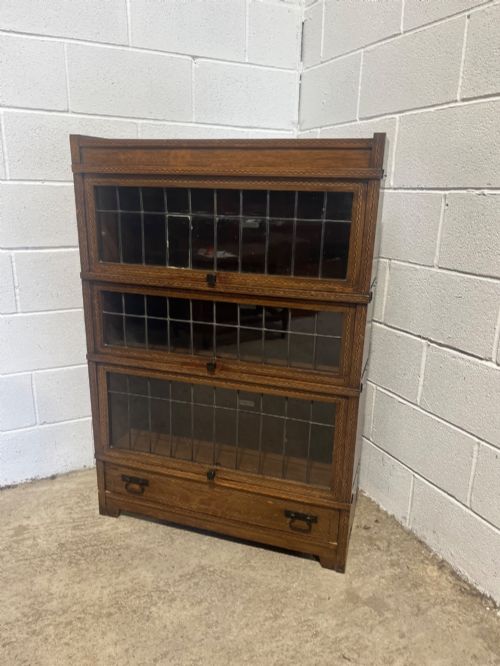
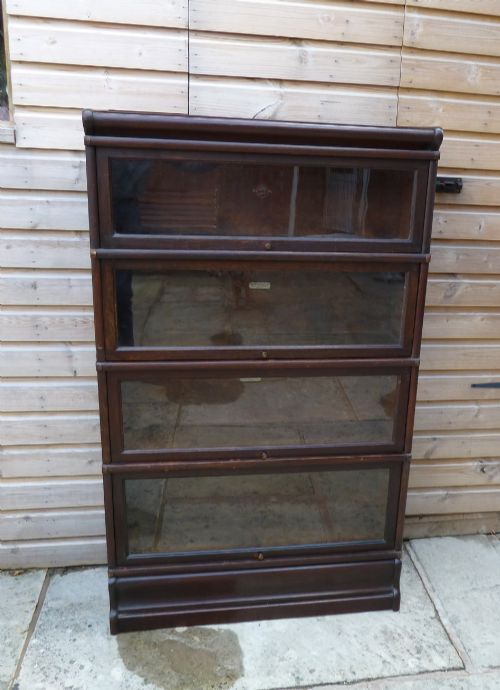
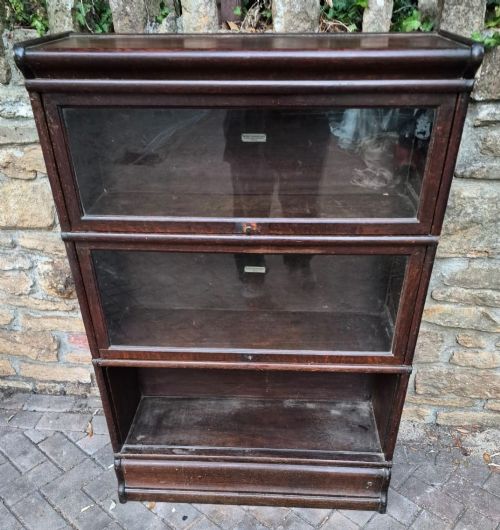
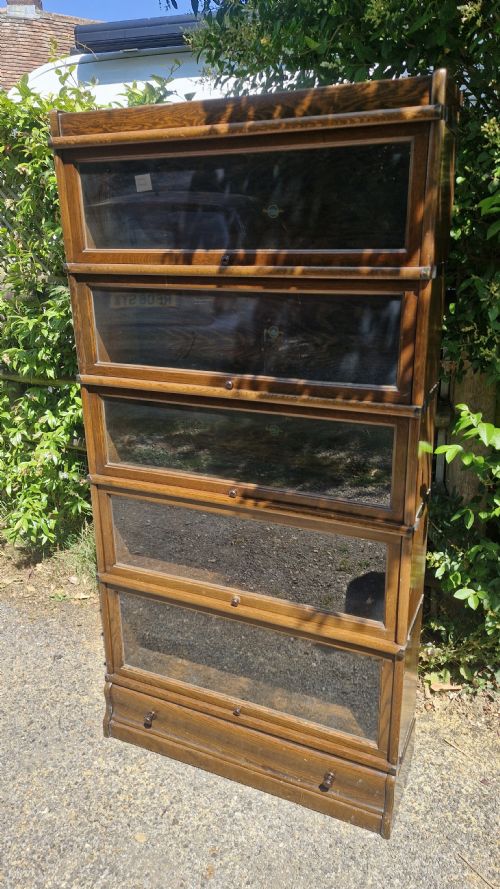
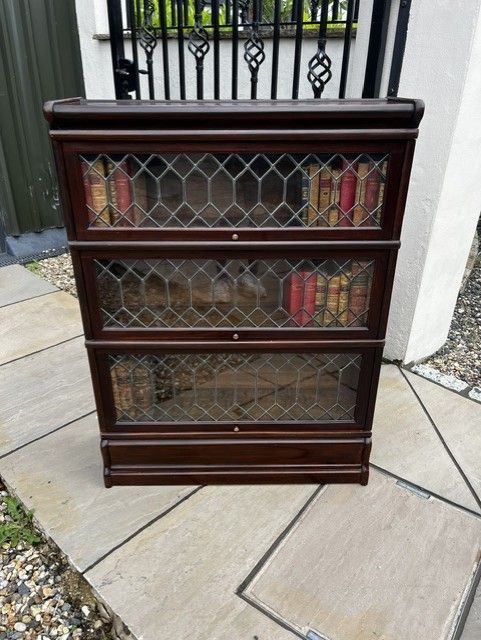
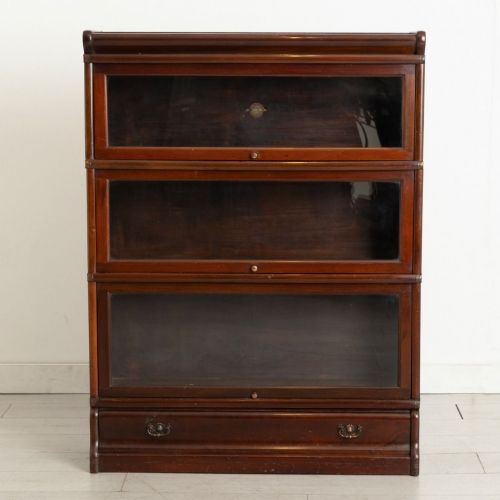
An Edwardian barrister cabinet is a modular stacking bookcase designed to protect working libraries, combining practical office utility with handsome period timber.
Edwardian Barrister Cabinet
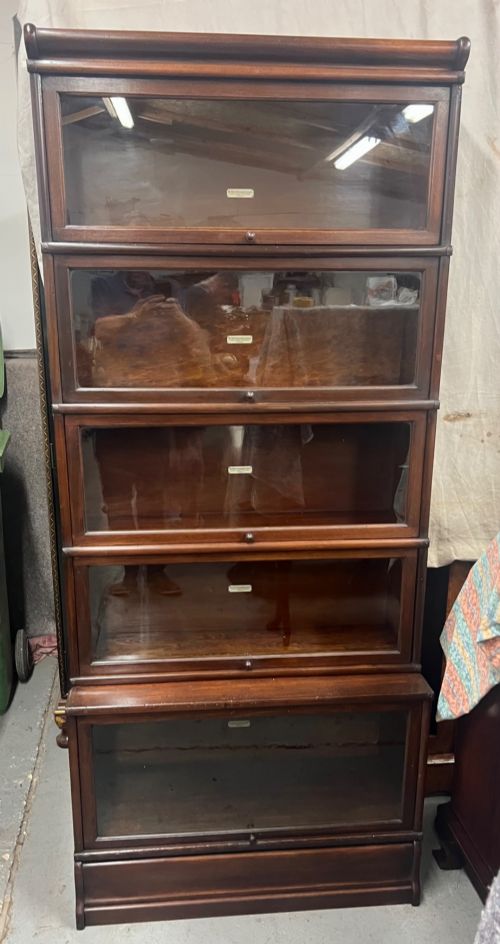
When you search for an edwardian barrister cabinet, you encounter sectional modular bookcases built from separate tiers that stack vertically. The form originated to keep working texts clean and dust-free in legal offices.
The majority of pieces you meet on this page date from the Edwardian period through to the 1930s, spanning oak and mahogany construction. These bookcases appear in heights ranging from three tiers to tall four and five section configurations.
Makers such as Globe Wernicke, Lebus, Minty, Gunn, Warwick, and AMYL dominate the listings, offering modular flexibility. Buyers select these cabinets for their clever lifting-glass doors and modular adaptability in modern study spaces.
What varies in quality
Quality in these sectional units rests upon the integrity of the stacking mechanism and the crispness of the timber joinery. Finer examples display solid mahogany or figured oak across every tier, including the matching base and top cornice.
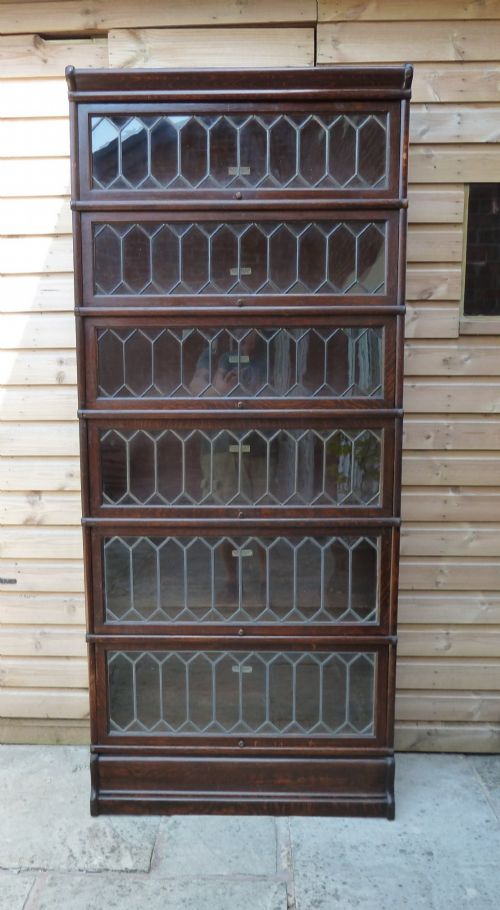
Original hardware, sound leaded glass panels, and authentic maker stamps elevate a piece above standard utility versions. The smoothness of the lifting door action and the matching grain pattern across stacked sections separate superior cabinets from ordinary examples.
Early lawyers appreciated these glass doors because they kept heavy leather-bound law reports safe from office cigar smoke.
Globe Wernicke·Lebus·Minty·Gunn·Warwick·AMYL
The Edwardian Barrister Cabinet Glossary
- Sectional bookcase
- A modular bookcase composed of several separate stacking tiers and a base. This design allowed expanding libraries to grow simply by adding another tier.
- Leaded glass
- Small panes of glass joined together with lead cames to form decorative window patterns on cabinet doors. This technique was popular in Edwardian Arts and Crafts furniture.
- Cornice
- The moulded decorative projection that sits at the very top of the cabinet. It finishes the stack visually and protects the upper tier.
- Plinth
- The solid wooden base block upon which the stacking tiers rest. It lifts the lowest tier away from floor level and grounds the entire piece.
- Quarter-sawn
- A method of sawing timber that produces a straight grain pattern with prominent medullary rays. Oak treated this way resists warping and displays attractive figuring.
Edwardian Barrister Cabinet: Frequently Asked Questions
How do barrister cabinet tiers separate?
Each tier lifts off the section below it once the contents and moving doors are empty. The modular boxes rely on gravity and internal wooden pins or tongue-and-groove edges to stay aligned without heavy fasteners.
This clever stacking design made transport easy for travelling lawyers and allowed offices to add capacity by simply purchasing another modular tier.
Are all barrister cabinets made by Globe Wernicke?
While Globe Wernicke popularised the design, many other firms manufactured sectional bookcases during the same era. Makers such as Lebus, Minty, Gunn, and Warwick produced similar stacking cabinets with their own distinct hardware and timber choices.
Checking for maker stamps on the interior shelves or back panels helps identify the specific workshop behind a particular cabinet.
Can I stack extra tiers on my cabinet?
Adding extra tiers depends entirely on matching the exact width, depth, and timber of your existing base and cornice. Because different makers used slightly differing dimensions, sections from one manufacturer rarely fit another.
It is best to match the maker stamp and wood finish precisely if you intend to increase the height of an existing stack.