
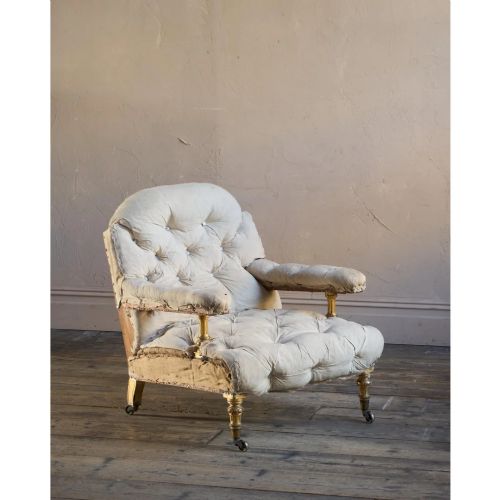
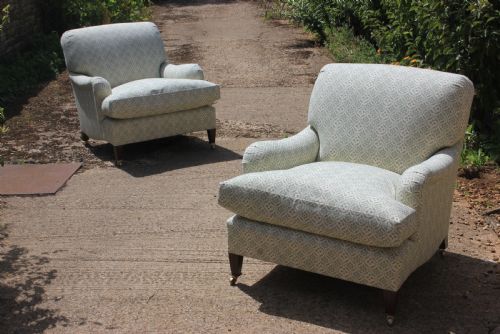
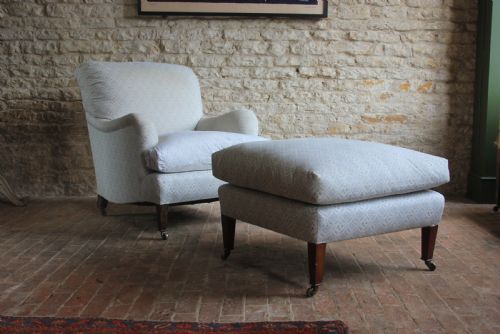
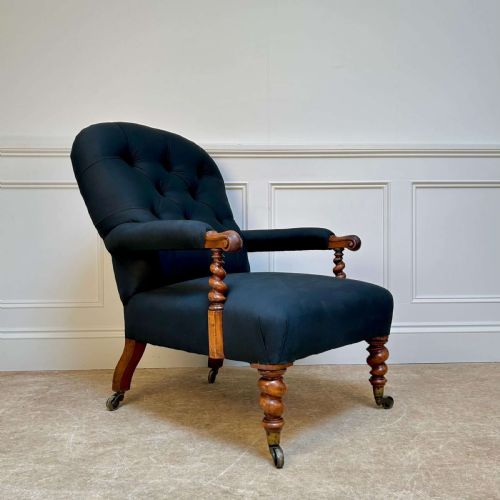
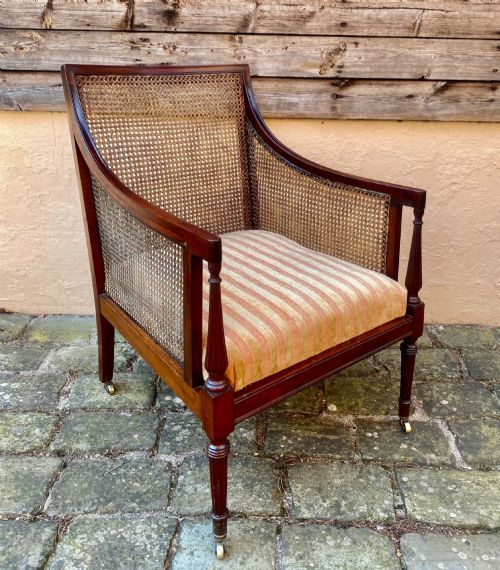
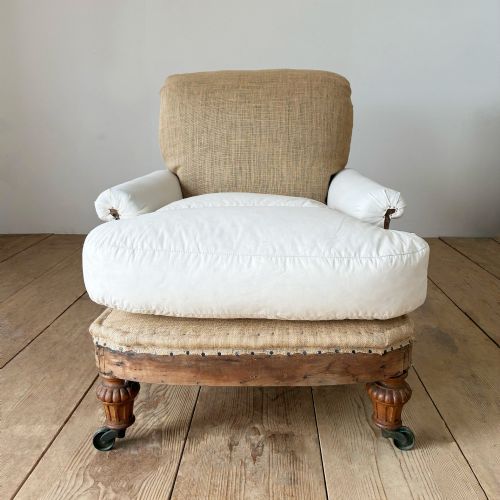
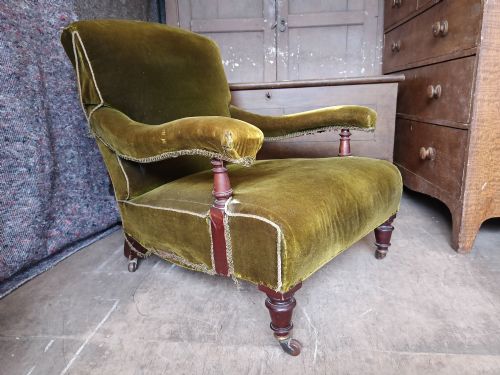

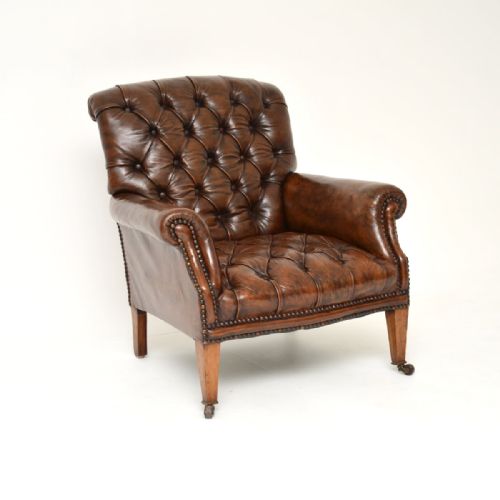
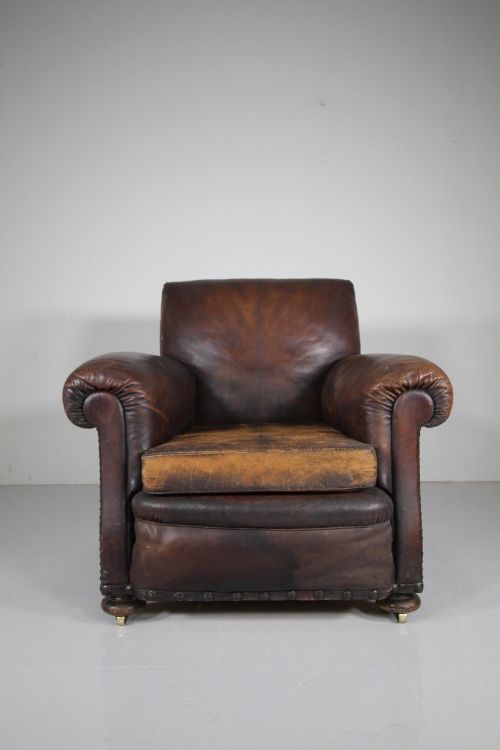


Edwardian Armchair Brass Castors
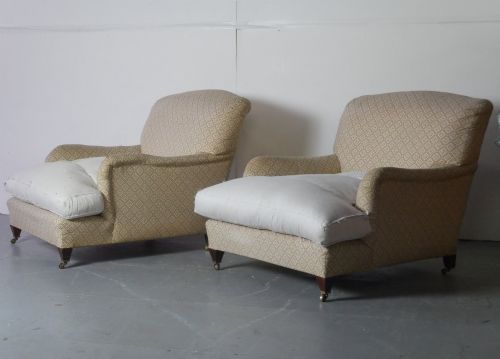
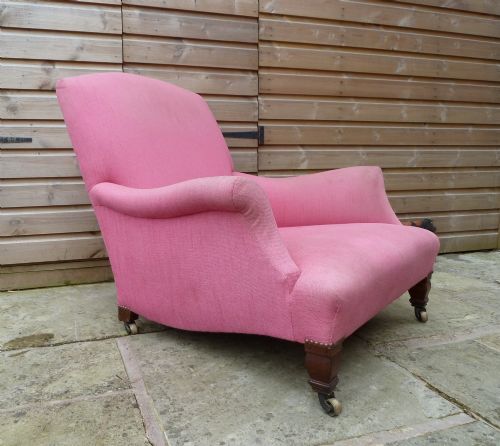
These edwardian armchair brass castors combine period comfort with sturdy mobility, offering a dependable seat for a traditional interior.
Edwardian Armchair Brass Castors
When you search for edwardian armchair brass castors, you find seating designed for relaxation, often featuring upholstered frames and wooden supports. The most frequent versions on this page span the Victorian and Edwardian eras, alongside pieces influenced by traditional English country house styles.
Many examples arrive in forms such as library chairs, club armchairs, and occasional seating. Materials range from mahogany and walnut to hardwood, often upholstered in fabric, calico, velvet, or leather.
Makers and workshops including Howard and Sons, Gillows, Hindley and Sons, and William Birch appear across the listings. These seating options suit studies, drawing rooms, and reading spaces.
Materials and Construction
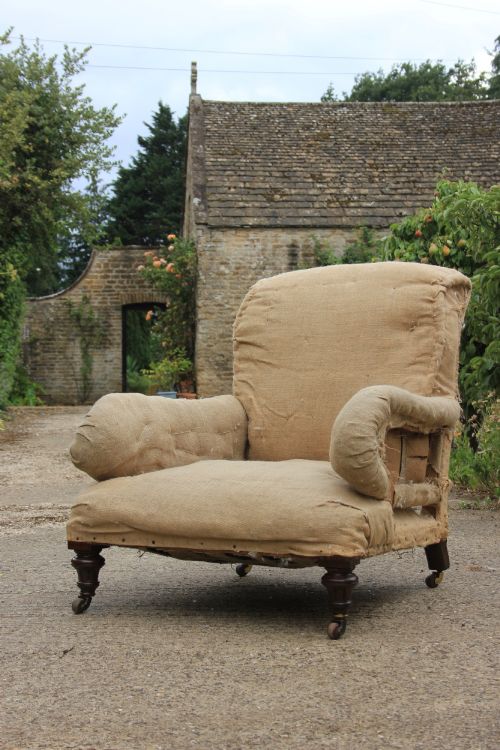
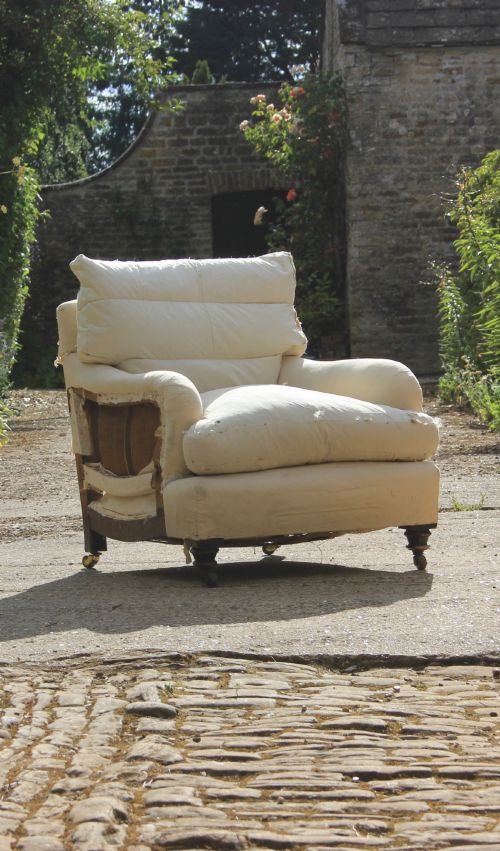
Frames rely on hardwoods such as mahogany and walnut, shaped to form sturdy structural supports. Metal components like brass castors are fitted to the lower legs for smooth movement across floors.
Upholstery techniques involve traditional stuffing materials enclosed in calico, velvet, leather, or patterned fabrics. Buttoning and exposed wood accents complete the finish of these chairs.
The furniture spans multiple eras, including Victorian, Edwardian, and Regency periods.
Judging Quality and Craftsmanship
The strength of the underlying hardwood frame dictates the stability of the chair over decades of daily use. Finer pieces demonstrate precise joinery and well-turned wooden legs that support the upholstery without sagging.
The quality of the metal fittings, particularly original brass castors bearing maker stamps, elevates a piece. Superior examples also retain well-executed traditional upholstery work using quality filling materials and durable coverings.
Whytock and Reid·Howard and Sons·SF Cullen·Hindley and Sons·Gillows·Hampton and Sons·Harrods London·William Birch
The Edwardian Armchair Brass Castors Glossary
- Castor
- A small wheel mounted on a swivel assembly attached to the bottom of furniture legs. This allows heavy chairs to be moved easily across carpets and wooden floors.
- Bergère
- An enclosed upholstered armchair with wooden framing and woven cane panels on the back and sides. It originated in France and remains popular in English country interiors.
- Library Chair
- A sturdy, comfortable armchair designed for reading rooms and studies, typically upholstered in leather or heavy fabric. These often feature generous proportions and low armrests.
- Calico
- A plain-woven cotton fabric used historically as the inner lining or foundation layer for upholstered furniture before applying the final decorative cover.
- Club Armchair
- A deep, low-seated upholstered chair designed for comfort, traditionally associated with gentlemen's clubs and country houses.
Edwardian Armchair Brass Castors: Frequently Asked Questions
How do I identify an Edwardian armchair?
Look for lighter proportions compared to heavy Victorian seating, often accompanied by tapered wooden legs and supportive upholstered backs. Many examples incorporate brass castors for ease of movement.
Details such as inlaid mahogany or traditional fabric coverings help distinguish pieces made during the Edwardian period.
What are brass castors used for?
Brass castors are small wheels attached to the base of chair legs to allow heavy upholstered seating to be repositioned without lifting. They protect floor surfaces and make cleaning easier.
On antique chairs, these metal fittings are often stamped with the manufacturer's name or patent details.
How should I care for leather upholstery?
Keep leather seating away from direct sunlight and heat sources to prevent the material from drying out and cracking. Regular dusting with a soft cloth maintains the surface.
Apply a suitable leather conditioner periodically to preserve the suppleness and natural finish of the hide.
Can I use these chairs in a modern room?
These armchairs blend easily into contemporary interiors by providing a contrasting focal point against minimalist furnishings. Their traditional silhouettes add character and texture to modern living spaces.
Pairing a library or club chair with neutral walls lets the woodwork and upholstery stand out.