


Edo Period Imari Urns
These edo period imari urns are striking porcelain vessels decorated in rich palettes, sought after for their intricate historic designs and commanding presence.

Edo Period Imari Urns
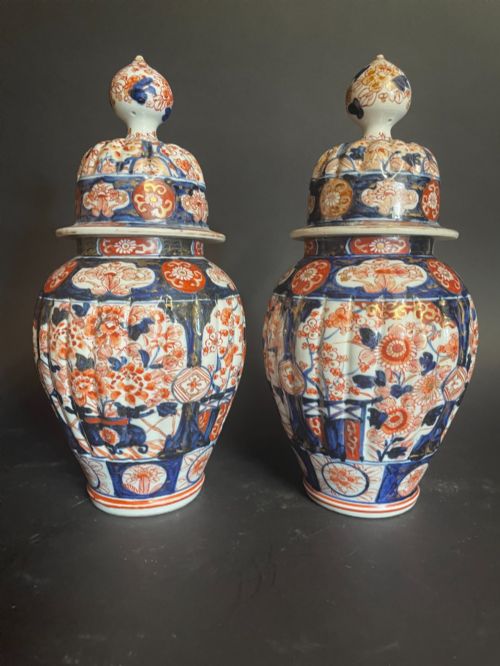
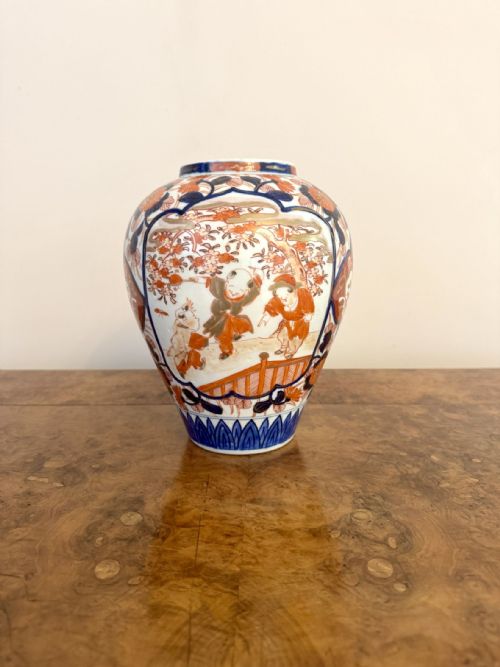
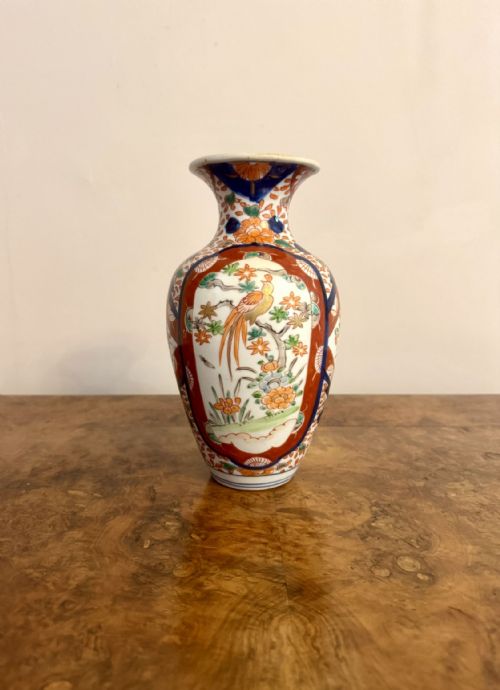
When you search for edo period imari urns, you encounter substantial porcelain vessels shaped as baluster vases, lidded jars, and garnitures. These objects reflect Japanese craftsmanship spanning the seventeenth, eighteenth, and nineteenth centuries.
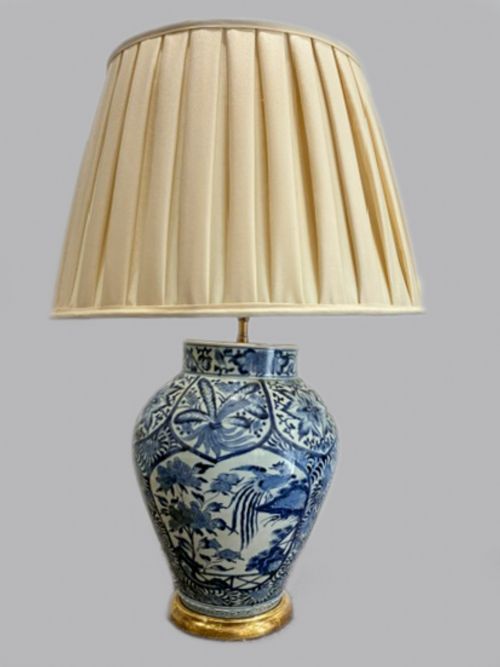
The selection ranges from seventeenth century Arita creations to later nineteenth century examples. Many survive as pairs or larger garnitures, alongside occasional pieces converted to lamps.
Vessels take forms such as octagonal baluster shapes and covered jars. These formats display the characteristic decorative schemes associated with Japanese Imari traditions.
Materials and technique
Pieces are formed from porcelain and decorated using enamel alongside glaze. Artisans applied cobalt blue and iron red pigments directly to the ceramic body.
Details often incorporate gold leaf, gilt, or gilding to accent the painted motifs. Selected examples demonstrate the integration of brass components or silk fittings from later adaptations.
Several historic vases found a second life illuminating rooms after historic conversions into table lamps.
What varies in quality
Superior examples distinguish themselves through the precision of the painted decoration and the crispness of the porcelain form. Hand-painted patterns executed with exceptional control represent the upper echelon of these wares.
Completeness alters desirability, with matched pairs and multi-piece garnitures commanding greater interest than single vessels. Original matching covers on jars and urns also elevate the standing of a piece.
The Edo Period Imari Urns Glossary
- Imari
- A style of Japanese porcelain decorated in underglaze blue, iron red, and gilt. This palette originated in the town of Arita and became popular for export.
- Garniture
- A set of matching vases or jars designed to be displayed together on a mantelpiece or cabinet. These sets usually comprise three or five pieces.
- Baluster
- A vase form characterised by a rounded body that tapers toward the base and swells near the lower middle. This silhouette is common in historic ceramic vessels.
- Arita
- The Japanese town where the production of porcelain began during the seventeenth century. Kilns in this area produced the wares exported through the port of Imari.
Edo Period Imari Urns: Frequently Asked Questions
How are these urns dated?
Datings rely on stylistic characteristics, form, and the nature of the porcelain body. Seventeenth century examples differ in brushwork and palette from nineteenth century interpretations.
Expert examination of the glaze and pigments helps distinguish early Arita production from later periods.
Were these made for export?
Many Japanese Imari pieces were produced specifically for export to European markets through trading ports. This global trade influenced the shapes and decorative arrangements found on the vessels.
European buyers favoured these striking porcelain objects for interior decoration.
How should I display a garniture?
Garnitures of three or five vases look best arranged symmetrically on a sideboard, mantel, or large table. The varying heights and matching shapes create a balanced visual focal point in a room.
Keeping the set together preserves its original decorative intent.
What is an Edo period?
The Edo period is a division of Japanese history running from sixteen hundred and three to eighteen hundred and sixty-eight. During this time, arts such as porcelain manufacture flourished under the Tokugawa shogunate.
Pieces originating from this era reflect the distinct aesthetic standards of Japanese craftsmanship.