



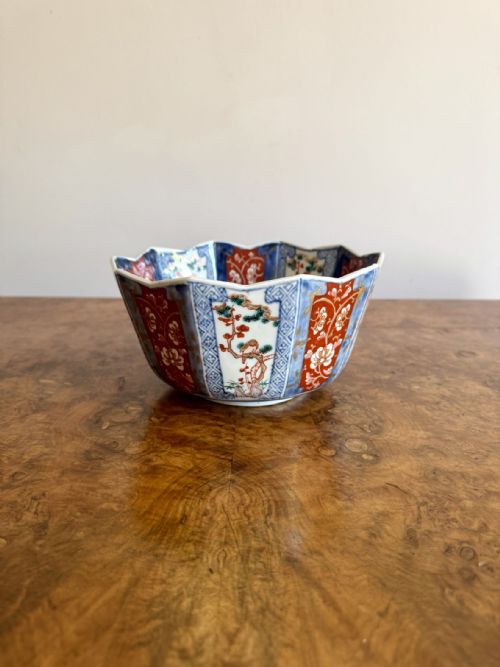

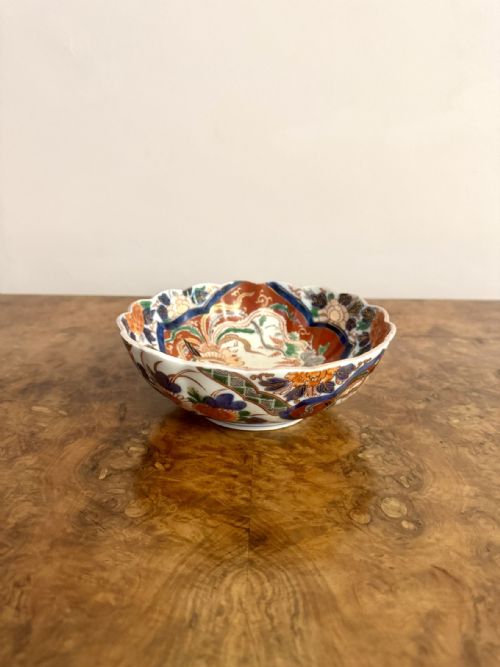
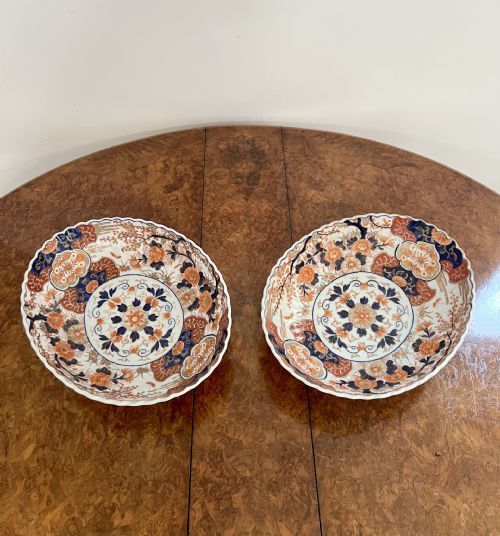


Edo Period Bowl
An edo period bowl brings remarkable Japanese artistry into a room, offering rich glazes and intricate forms that catch the eye immediately.
Edo Period Bowl
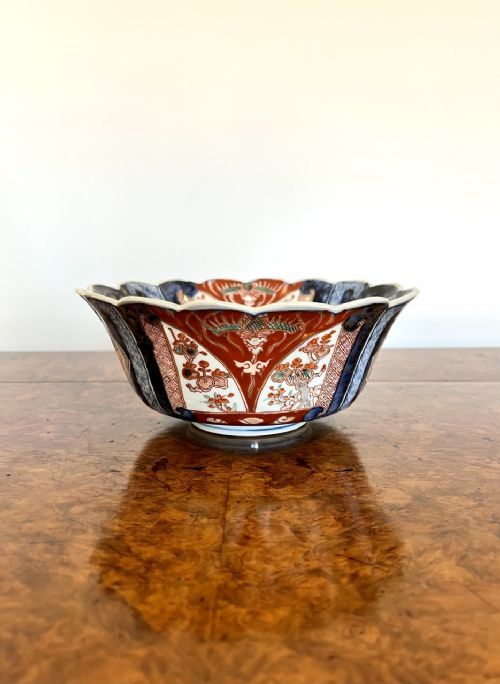
Searching for an edo period bowl directs attention toward antique Japanese vessels spanning the seventeenth century through to the nineteenth century, including pieces associated with the Meiji period and Victorian stylistic crossover. These objects appear as decorative bowls, dishes, large jardiniere planters, and tripod bowls shaped like clam shells or leaves.
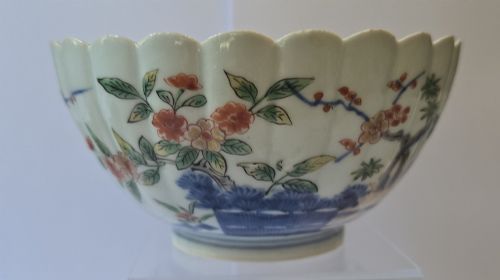
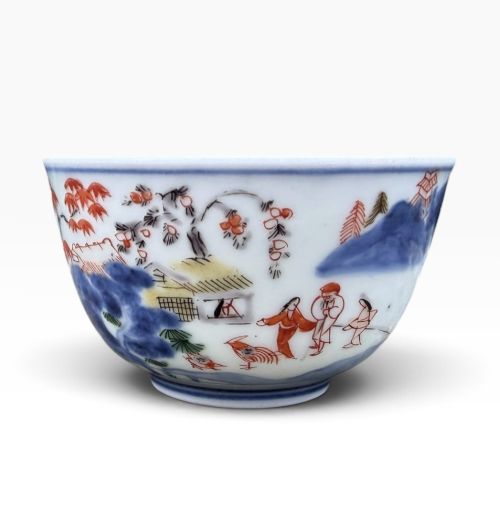
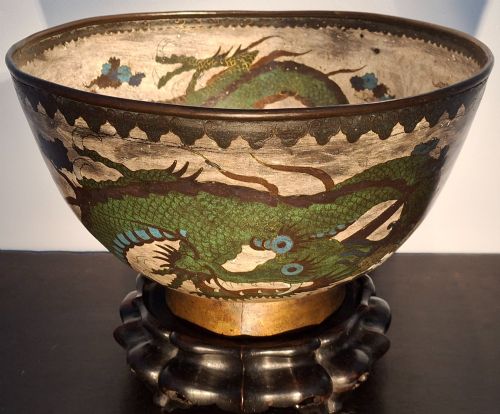
The version most frequently met on this page is the Japanese Imari porcelain bowl, often featuring a scallop-shaped edge and distinct cobalt underglaze details. Alongside porcelain, listings include bronze censor bowls, lidded pedestal bowls decorated with cloisonne enamel, and Aka-e porcelain dishes originating from Arita.
Materials and production methods
Potters and metalworkers utilised porcelain, bronze, enamel, gold leaf, and wood to construct these vessels. Porcelain examples relied on cobalt underglaze and colourful enamel painting applied over the fired clay body.
Cloisonne enamel pieces required fine metal wire soldered to a bronze or metal foundation to create cells that were subsequently filled with coloured paste and fired. Bronze vessels involved casting techniques, sometimes incorporating detailed dragon motifs or Buddhist tearai designs.
Edo Period Bowl Retail Price Guide 2026
Typical asking prices for edo period bowl among the pieces listed under this phrase on Sellingantiques today, from the lower quarter to the upper quarter. They describe what is for sale here now, not the wider market.
Materials represented include porcelain, bronze, cloisonne enamel, and gold leaf, applied to objects ranging from small clam shell dishes to large jardinieres.
Factors that separate examples
Differentiation in these pieces rests upon the crispness of the hand-painted cobalt underglaze and the precision of enamel placement across the porcelain surface. Finer examples display balanced proportions, particularly in complex forms like hexagonal bowls or scalloped edges.
For metal and cloisonne work, the integrity of the wirework and the depth of the bronze casting determine the tier of the piece. Superior specimens maintain intact gilding and smooth enamel surfaces free from disruption.
The Edo Period Bowl Glossary
- Imari
- A style of Japanese porcelain decorated in underglaze blue, iron red, and gold, originating from the port of Imari. These wares were heavily exported to Europe during the seventeenth and eighteenth centuries.
- Arita
- The Japanese town and surrounding region famous for producing foundational porcelain wares. Arita kilns supplied the raw ceramics for much of the blue and white and Imari output.
- Cloisonne
- A decorative metalwork technique where enamel is applied to compartments created by soldering flat wires to a metal base. This method yielded richly patterned lidded bowls and pedestal vessels.
- Jardiniere
- A large ornamental pot or planter designed to hold growing plants or flowers. In Japanese metalwork and ceramic traditions, these substantial vessels often double as decorative bronze or porcelain basins.
- Genroku
- A specific historical sub-period within the Edo era spanning from sixteen eighty-eight to seventeen-four. Ceramics bearing this designation reflect the vibrant arts culture of that time.
Edo Period Bowl: Frequently Asked Questions
What is an edo period bowl?
An edo period bowl is a Japanese vessel made of porcelain, bronze, or enamel during the Edo era. These items include serving dishes, planters, and decorative bowls.
They reflect historical Japanese craftsmanship, utilising techniques such as cobalt underglaze painting, cloisonne enamelling, and bronze casting.
How were these bowls used historically?
These vessels served various domestic and ceremonial functions in Japanese households. Porcelain dishes were used for dining and display, while bronze pieces often functioned as incense burners or water basins.
Larger vessels like jardinieres acted as planters or ornamental water containers within traditional settings.
How do I identify an Arita bowl?
An Arita bowl originates from the Hizen province in Japan where porcelain production flourished. These pieces often feature underglaze cobalt blue or Aka-e enamel decoration.
Examination of the foot ring and glaze characteristics helps distinguish Arita porcelain from later reproductions or other regional Japanese ceramics.
Where should I display a bronze censer?
A bronze censer or planter suits tabletops, mantelpieces, or dedicated display surfaces where its metal patina can be appreciated. Placement away from excessive moisture preserves the bronze and any remaining gold leaf.
Pairing the bowl with simple surroundings allows the dragon motifs and cast details to stand out.