

Edo Japanese Ceramic
These pieces of edo japanese ceramic bring centuries of kiln mastery into your home, prized for intricate patterns and enduring forms.
Edo Japanese Ceramic
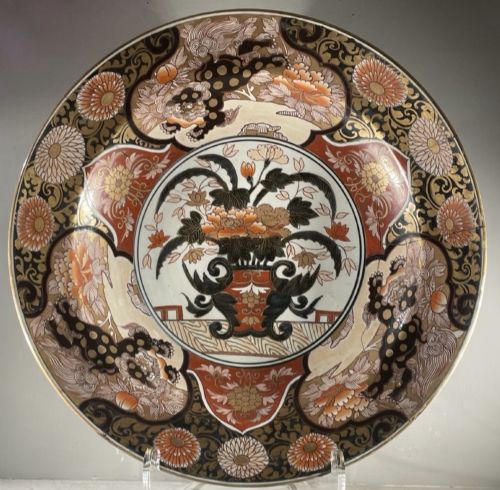
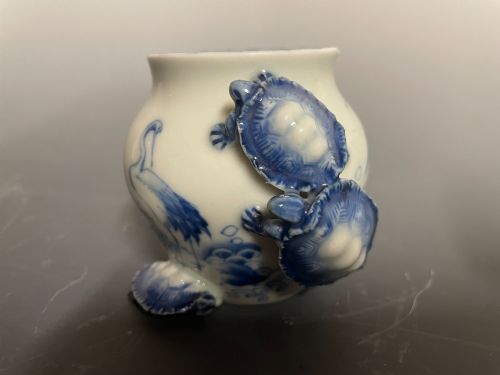
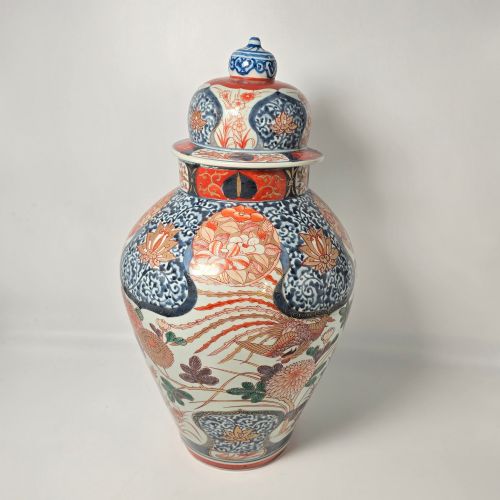
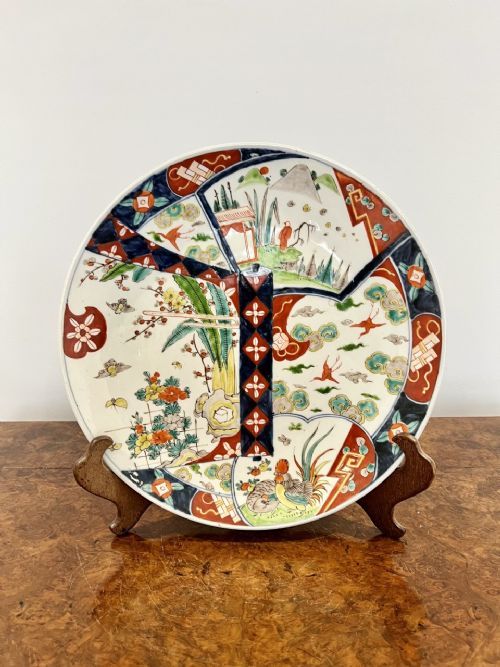
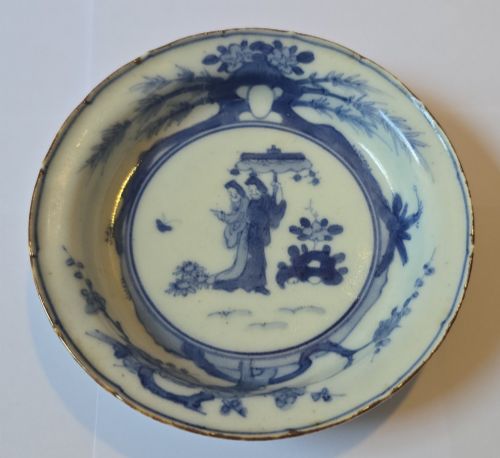
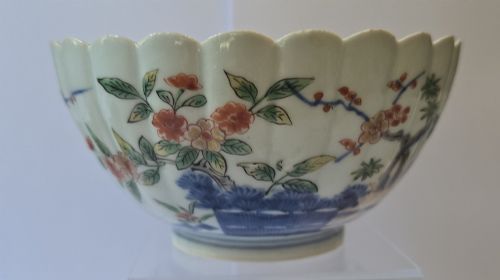
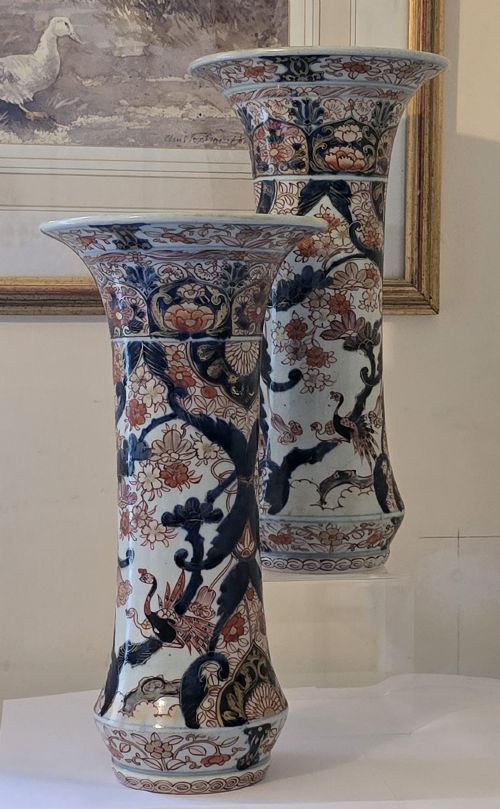
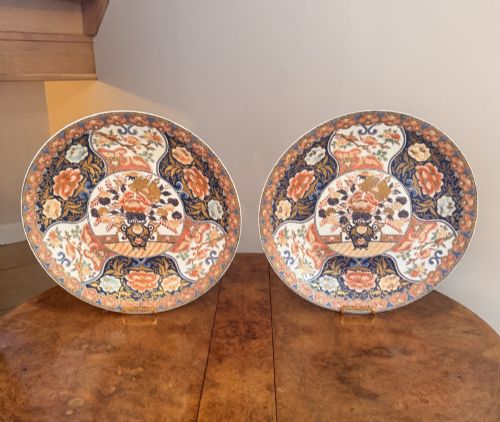
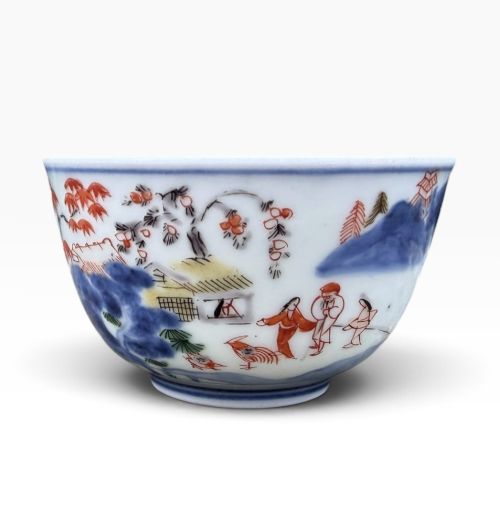
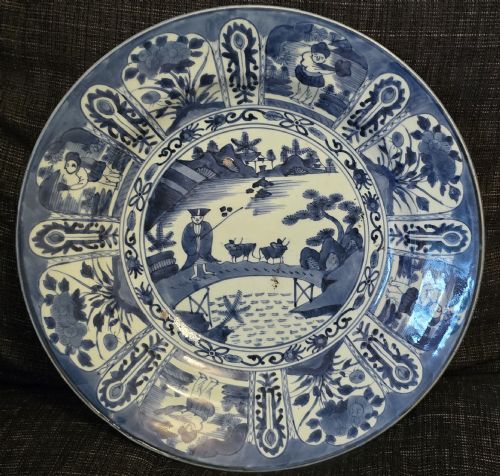
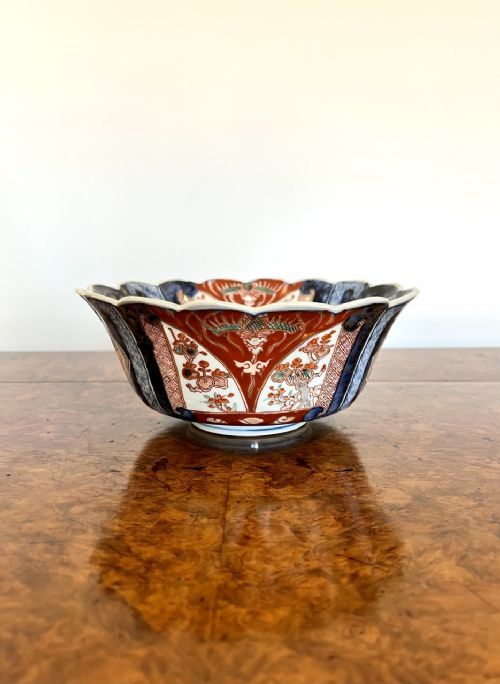
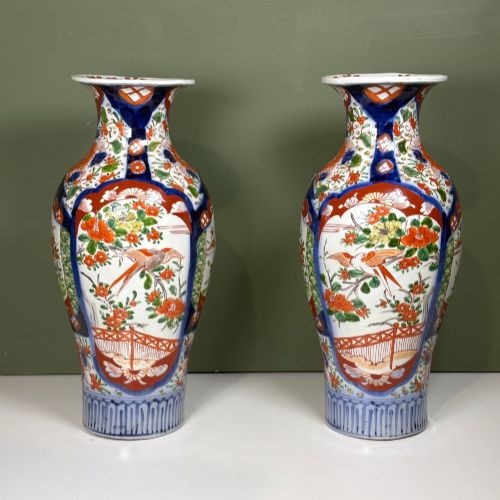
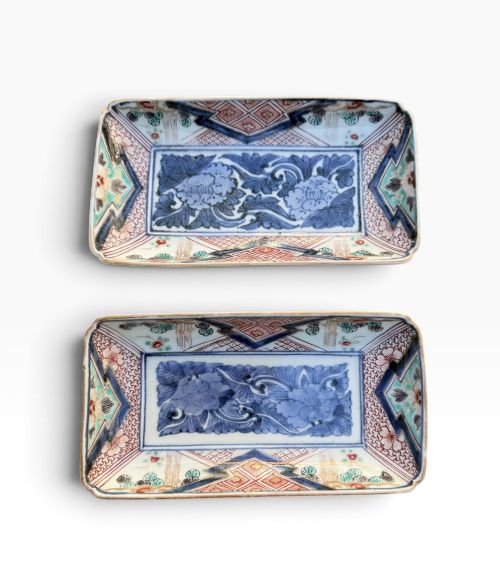
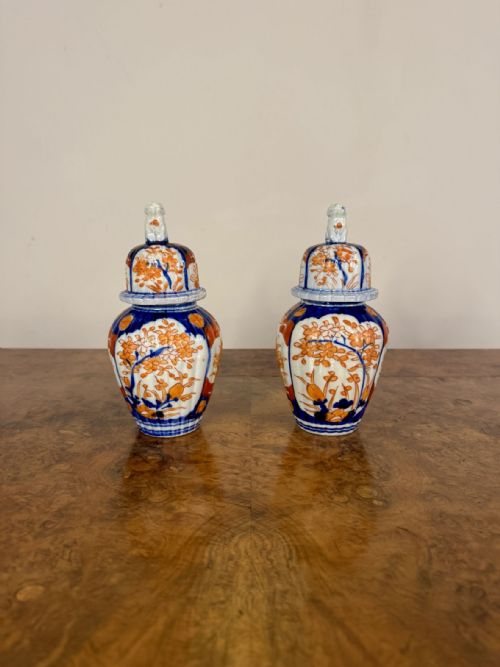
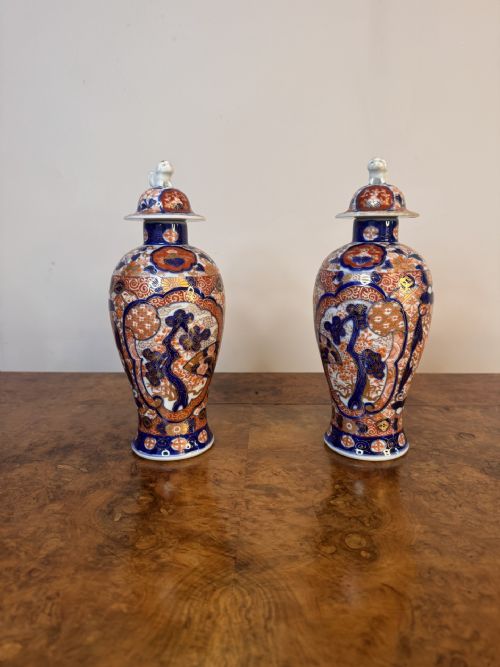
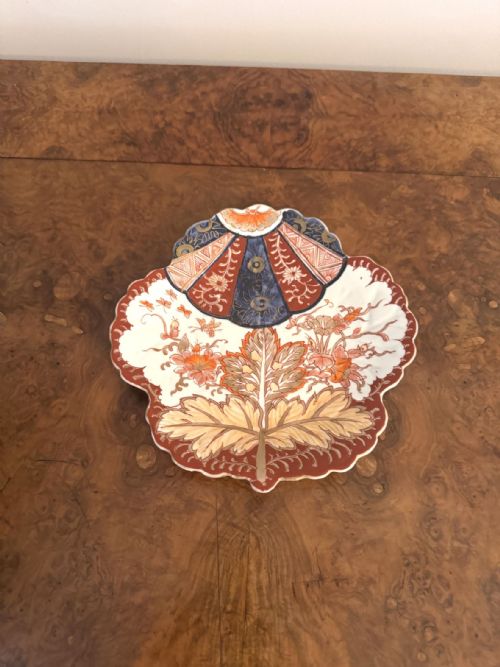
Edo japanese ceramic items span functional vessels and decorative display pieces, encompassing plates, chargers, bowls, vases, jars and inkwells. You encounter forms shaped like fish, shells and leaves alongside traditional hexagonal and scalloped profiles.
The material record bridges the seventeenth century through to the nineteenth century, including pieces originating from the Arita and Hirado kilns. These objects demonstrate the diverse aesthetic vocabulary developed during the Edo period and subsequent eras.
How they were made
Potters shaped porcelain bodies by hand or on the wheel before applying cobalt underglaze pigments and rich enamel colours. Artisans added final decorative touches using gold leaf, gilt and delicate gilding techniques.
Kiln firing transformed raw clay into durable ceramic, fixing the painted cobalt underglaze and enamel details beneath protective glaze layers. This process resulted in the distinct sheen and hard surface characteristic of these historic wares.
Edo Japanese Ceramic Retail Price Guide 2026
Typical asking prices for edo japanese ceramic among the pieces listed under this phrase on Sellingantiques today, from the lower quarter to the upper quarter. They describe what is for sale here now, not the wider market.
Listings feature porcelain, enamel, gold leaf, glaze, gilt, cobalt underglaze, ceramic and gilding across the seventeenth, eighteenth and nineteenth centuries.
What varies in quality
Excellence in these ceramics rests on the precision of the hand-painted cobalt underglaze and the balance of the enamel and gold leaf application. Finer examples display crisper moulding in forms such as fish or shell dishes, alongside sharper definition in hexagonal and scalloped edges.
The refinement of the porcelain paste and the consistency of the glaze layer distinguish superior pieces from simpler utilitarian wares. Depth of colour and sureness of brushwork elevate certain plates, bowls and vases above standard production.
The Edo Japanese Ceramic Glossary
- Imari
- A style of Japanese porcelain decorated in underglaze blue, iron red, and gold, named after the port from which it was shipped.
- Arita
- The Japanese town and surrounding region long associated with the production of porcelain wares.
- Tokuri
- A traditional Japanese bottle typically used for holding sake.
- Koro
- A traditional Japanese incense burner, often featuring a pierced cover.
- Cobalt underglaze
- Pigment applied to the ceramic body beneath the clear glaze before firing to produce deep blue designs.
Edo Japanese Ceramic: Frequently Asked Questions
How do I display an antique ceramic charger?
Large chargers work well mounted securely on walls or supported on sturdy plate stands within a cabinet. Their broad surfaces showcase intricate painted designs best when placed in well-lit areas away from direct traffic.
Ensure the support distributes the weight evenly across the base and rim. Avoid hanging pieces in spaces subject to sudden temperature shifts.
What is the difference between Arita and Imari?
Arita refers to the production centre where the porcelain was manufactured in the Hizen province. Imari describes the decorative style and the shipping port used to export these wares to the West.
Many pieces produced in Arita featured the distinctive red, blue and gold Imari palette. Both terms frequently overlap when describing seventeenth and eighteenth-century items.
Were these ceramic vessels used daily?
Many jars, bottles and dishes fulfilled practical domestic functions or ceremonial roles within Japanese households. Finely decorated chargers and garniture vases served primarily as display items to signal status.
Over time, many surviving vessels transitioned from active use to ornamental preservation. This dual history explains the varied wear patterns found on older pieces.