

Ecclesiastical Antiques
Ecclesiastical antiques are sacred items and furnishings from places of worship, offering a tangible connection to centuries of devotional craft.
Ecclesiastical Antiques
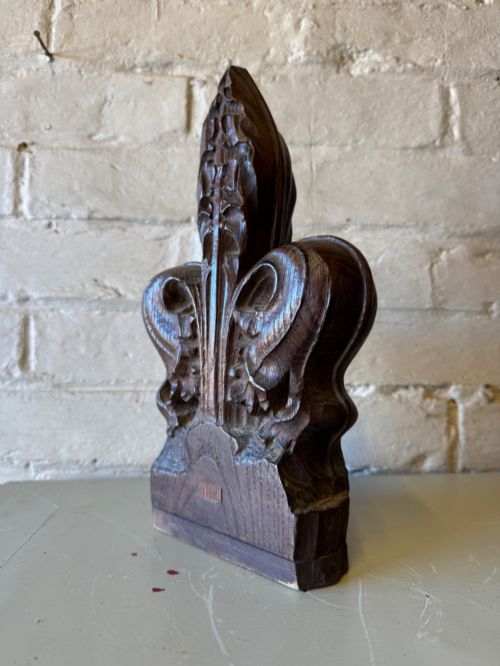
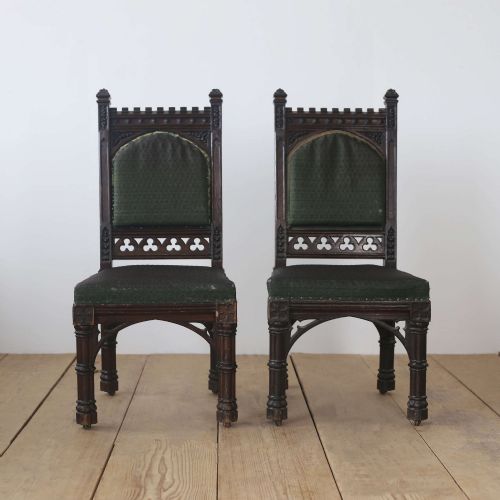
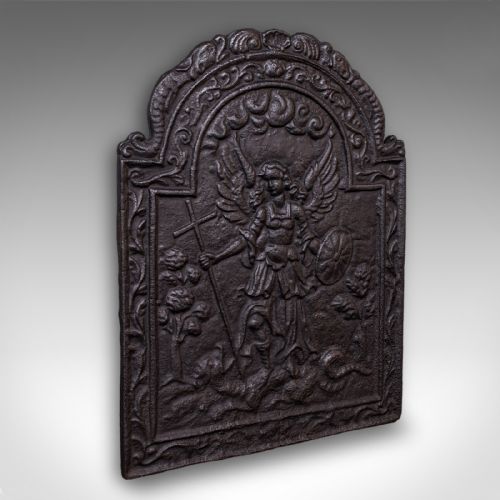
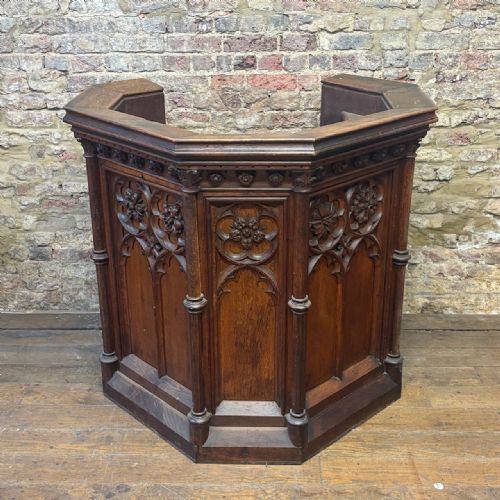
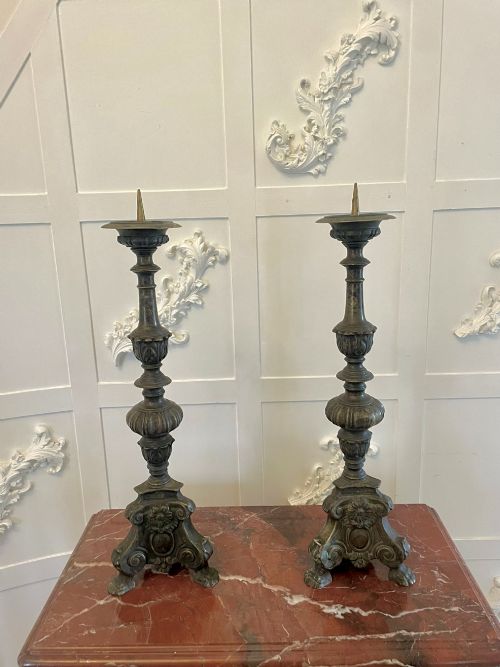
Ecclesiastical antiques encompass furniture, sculpture, and metalwork originating from churches, chapels, and cathedrals. The selection includes oak seating such as Glastonbury armchairs and pews, alongside brass pricket candlesticks and carved wooden panels.
Buyers frequently encounter nineteenth-century Gothic revival items alongside pieces dating back to the sixteenth, seventeenth, and eighteenth centuries. Forms range from devotional sculptures and pyx boxes to hymn boards, altars, and prayer desks.
How They Were Made
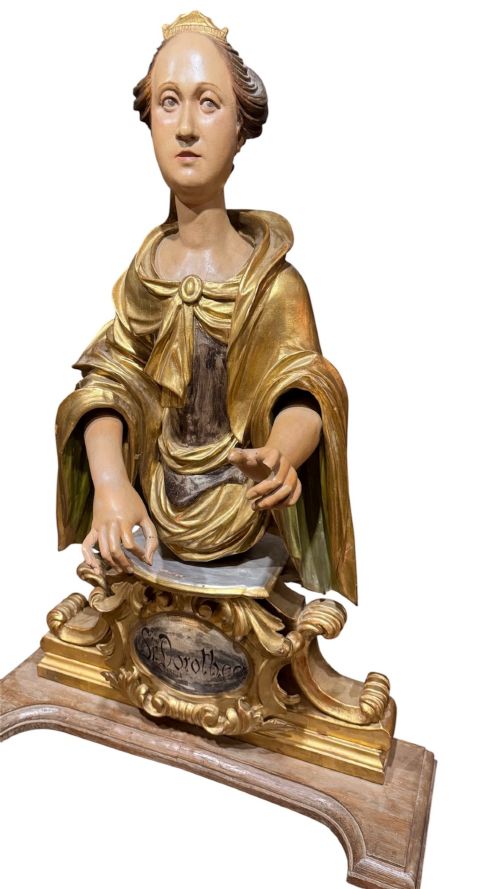
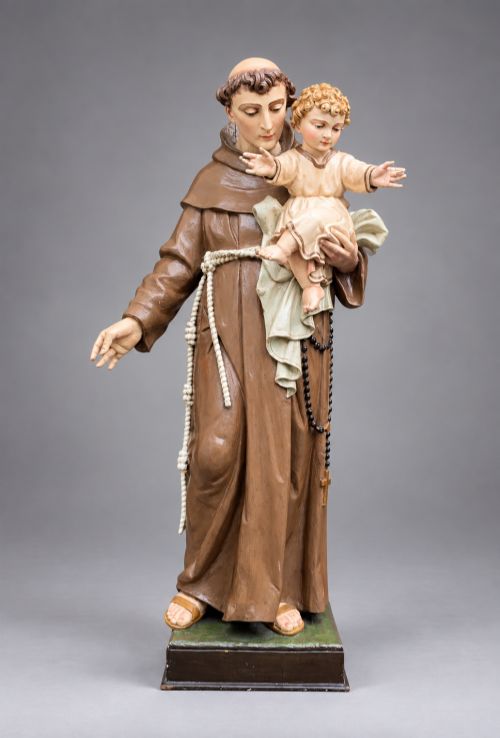
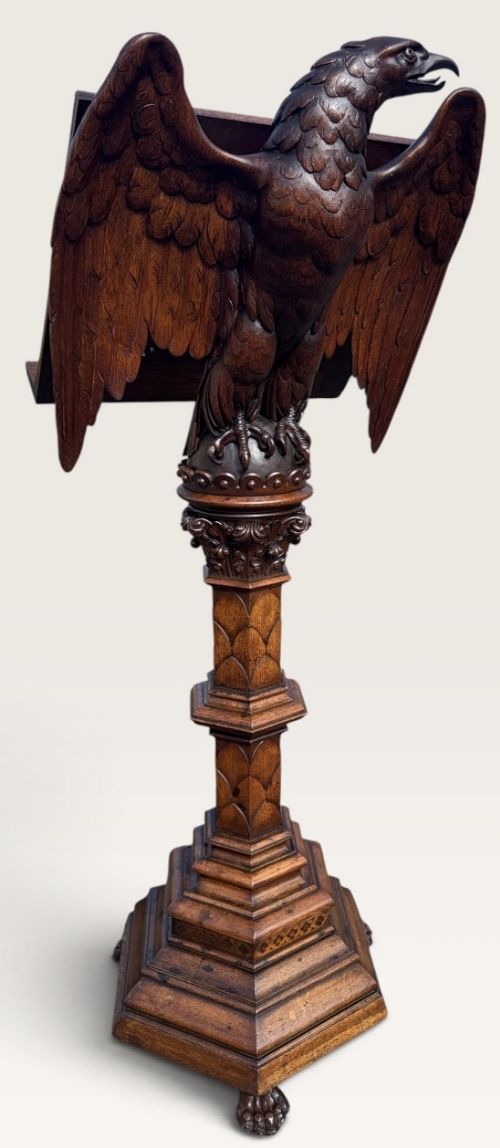
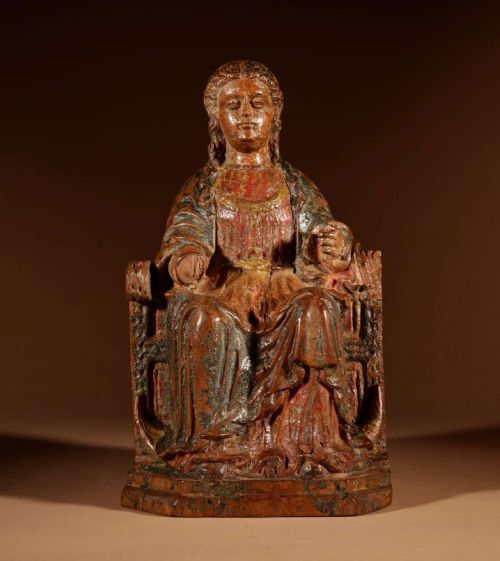
Makers utilised solid timbers like oak, pine, and mahogany, often shaping them through traditional joinery and detailed carving. Surface finishes frequently include polychrome pigment, gesso, and gold leaf applied to wood or stone.
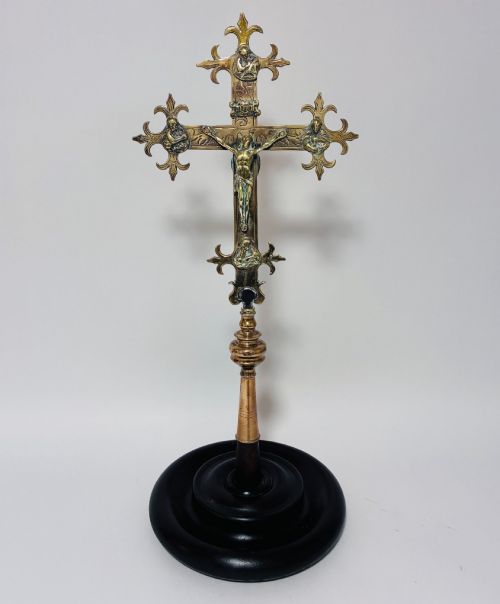
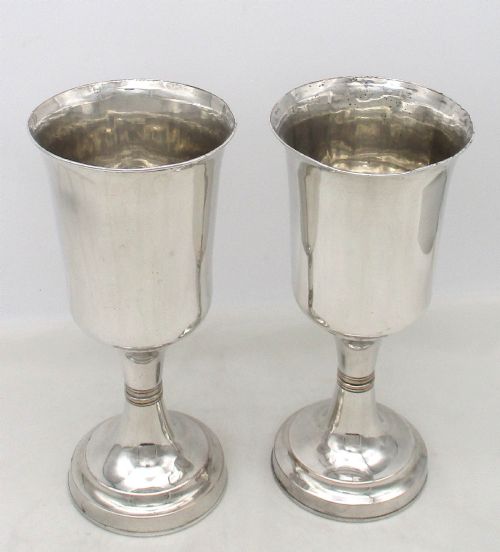
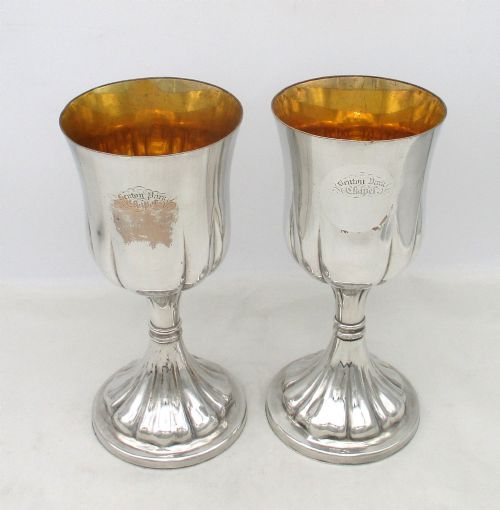
Metal objects rely on cast brass and sterling silver gilt, demonstrating precise fabrication techniques suited for liturgical vessels and altar appointments.
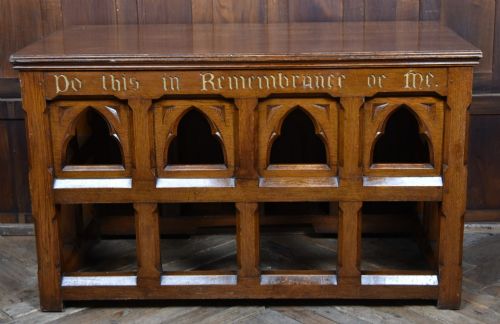
Several items carry the direct echoes of parish life, including collection boxes built for local donations and hymn boards displaying past service numbers.
What Varies in Quality
The standard of carving determines much of the distinction in sculptural pieces and structural woodwork, ranging from fluid hand-chiselled details to simpler commercial output. Retained original surfaces, such as early polychrome pigment or polished church oak, elevate the integrity of an object.
Provenance and maker marks, such as stamps from specific cathedrals or known silversmith firms, provide documentary depth that separates standard utilitarian church furniture from exceptional commissions.
F. Osbourne & Co·Burns, Oats & Washbourne·Henri Charles Angéniol·FA Barrett
The Ecclesiastical Antiques Glossary
- Pricket candlestick
- A candleholder featuring a sharp metal spike on top to secure a large wax taper. These tall stands typically functioned on or near church altars.
- Pyx box
- A small portable container utilised for holding and transporting sacramental bread. They are frequently cast in sterling silver and finished with gilt.
- Glastonbury armchair
- A specific nineteenth-century wooden chair design featuring pegged X-shaped framing and sloping arms, heavily associated with Gothic revival ecclesiastical interiors.
- Polychrome
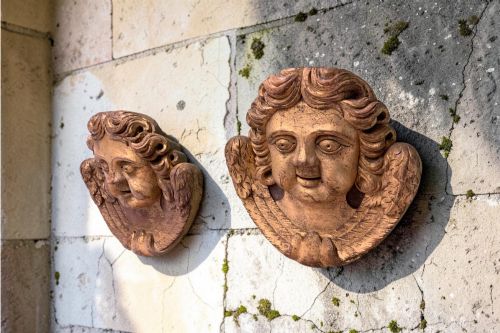
- The practice of decorating wooden or stone sculptures in multiple colours. This technique brings depth and realism to figures of saints and biblical busts.
- Coffer
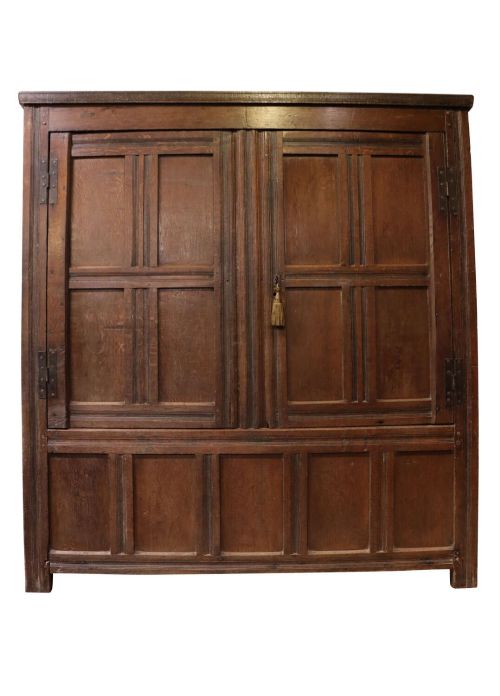
- A heavy wooden chest constructed for secure storage within a church vestry. Earlier examples display hand-carved panels and durable peg joinery.
Ecclesiastical Antiques: Frequently Asked Questions
What are ecclesiastical antiques?
Ecclesiastical antiques are furnishings, vessels, and artwork removed from sacred spaces like churches, chapels, and cathedrals. They span centuries of devotional use and liturgical practice.
These items range from heavy oak pews and pulpits to delicate sterling silver pyx boxes and carved wooden figures of saints.
How were church pews used?
Church pews provided fixed communal seating for congregants during lengthy services and sermons within parish churches. Their length and height accommodated local populations.
Constructed primarily from durable timbers like pitch pine and oak, they endured generations of daily sitting and kneeling.
How do I date an oak church chair?
Dating an oak church chair involves examining the construction methods, tool marks, and design style, such as nineteenth-century Gothic revival motifs. Pegged joints and hand-carved details typically indicate older craftsmanship.
Comparing the proportions and timber patination against dated examples from the same period helps narrow down the decade of creation.
How do I live with ecclesiastical furniture?
Ecclesiastical furniture integrates into modern domestic interiors by serving as functional statement pieces, such as placing a church bench in a hallway or a prayer desk in a study. Their robust timber construction makes them practical for daily use.
Protecting the wood from direct heat sources and maintaining stable indoor humidity preserves original wax finishes and carved surfaces.