

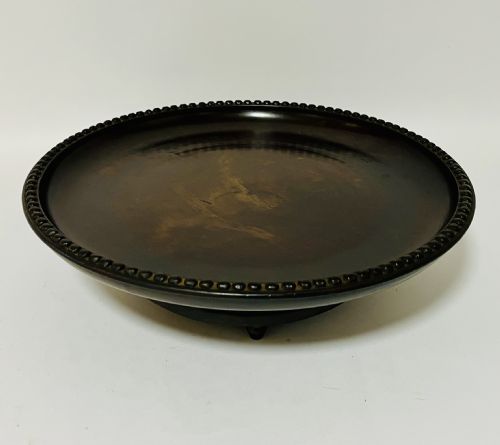


Ebonised Wooden Music Box
These ebonised wooden music box examples combine rich dark finishes with intricate mechanical movements to bring traditional melody into the home.
Ebonised Wooden Music Box
When you search for an ebonised wooden music box, you are looking at nineteenth-century and early twentieth-century cylinder instruments housed in dark-finished timber cases. The majority of pieces on this page date from the Victorian era and originate from Swiss workshops.
Forms range from standard rectangular table boxes featuring marquetry inlay to more unusual decorative items such as musical fruit bowls. Many incorporate internal brass and steel mechanisms designed to play multiple distinct airs.
The aesthetic centres on the contrast between polished dark exterior wood and the bright metal components visible beneath the lid or glass cover. Collectors prize these objects for their dual appeal as decorative furnishings and functional mechanical instruments.
How they were made
Cases utilise timber treated with an ebonised finish to mimic the appearance of ebony, often complemented by contrasting inlays of boxwood or rosewood. Burr walnut surfaces also appear alongside the primary ebonised construction.
Inside the case, steel combs and pinned brass cylinders produce the sound, sometimes accompanied by visible bells. Glass covers protect the delicate internal mechanisms while allowing the motion of the cylinder and comb to be observed during play.
Ebonised Wooden Music Box Retail Price Guide 2026
Typical asking prices for ebonised wooden music box among the pieces listed under this phrase on Sellingantiques today, from the lower quarter to the upper quarter. They describe what is for sale here now, not the wider market.
Listings feature items predominantly from the Victorian period, executed in ebonised wood, rosewood, and walnut with steel and brass mechanisms.
What varies in quality
The distinction between standard examples and superior pieces rests on the complexity of the musical arrangement and the precision of the mechanics. Boxes playing a greater number of airs demonstrate higher levels of craftsmanship.
Exterior decoration marks another divergence in quality, with intricate marquetry and well-preserved ebonised finishes indicating superior production. The clarity and resonance of the sound produced by the steel comb ultimately determine the standing of each instrument.
Langdorff & Fils·Nicole Freres
The Ebonised Wooden Music Box Glossary
- Ebonised wood
- Timber stained or painted black to imitate ebony. This finish was widely utilised in Victorian cabinetmaking to achieve a formal dark appearance.
- Cylinder
- The rotating brass barrel pinned with tiny projections that pluck the teeth of the comb. Each pin corresponds to a specific note in the musical arrangement.
- Comb
- The tuned steel plate with multiple teeth that vibrates when struck by the pins on the rotating cylinder. Its precision dictates the purity of the tune.
- Air
- A distinct musical tune played by the cylinder during one complete rotation. Boxes are frequently described by the total number of airs they can perform.
- Marquetry
- Decorative veneer work forming pictures or geometric patterns using various woods. Boxwood and other timbers are often set into the dark surfaces.
Ebonised Wooden Music Box: Frequently Asked Questions
What is an ebonised wooden music box?
These items are mechanical musical instruments housed in dark-finished wooden cases, predominantly originating from Swiss makers during the nineteenth century. They utilise pinned brass cylinders and steel combs to play pre-set tunes.
Most examples date from the Victorian period and often feature decorative marquetry or inlaid details alongside the dark exterior finish. Some variations take unexpected forms, including musical fruit bowls.
How do cylinder music boxes work?
A wound spring turns a brass cylinder set with tiny metal pins that strike tuned teeth on a steel comb. Each pin placement corresponds to a specific musical note.
Changing the tune involves shifting the cylinder so the pins engage different sections of the comb. Many mechanisms include levers to repeat particular airs or silence the performance entirely.
Where were these music boxes made?
The vast majority of these instruments originate from Switzerland, which was the primary centre of mechanical music production during the nineteenth century. Swiss workshops produced both standard table boxes and specialised musical novelties.
Exported globally, these pieces often bear the marks of notable Swiss firms like Nicole Freres or Langdorff & Fils. Their craftsmanship combined precision metalwork with traditional cabinetmaking.
How do I care for my music box?
Keep the instrument in a stable environment away from direct sunlight, extreme temperature changes, and excess moisture. These conditions protect both the delicate wooden case and the internal metal mechanics.
Wind the spring gently without forcing the mechanism when it reaches resistance. Regular dusting of the exterior ebonised surface preserves the dark finish.