





Ebonised Column Stand
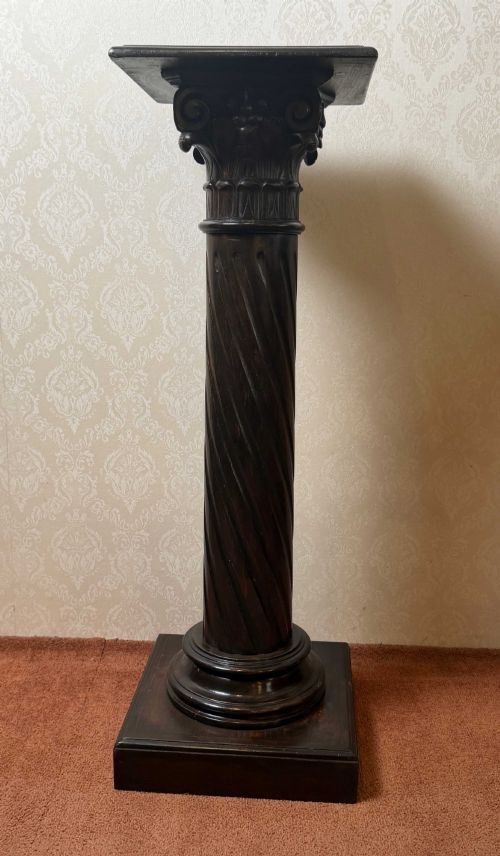
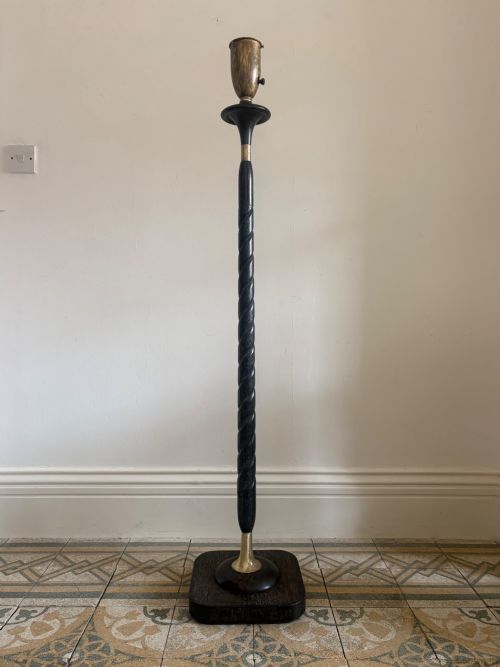
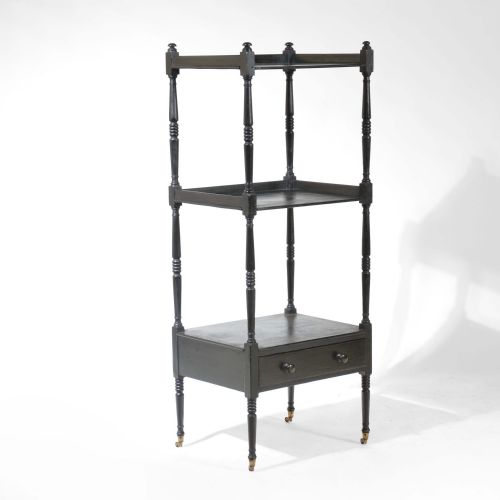
An ebonised column stand offers a dramatic architectural silhouette for displaying sculpture or plants, rooted in dark wood finishes.
Ebonised Column Stand
When you search for an ebonised column stand, you enter a domain of architectural display pieces designed to elevate objects of importance in a room.
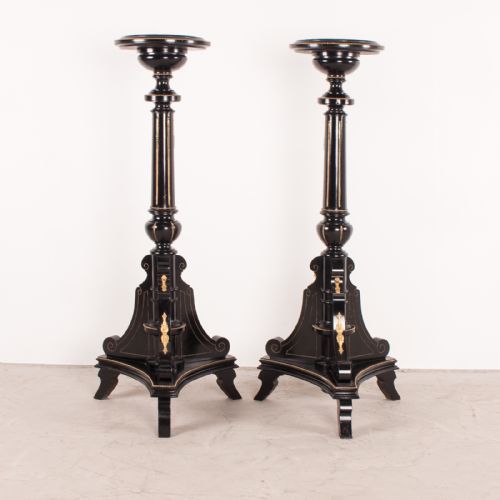
The selections span pedestals, torcheres, and plinths originating across the Georgian, Regency, and Victorian periods, often taking the form of fluted columns or Corinthian capitals.
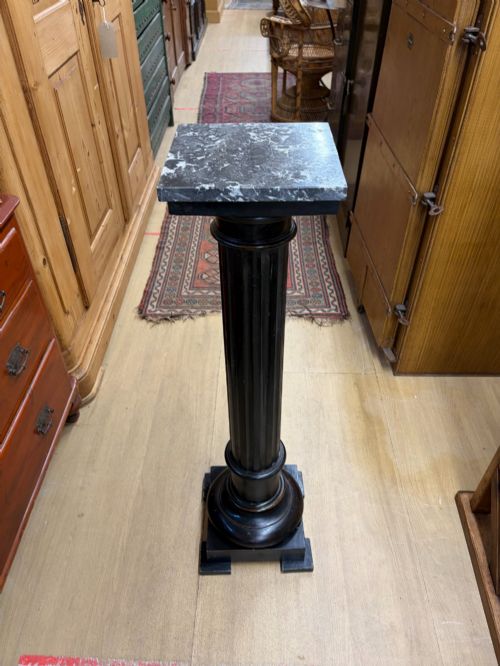
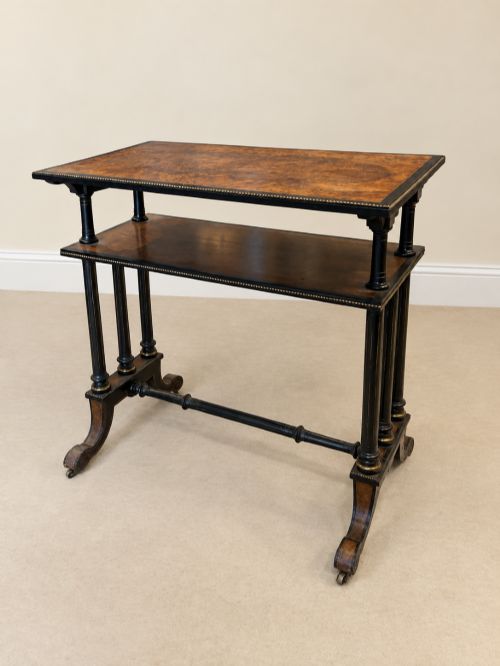
Most examples rely on a dark, simulated ebony surface applied to hardwood, sometimes accented with gilding or mounted with marble tops for added weight and visual contrast.
Materials and construction
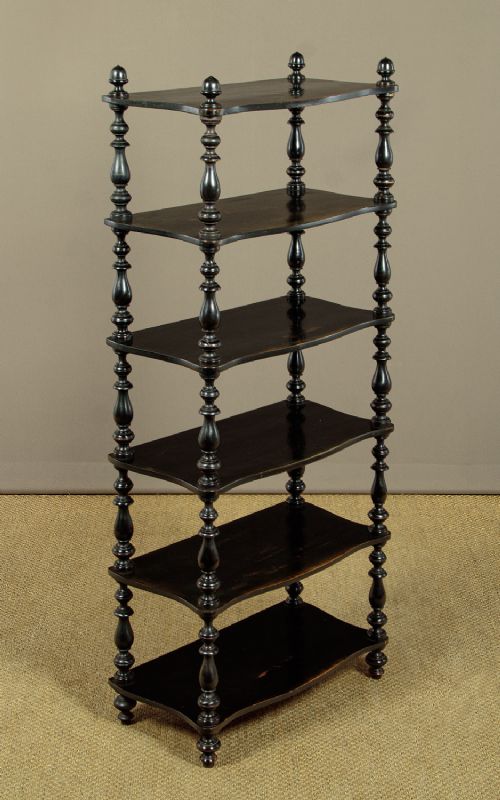
Cabinetmakers utilised hardwoods such as mahogany, walnut, or birch, which were stained, painted, and polished to achieve a dense black finish that mimicked costly genuine ebony.
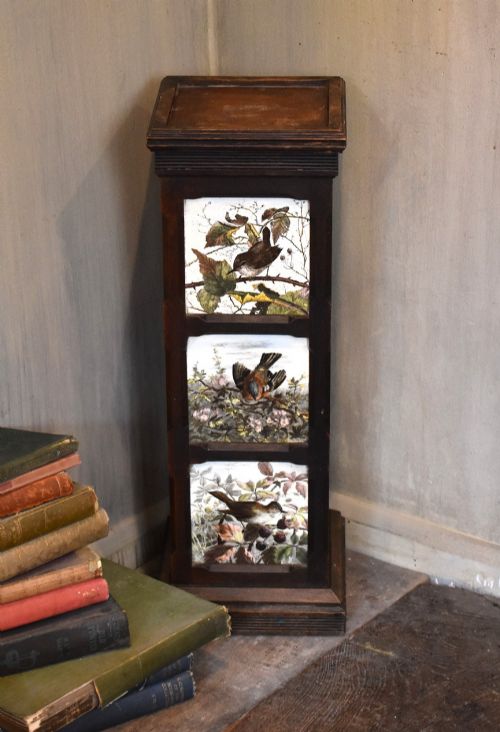
Surface ornamentation frequently involved detailed hand-carving, brass mounts, and occasionally inset ceramic tiles or gilt highlights characteristic of the Aesthetic movement.
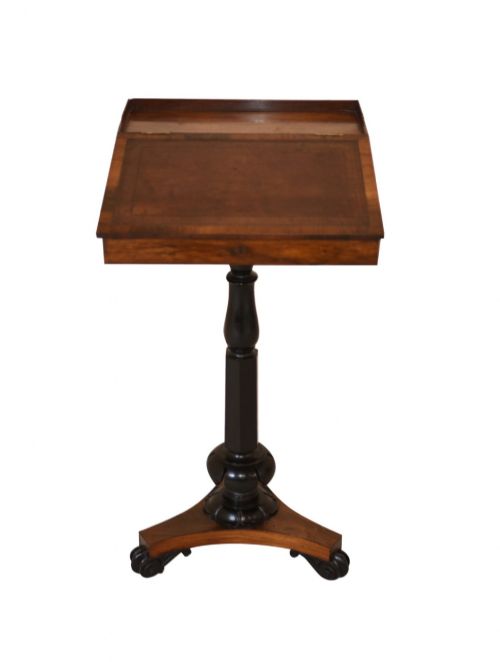
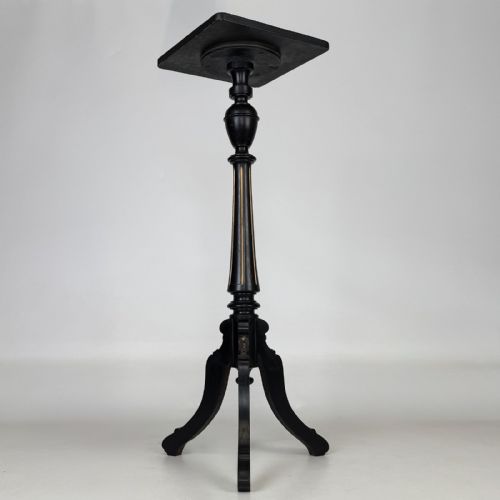
Structural stability was achieved through heavy tripod bases, circular plinths, or stepped timber foundations designed to support substantial weight at height.
Ebonised Column Stand Retail Price Guide 2026
Typical asking prices for ebonised column stand among the pieces listed under this phrase on Sellingantiques today, from the lower quarter to the upper quarter. They describe what is for sale here now, not the wider market.
Some stands double as silent sentinels, holding up crouching figures or elaborate desk thermometers just out of reach.
Determinants of distinction
The fineness of the carving on capitals and fluting separates standard utility pieces from exhibition-grade works produced by notable cabinetmakers.
The integrity of the ebonised finish and the depth of the polish dictate the visual success of the surface, alongside the inclusion of luxury additions like inset marble tops.
Gillow and Co·Humphrey Hopper·Negretti and Zambra
The Ebonised Column Stand Glossary
- Ebonised
- Wood treated with stain or paint to imitate expensive ebony wood. This finish gained immense popularity during the Victorian era for furniture mimicking exotic imports.
- Torchere
- A tall, slender stand designed specifically to hold a light source or candle. They later evolved to serve as pedestals for decorative arts and flora.
- Corinthian
- An ornate classical architectural order featuring acanthus leaves on the capital. Pedestals styled in this manner borrow directly from ancient stone temples.
- Plinth
- A heavy flat base or block supporting a statue, pillar, or column. It provides both visual grounding and physical stability to tall display stands.
Ebonised Column Stand: Frequently Asked Questions
What holds an ebonised column stand steady?
These tall stands rely on heavy timber bases, often configured with three splayed feet or a broad circular plinth to distribute weight safely across the floor.
Additional ballast or dense internal construction prevents tipping when heavy bronze figures, marble busts, or large ceramic plant pots sit atop the capital.
Where should a column stand go?
Traditionally placed in corners, entrance hallways, or framing fireplace surrounds, these stands serve to elevate specific sculptural or botanical focal points within a room.
Placing them away from heavy foot traffic protects both the slender column and the displayed object from accidental knocks.
How do I care for ebonised wood?
Maintain the deep black surface by dusting gently with a soft cloth and avoiding harsh chemical polishes that can degrade the historic dark finish over time.
Keep the stand away from direct sunlight and strong heat sources to prevent the underlying timber from shrinking and cracking the polished coating.
How are different periods identified?
Stylistic clues such as classical Corinthian capitals point towards Georgian and Victorian Neoclassical revivals, while simpler geometric lines often indicate early twentieth-century production.
Materials also provide context, as specific combinations like amboyna paired with carved ebony reflect mid-nineteenth-century exhibition standards.