

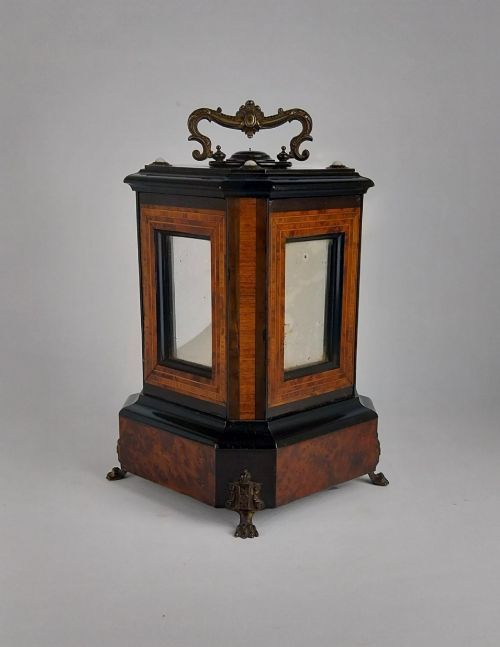


Ebonised Burr Walnut Cabinet
An ebonised burr walnut cabinet combines dark, contrasting timber finishes with richly patterned grain, offering both practical storage and a strong visual focal point for a room.
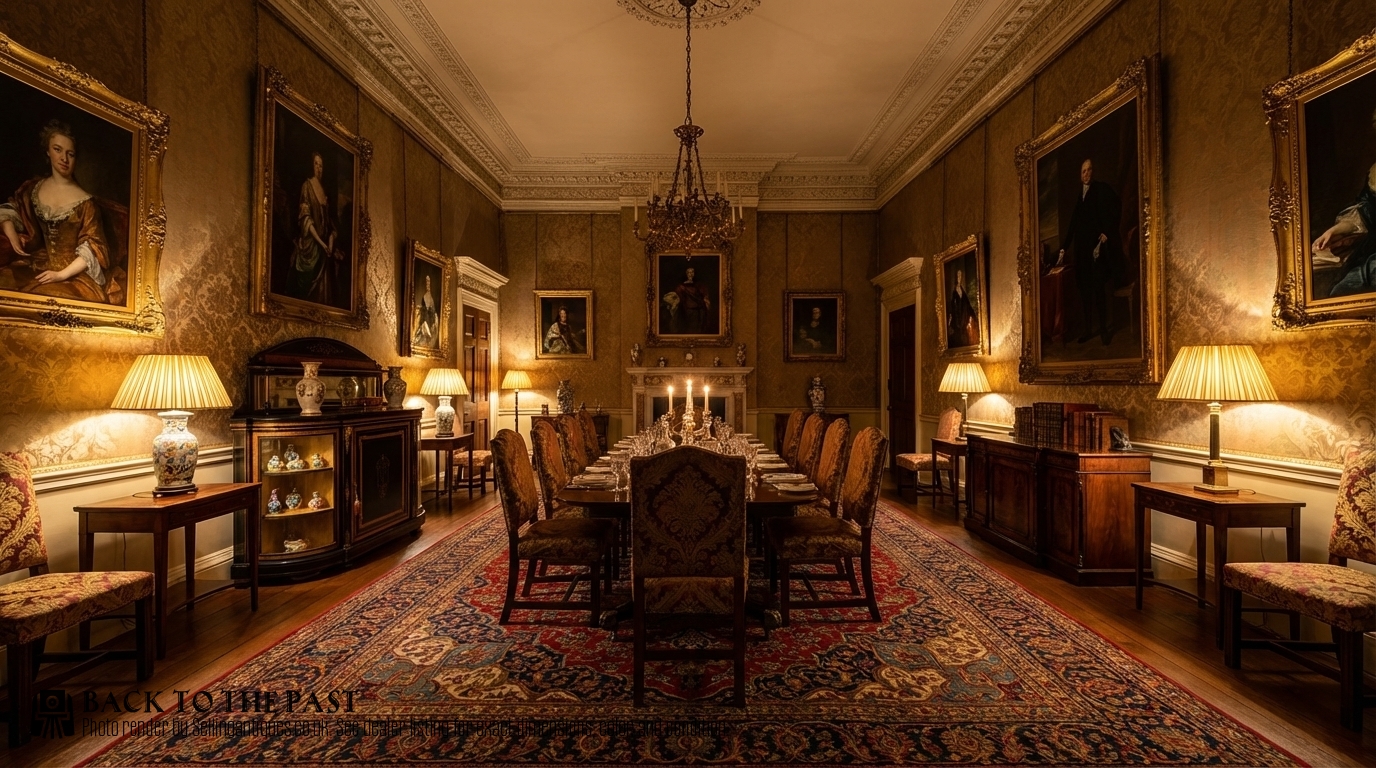
Ebonised Burr Walnut Cabinet
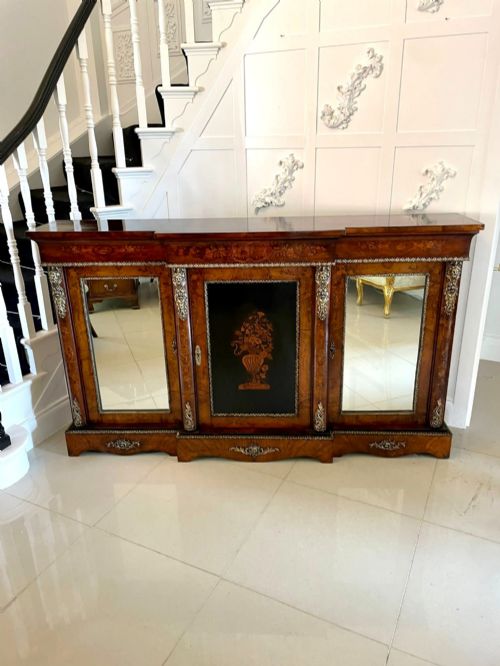
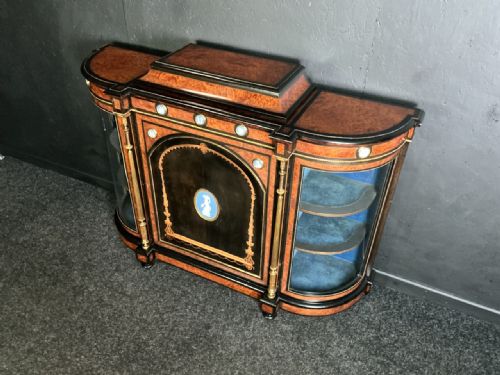
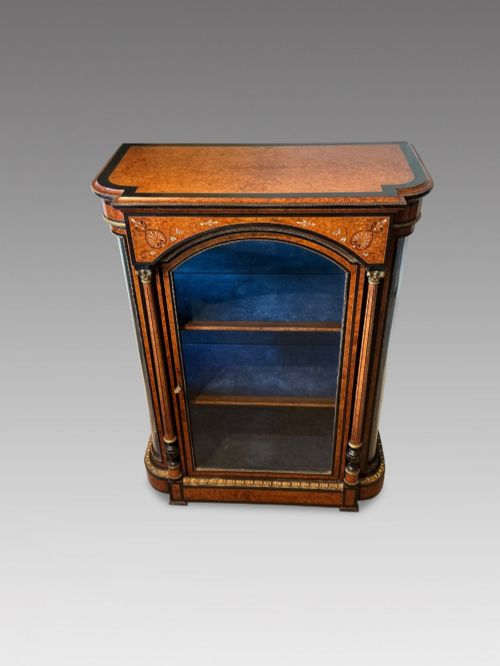
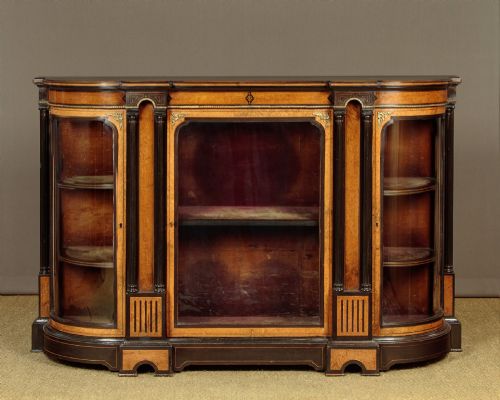
An ebonised burr walnut cabinet typically manifests as a credenza, pier cabinet, or side cabinet originating mainly from the Victorian period, along with 19th-century continental and Aesthetic Movement examples. These pieces serve primarily as display and storage furniture in principal rooms, featuring polished timber surfaces and glazed or open compartments.
The buyer meets versions ranging from low credenzas with marquetry inlay to smaller pier cabinets and music cabinets. Many of these items incorporate brass mounts, marble tops, or porcelain plaques alongside the characteristic dark wood framing and figured grain panels.
Materials and Technique
Cabinet makers combine ebonised wood - often fruitwood or timber stained and polished to a deep black finish - with burr walnut veneers selected for their swirling, intricate grain patterns. Marquetry inlay in lighter woods provides contrast against the dark ebonised framing.
Metalwork and ceramics frequently integrate into the construction, utilising brass handles, gilt bronze or ormolu mounts, and occasionally Sevres-style porcelain plaques set into the doors or upstands. Glass panels feature in display variations to protect books or decorative objects.
Object forms span credenzas, pier cabinets, display bookcases, writing desks, bedside tables, and music cabinets.
Quality and Execution
The standard of an ebonised burr walnut cabinet rests on the selection and matching of the walnut veneer, where symmetrical grain patterns and precise marquetry indicate superior workshop output. The depth and durability of the ebonised finish, alongside crispness in applied brass or ormolu mounts, separate standard production from finer examples.
Structural integrity in the timber framing and the precision of fitted doors, drawers, and glazed sections demonstrate the underlying carpentry. Makers who paid attention to secondary timbers and interior fitting achieved a higher grade of craftsmanship visible across Victorian and Aesthetic Movement pieces.
Gillow
The Ebonised Burr Walnut Cabinet Glossary
- Ebonised
- Timber treated with stain, dye, or paint to imitate ebony, producing a dark, uniform black surface finish. This technique appeared widely on Victorian and Aesthetic Movement furniture.
- Burr walnut
- Wood taken from a growth or burl on a walnut tree, yielding highly figured, swirling grain patterns used for decorative veneer panels. It provides a striking contrast to plain or ebonised framing timbers.
- Credenza
- A low cabinet or sideboard, frequently fitted with doors and curved glass side compartments, popular during the Victorian era for dining and drawing rooms.
- Pier cabinet
- A narrow cabinet designed to stand against the wall space between windows, often featuring glazed doors and a mirrored back.
- Marquetry
- Decorative patterns formed by inserting thin pieces of wood, ivory, or metal into a veneered surface. This technique creates floral or geometric designs across cabinet doors and top panels.
- Ormolu
- Gilt bronze mounts and decorative trimmings applied to furniture surfaces. The technique involves treating metal with a mercury and gold amalgam to achieve a rich metallic lustre.
Ebonised Burr Walnut Cabinet: Frequently Asked Questions
Where were these cabinets placed?
These cabinets sat principally in Victorian drawing rooms, dining rooms, and hallways as functional display pieces for porcelain, books, or musical accessories.
Lower credenzas occupied long wall spaces beneath paintings or mirrors, while narrow pier cabinets fitted neatly between windows.
How do I identify an Aesthetic Movement piece?
Aesthetic Movement examples emphasise simplicity of form, ebonised surfaces, and Japanese-inspired decorative motifs rather than heavy revivalist ornamentation.
They often incorporate delicate brass hardware and contrasting light wood inlays against the deep black timber.
What is the difference between a credenza and a side cabinet?
A credenza typically denotes a low, symmetrical cabinet featuring a central cupboard flanked by curved glass doors or side compartments.
Side cabinets encompass a broader range of single- or double-door storage units without the specific curved glazed configuration typical of credenzas.
How should I care for ebonised and walnut surfaces?
Keep these pieces away from direct sunlight and steady heat sources to protect the burr walnut veneer from drying out or splitting.
Dust regularly with a dry cloth and avoid silicone-based polishes that can damage the traditional polished finish.