


Ebonised Aesthetic Movement Chair
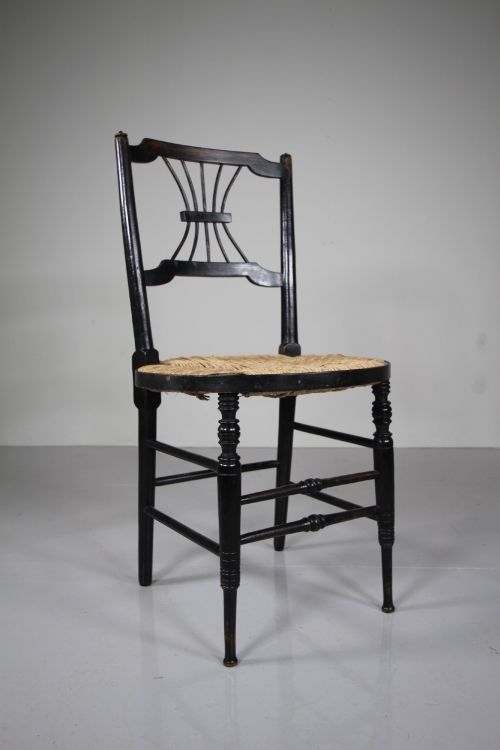
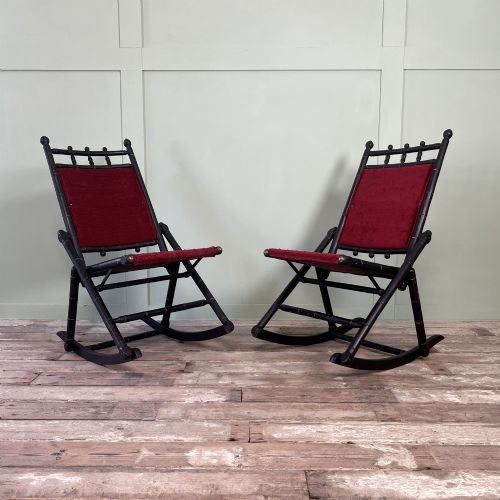
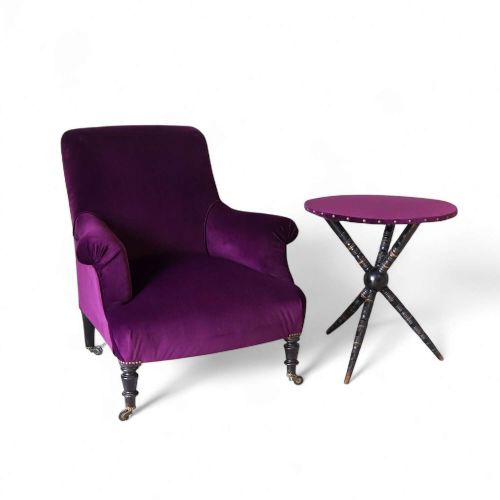
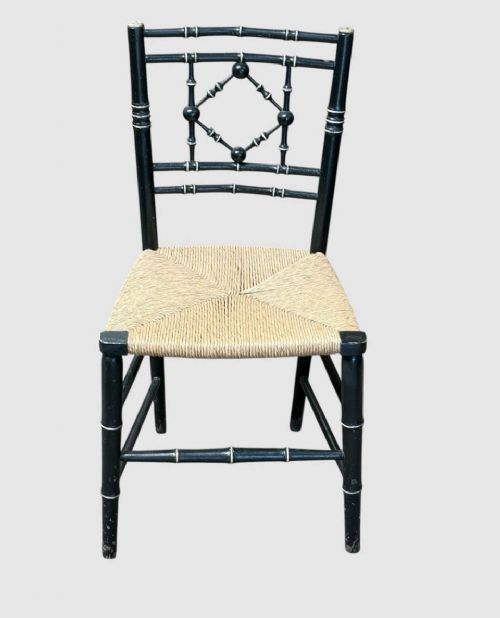
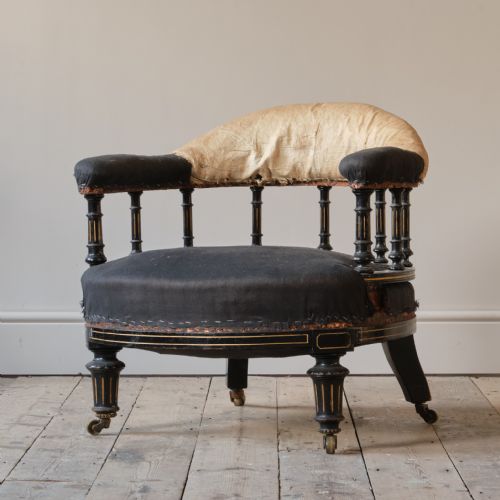
These ebonised aesthetic movement chairs bring the refined geometry and dark finishes of the late nineteenth century directly into modern rooms.
Ebonised Aesthetic Movement Chair
An ebonised aesthetic movement chair represents a specific nineteenth-century design ethos focused on simplicity, artistic reform, and deliberate rejection of heavy Victorian ornamentation. The pieces appearing here span from the 1870s through to 1900, capturing the height of this reforming taste.
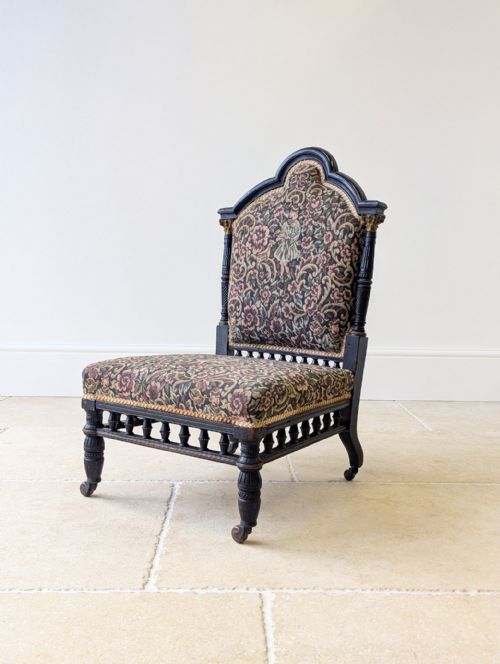
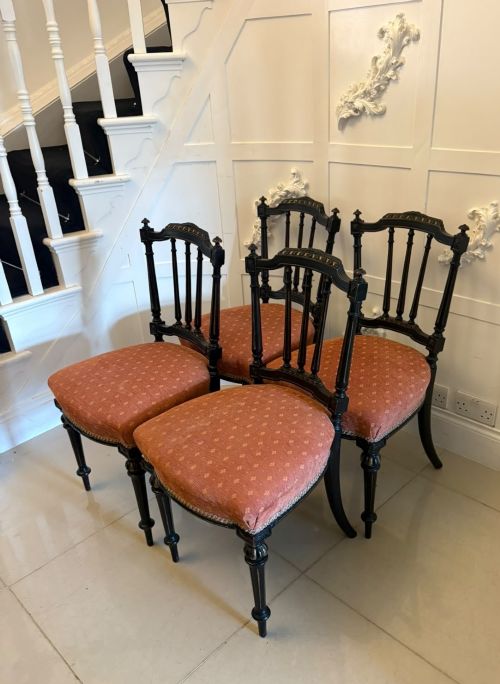
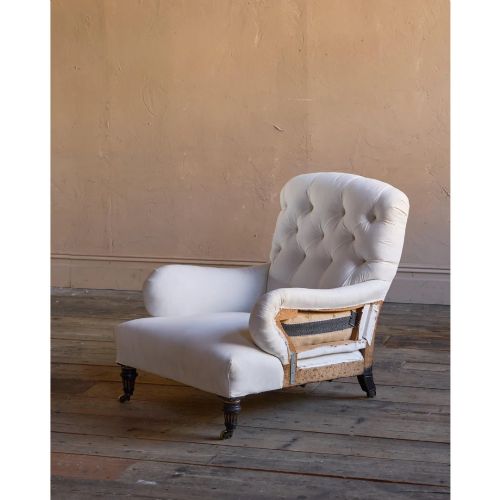
Forms vary significantly across the pieces found in this selection, ranging from low salon chairs and nursing chairs to dining sets, rocking chairs, and open armchairs. Side chairs and child chairs also appear, offering distinct seating heights and proportions suited to different domestic spaces.
Originating largely within the Victorian period, these seats often display influences from Anglo-Japanese design or the broader Arts and Crafts movement. Buyers encountering this phrase will find sturdy frames designed for both formal reception rooms and intimate parlour settings.
What Varies in Quality
Quality in these chairs rests upon the crispness of the ebonised finish and the integrity of the underlying wood frame. Superior examples maintain their original parcel gilding and structural tightness without excessive wobble in the joints.
The sophistication of the turning, carving, and joinery distinguishes standard commercial production from pieces designed by prominent architects or cabinetmakers. Preservation of original textiles, such as early velvet or needlework, elevates the historical interest of the seating.
Miniature ebonised chairs allowed Victorian children to sit in exact miniature imitation of adult aesthetic drawing-room fashion.
William Morris·Gillows·Collier and Plucknett·Bruce J Talbert·E W Godwin·Liberty of London·Ford Madox Brown·James Shoolbred·Maple and Co·Holland and Son
The Ebonised Aesthetic Movement Chair Glossary
- Ebonised
- Wood treated with stain or paint to resemble natural ebony, a technique widely utilised in nineteenth-century cabinetmaking. This dark finish provided a stark contrast to gilt detailing and vibrant upholstery fabrics.
- Aesthetic Movement
- A late Victorian design philosophy prioritising artistic expression and form over rigid moral utility. It drew heavily on Japanese motifs, simplified silhouettes, and clean structural lines.
- Nursing Chair
- A low-seated chair designed originally for comfort while nursing infants. These seats typically feature compact proportions and low backs suited to nineteenth-century domestic interiors.
- Parcel Gilt
- Partial application of gold leaf or gilt paint to specific decorative elements of a wooden frame. This method highlighted carved motifs against the dark ebonised background.
Ebonised Aesthetic Movement Chair: Frequently Asked Questions
How do I date an ebonised chair?
Dating relies on construction methods, stylistic markers, and recorded workshop periods spanning the 1870s to the 1900s. Examination of fixings and timber helps align the piece with documented Victorian production eras.
Stamped maker marks or paper labels underneath the seat offer the most precise chronological indicators. Comparing the silhouette against known furniture catalogues clarifies the decade of manufacture.
Can I use these chairs daily?
These nineteenth-century frames remain functional for regular use provided the joints are stable and secure. Gentle placement prevents unnecessary strain on original ebonised finishes and older wooden components.
Weight distribution should remain sensible, especially on smaller nursing chairs or child chairs. Periodic checking of the frame stability ensures safe, long-term enjoyment in living spaces.
Are original fabrics important?
Original velvet, needlework, or upholstery adds historical value for collectors who appreciate untouched condition. Surviving textiles reveal the intended colour palette and texture chosen by nineteenth-century makers.
Replacement fabric does not detract from the utility of the chair if chosen with historical sensitivity. Many pieces have undergone reupholstery over time to suit changing domestic interiors.
What is Anglo-Japanese style?
Anglo-Japanese design integrated minimalist Japanese aesthetic principles with British furniture construction during the Victorian era. This style favoured asymmetrical arrangements, bamboo-turned framing, and flat surface decoration.
Chairs embodying this influence often display linear geometry rather than heavy floral carving. Ebonised wood served as the primary canvas for these eastern-inspired motifs.